cookies to track usage and preferences."
data-cookieaccepttext="I UNDERSTAND"
data-cookiedeclinetext="Disable Cookies"
data-cookiepolicytext="Privacy Policy">
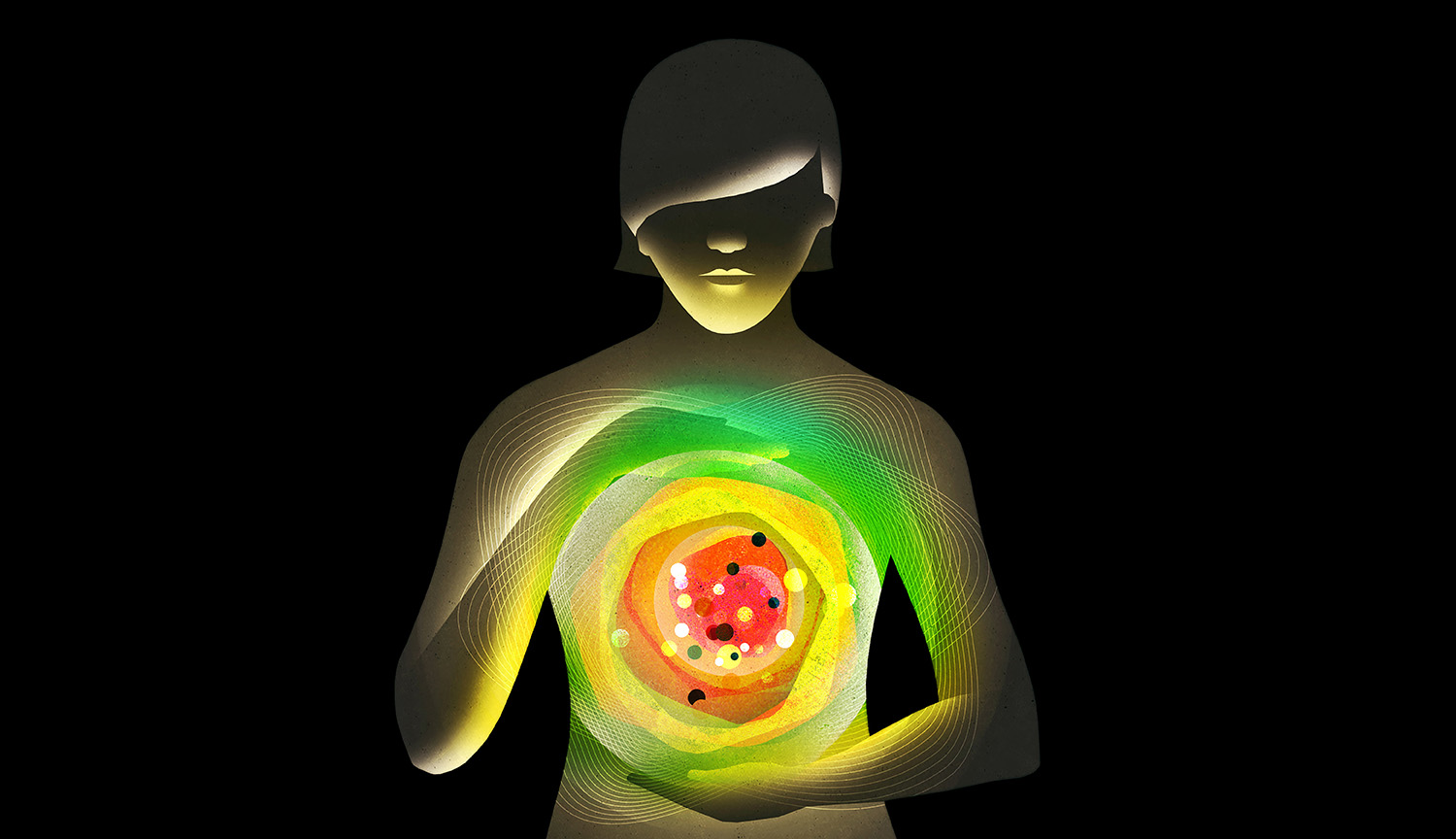
Public health researchers explain the levers that can reduce — or worsen — this global blight. A bright spot: There are more data than ever on strategies that can help.
Small settlements and the scourge of slavery left gaps in Africa’s archaeological record. Yet sites and artifacts are revealing clues to the continent’s more recent history. An archaeologist explains the findings and threats to this heritage.
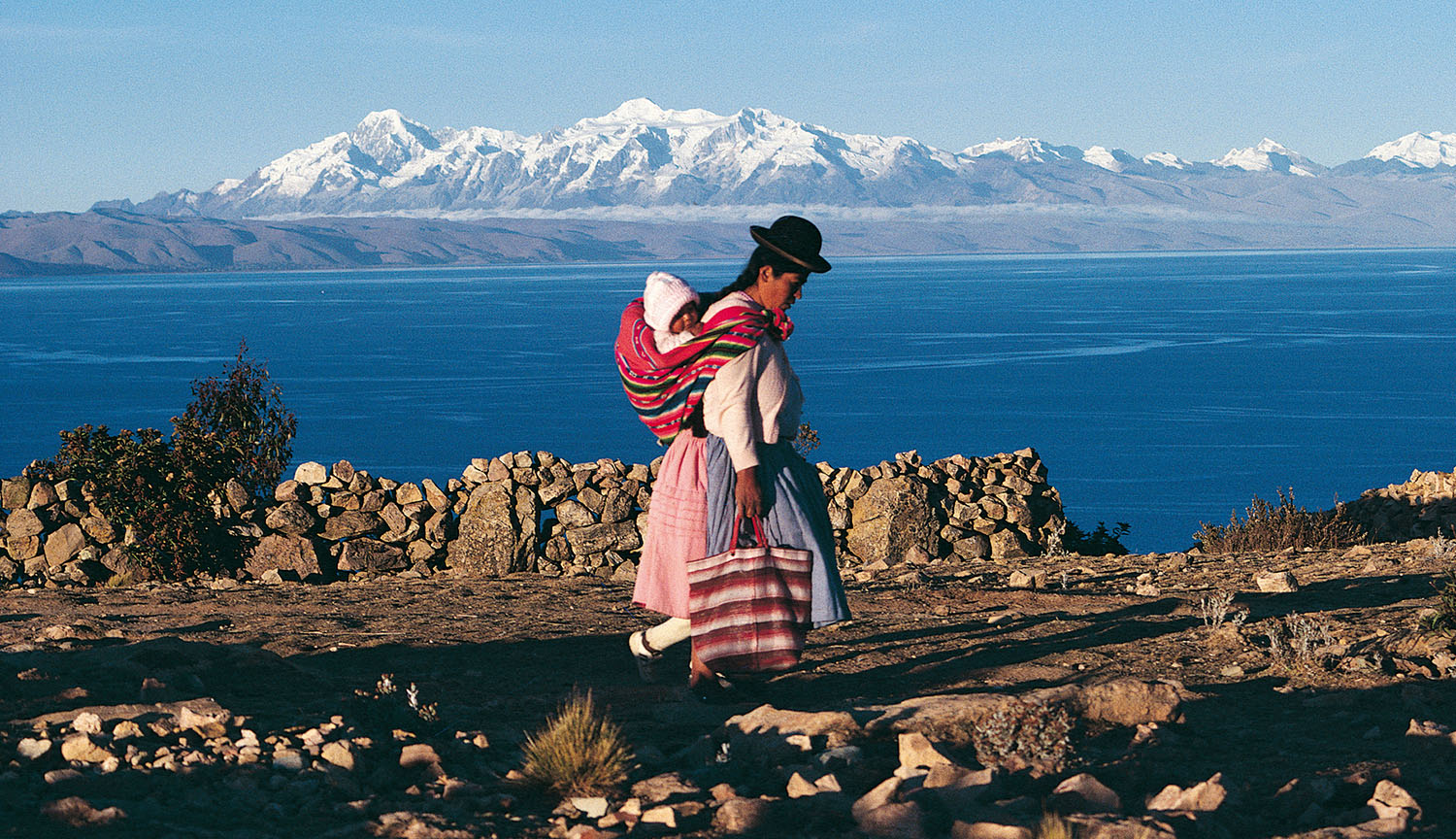
In people not adapted to life at altitude, the sparse oxygen can impair fetal growth, causing problems that can last a lifetime. Researchers are searching for remedies.
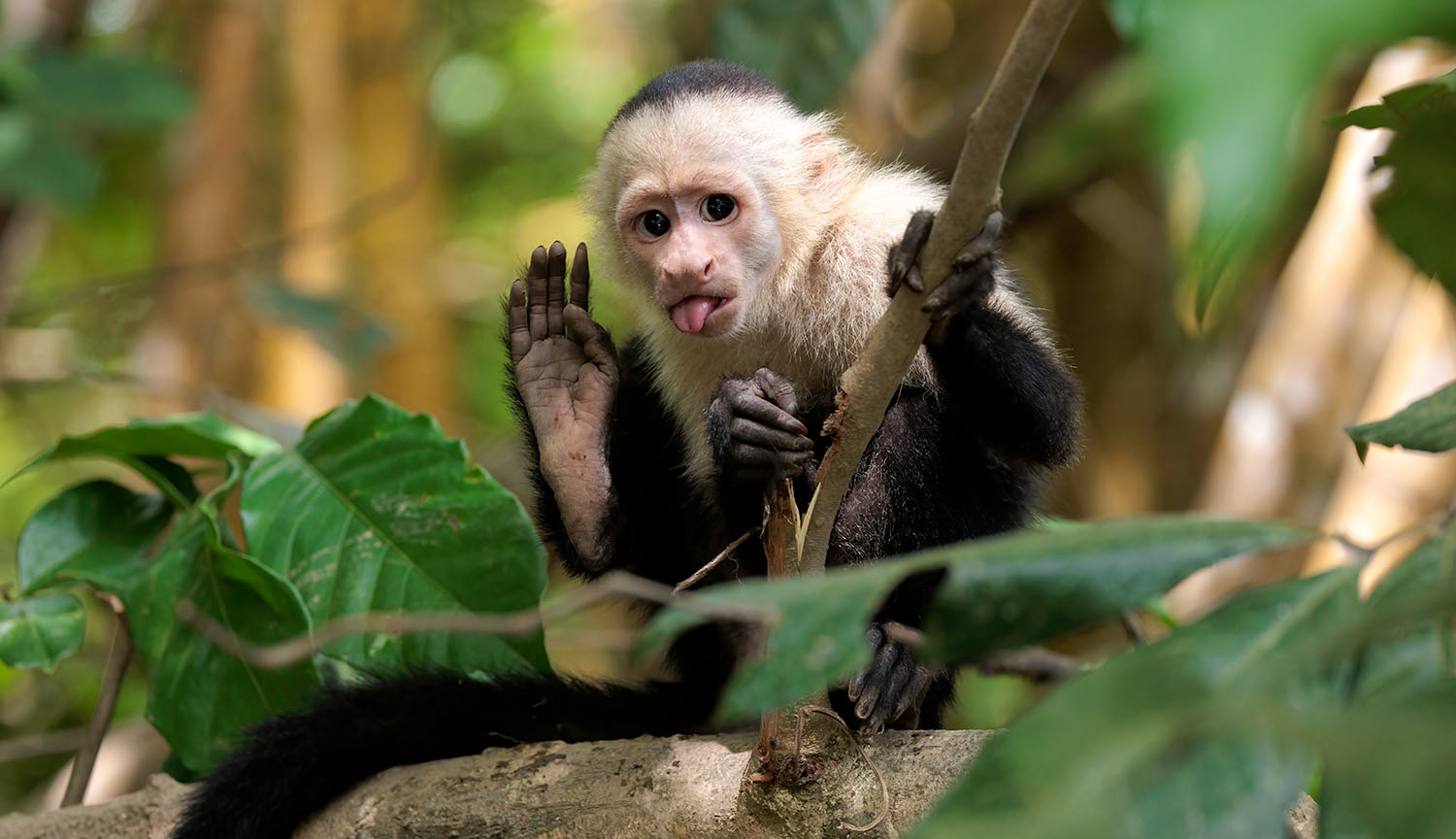
UCLA’s Susan Perry has devoted decades to studying the fast-motion life of these New World primates and learning how the young acquire the skills they need to thrive
Linguists and archaeologists have argued for decades about where, and when, the first Indo-European languages were spoken, and what kind of lives those first speakers led. A controversial new analytic technique offers a fresh answer.
Peoples who live close to nature have a rich lore of plants, animals and landscapes embedded in their mother tongues — which may hold vital clues to protecting biodiversity
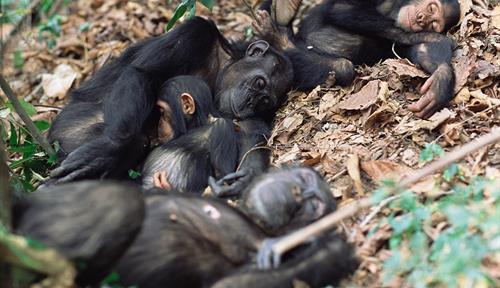
They have held our fascination ever since we first identified their remains. Today, thanks to new artifacts and technologies, findings about our closest relatives are coming thick and fast.
Native peoples attuned to the natural world have long collected detailed environmental information. Now scientists are cataloging these observations and learning how they’re affecting Indigenous communities globally.
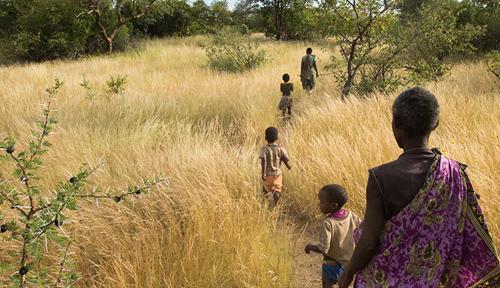
There is no one prehistoric meal plan. A modern hunter-gatherer group known as the Hadza has taught researchers surprising things about the highly variable menu consumed by humans past.
Researcher Arun Agrawal has lived three decades on either side of a watershed: the United Nations Framework Convention on Climate Change, signed 30 years ago this June. His 60 years are a window into how far we have come, and how far there is to go.
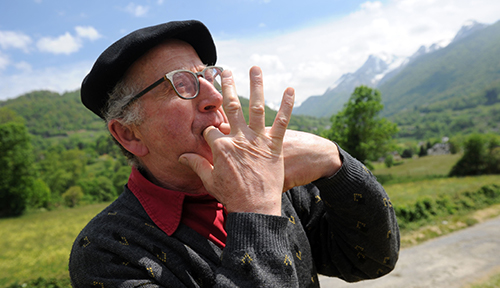
Dozens of traditional cultures use a whistled form of their native language for long-distance communication. You could, too.
Close X
This is not a paywall.
Knowable Magazine is free to read. But just because our articles are free to read doesn’t mean they are free to produce. If you value our trustworthy science journalism, please support it with a donation.