cookies to track usage and preferences."
data-cookieaccepttext="I UNDERSTAND"
data-cookiedeclinetext="Disable Cookies"
data-cookiepolicytext="Privacy Policy">
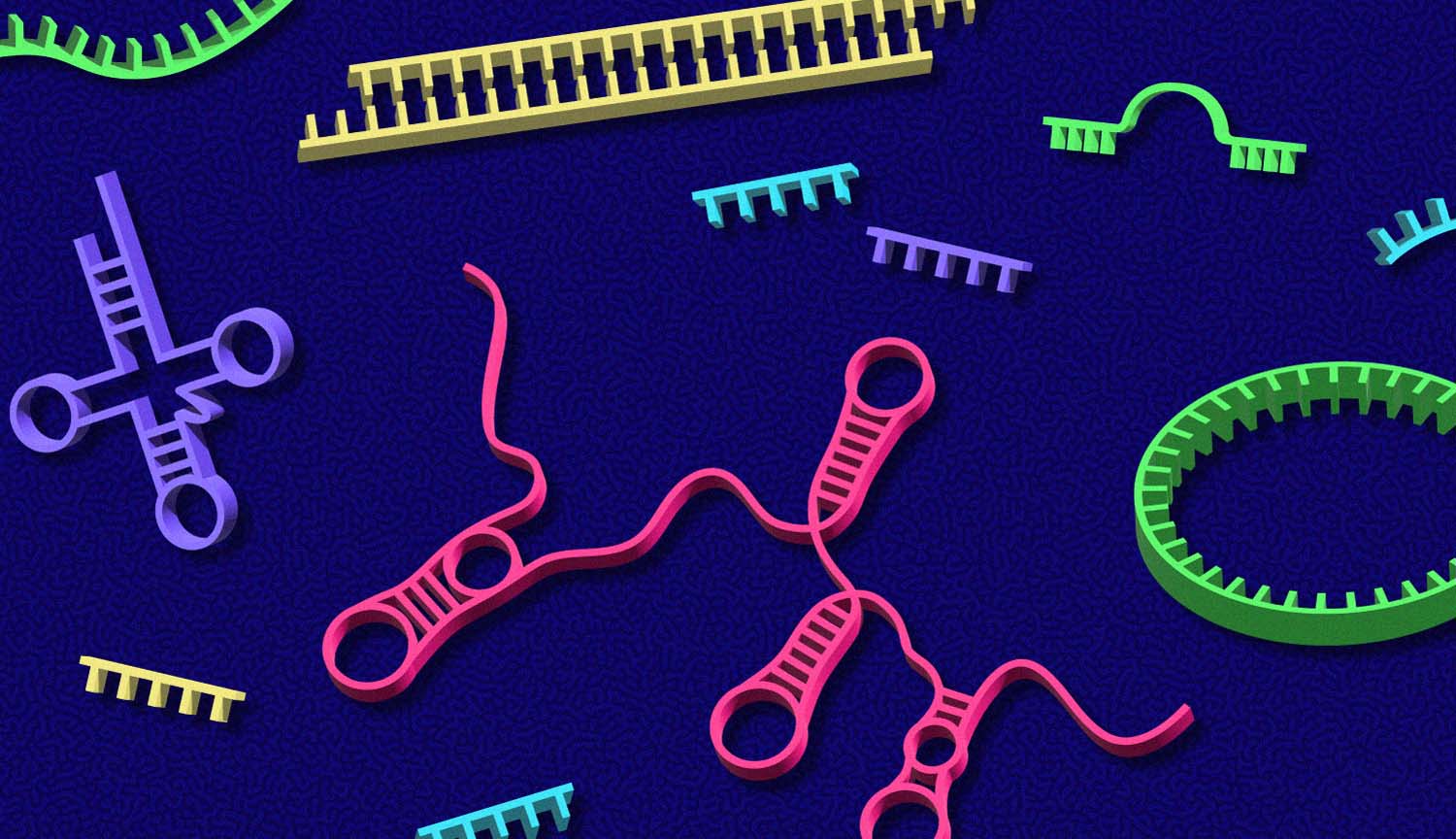
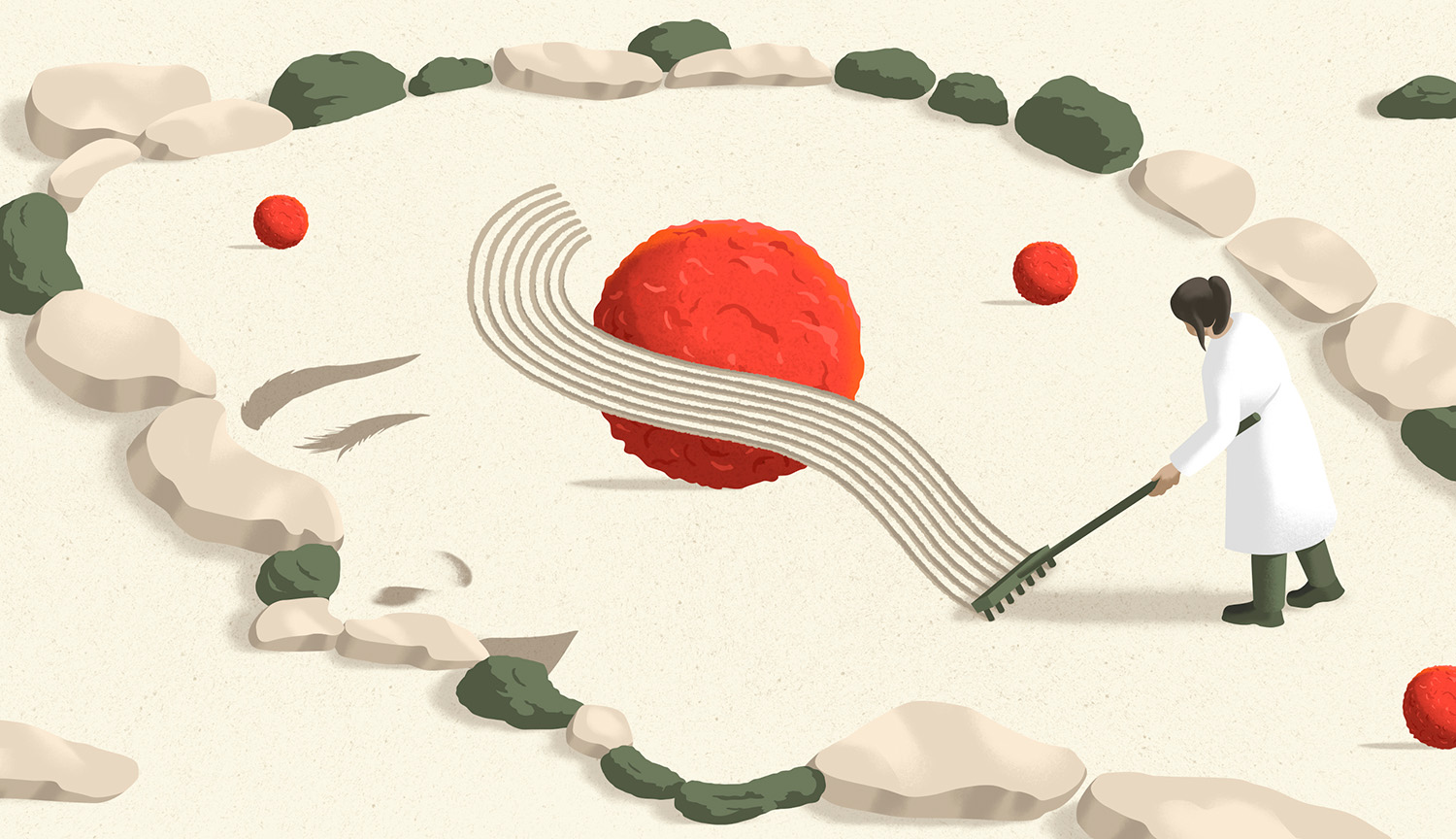
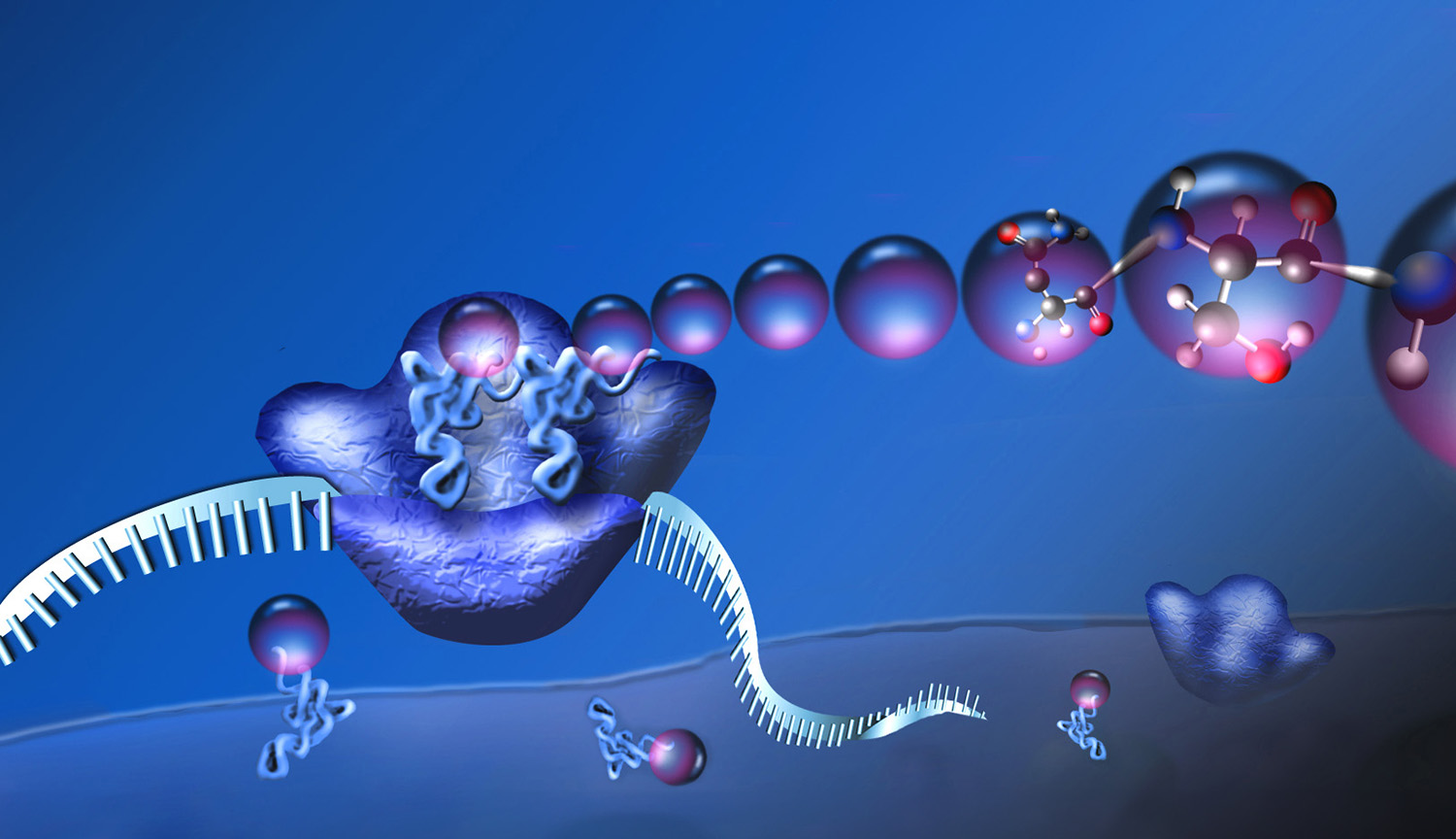
Once considered cellular junk, non-coding RNAs are emerging as key players in everything from brain development to cancer — with much still to be discovered
In a year of funding chaos, ongoing climate change and pollution perils, we also saw the most powerful telescope yet, personalized gene therapy, and the next-best-thing to an HIV vaccine — not to mention a brand-new color
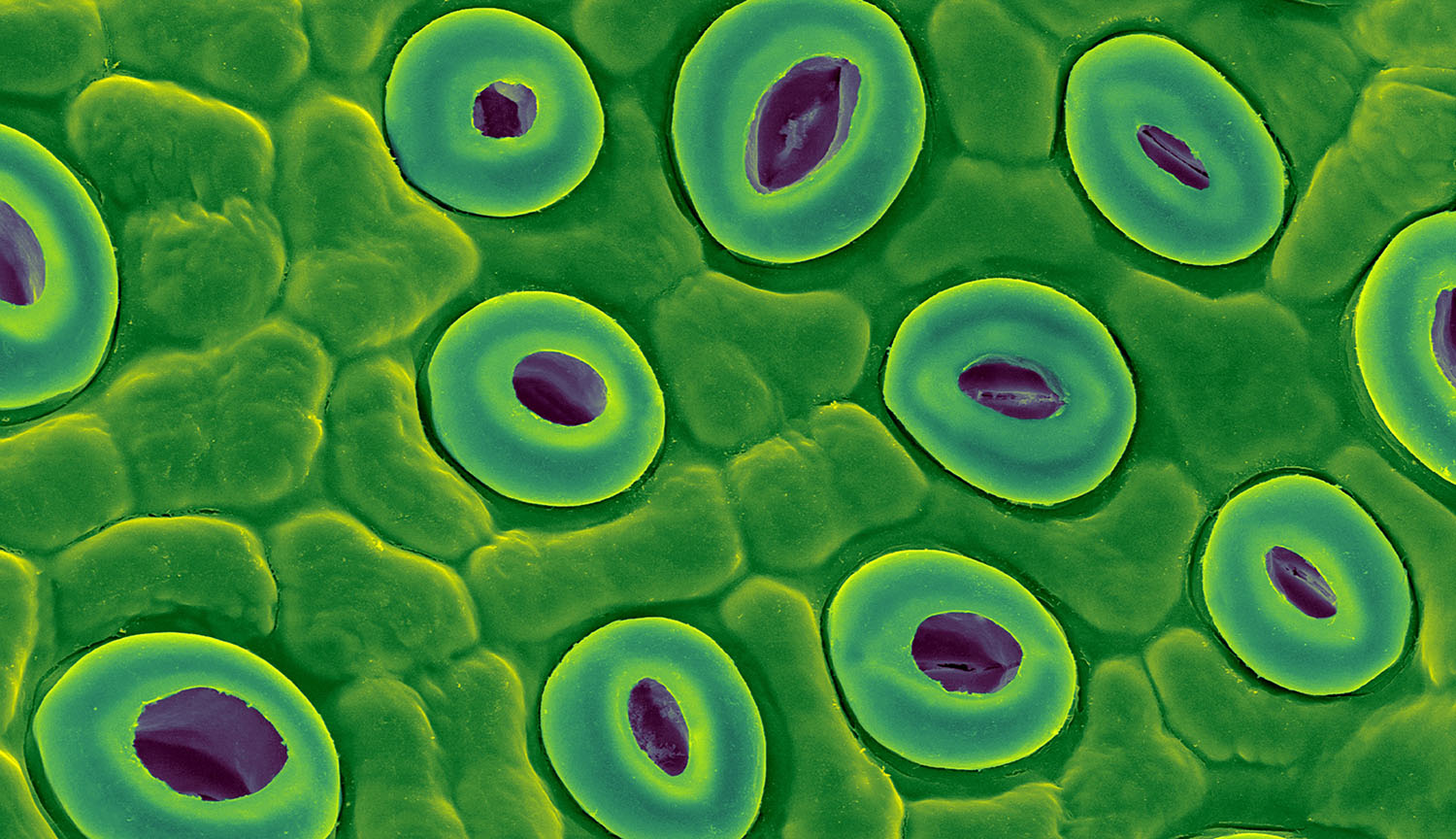
It’s not an open-and-shut case. But researchers are finding out plenty by genetically altering the numbers of these openings, as well as simulating future atmospheres, and more.
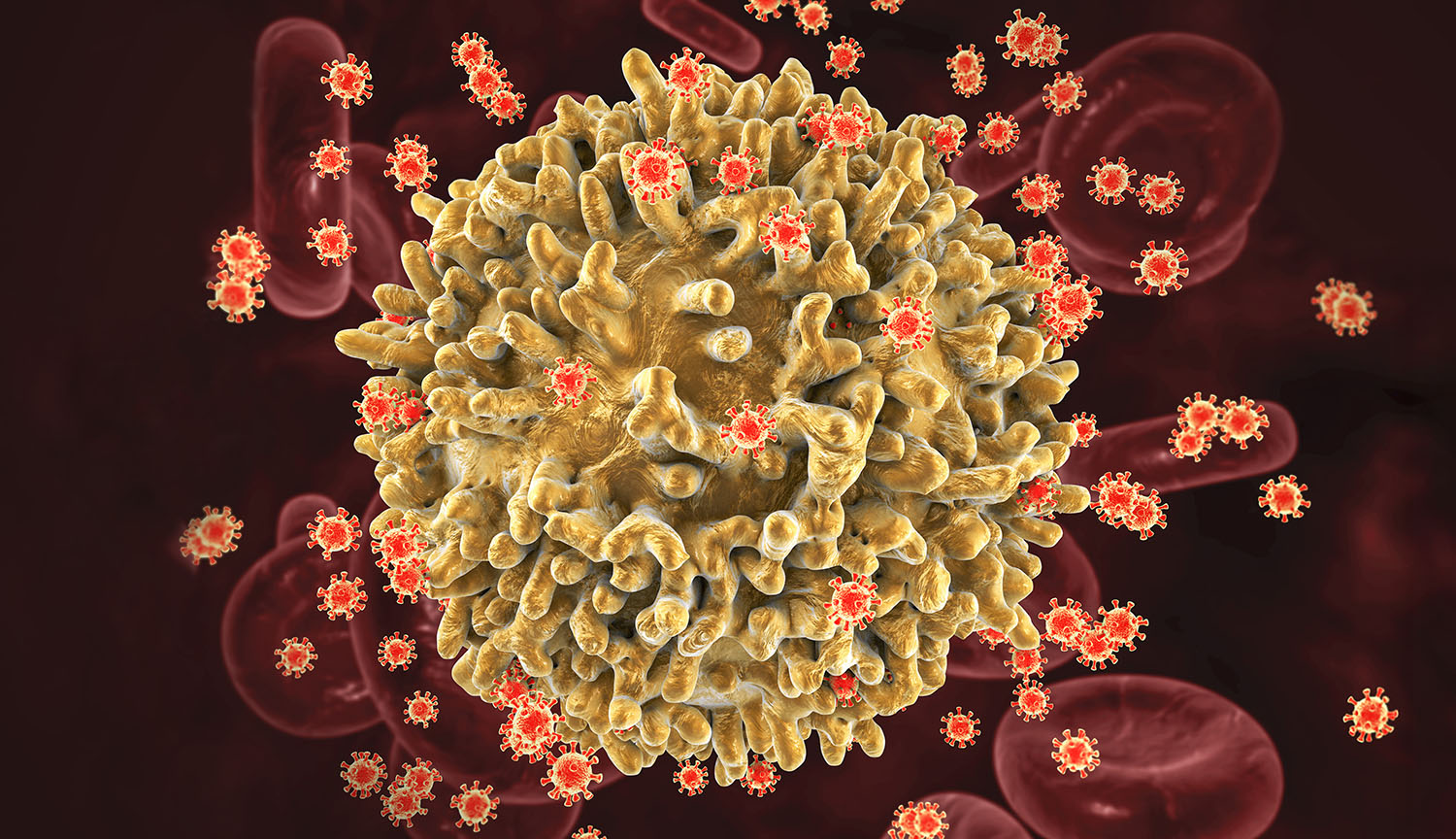
People infected with HIV must take antiretroviral drugs for life. But promising trials using engineered antibodies suggest that ‘functional cures’ may be in reach.
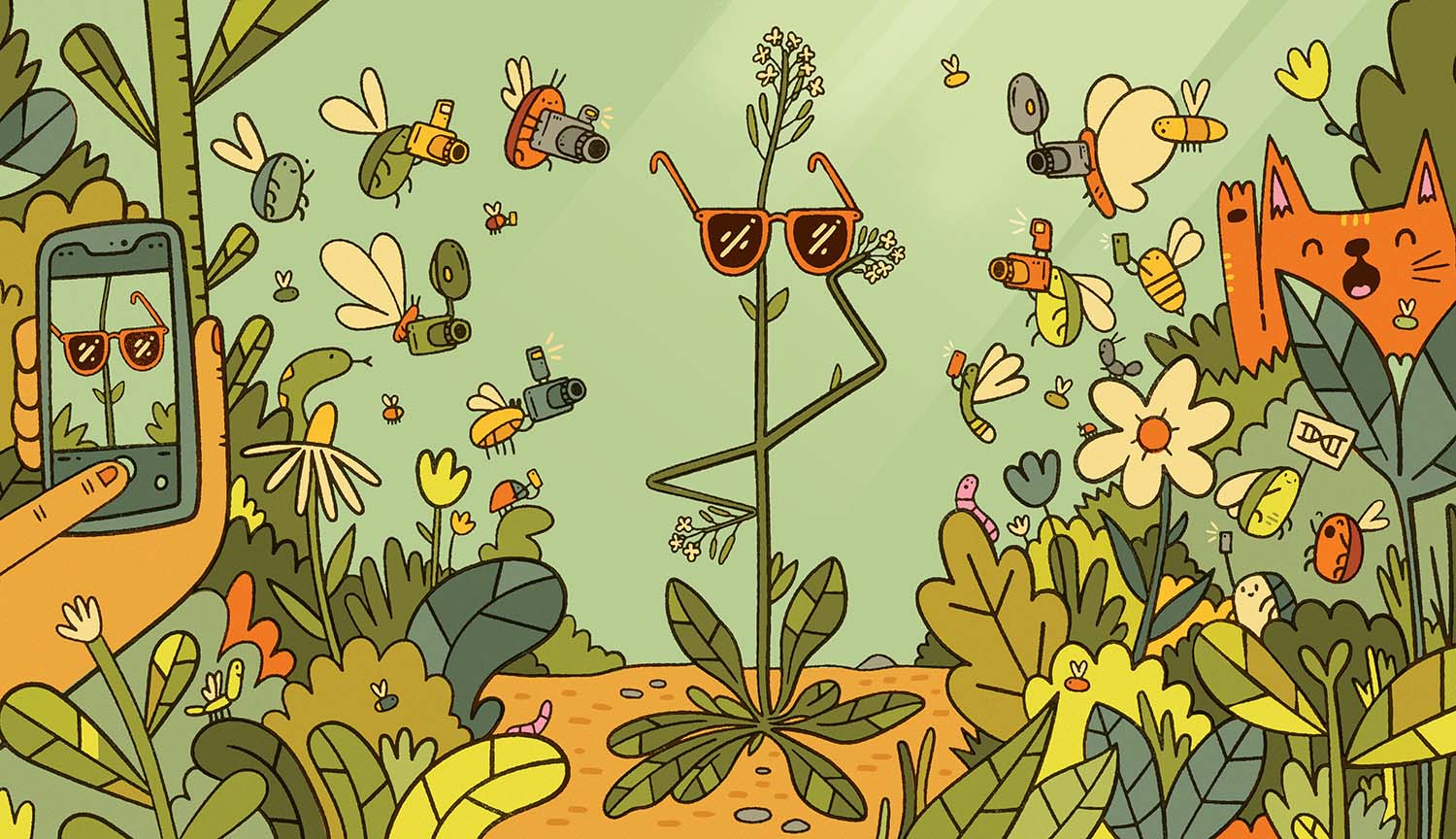
Arabidopsis thaliana was always an unlikely candidate for the limelight. But 25 years ago, the diminutive thale cress launched the botanical world into the molecular era.
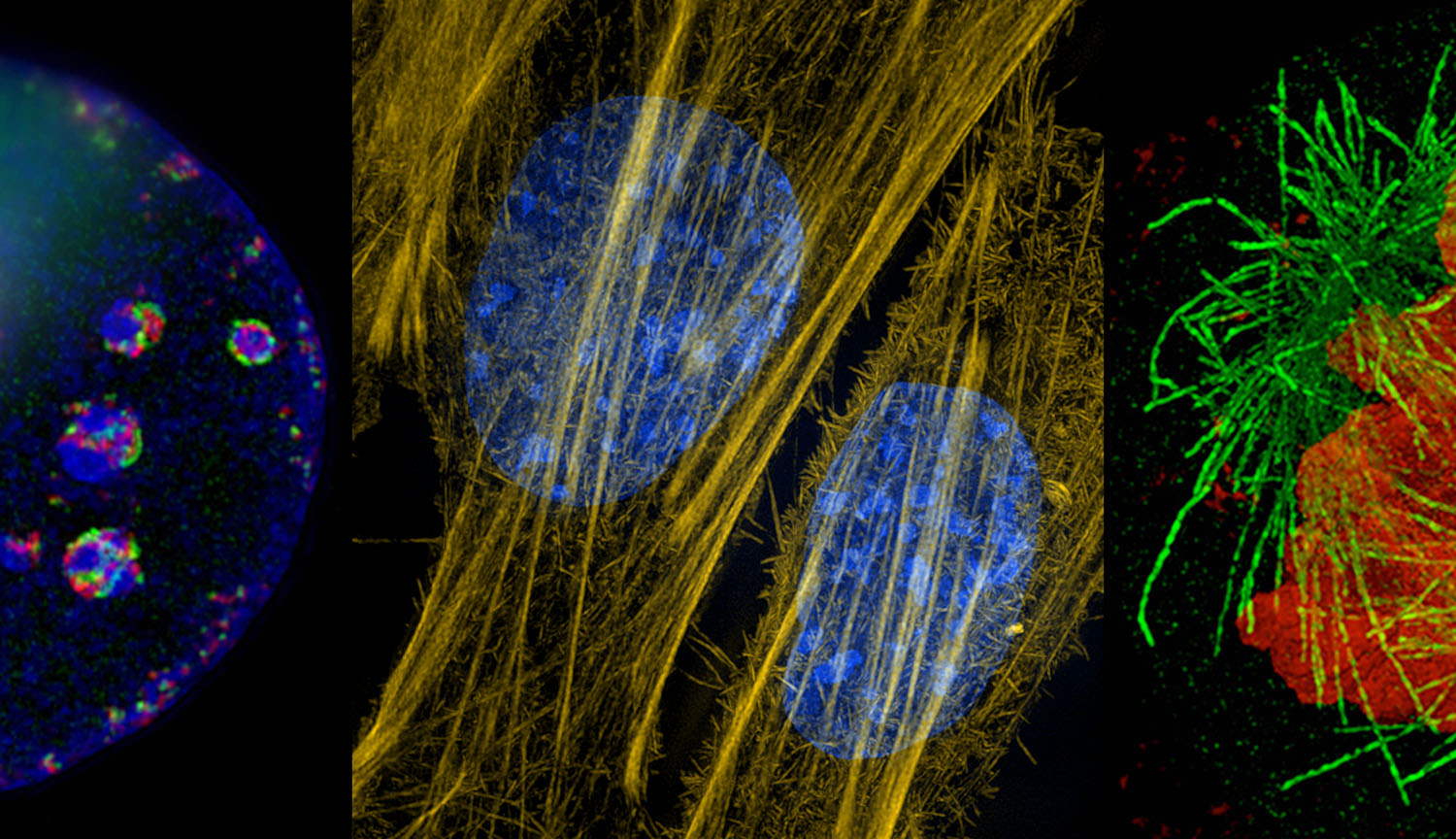
Advanced light microscopy techniques have come into their own — and are giving scientists a new understanding of human biology and what goes wrong in disease
Infusion of the tiny, sausage-shaped structures helps to rejuvenate tissues deprived of blood. Researchers hope the technique can treat a variety of damaged organs.
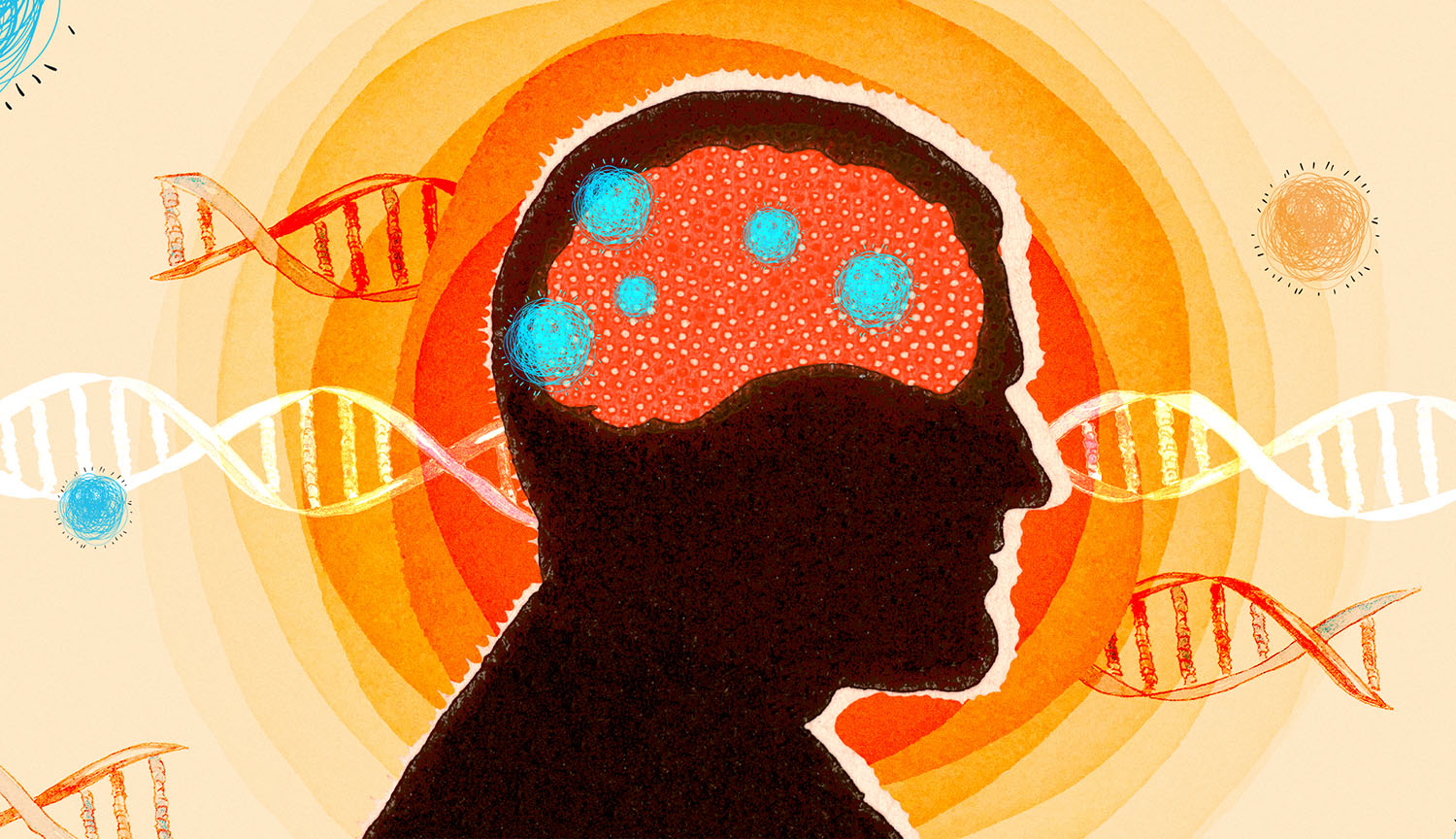
Our genomes are peppered with DNA segments called retrotransposons that can move from place to place. When unleashed, some can kill nerves and promote inflammation — a discovery that may inspire treatments for neurodegeneration.
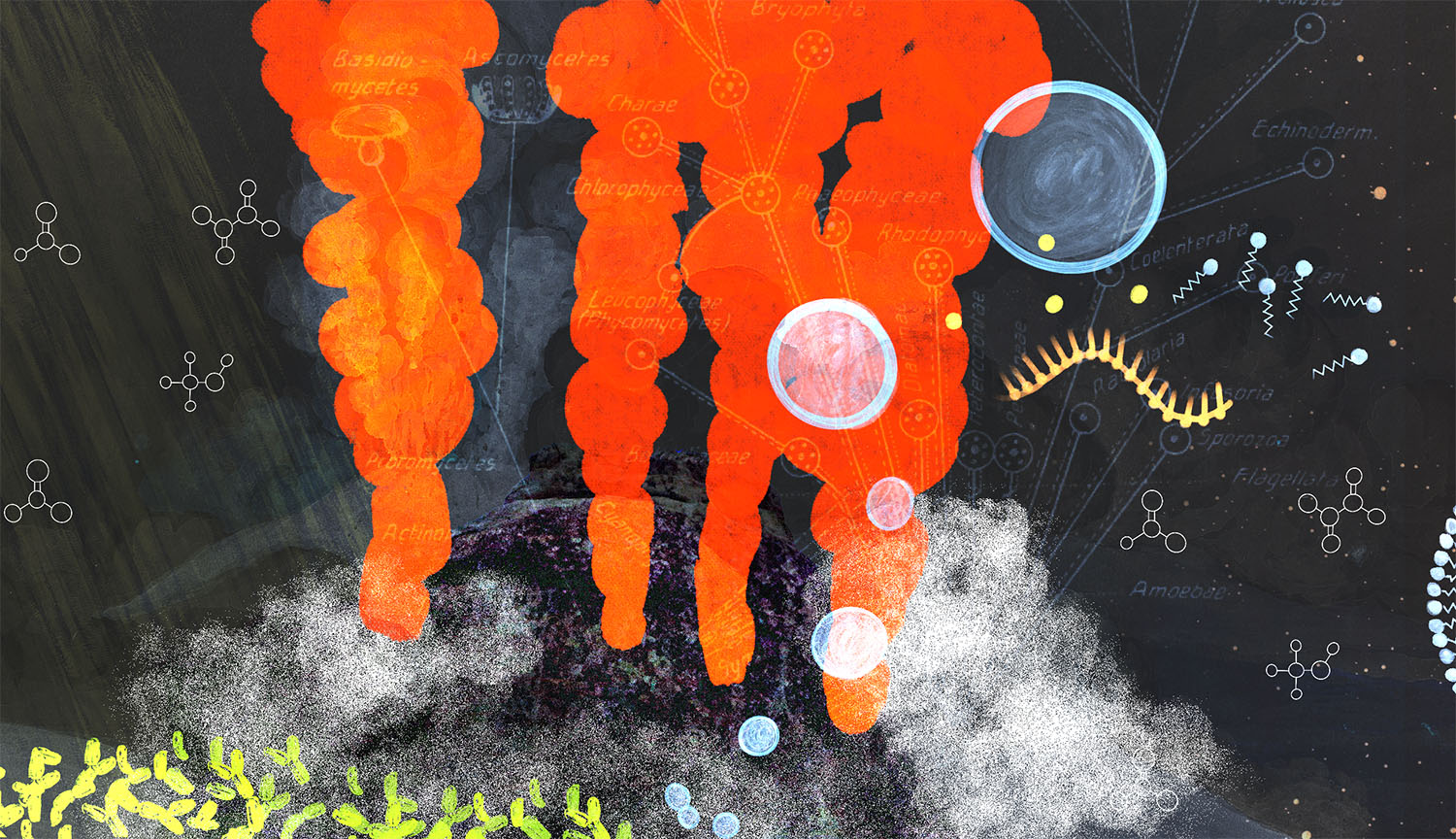
Some scientists propose that in the beginning, geochemistry gave way to biochemistry — with no genetic material necessary. Only later did RNA and DNA appear.
Picture your body: It’s a collection of cells carrying thousands of DNA errors accrued over a lifetime — many harmless, some bad, and at least a few that may be good for you.
Unusual variations in the cellular protein factory can skew development, help cancer spread and more. But ribosome variety may also play biological roles, scientists say.
One class of drugs has already found success in treating the painful, disorienting and common attacks. Excitement is building about a slew of additional drug targets.
To understand the origins of multicelled life, researchers are studying a motley assortment of simpler animal relatives. The commonalities they’re unearthing offer a trove of clues about our mutual past.
Some people of West African descent face a higher risk of renal failure. New drugs based on gene research may help right the ship — if they can reach everyone who needs them.
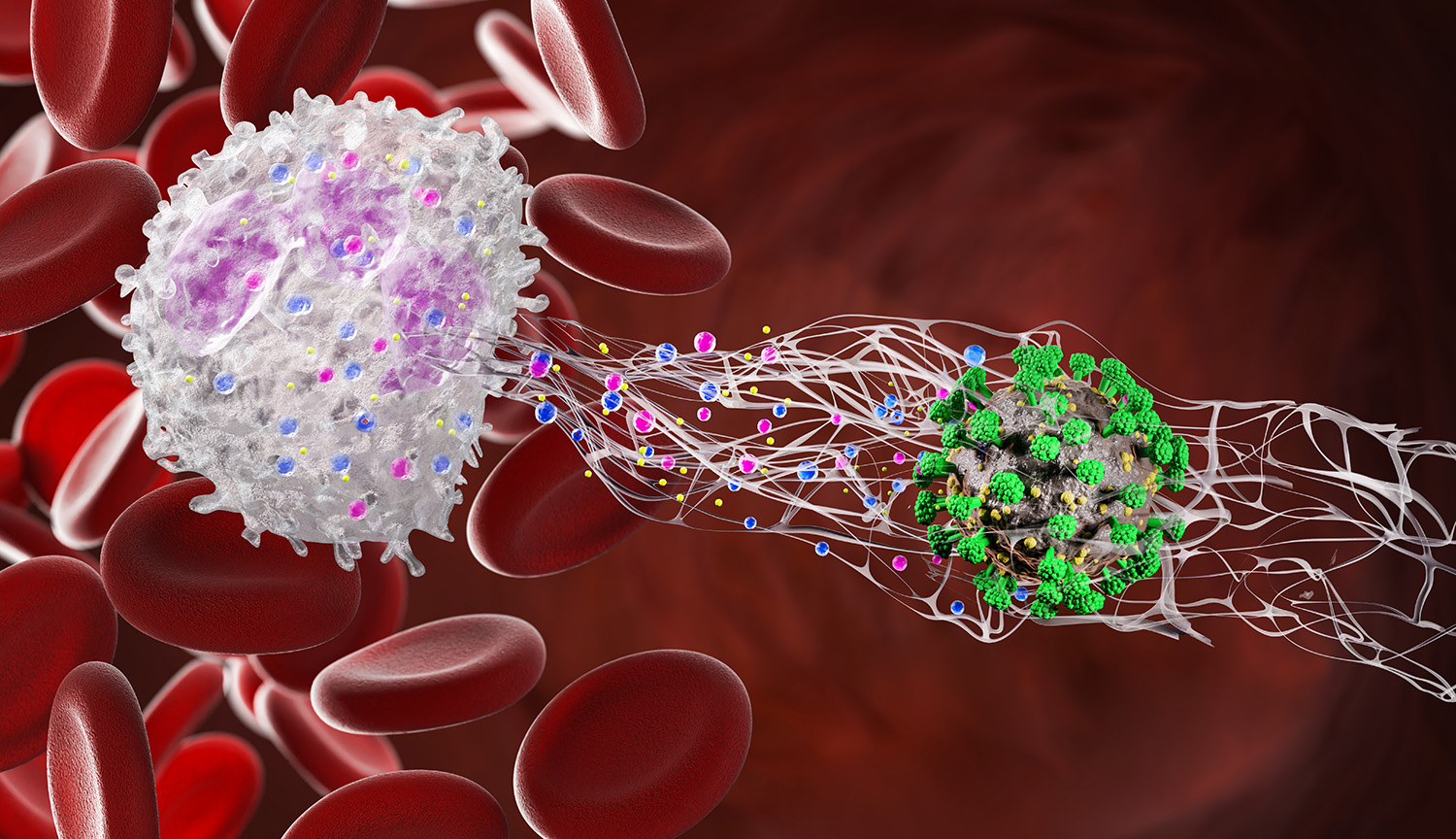
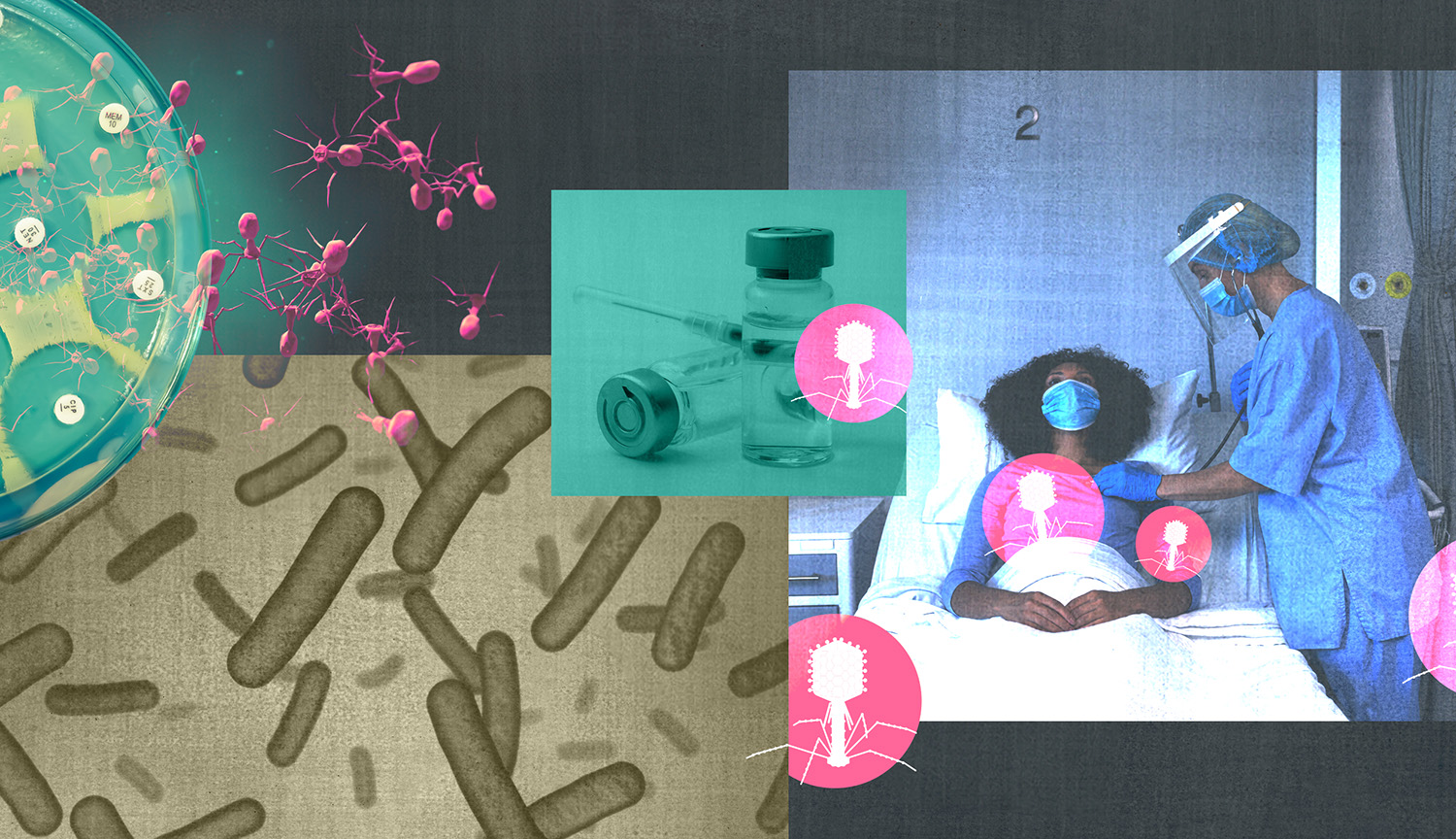
In promising experiments, phage therapy forces bacteria into a no-win dilemma that lowers their defenses against drugs they’d evolved to withstand
Close X
This is not a paywall.
Knowable Magazine is free to read. But just because our articles are free to read doesn’t mean they are free to produce. If you value our trustworthy science journalism, please support it with a donation.