cookies to track usage and preferences."
data-cookieaccepttext="I UNDERSTAND"
data-cookiedeclinetext="Disable Cookies"
data-cookiepolicytext="Privacy Policy">
Keeping global warming to manageable levels will require removing carbon dioxide from the atmosphere and storing it somewhere else. The world’s oceans may be a promising option.
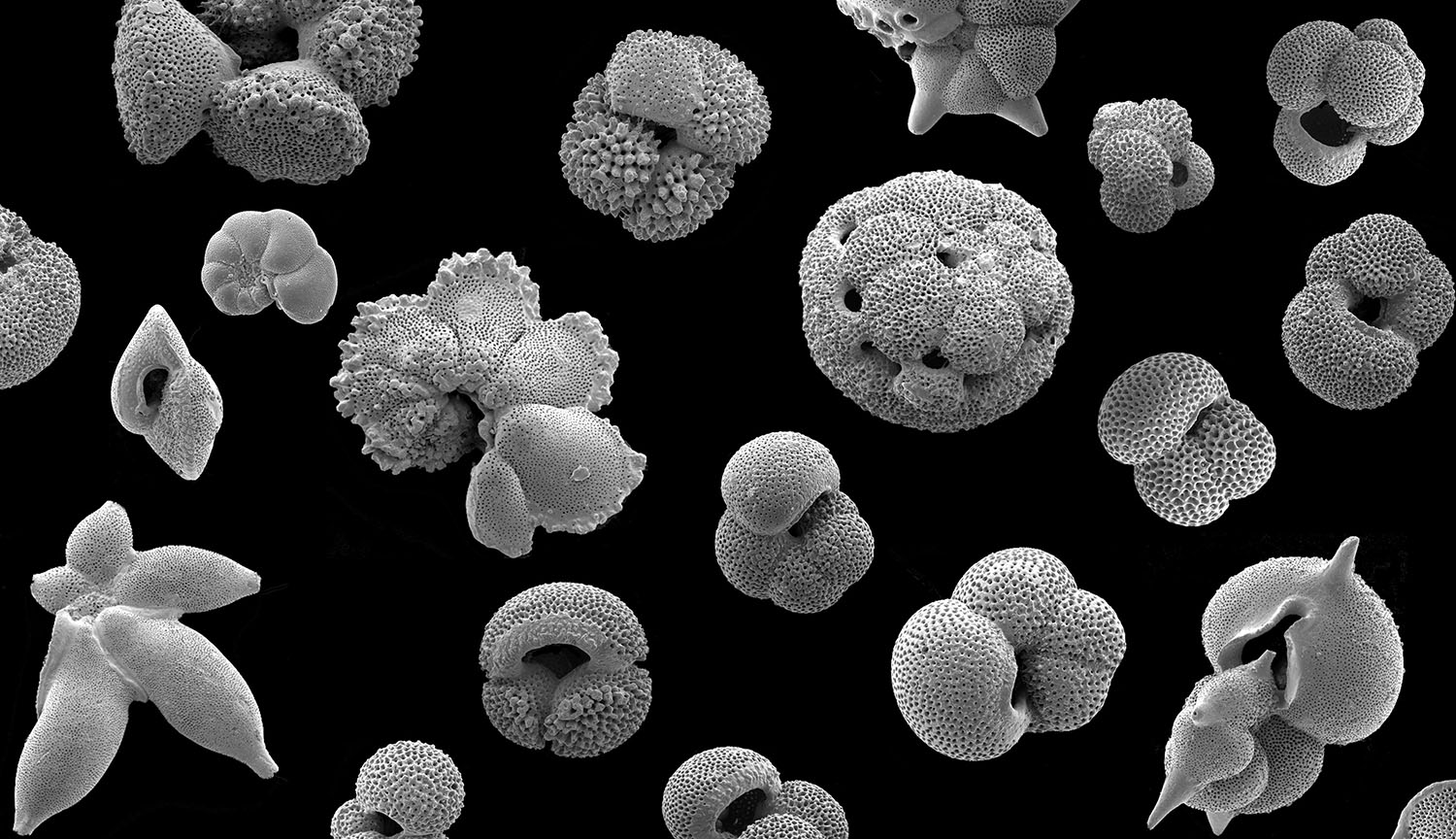
Researchers have long believed that a sudden, massive deluge filled a dry, salt-filled Mediterranean some 5 million years ago. Turns out that probably didn't happen, but there was still drama aplenty.
In a year of funding chaos, ongoing climate change and pollution perils, we also saw the most powerful telescope yet, personalized gene therapy, and the next-best-thing to an HIV vaccine — not to mention a brand-new color
It’s not an open-and-shut case. But researchers are finding out plenty by genetically altering the numbers of these openings, as well as simulating future atmospheres, and more.
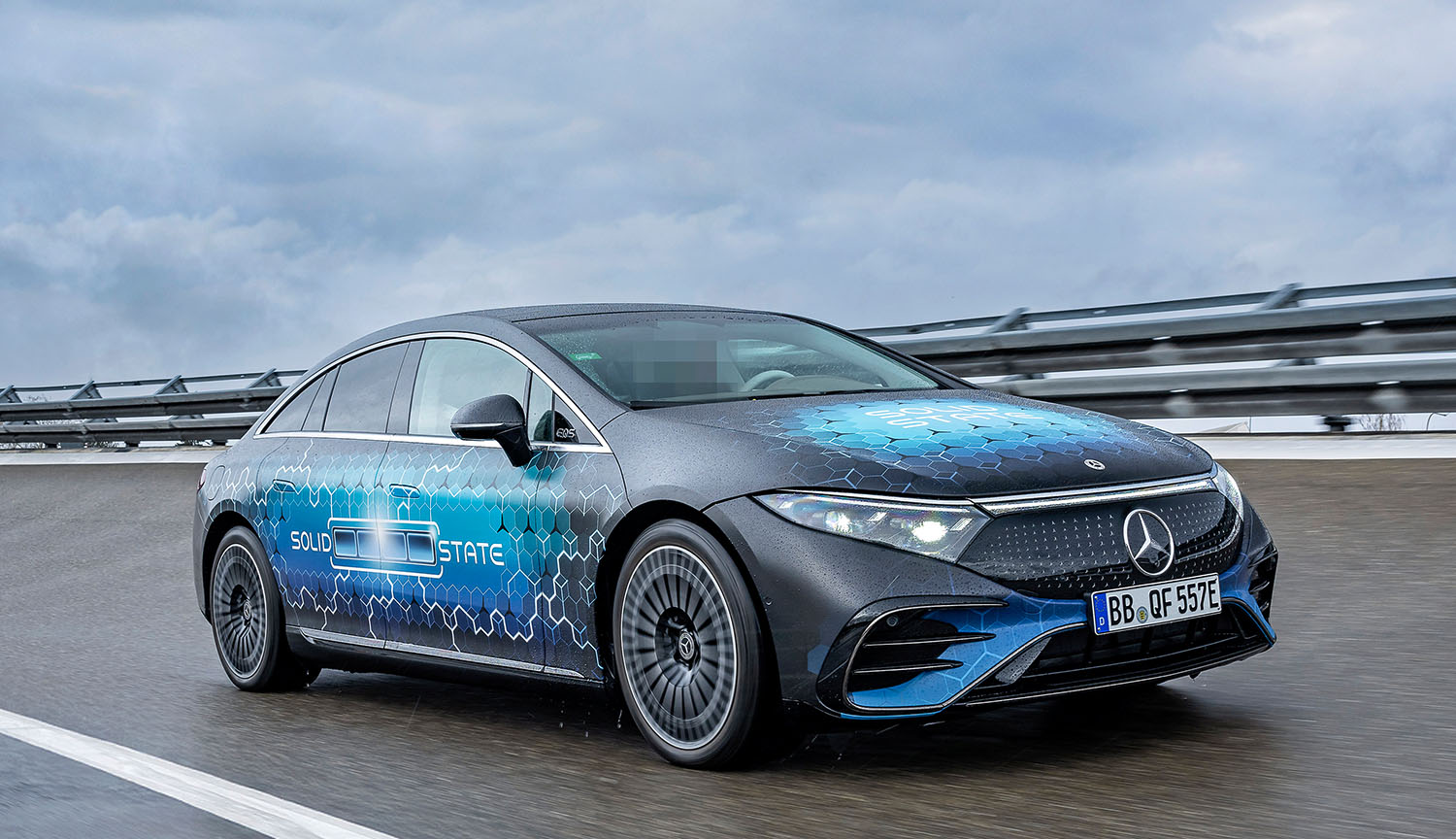
Superionic materials have spawned hope for a new generation of power packs for electric cars, with a promise of greater range, faster charges and more safety. But scaling up won’t be easy.
Small settlements and the scourge of slavery left gaps in Africa’s archaeological record. Yet sites and artifacts are revealing clues to the continent’s more recent history. An archaeologist explains the findings and threats to this heritage.
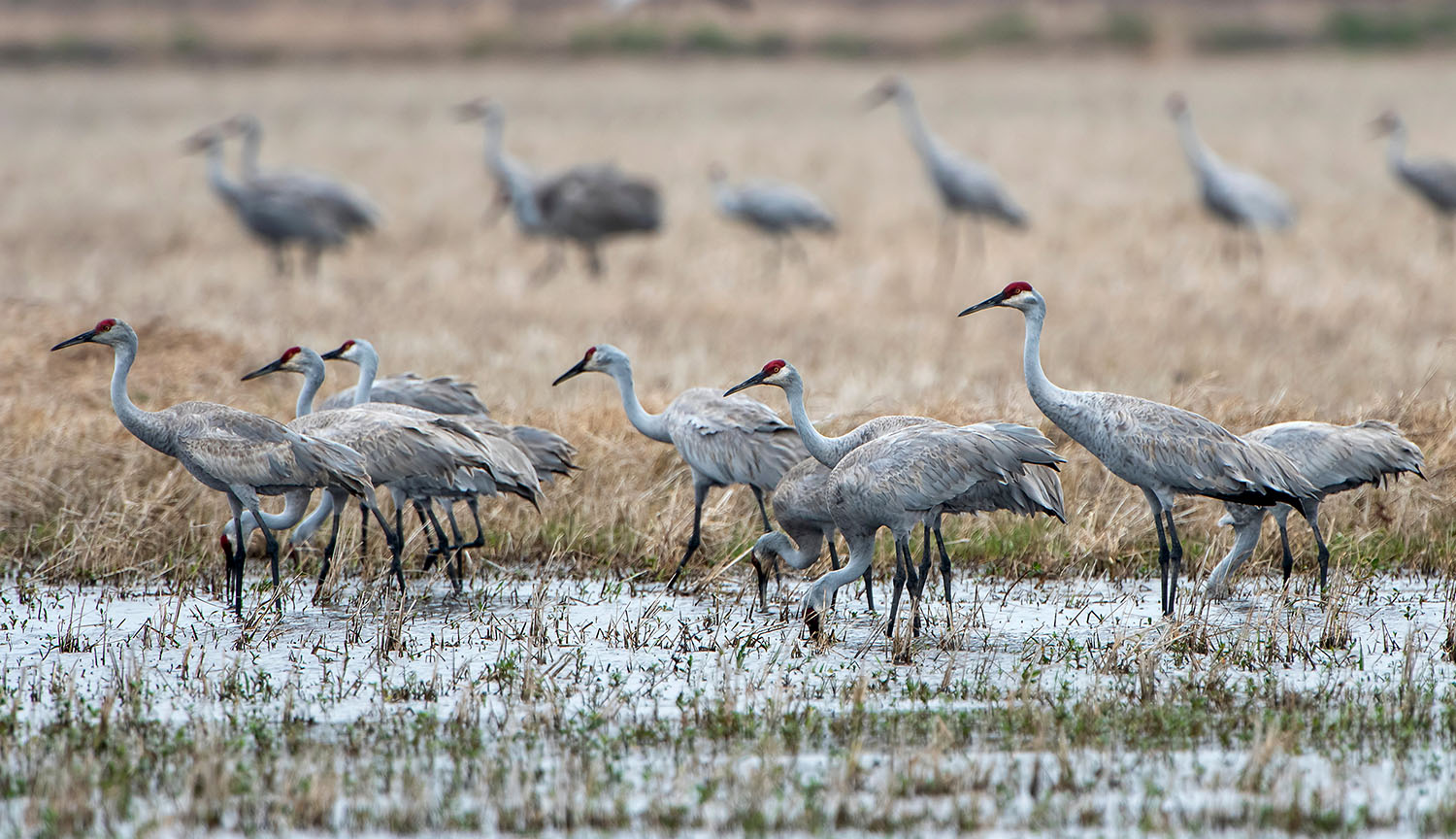
Cranes, sandpipers, ducks, geese and many other waterbirds have lost essential rest stops along their seasonal migration routes. Bird-friendly agriculture can assist in filling the gaps.
Carshares, bikeshares and the like are a positive for the environment, though access to them isn’t equal. What can be done to give everyone more transportation options?
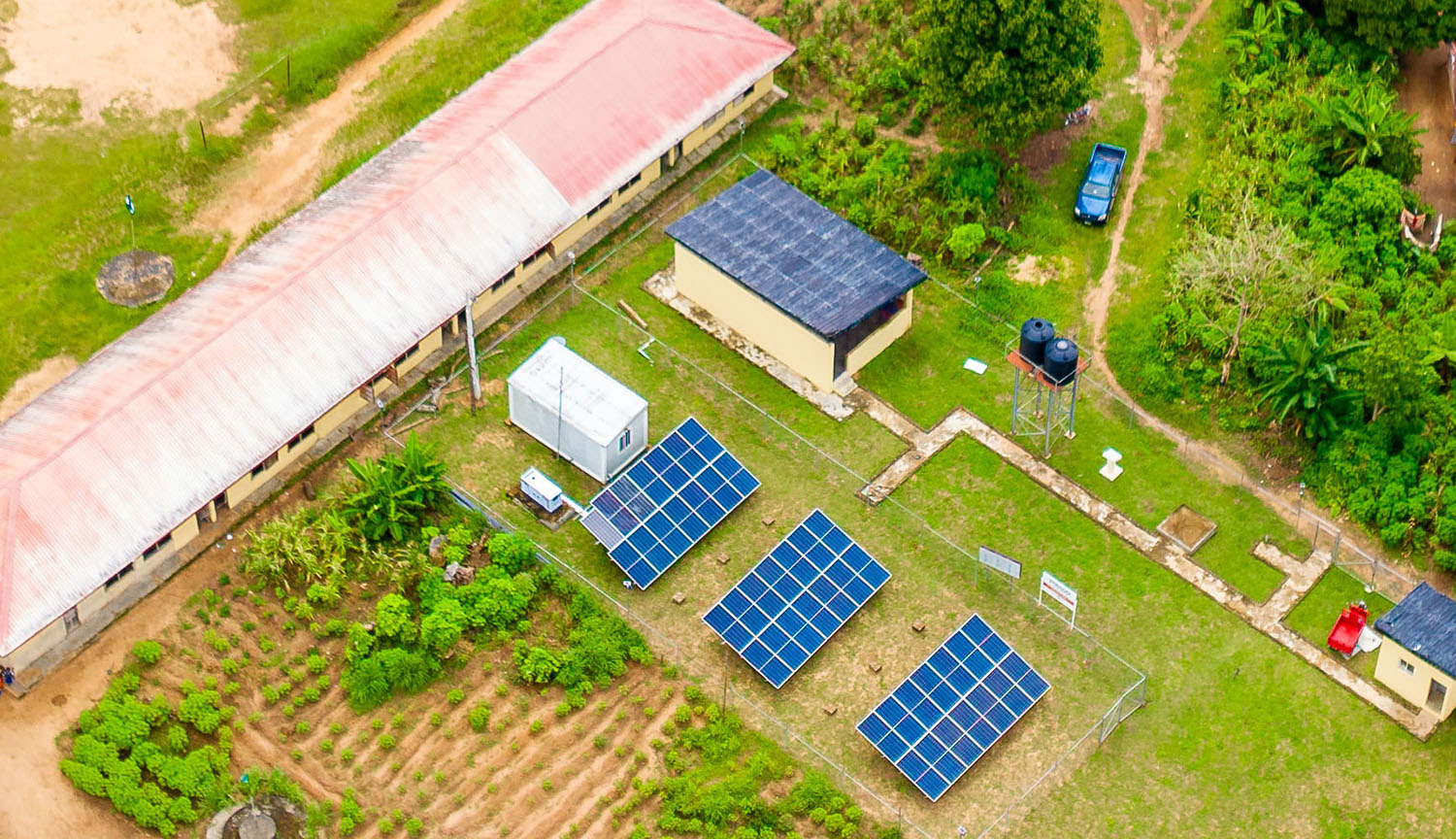
Nigeria is pioneering the development of small, off-grid solar panel installations to bring reliable electricity to remote communities — setting a model for other African countries
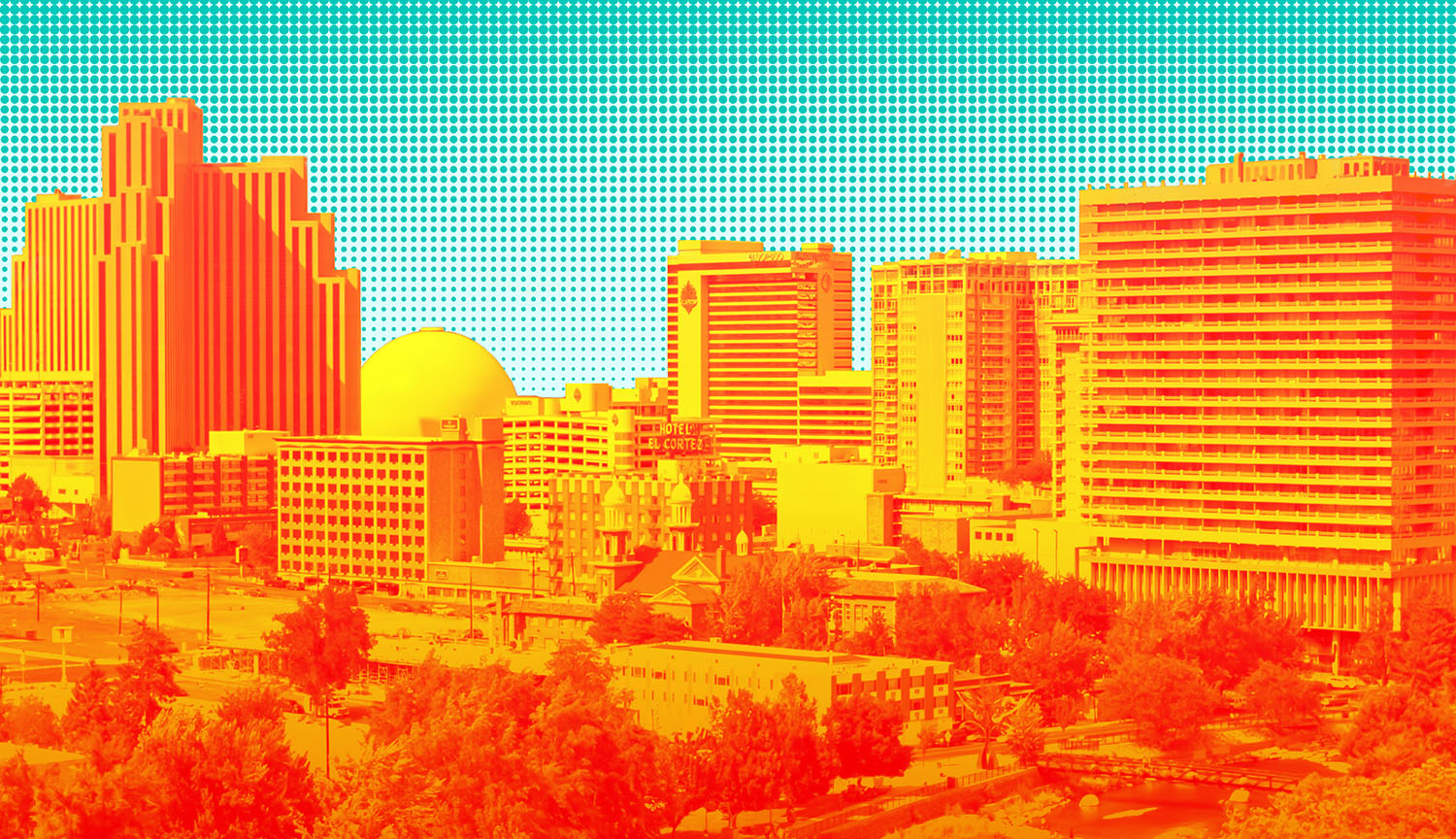
In metros like Reno, Nevada, citizen scientists hit the road to collect detailed temperature data — key to taming urban heat, saving lives and designing for a warmer future
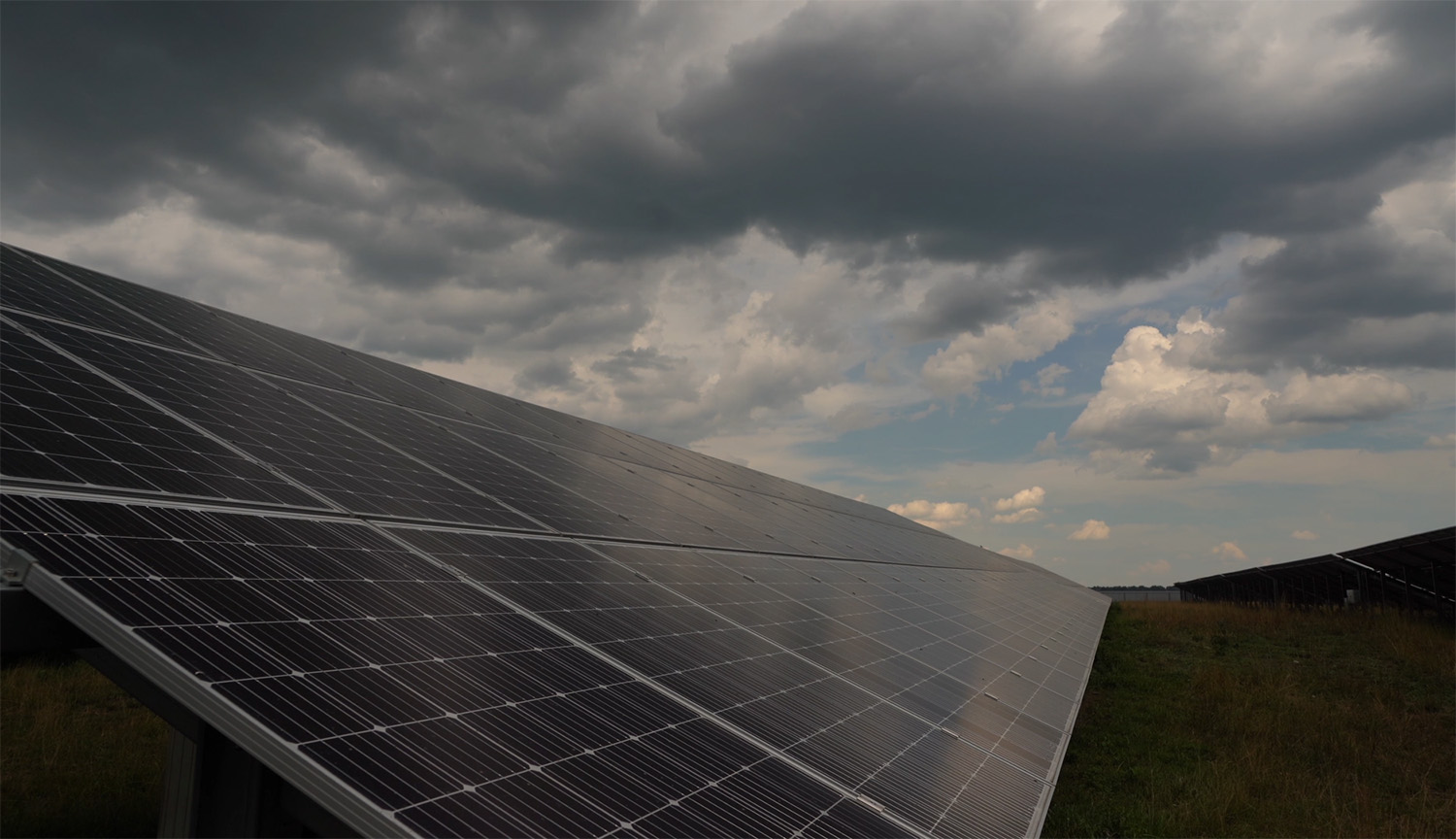
When the Sun doesn’t shine and the wind doesn’t blow, humanity still needs power. Researchers are designing new technologies, from reinvented batteries to compressed air and spinning wheels, to keep energy in reserve for the lean times.
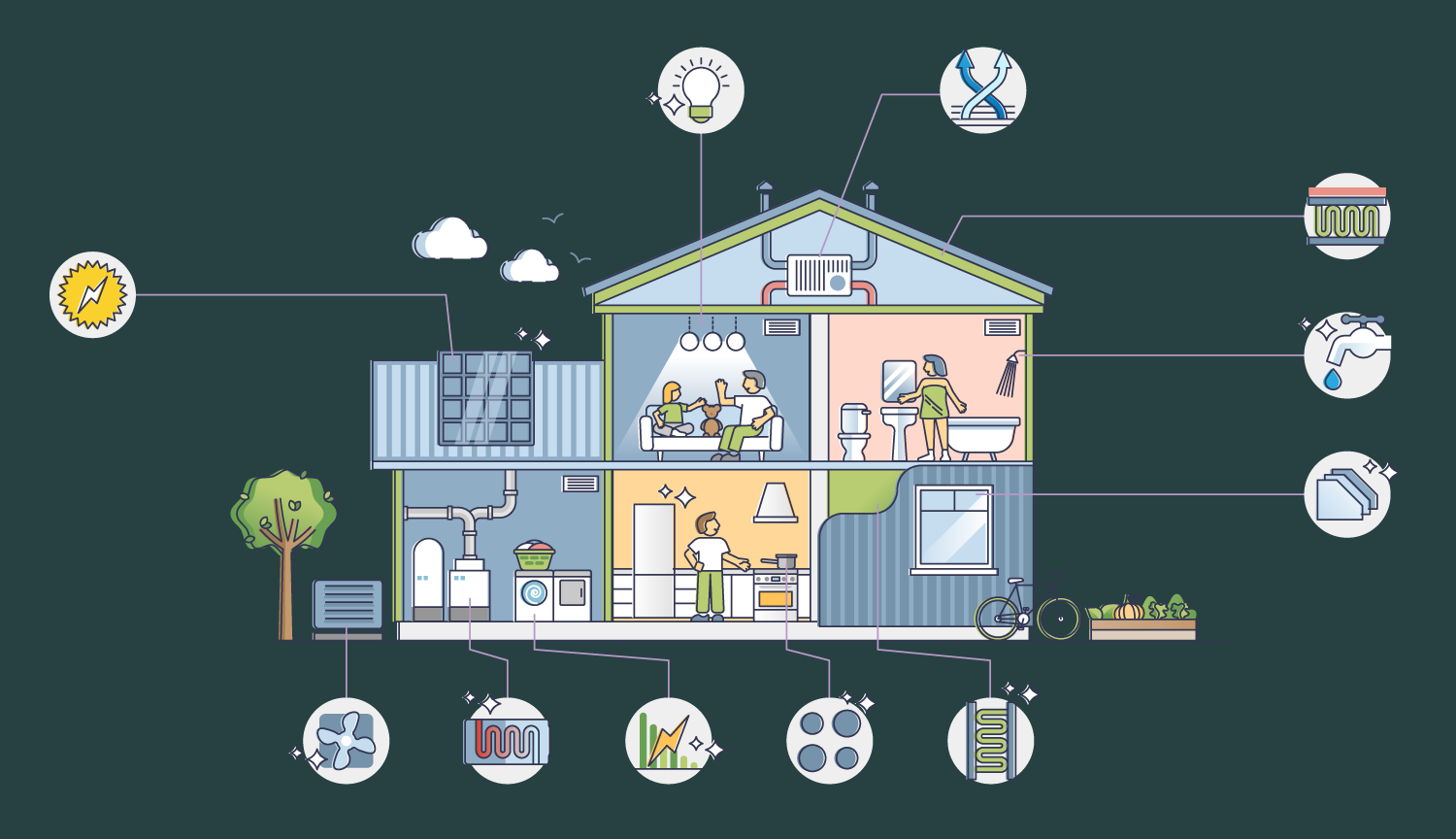
Getting our homes and workplaces to be energy efficient has major benefits — but not when it is done one window at a time. Here’s why deep retrofits and biomaterials are key to more sustainable living.
Miles away from the ocean, projects are afoot to clean up salty groundwater and use it to grow crops. Some say it’s a costly pipe dream, others say it’s part of the future.
We need new fuels to transport people and goods around the globe as society moves away from coal, natural gas and oil. Here’s how things are shaping up.
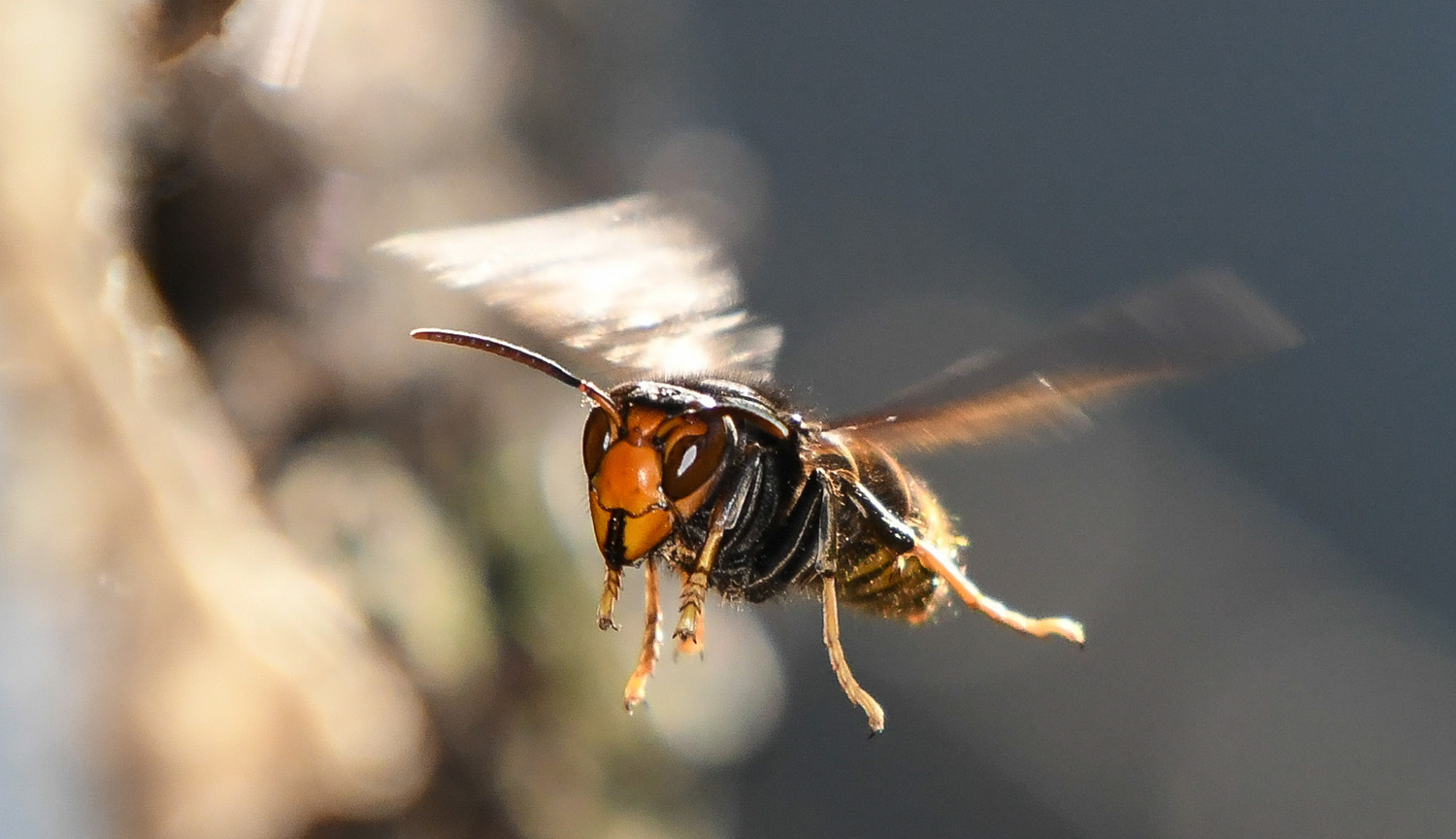
An invasive yellow-legged wasp has been decimating beehives in Europe — and bedeviling Georgia since last summer. Researchers are working nest by nest to limit the threat while developing better eradication methods.
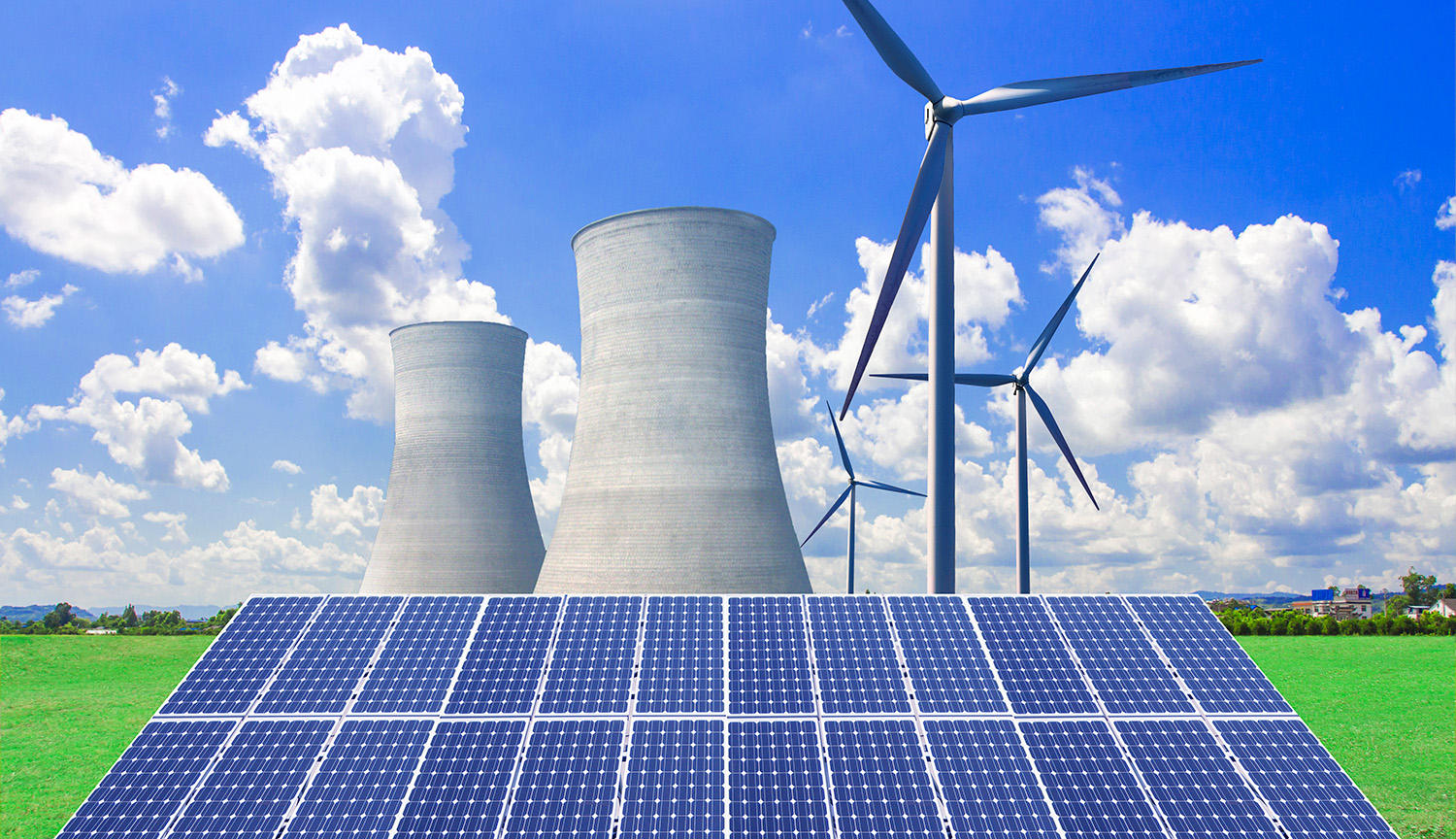
Is nuclear power a necessary part of the energy transition away from fossil fuels? As the debate rages on, new technologies and smaller reactors may be shifting the balance.
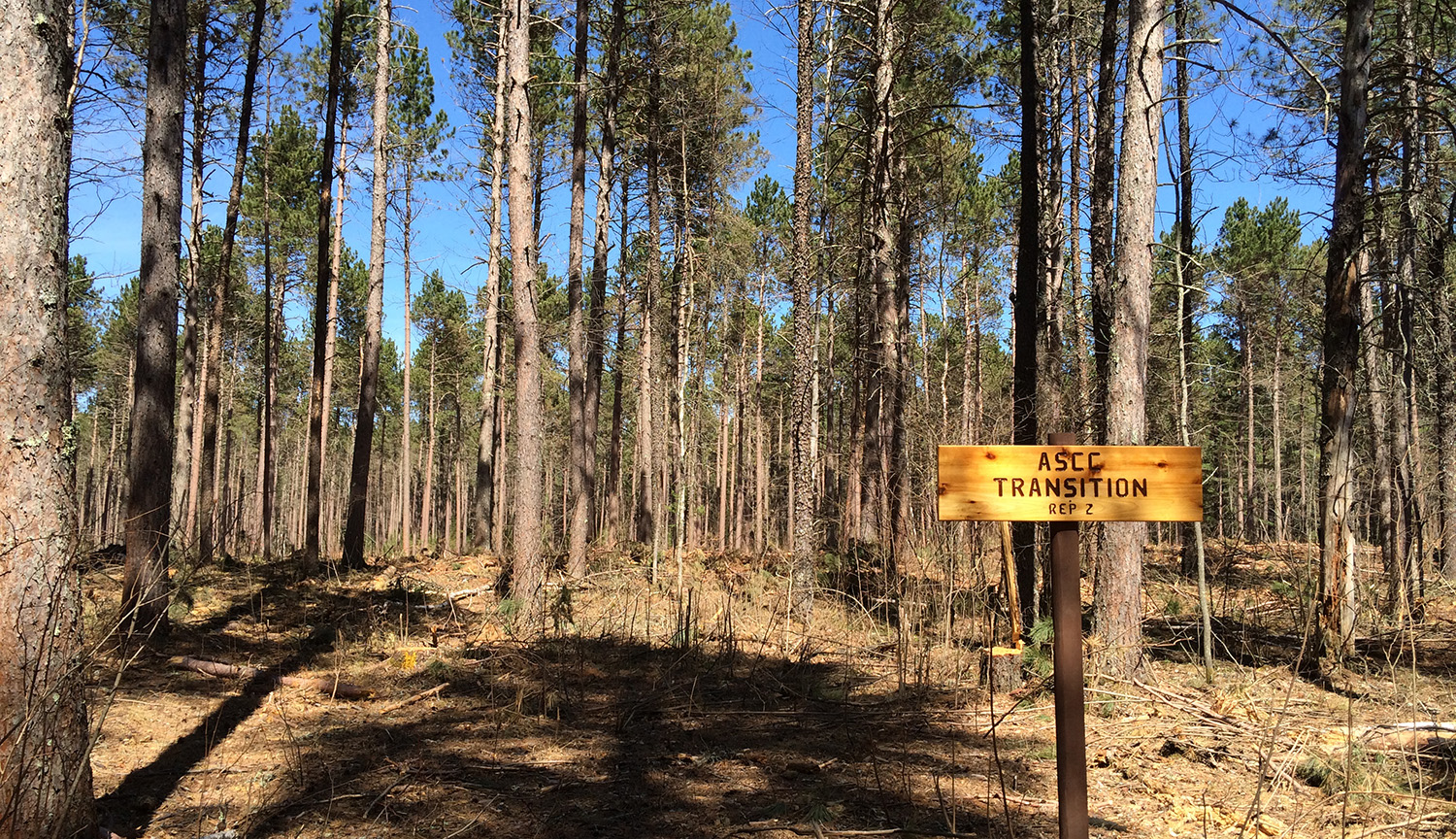
As the world warms, trees in forests such as those in Minnesota will no longer be adapted to their local climates. That’s where assisted migration comes in.
The bloc aims to become the first carbon-neutral continent. A new policy called CBAM will assist its ambitions — and may persuade other countries to follow in its footsteps.
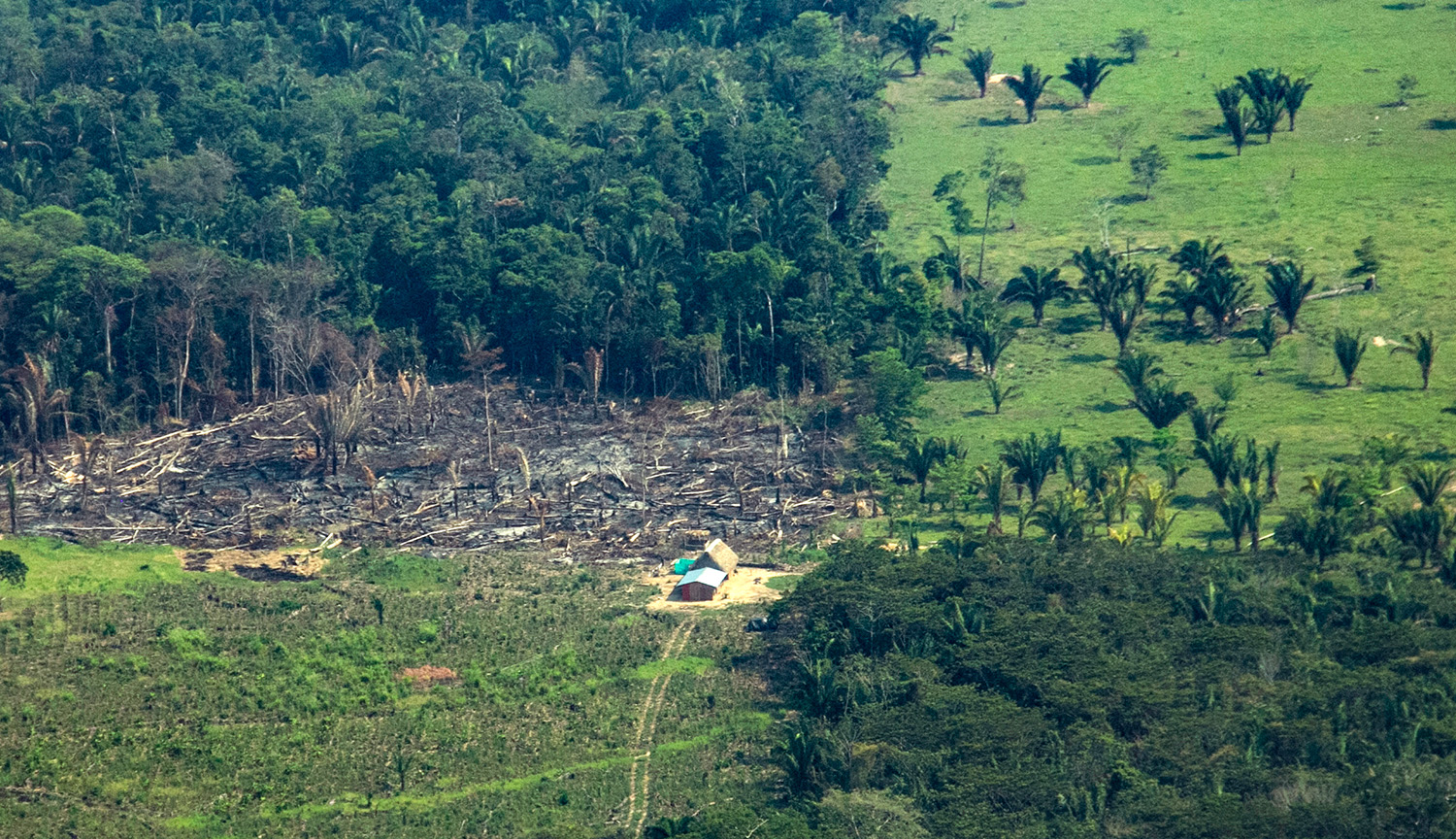
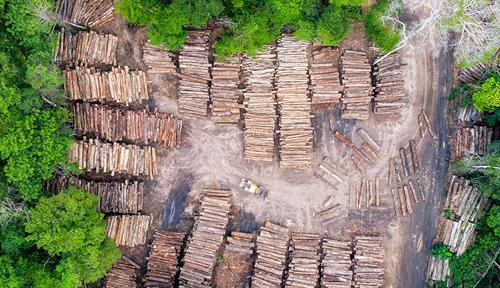
The South American country, where the biodiversity of the Andes meets that of the Amazon, is losing the great natural wealth of some 1,500 square kilometers of forest each year, mainly in areas formerly under guerrilla control
Peoples who live close to nature have a rich lore of plants, animals and landscapes embedded in their mother tongues — which may hold vital clues to protecting biodiversity
OPINION: International commerce and travel bring ecological destruction to the world’s most cherished natural places. We need to do more to stop the assault.
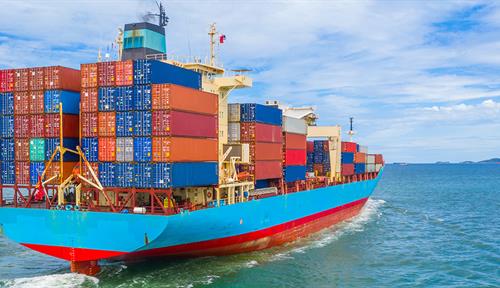
An international treaty aims to bring the shipping industry to net-zero emissions by around 2050. Can novel fuels, wind power and coordination on a global scale get it there?
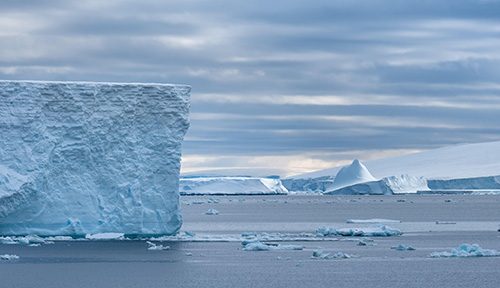
As glacial cliffs break off and destabilize frozen landscapes, glaciologist Richard Alley focuses on the fractures. The work could improve predictions about future sea-level rise.
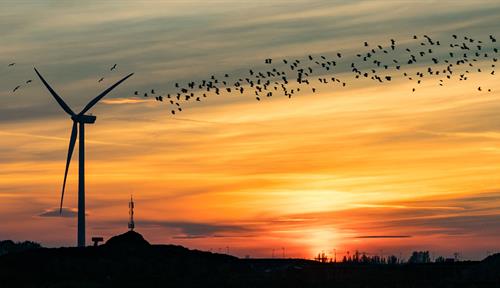
As wind power grows around the world, so does the threat the turbines pose to wildlife. From simple fixes to high-tech solutions, new approaches can help.
Scientists have been chasing the dream of harnessing the reactions that power the Sun since the dawn of the atomic era. Interest, and investment, in the carbon-free energy source is heating up.
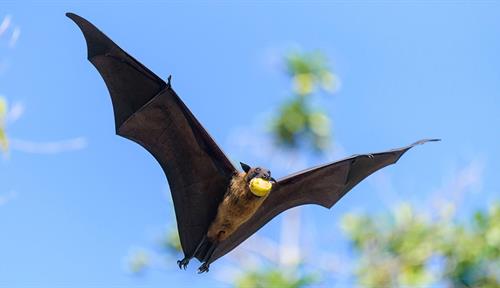
Lots of them depend on fruit-eating birds and mammals to spread their seeds. But it’s debatable whether the animals — many in trouble themselves — can disperse seeds far and fast enough to keep pace with a warming world.
Native peoples attuned to the natural world have long collected detailed environmental information. Now scientists are cataloging these observations and learning how they’re affecting Indigenous communities globally.
Evidence that the approach helps to save trees, preserve ecosystems and reduce carbon emissions is often hard to come by. But it can succeed if it’s done right, says an economist.
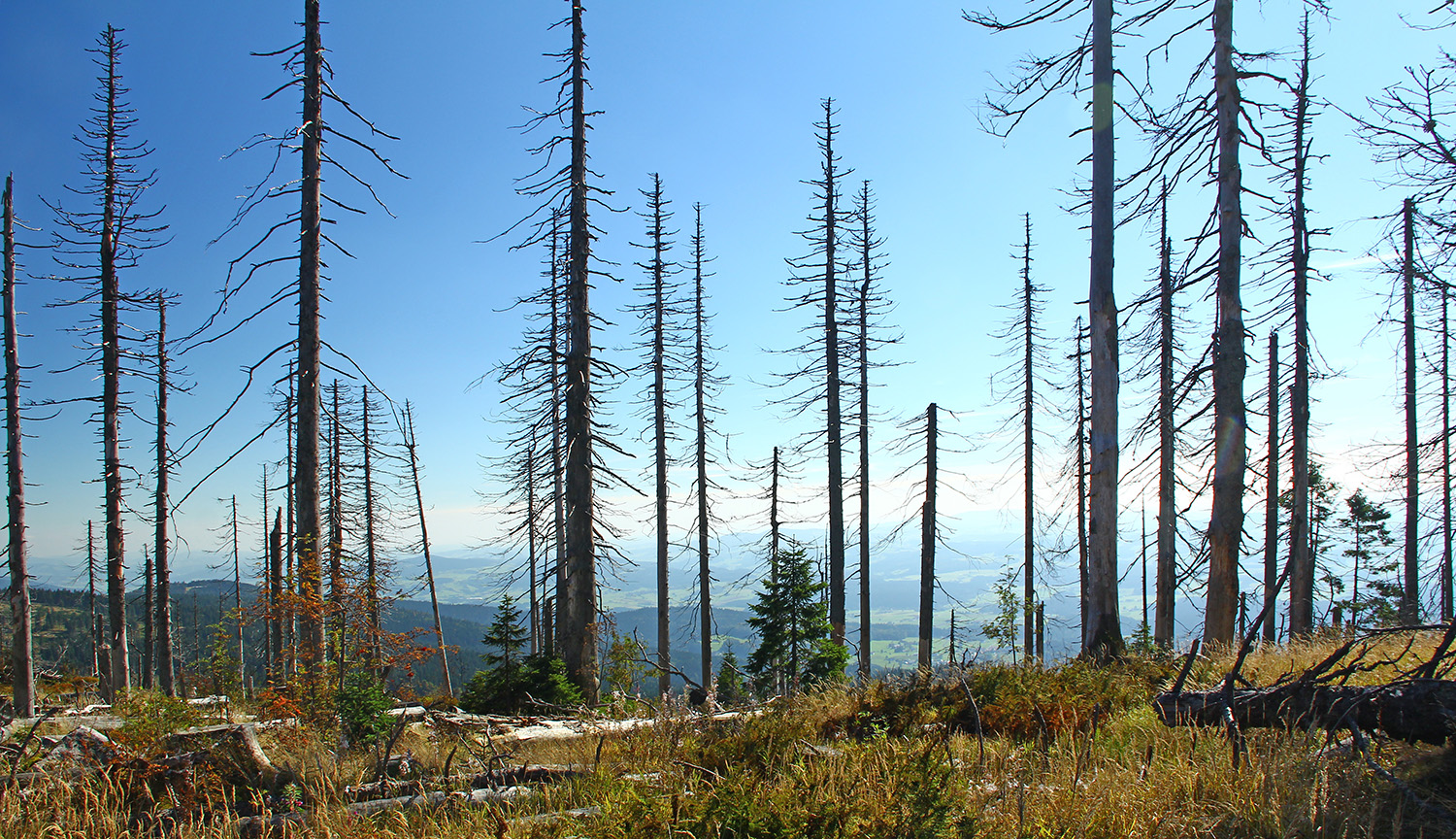
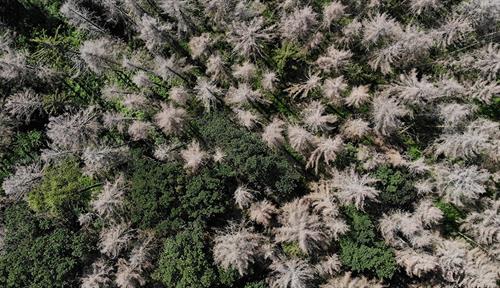
Forests once deemed resilient are suffering surprising die-offs. To predict the fate of the world’s woods in the face of climate change, researchers need to understand how trees die.
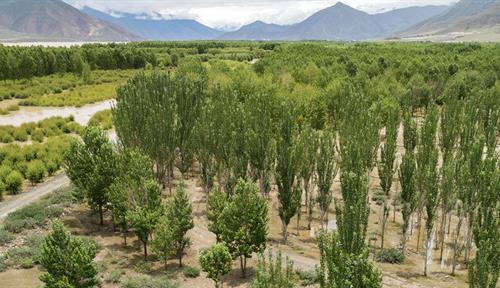
OPINION: The notion of planting miles of trees to hold back encroaching deserts is misguided and damaging; we should promote programs that secure livelihoods and respect dryland ecologies instead
Close X
This is not a paywall.
Knowable Magazine is free to read. But just because our articles are free to read doesn’t mean they are free to produce. If you value our trustworthy science journalism, please support it with a donation.