cookies to track usage and preferences."
data-cookieaccepttext="I UNDERSTAND"
data-cookiedeclinetext="Disable Cookies"
data-cookiepolicytext="Privacy Policy">
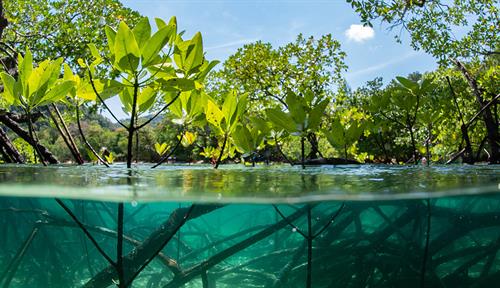
These carbon-hoarding, coastline-protecting forests are sponges for greenhouse gases. Doing plantings right and involving local communities are key to saving them.
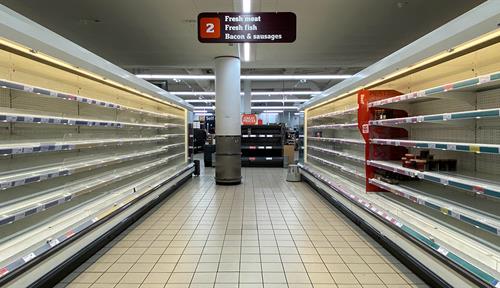
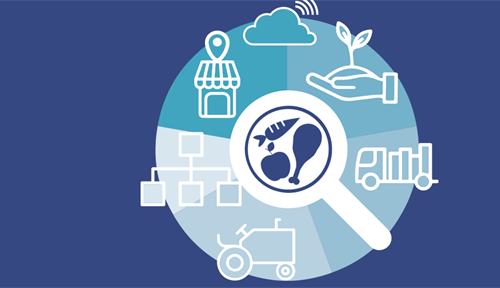
Covid-19 has been a stress test for the world’s food supply chains — and a preview of looming threats. That’s making efforts to improve the journey from farm to fork more urgent than ever.
VIDEO: Watch our conversation about the pandemic’s effect on global food supplies and distribution, and how we might prevent future crises arising from climate change
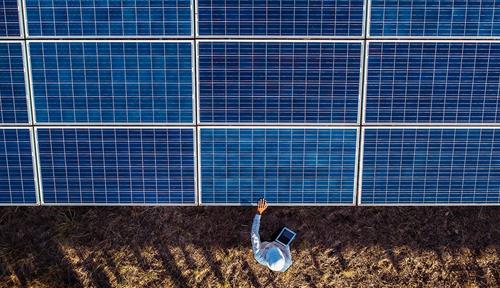
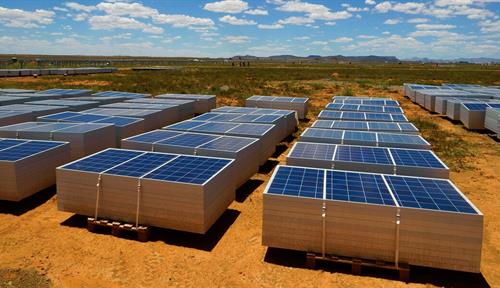
PODCAST: Once fringe and futuristic, this renewable energy shines brightly today as a cheap and efficient source of energy. Still, it remains controversial — for much different reasons. (Season 1/Episode 3)
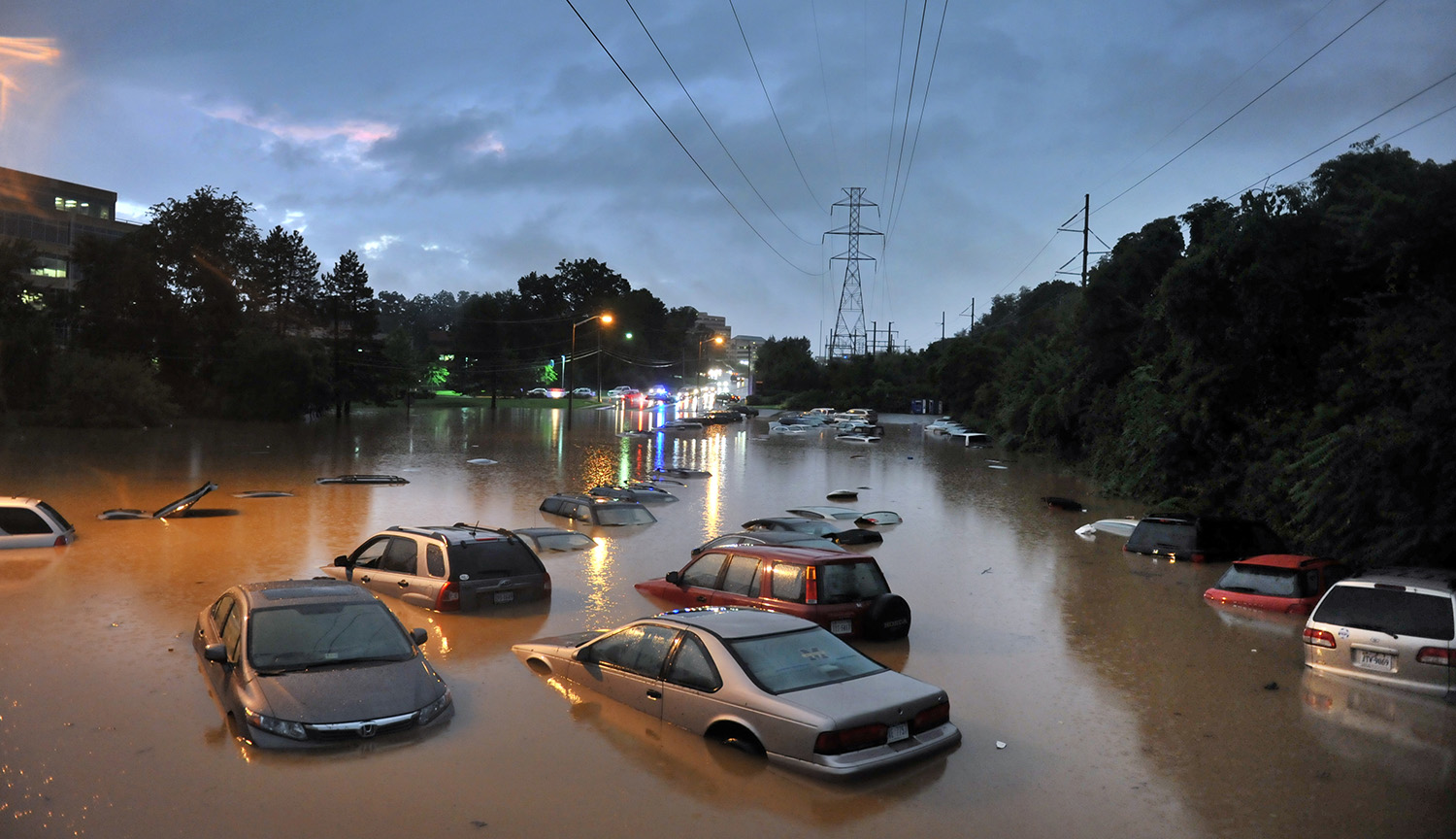
As the threat of coastal flooding grows, scientists are responding with an inundation of data. Faster and more accurate forecasts can save lives and property.
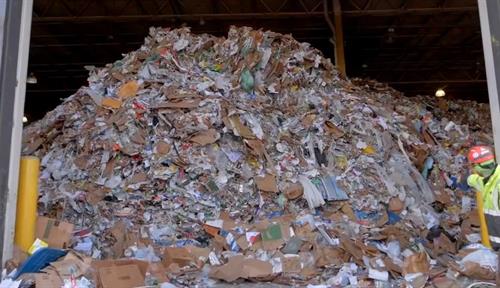
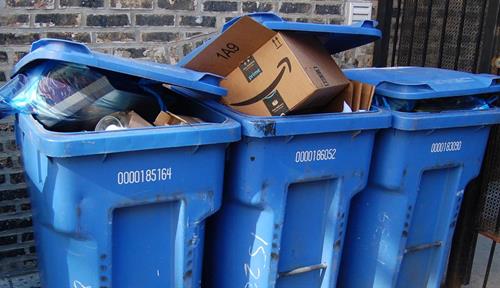
VIDEO: Diverting recoverable materials helps keep trash from overwhelming landfills, but the industry still faces many challenges. Consumer education, innovative technologies and turning wastes to energy can help manage the rubbish problem.
Modern industry has made great strides in turning trash into tomorrow’s new products, but the process is still a long way from perfect. New technologies can help. Plus, updates on chemical recycling, design for recycling and dirty recycling.
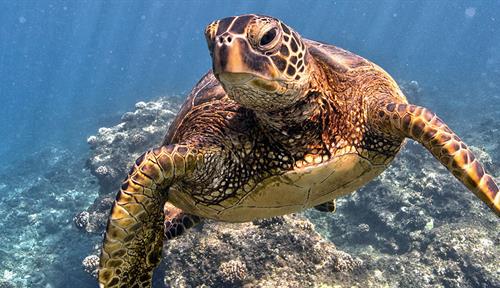
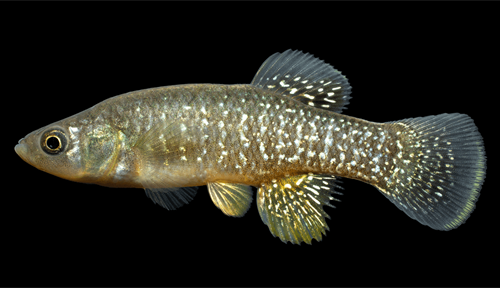
Where other species succumbed, the killifish survived contaminated habitats. It’s a finding that could help researchers understand environmental risk factors for humans.
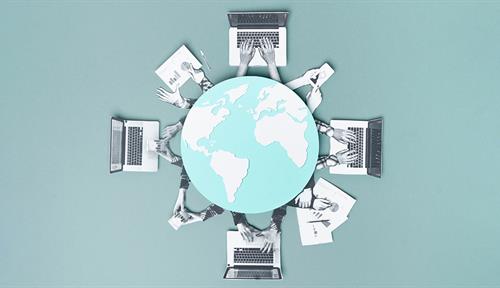
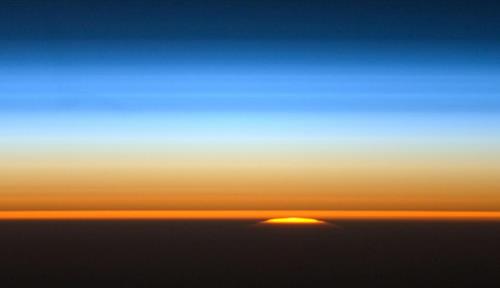
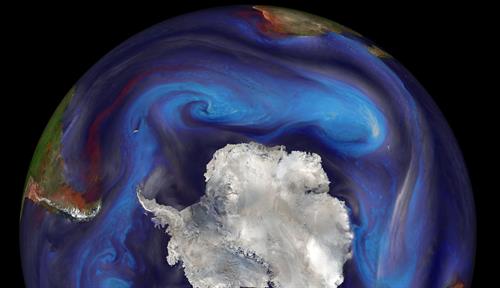
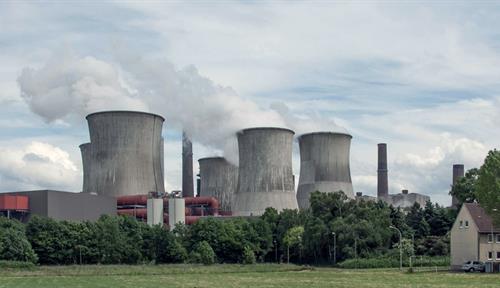
To slow or stop global warming, the world agrees it must cut carbon dioxide emissions. But monitoring each nation’s output of greenhouse gases is not always straightforward.
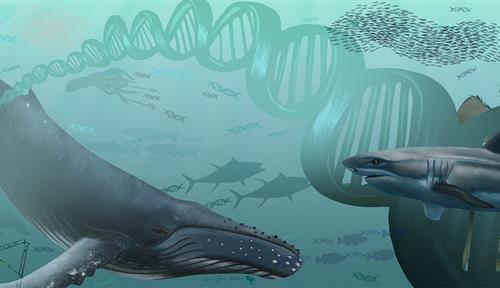
Revolutionary techniques using traces of environmental DNA are analyzing entire ecosystems “from microbes to whales”
Close X
This is not a paywall.
Knowable Magazine is free to read. But just because our articles are free to read doesn’t mean they are free to produce. If you value our trustworthy science journalism, please support it with a donation.