cookies to track usage and preferences."
data-cookieaccepttext="I UNDERSTAND"
data-cookiedeclinetext="Disable Cookies"
data-cookiepolicytext="Privacy Policy">
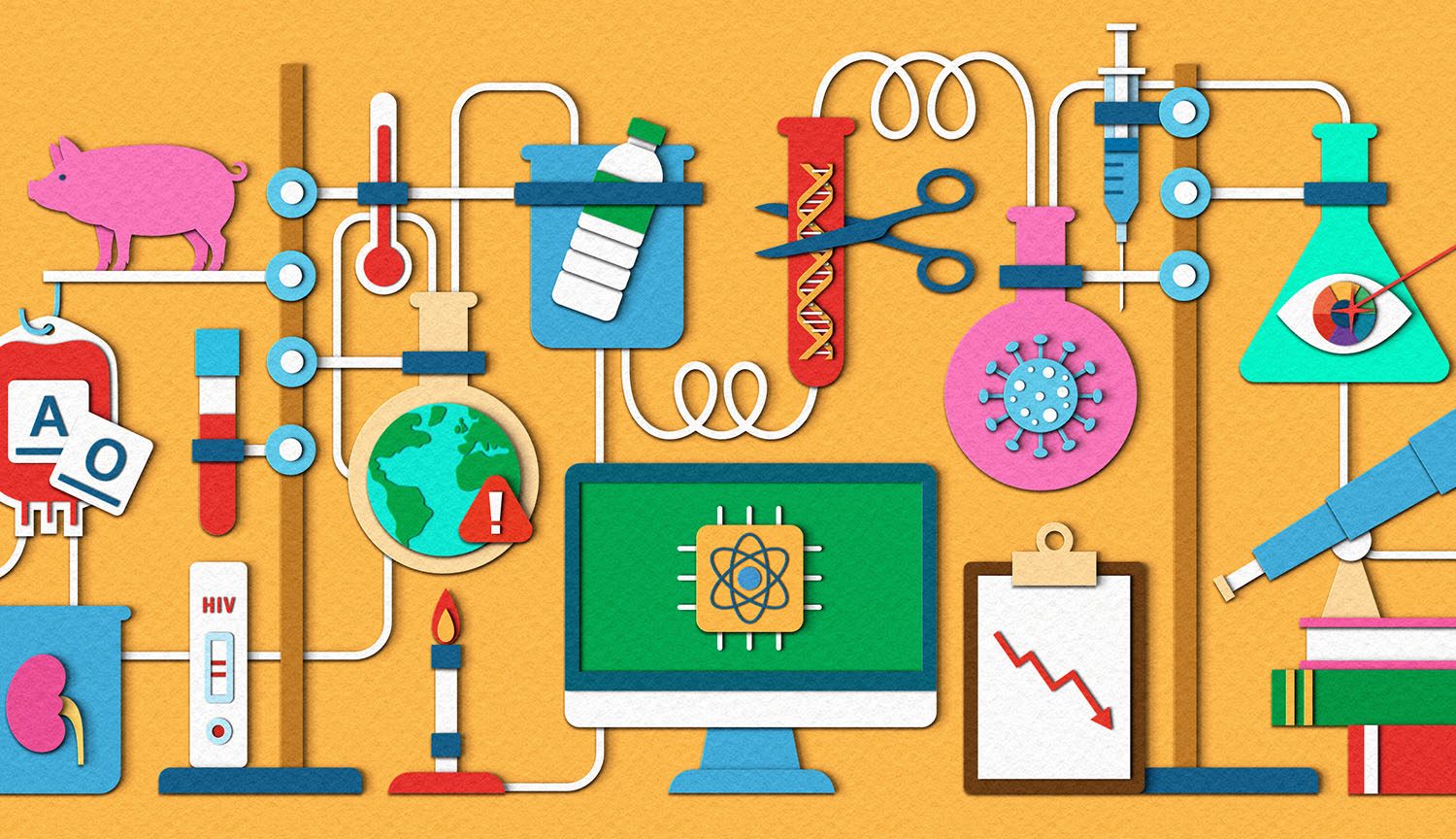
In a year of funding chaos, ongoing climate change and pollution perils, we also saw the most powerful telescope yet, personalized gene therapy, and the next-best-thing to an HIV vaccine — not to mention a brand-new color
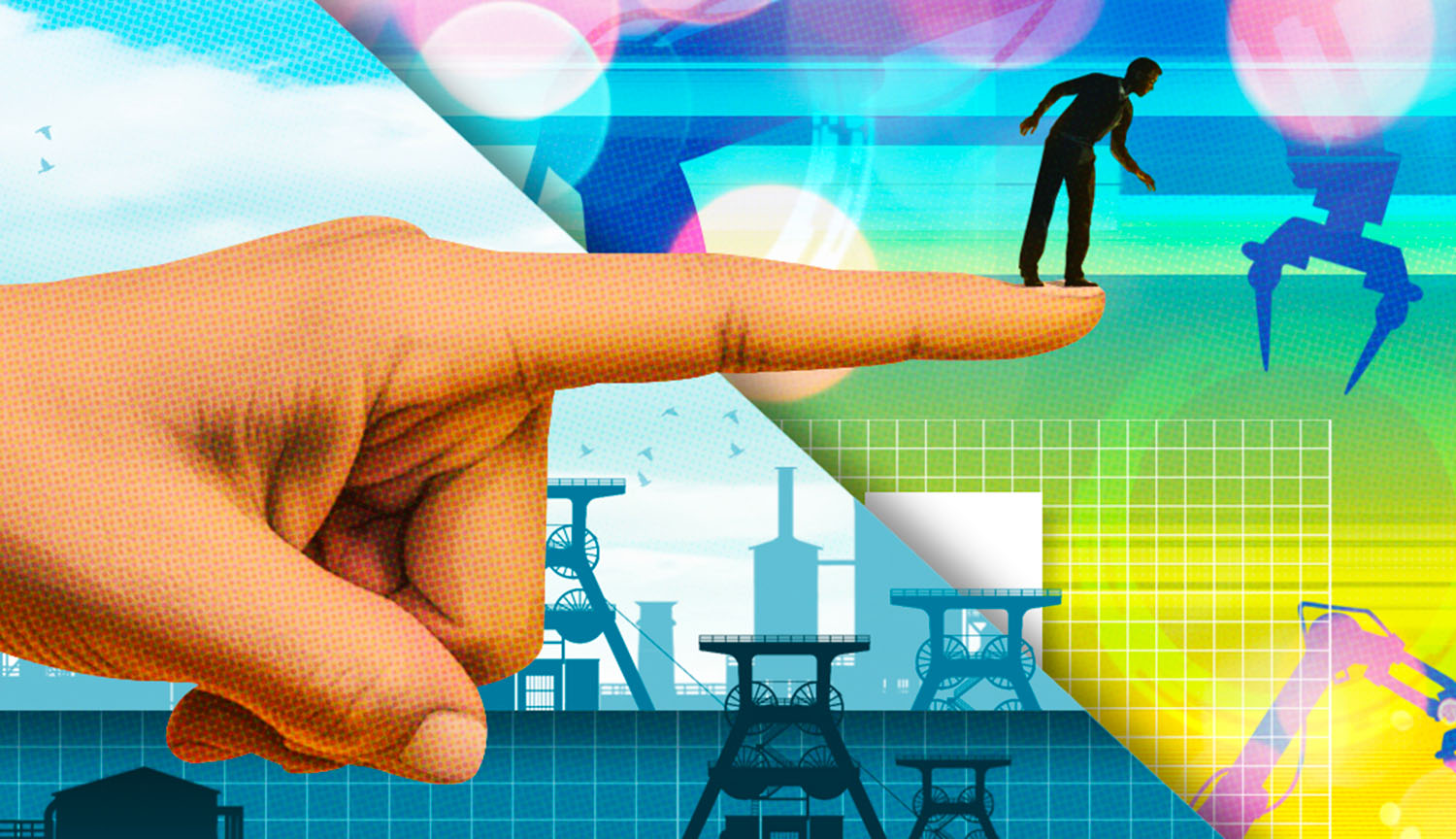
Handled right, AI has potential to bring back middle-skill jobs lost to the rise of computers, economists argue. Or, like the mechanized mills of the past, it could toss whole sectors out of work.
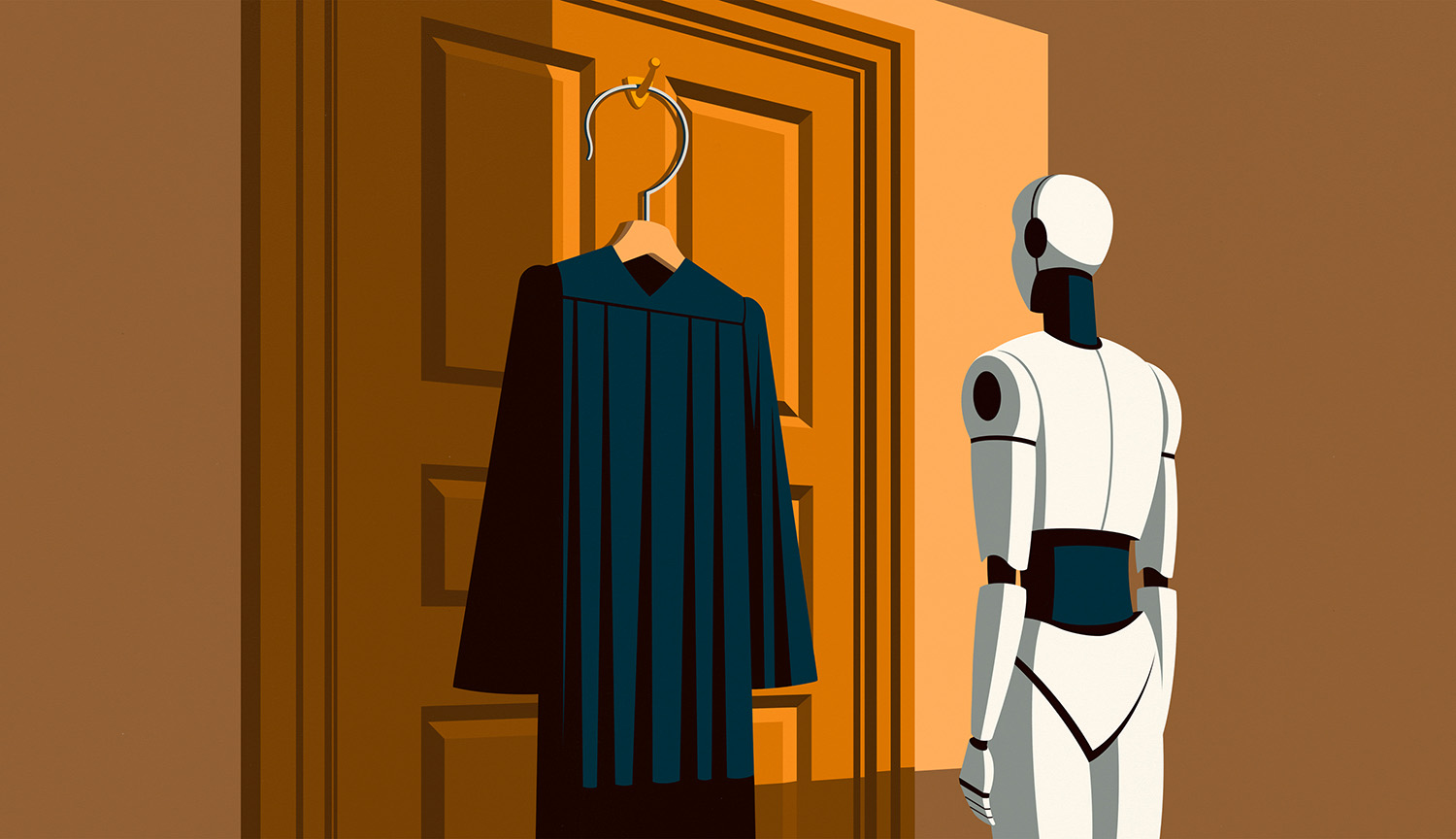
Misinformation, market volatility and more: Faced with the need to mitigate risks that artificial intelligence presents, countries and regions are charting different paths
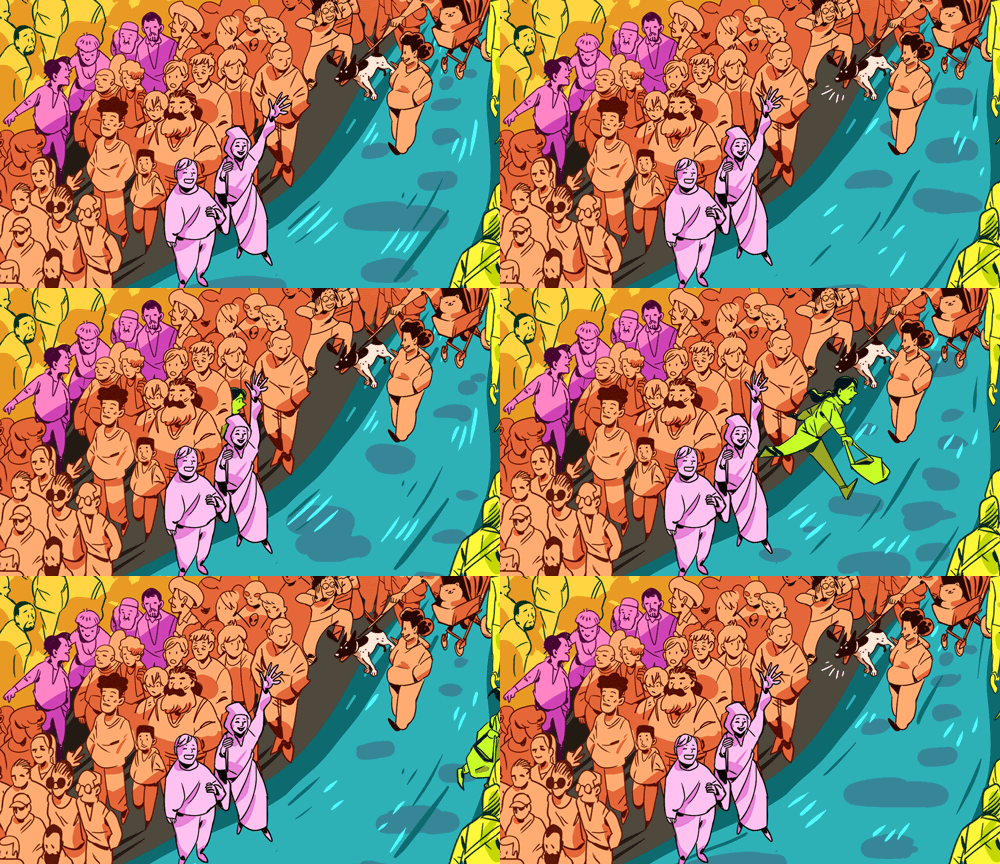
COMIC: Using tools from fields like fluid dynamics to better understand how groups of people move around can improve flow and make large gatherings safer
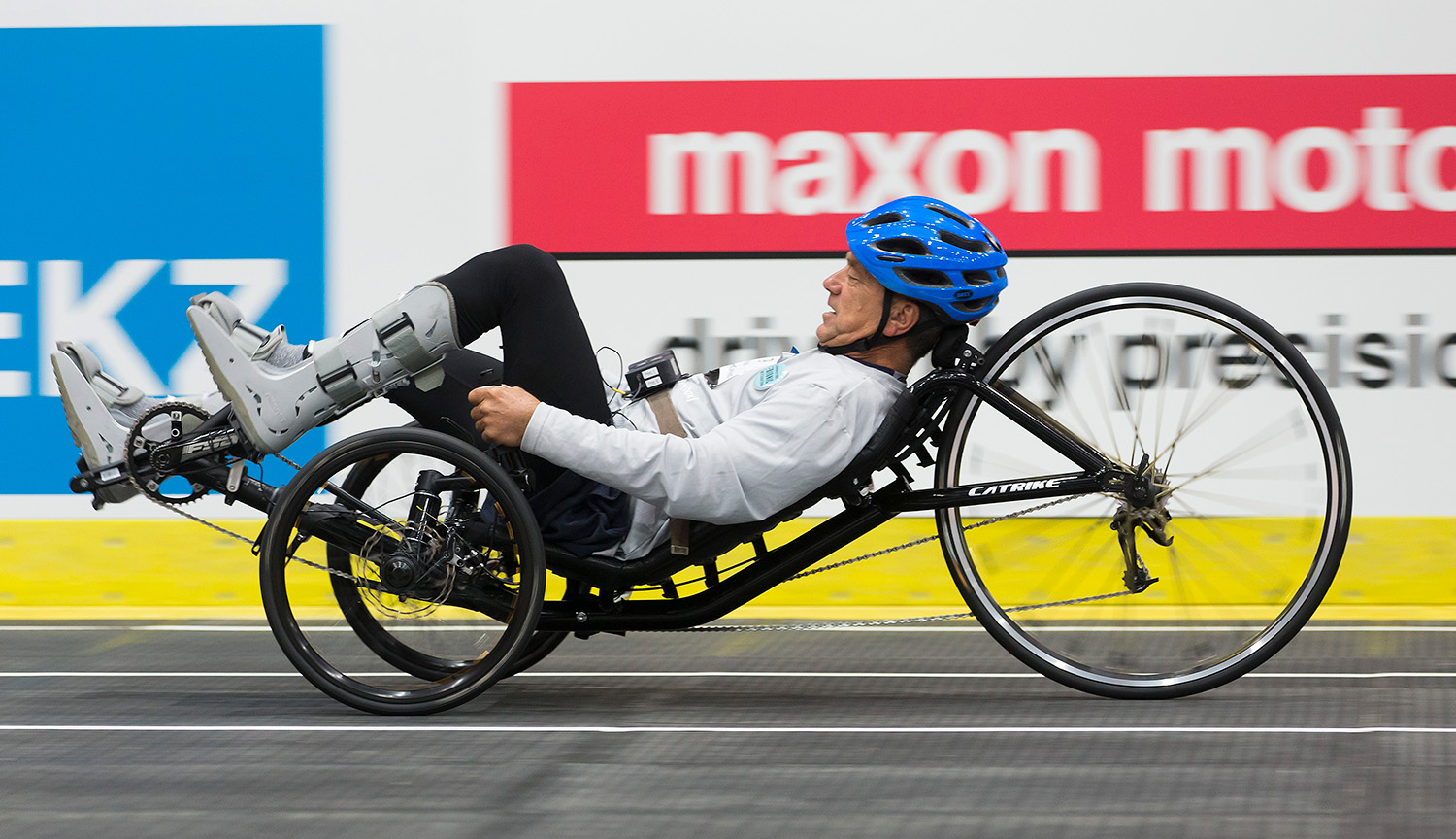
In the international competition, people with physical disabilities put state-of-the-art devices to the test as they race to complete the tasks of everyday life
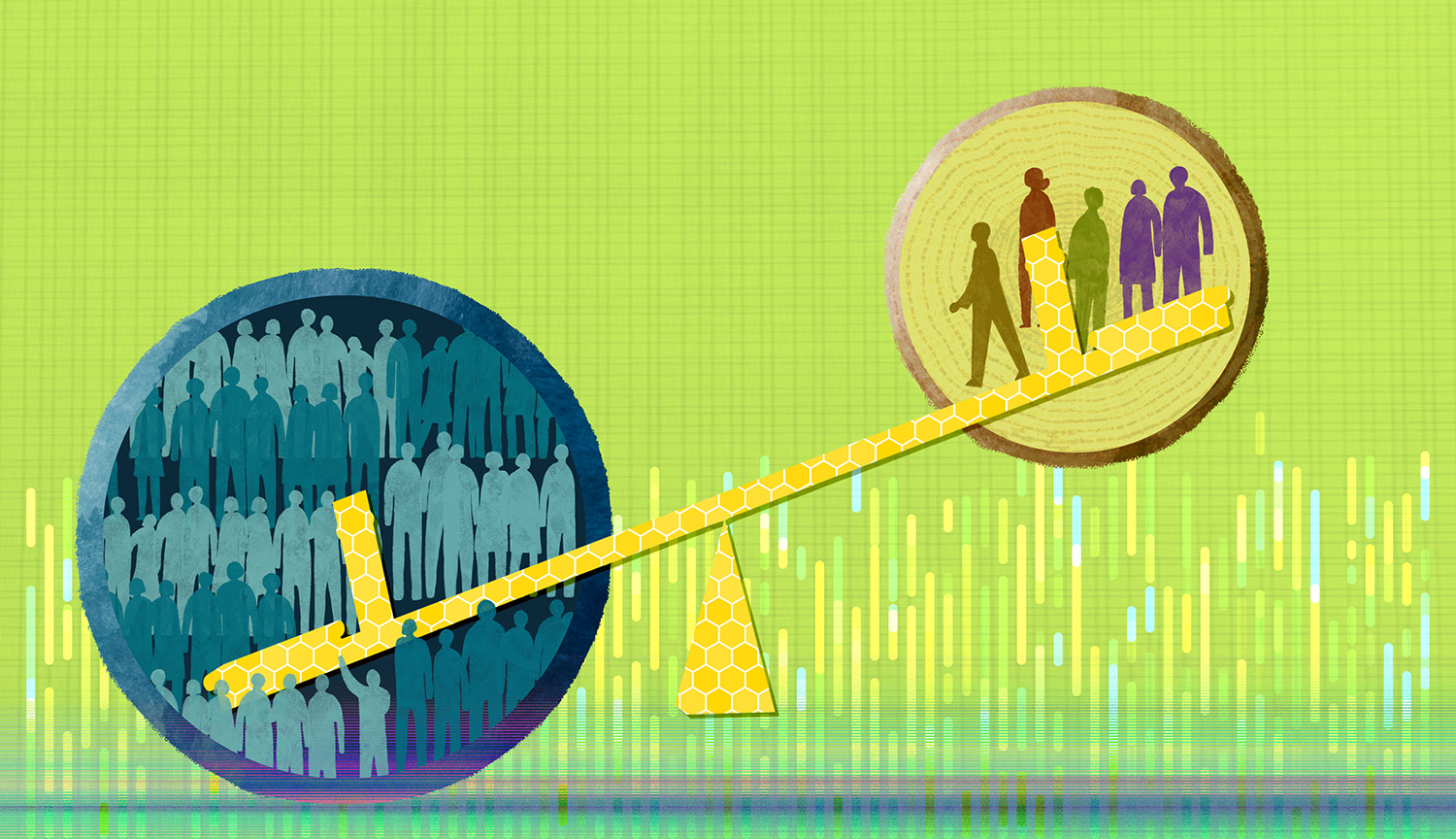
OPINION: A massive bias in medical studies toward men of European origin means that genetic variants in understudied populations don’t get the focus they deserve
Researchers are developing brain-computer interfaces that would enable communication for people with locked-in syndrome and other conditions that render them unable to speak
Close X
This is not a paywall.
Knowable Magazine is free to read. But just because our articles are free to read doesn’t mean they are free to produce. If you value our trustworthy science journalism, please support it with a donation.