Skip to content
cookies to track usage and preferences." data-cookieaccepttext="I UNDERSTAND" data-cookiedeclinetext="Disable Cookies" data-cookiepolicytext="Privacy Policy">
1932

Ecology

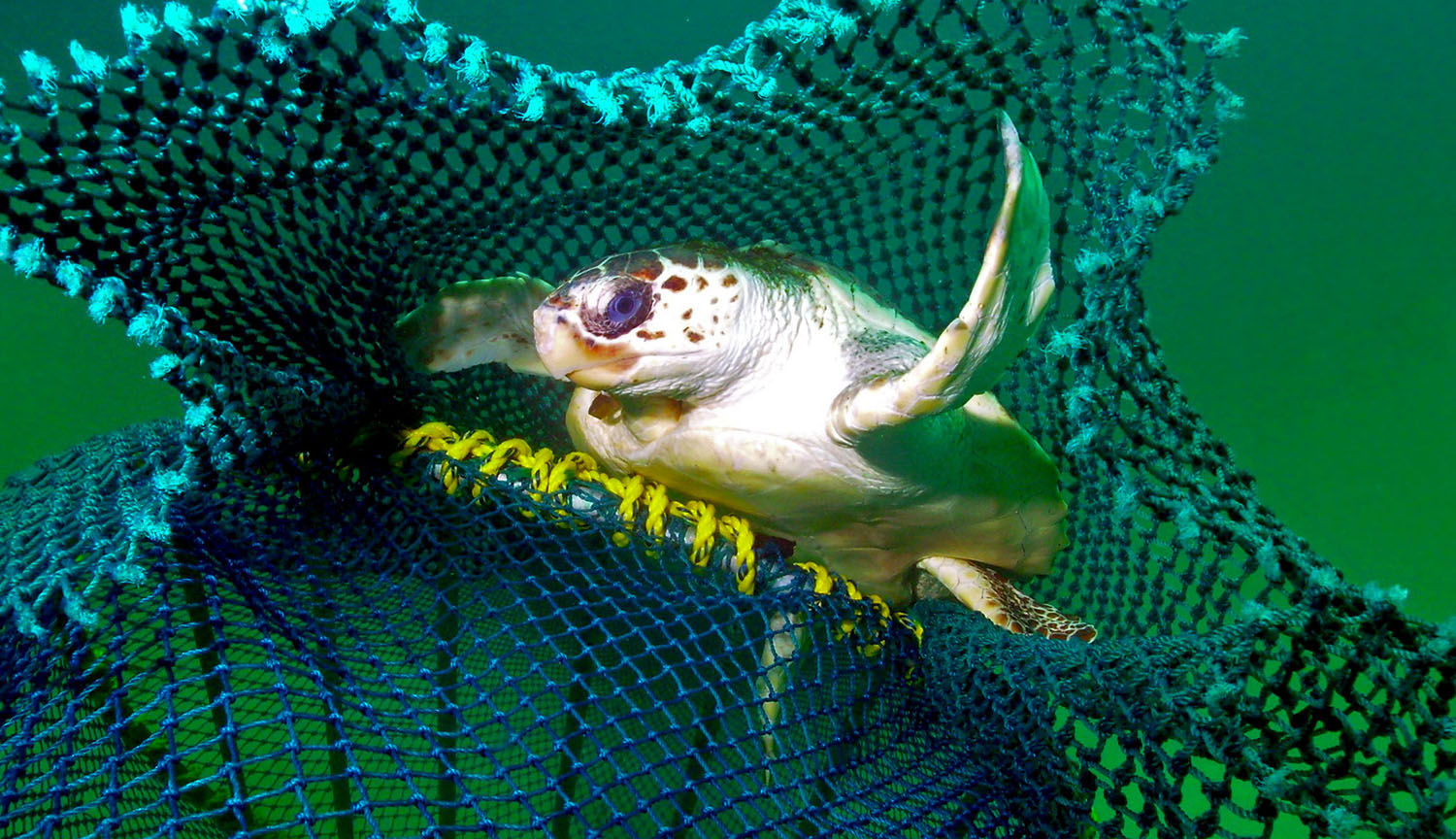
How new fishing tech can reduce bycatch of turtles and other creatures

Nets equipped with water bottles and other tricks can help save some species, while allowing fisherman to still catch others

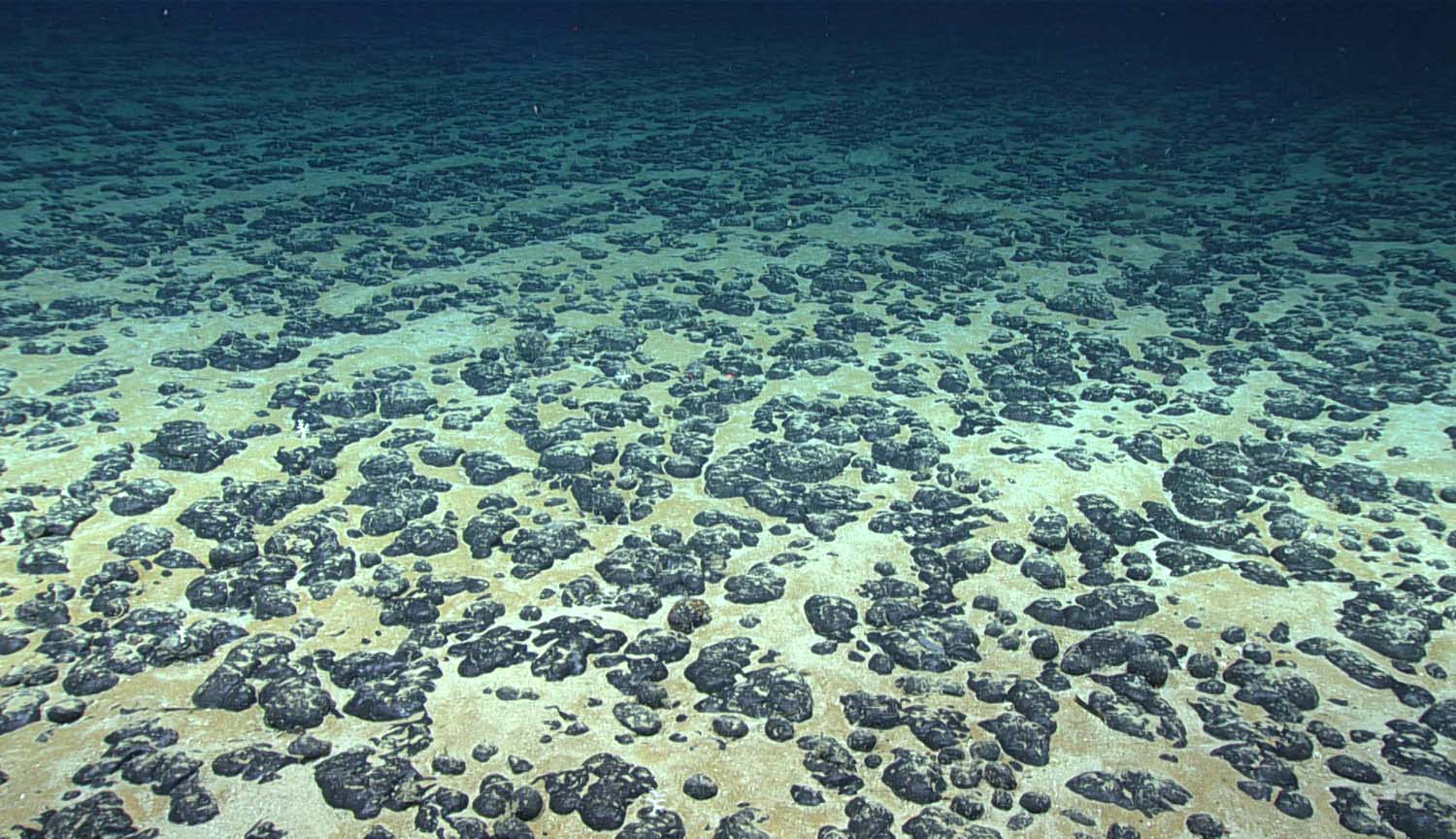
Mining the deep ocean

Renewable technologies need a multitude of critical minerals. The seabed could supply these riches. But at what cost?

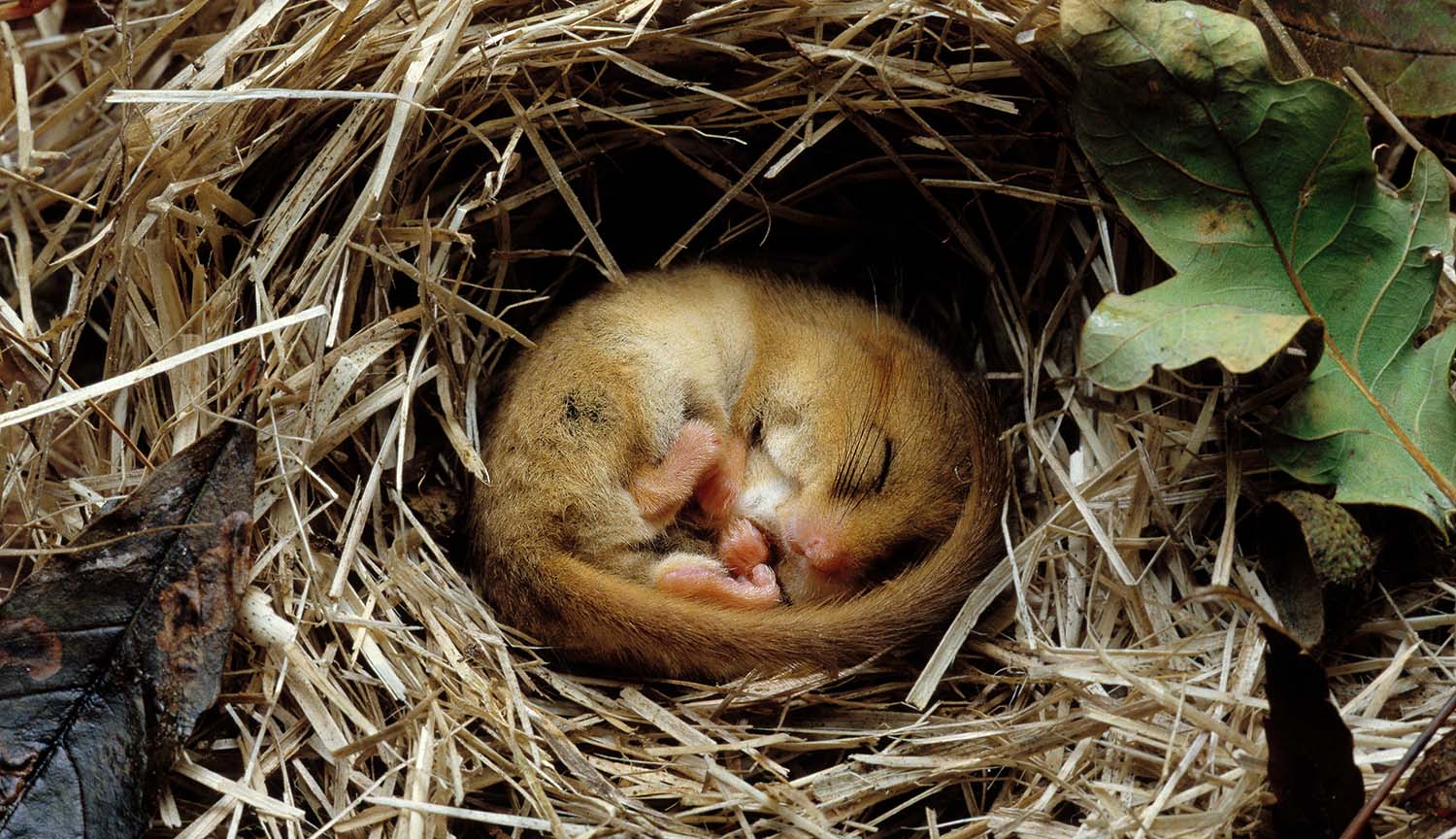
The strange animals that control their body heat

Some creatures can dramatically alter their internal temperature — a strategy called heterothermy — and outlast storms, floods and predators

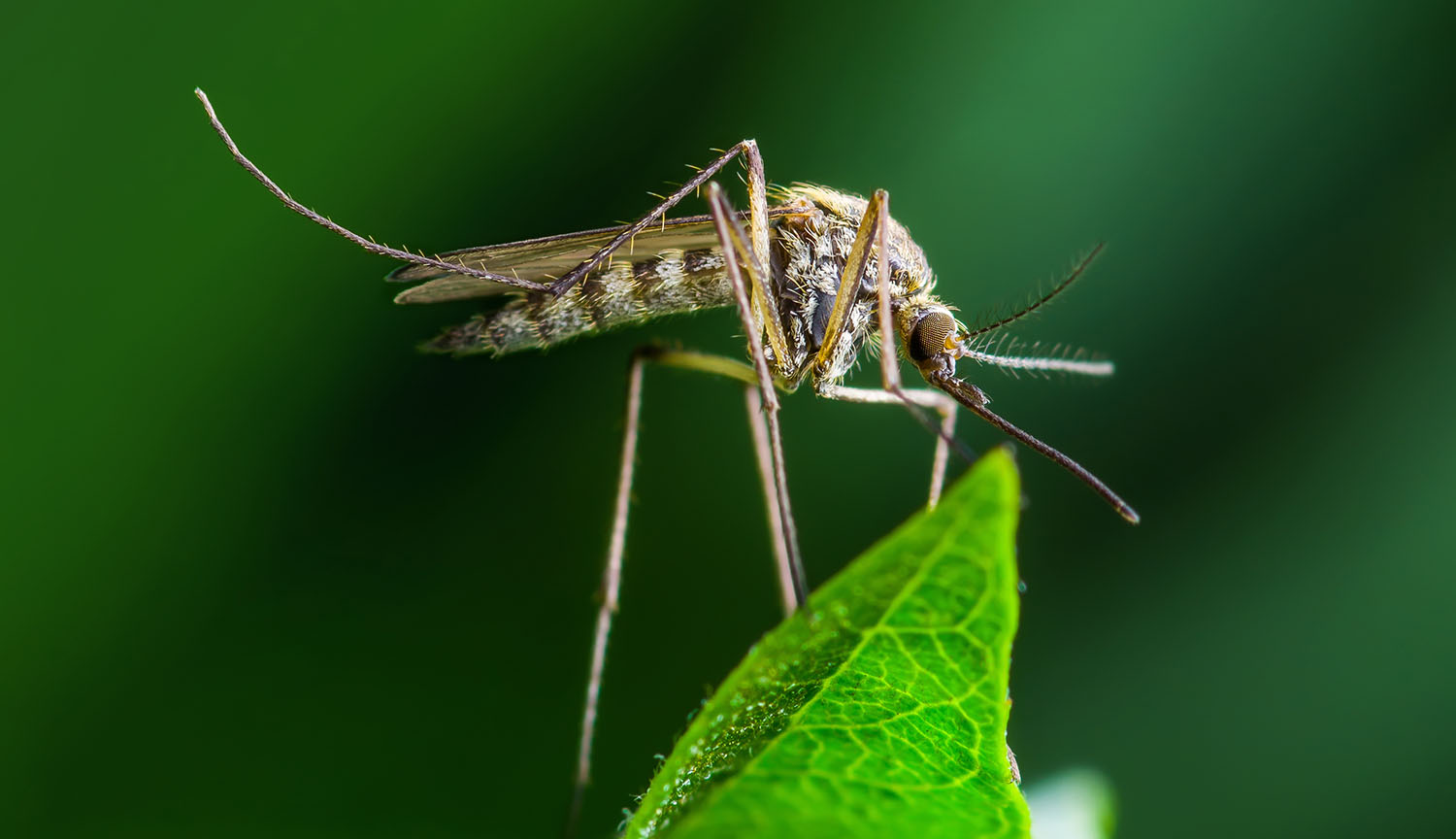
Beating back the Aedes aegypti mosquito

Scientists are taking a multipronged approach to tackle this dangerous carrier of dengue, yellow fever and other noxious viruses

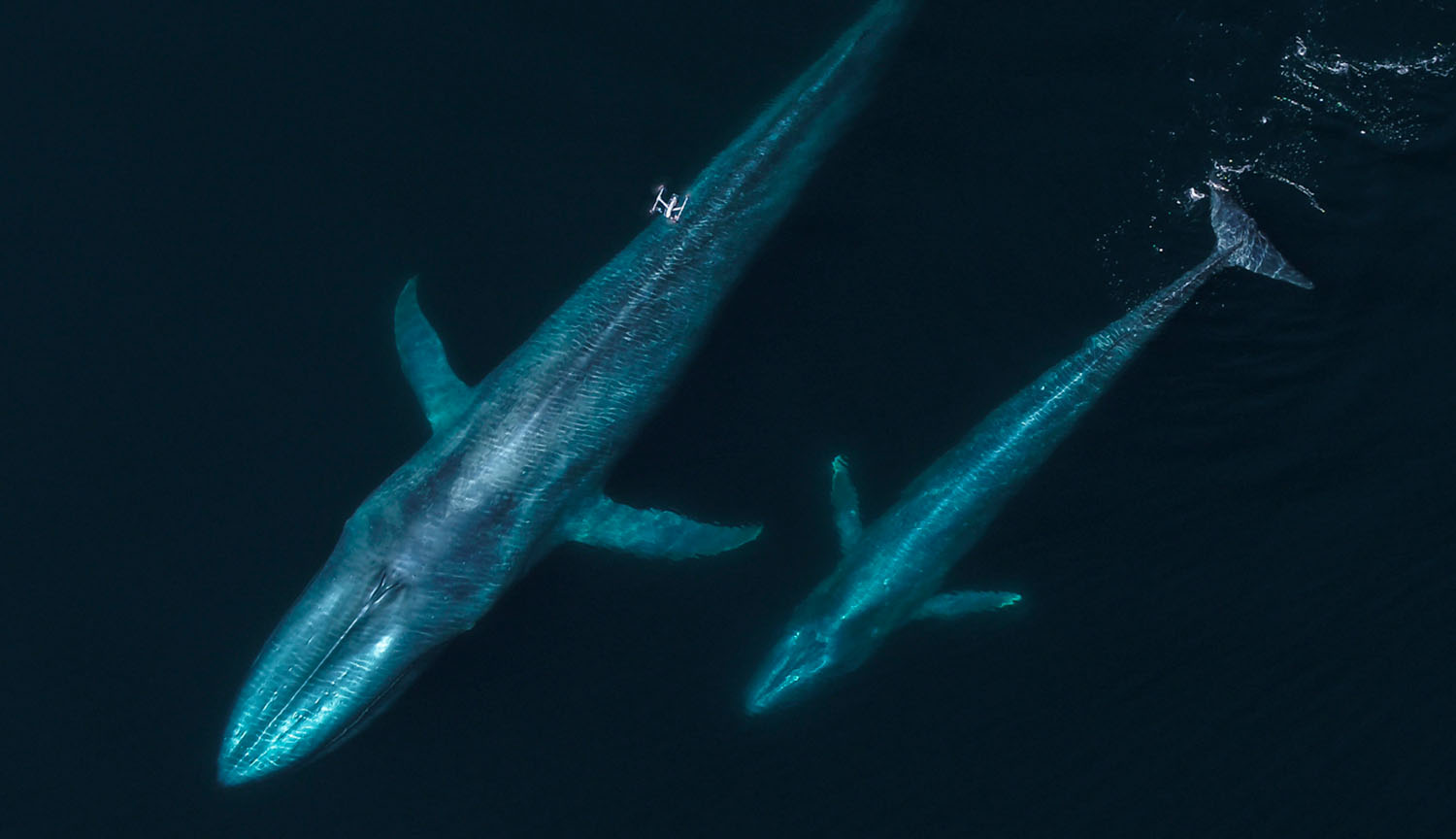
Flying with whales: Drones are remaking marine mammal research

From collecting whale snot to capturing surprising behaviors, aerial drones are giving scientists a new view of life at sea

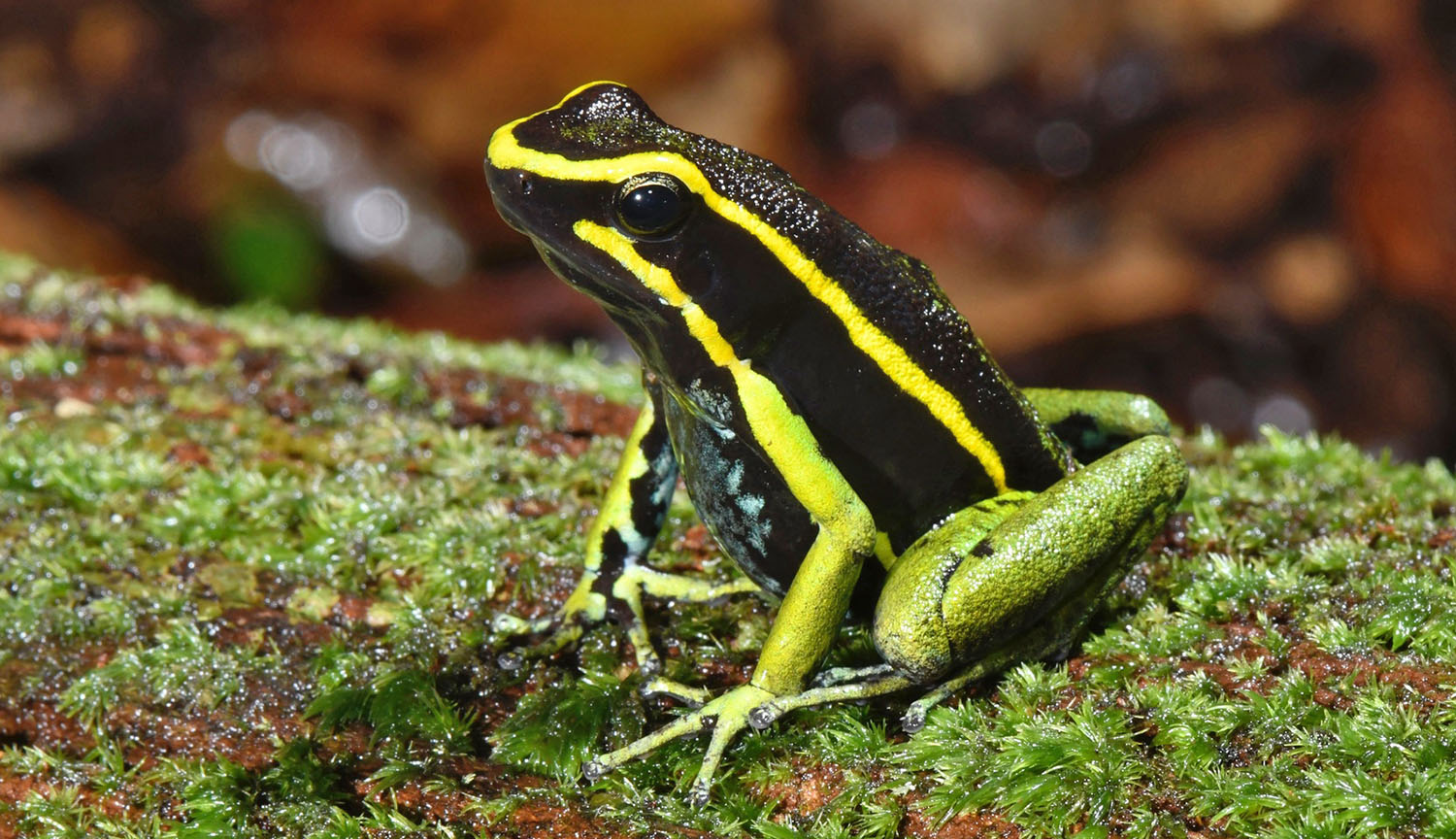
Animals that eat poisons and don’t die

Critters consuming species that contain deadly toxins have evolved a suite of clever strategies to keep out of harm’s way

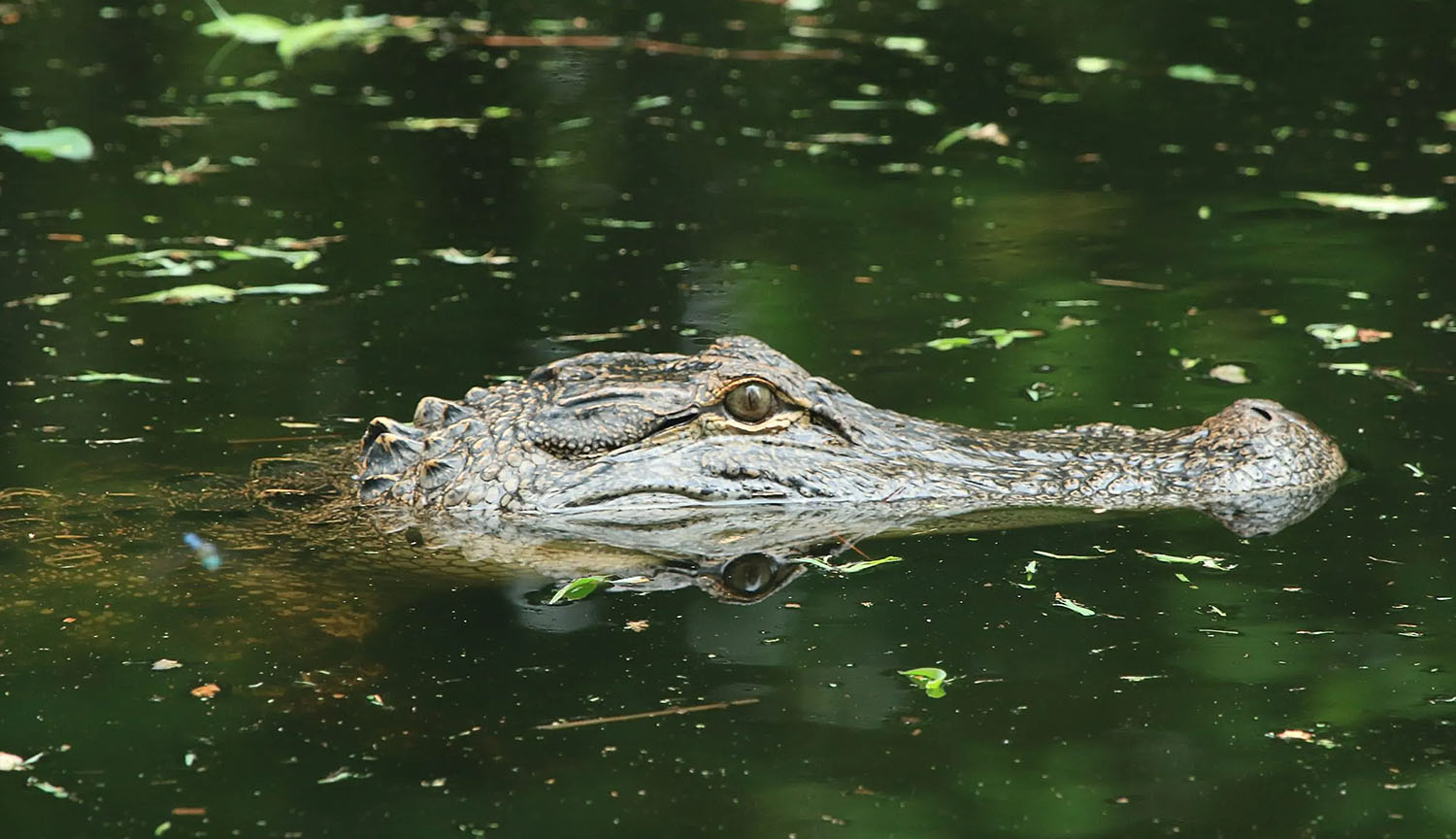
Tracking down the hidden pollutants that make wildlife sick

A new technique for detecting unknown and unlooked-for chemicals is revealing dozens of contaminants in alligators, sea lions and condors

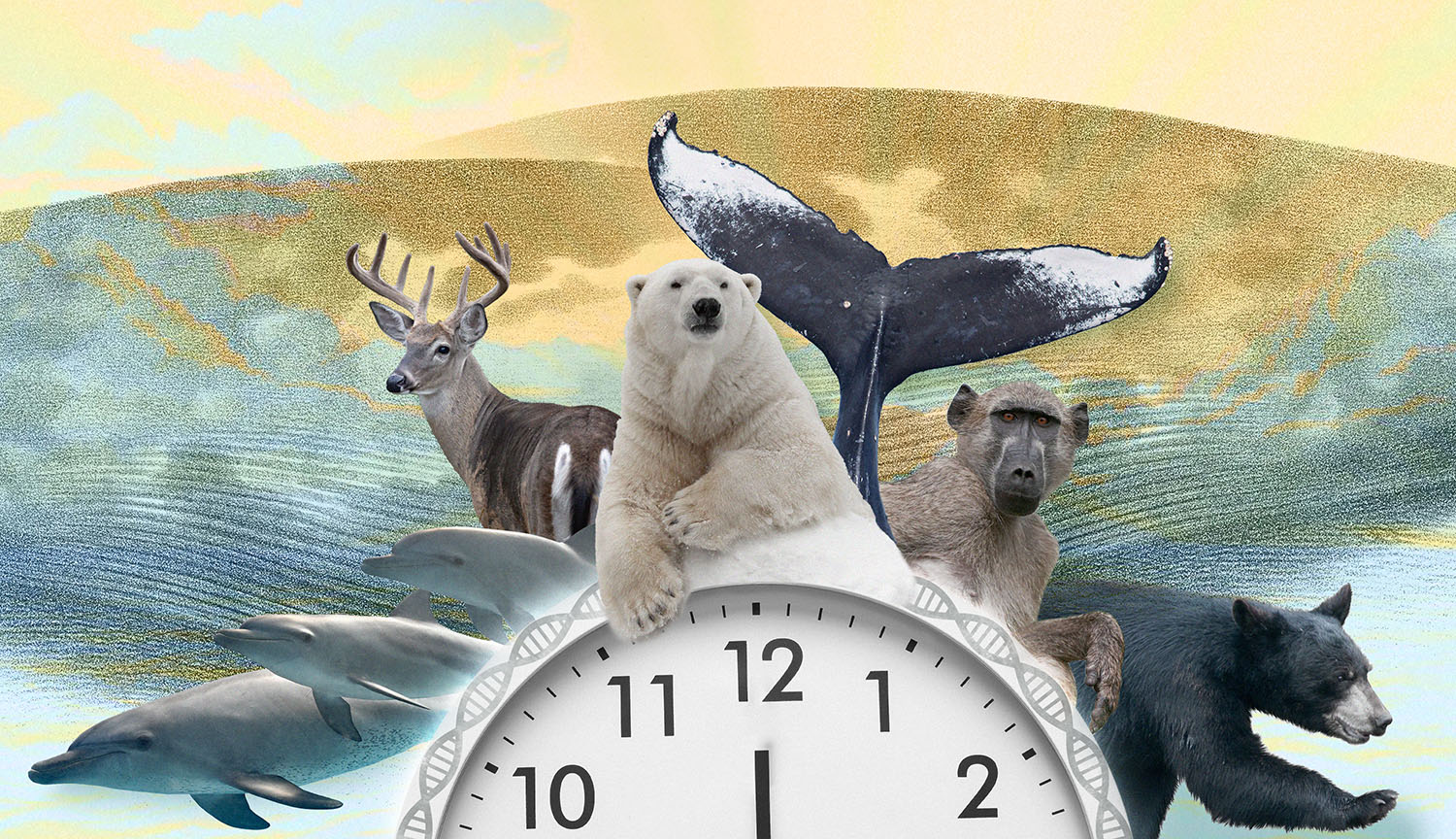
The clock is ticking: How epigenetics could help save wildlife from collapse

In polar bears, dolphins, baboons and more, molecular signatures of aging are changing how conservationists assess population health, resilience and risk

Shucking the past: Can oysters thrive again?

Dredging and pollution devastated the once-bountiful reefs. Careful science may help bring them back.

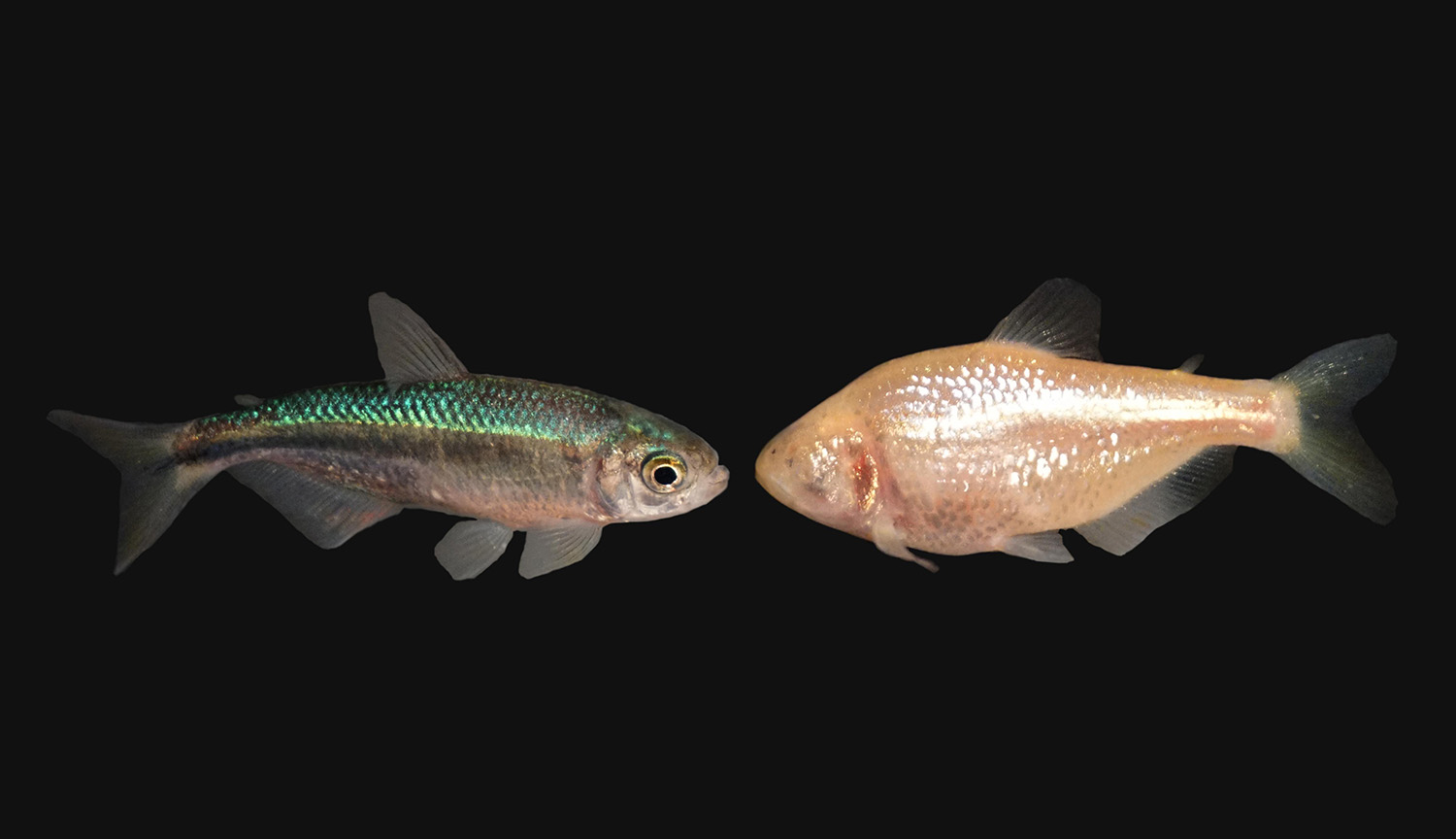
How the cavefish lost its eyes — again and again

Mexican tetras that got swept into pitch-black caverns had no use for the energetically costly organs. They lost their eyes in multiple ways — and gained some nifty traits too.

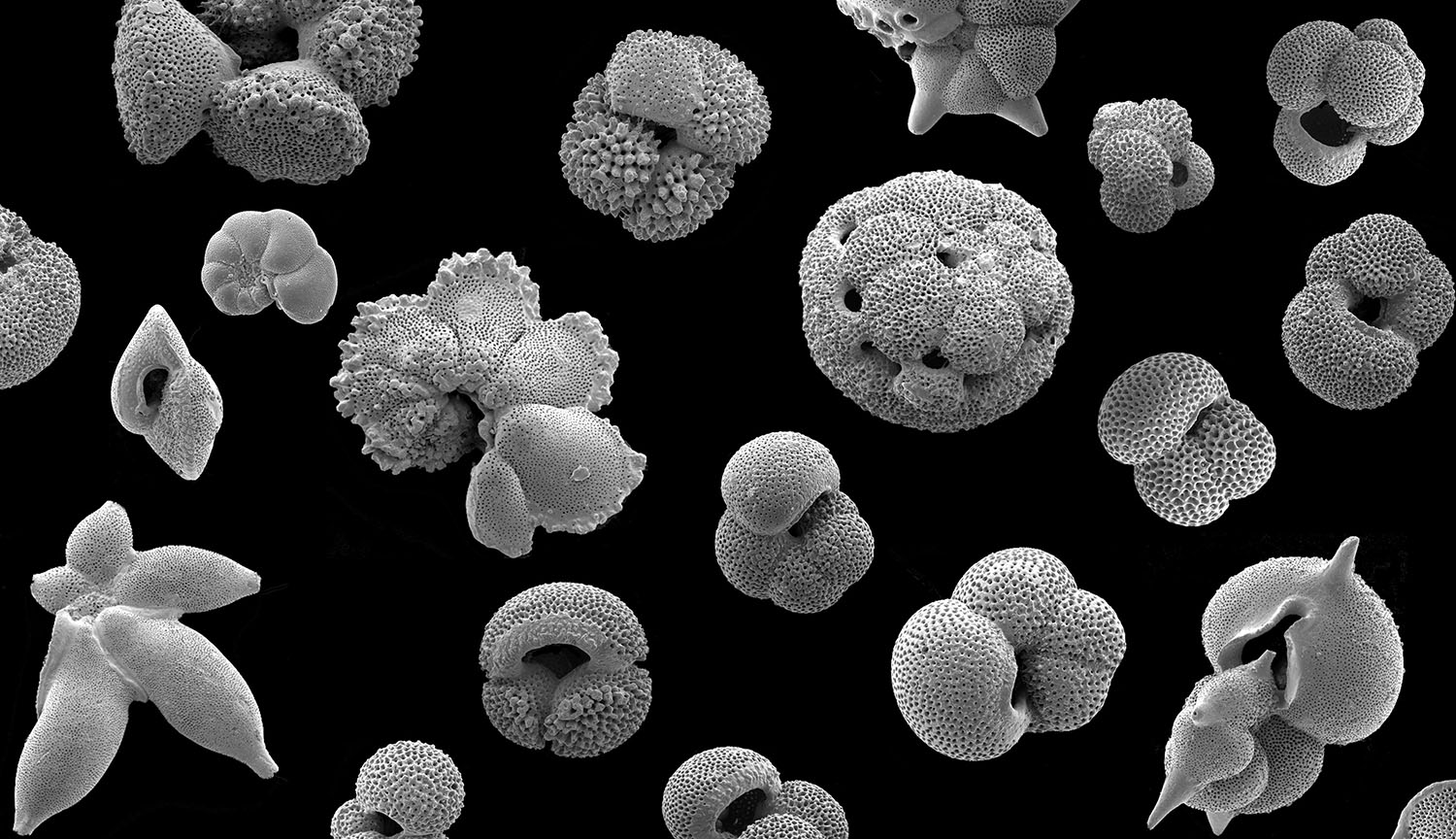
The history of the ocean, as told by tiny beautiful fossils

Bountiful remains of foraminifera reveal how organisms responded to climate disturbances of the past. They can help predict the future, too.

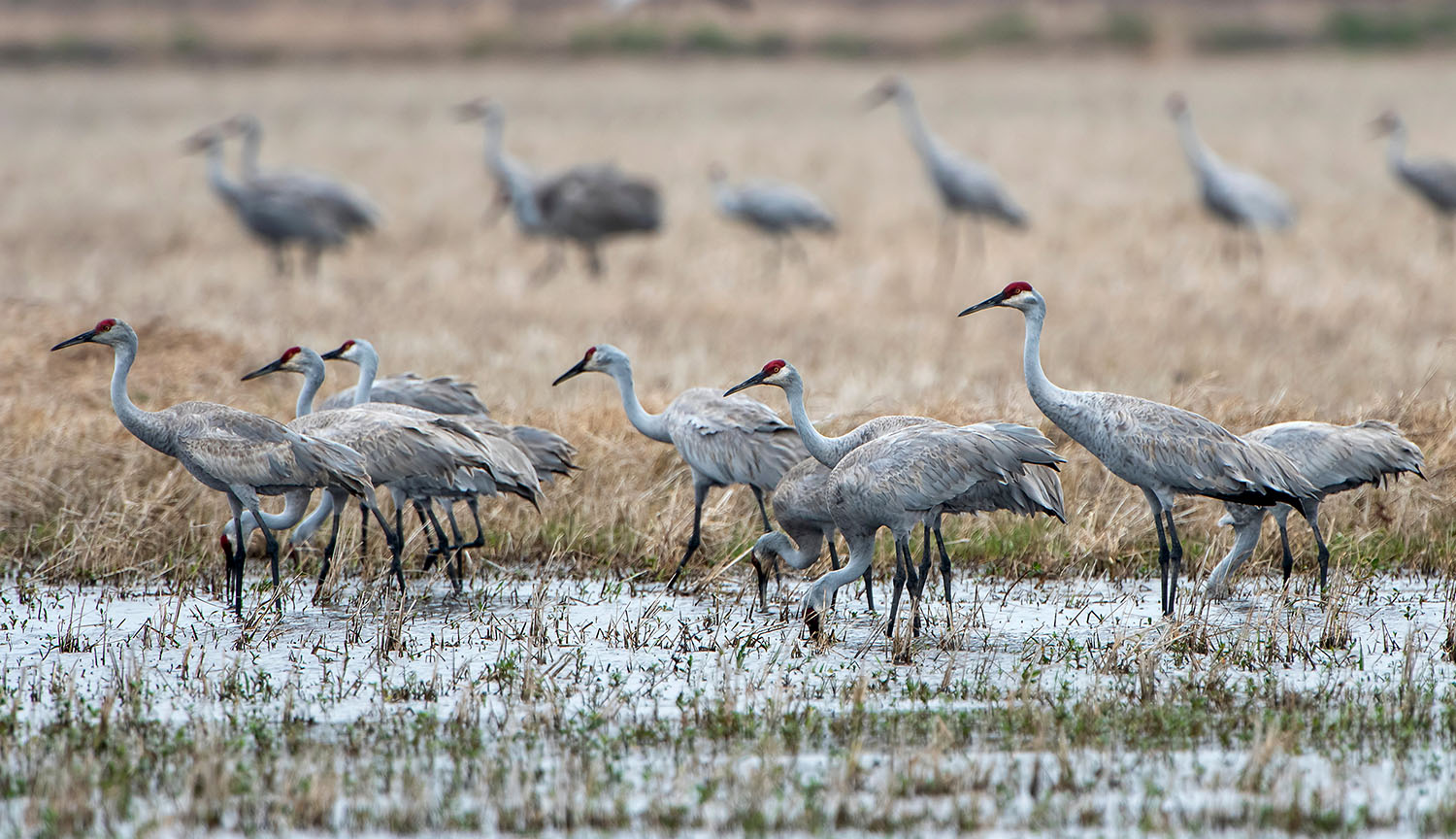
How farmers can help rescue water-loving birds

Cranes, sandpipers, ducks, geese and many other waterbirds have lost essential rest stops along their seasonal migration routes. Bird-friendly agriculture can assist in filling the gaps.

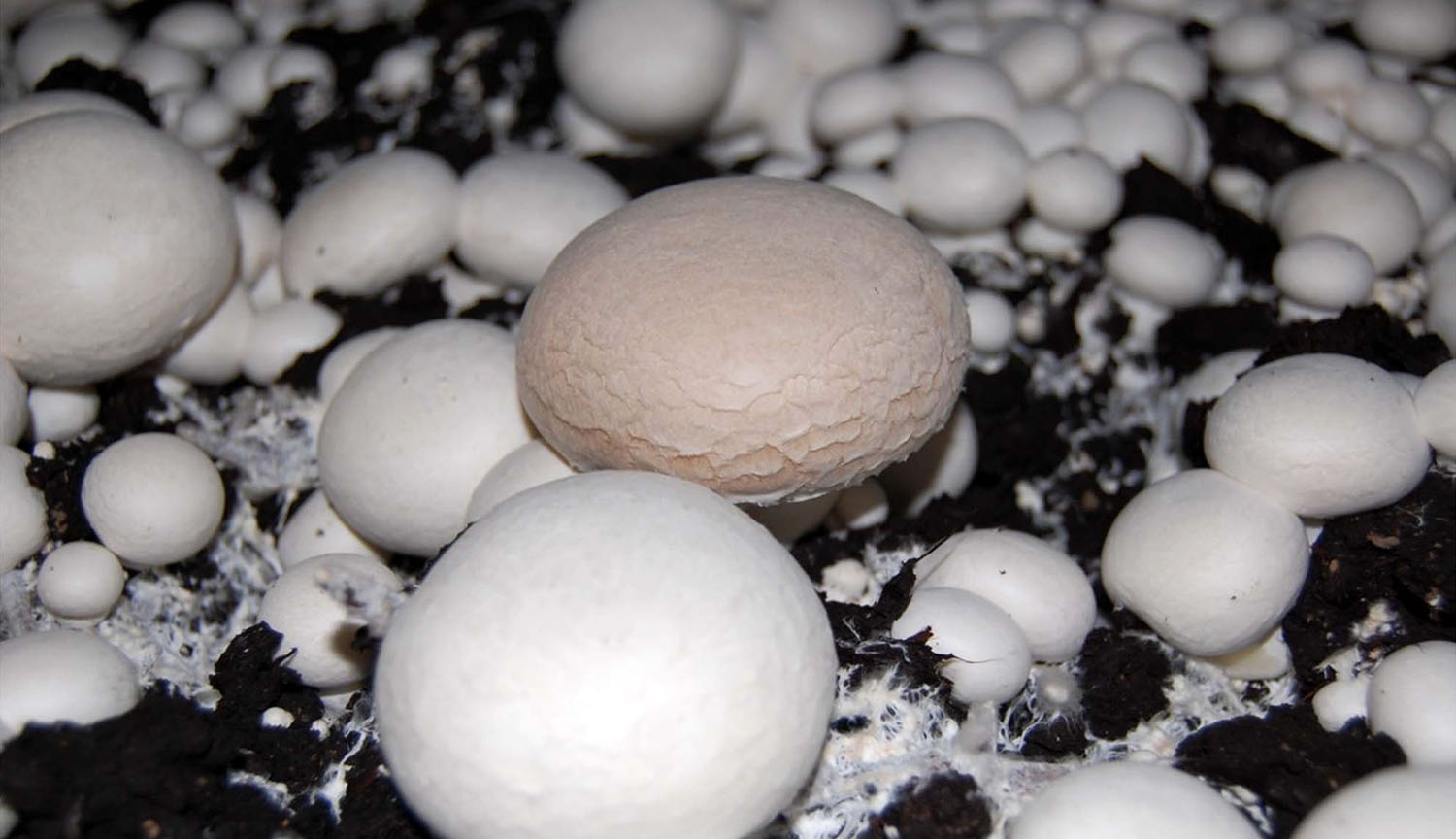
Viruses that roam the fungal kingdom

Mushrooms and other fungi can harbor hidden companions — and some of these may fight pesky or dangerous molds

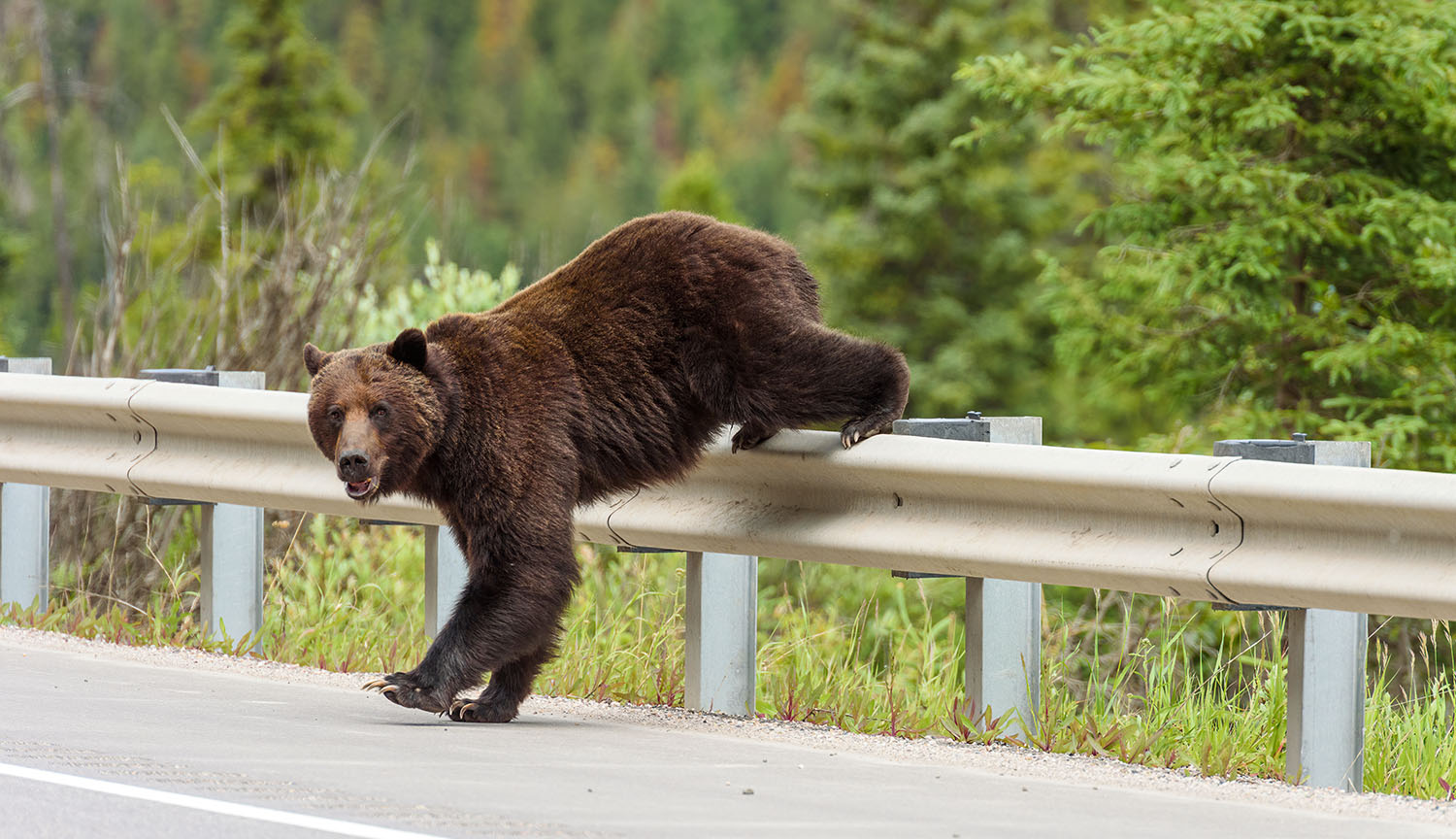
Getting along with grizzly bears

In rural Alaskan and Canadian communities, reducing conflict between people and their wild neighbors means both species must change their behavior

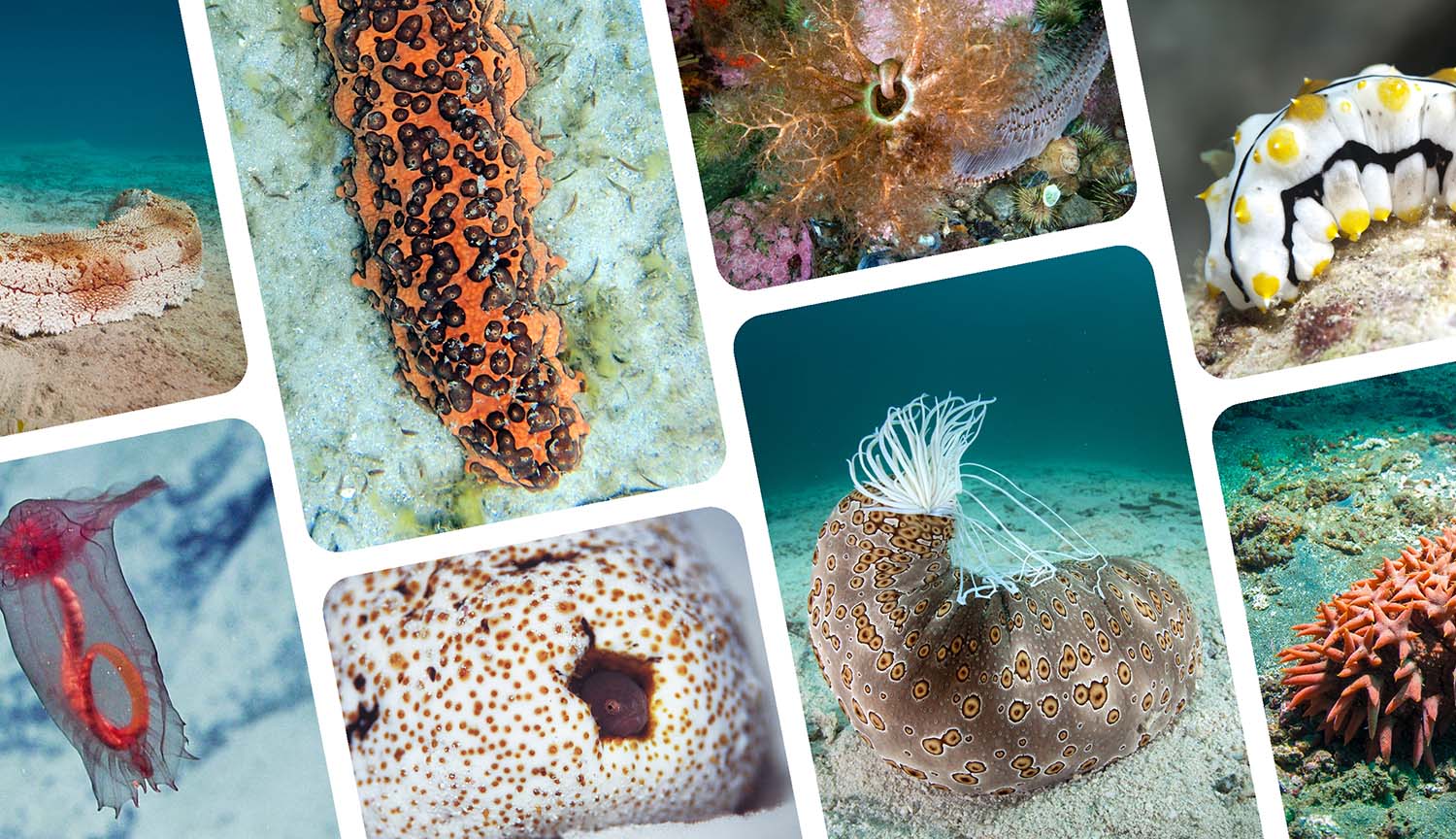
Weird and wondrous sea cucumbers

These spiny or slimy ocean creatures display an astonishing diversity of appearances, behaviors and lifestyles. Many are increasingly threatened.

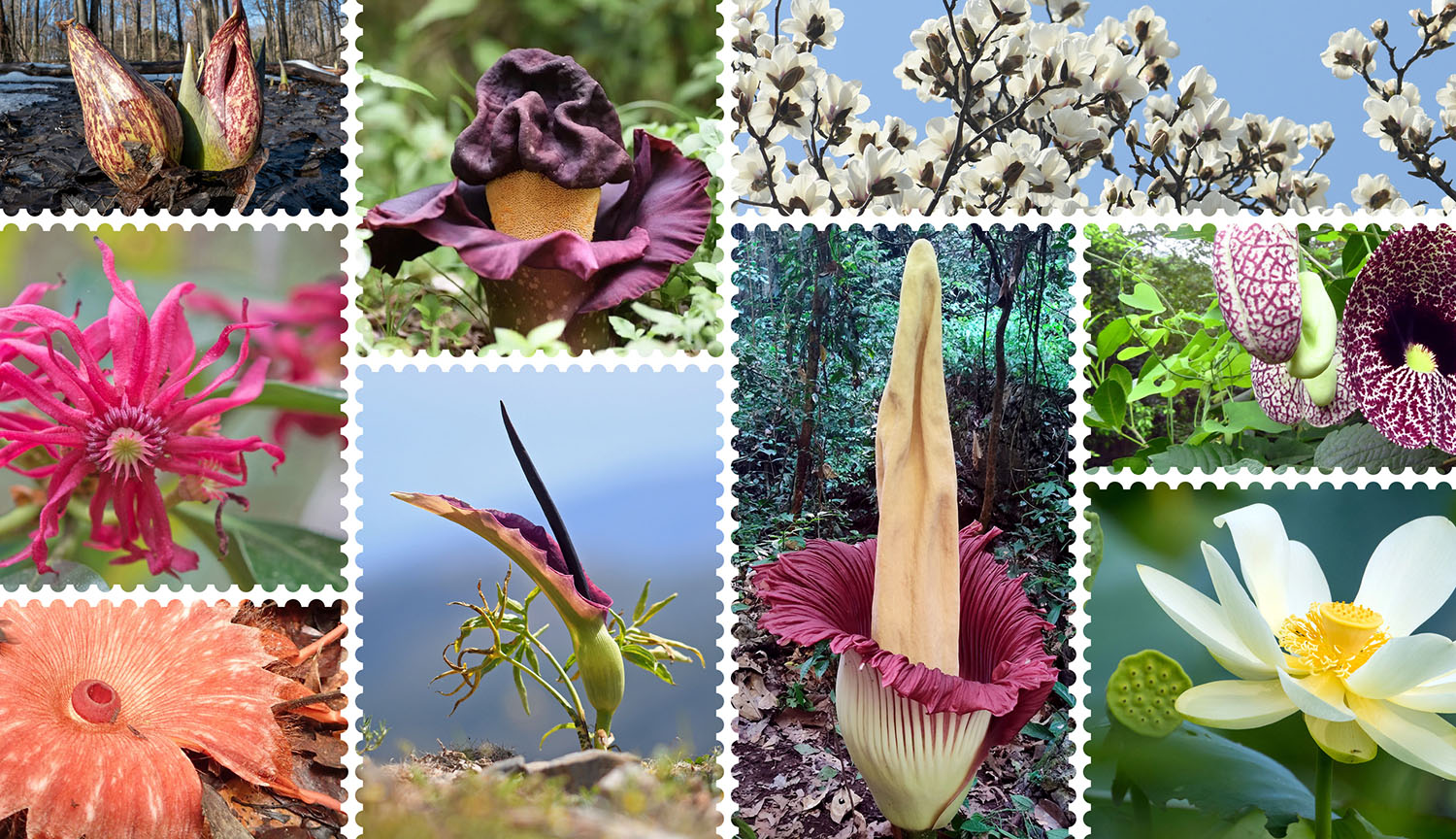
Rotten tricks: How hot and stinky plants woo pollinators

To attract insects, thermogenic plants turn up the heat, emit strong odors and even disguise themselves as corpses

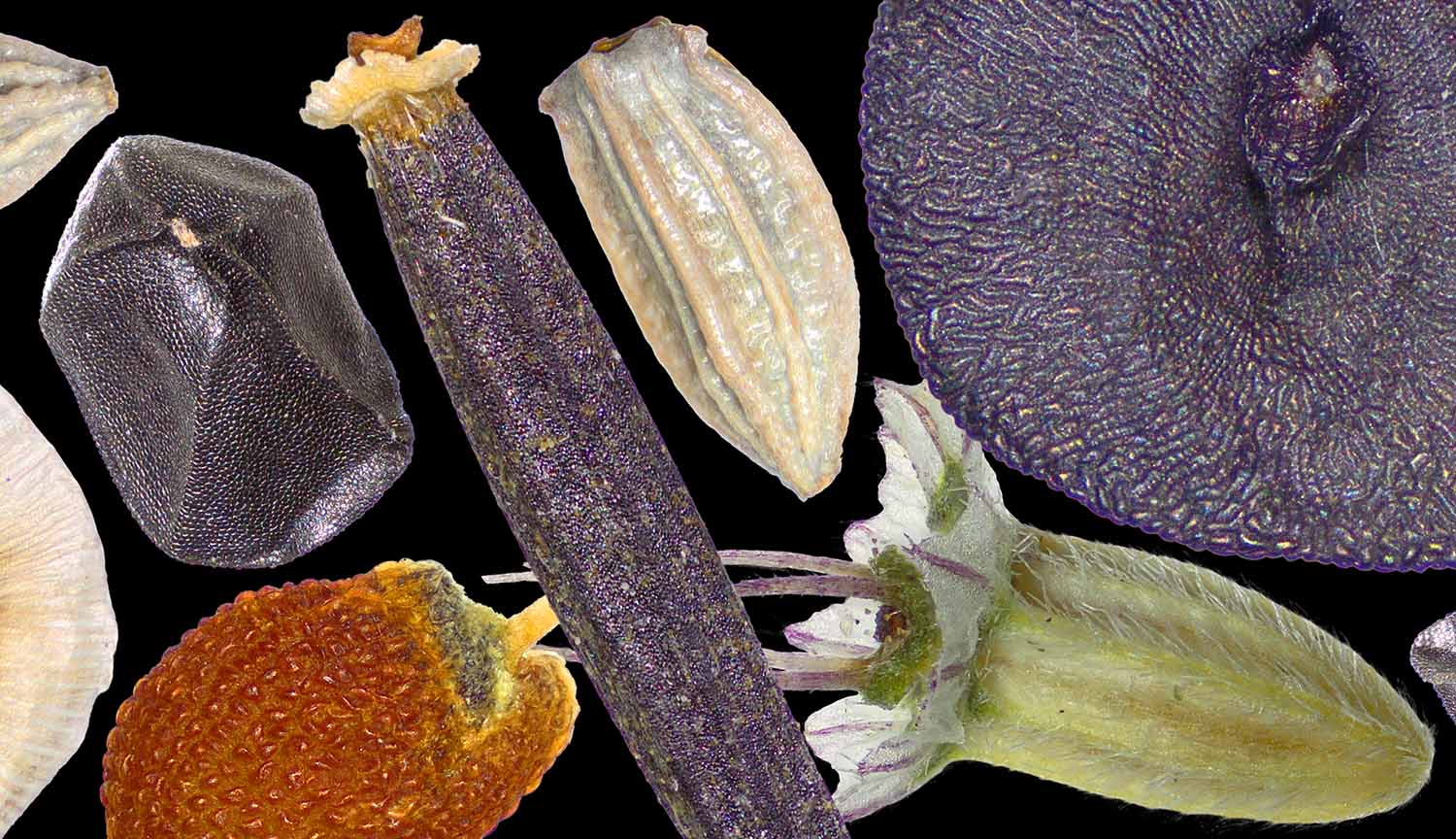
The surprisingly tricky art of seed banking

To safeguard threatened plants, science must unravel the hidden biology of often-persnickety seeds as they age, sleep and awaken

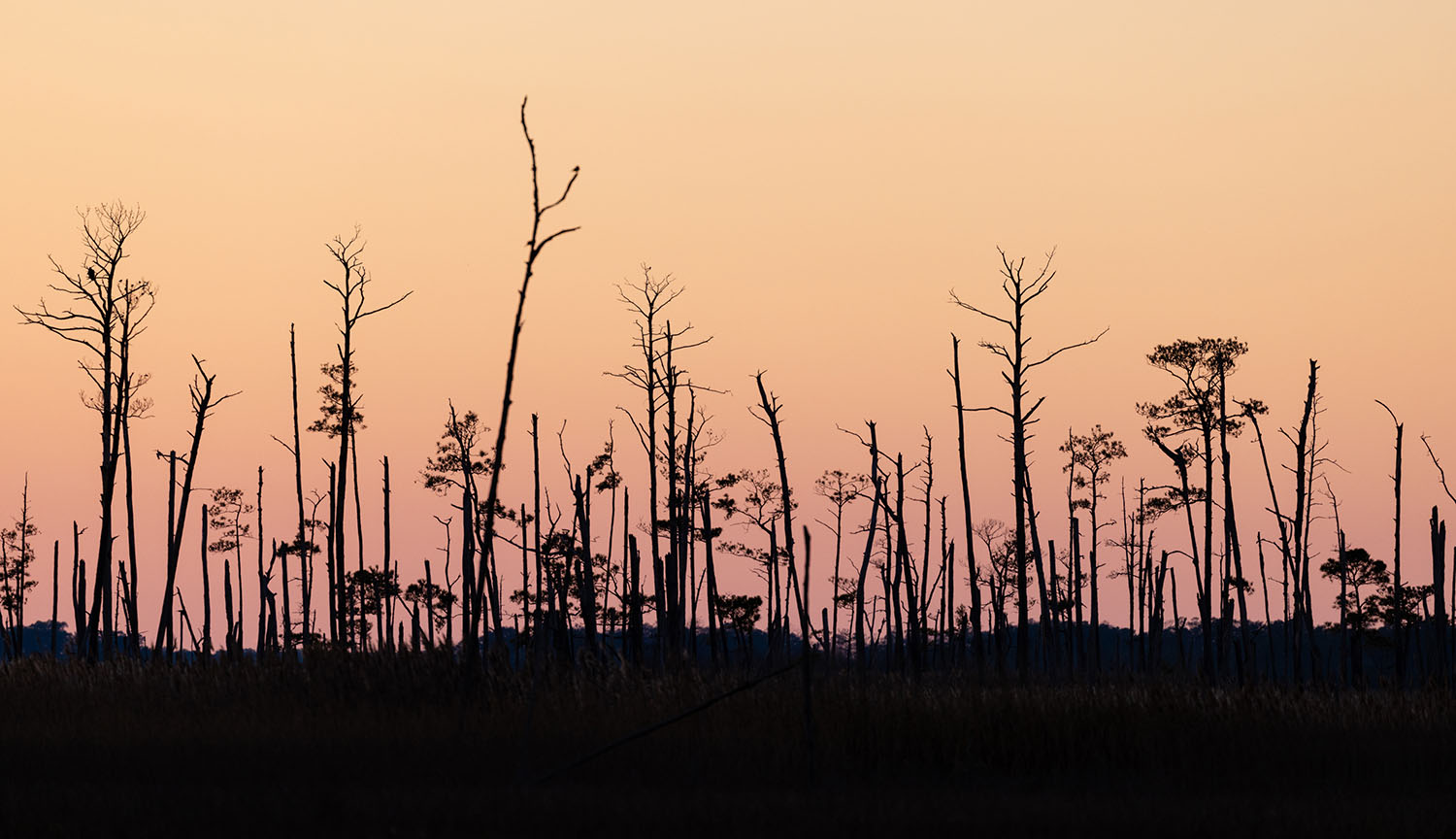
Ghost forests are growing as sea levels rise

As trees choked by saltwater die along low-lying coasts, marshes may move in — for better or worse, scientists are learning

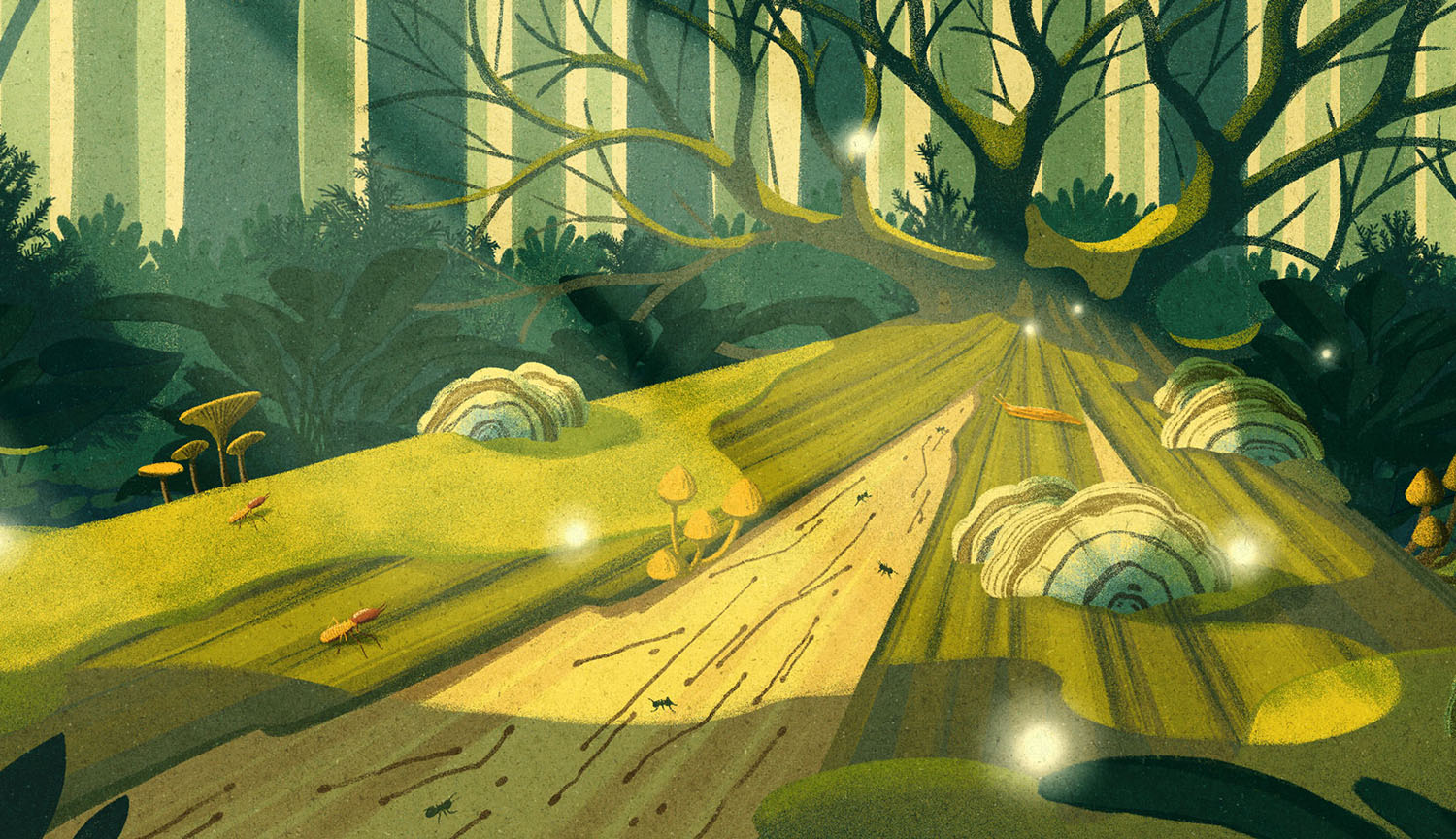
The teeming life of dead trees

Rotting logs turn out to be vital to forest biodiversity and recycling organic matter

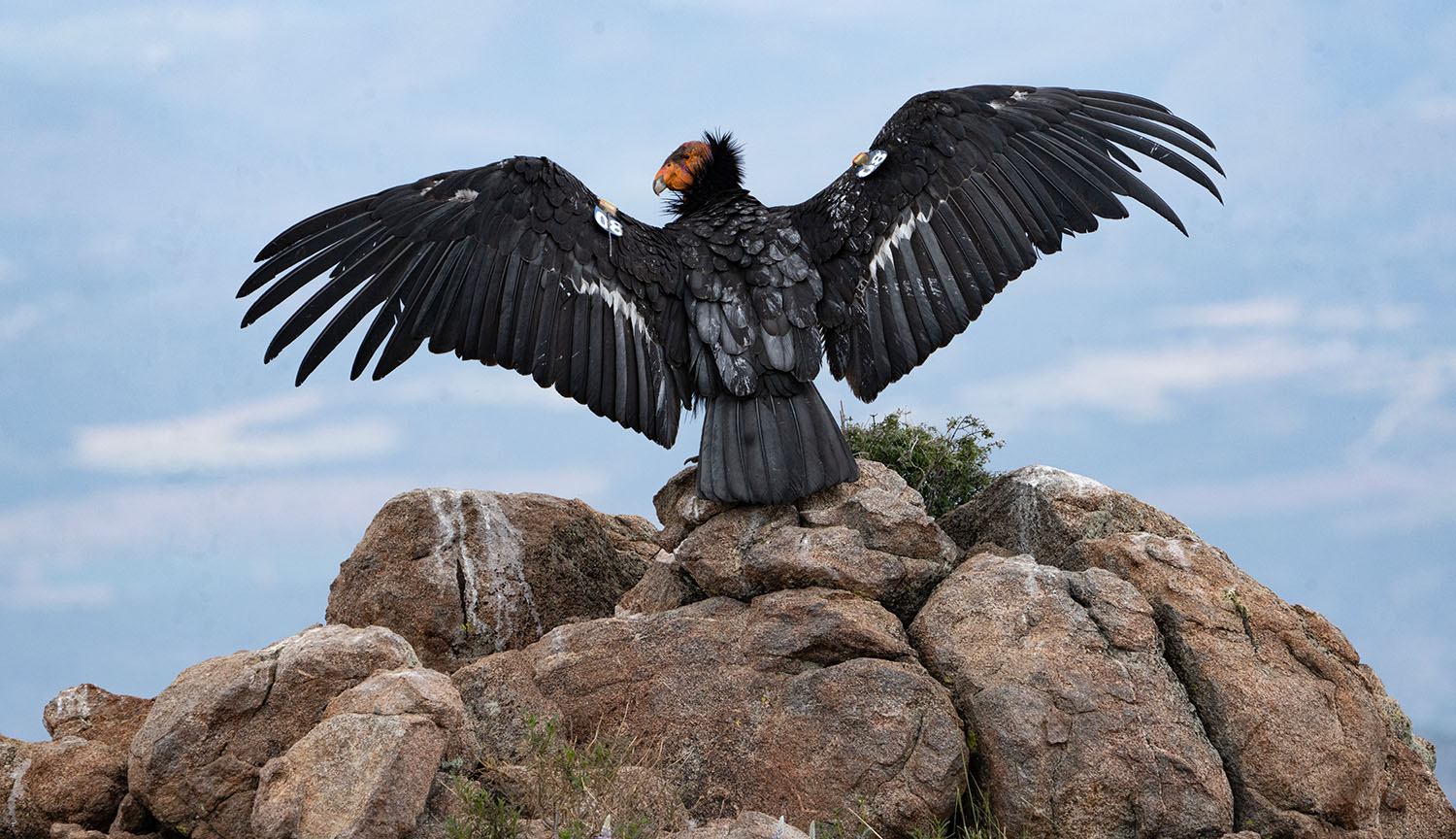
Return of the California condor

North America’s largest bird disappeared from the wild in the late 1980s. Reintroduction work in the United States and Mexico has brought this huge vulture back to the skies. This is the story of its comeback.

This is a required field
Please enter a valid email address
Approval was a Success
Invalid data
An Error Occurred
Approval was partially successful, following selected items could not be processed due to error