cookies to track usage and preferences."
data-cookieaccepttext="I UNDERSTAND"
data-cookiedeclinetext="Disable Cookies"
data-cookiepolicytext="Privacy Policy">
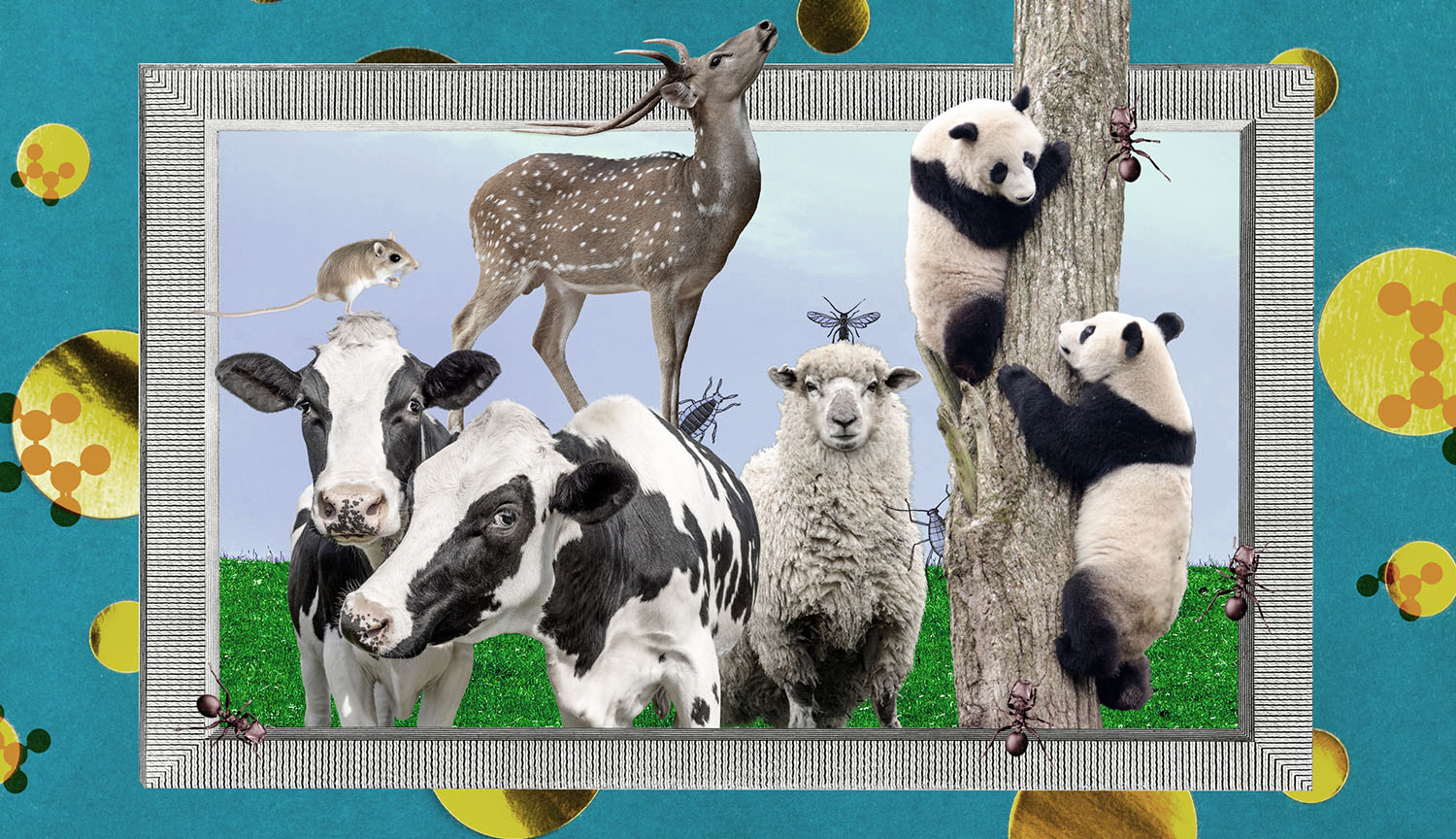
Early in evolution, we animals lost the ability to manufacture nine of the 20 building blocks needed to make proteins. Herbivores evolved an impressive array of tricks to ensure their dietary needs are met.
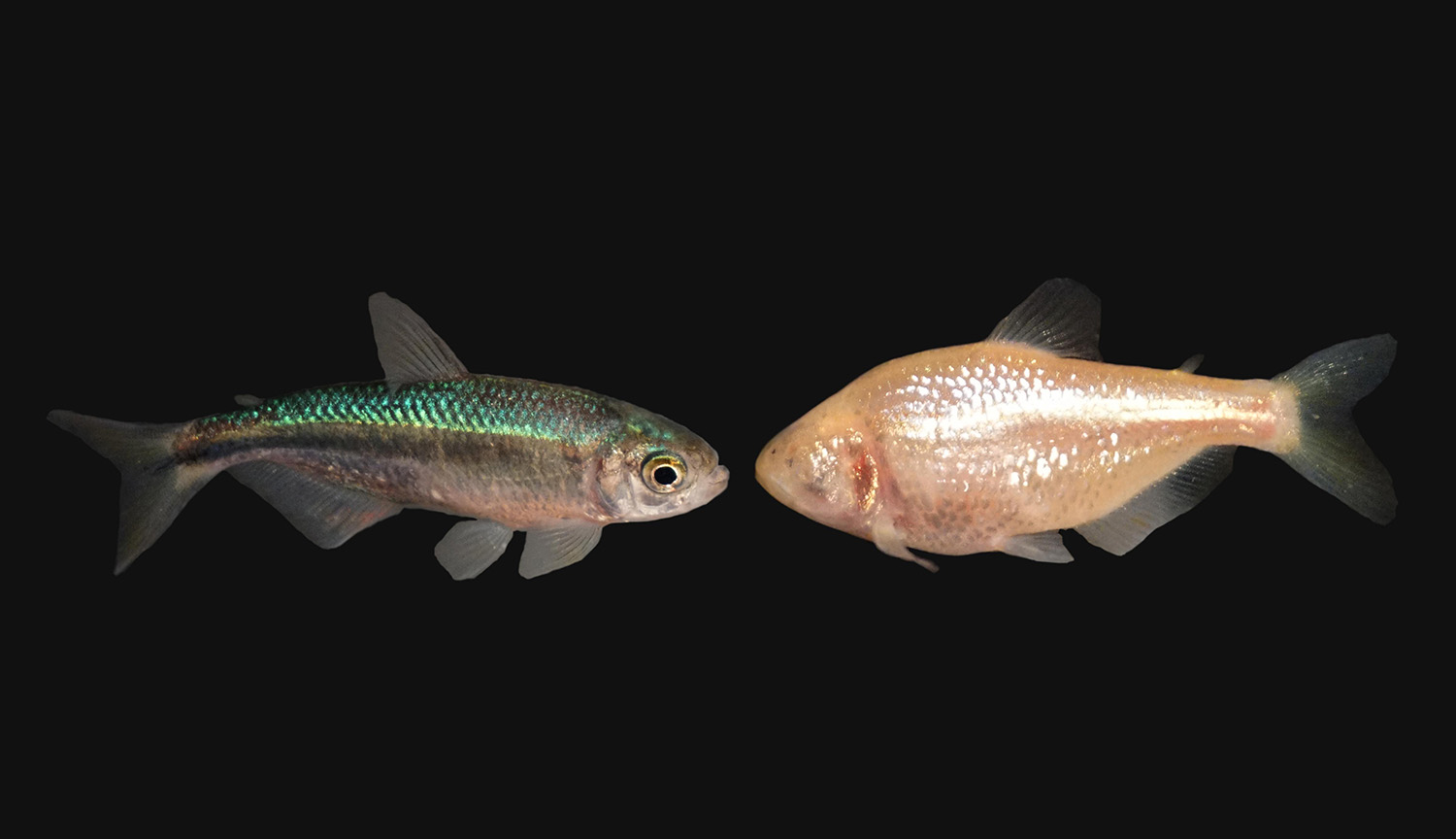
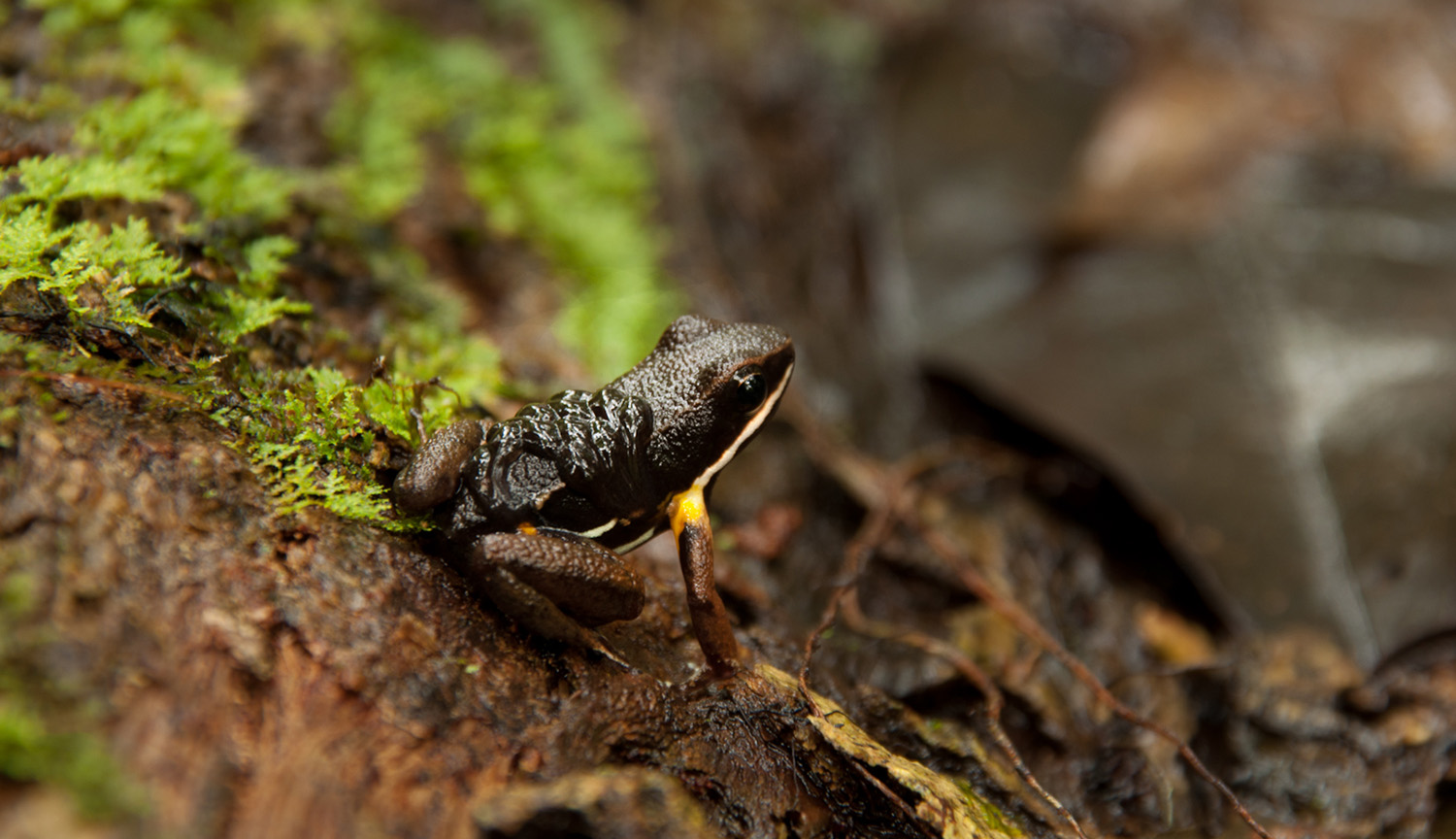
Mexican tetras that got swept into pitch-black caverns had no use for the energetically costly organs. They lost their eyes in multiple ways — and gained some nifty traits too.
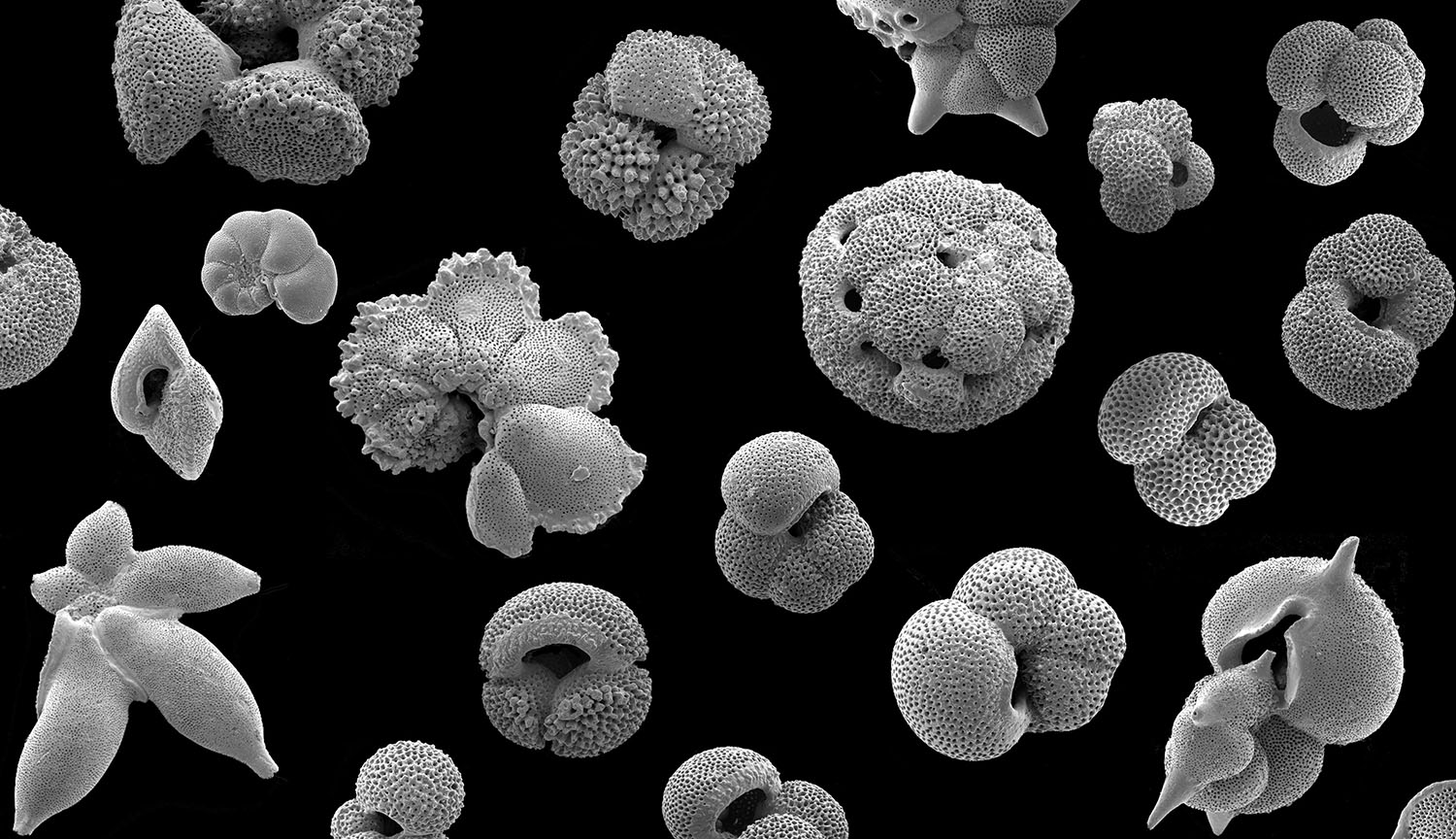
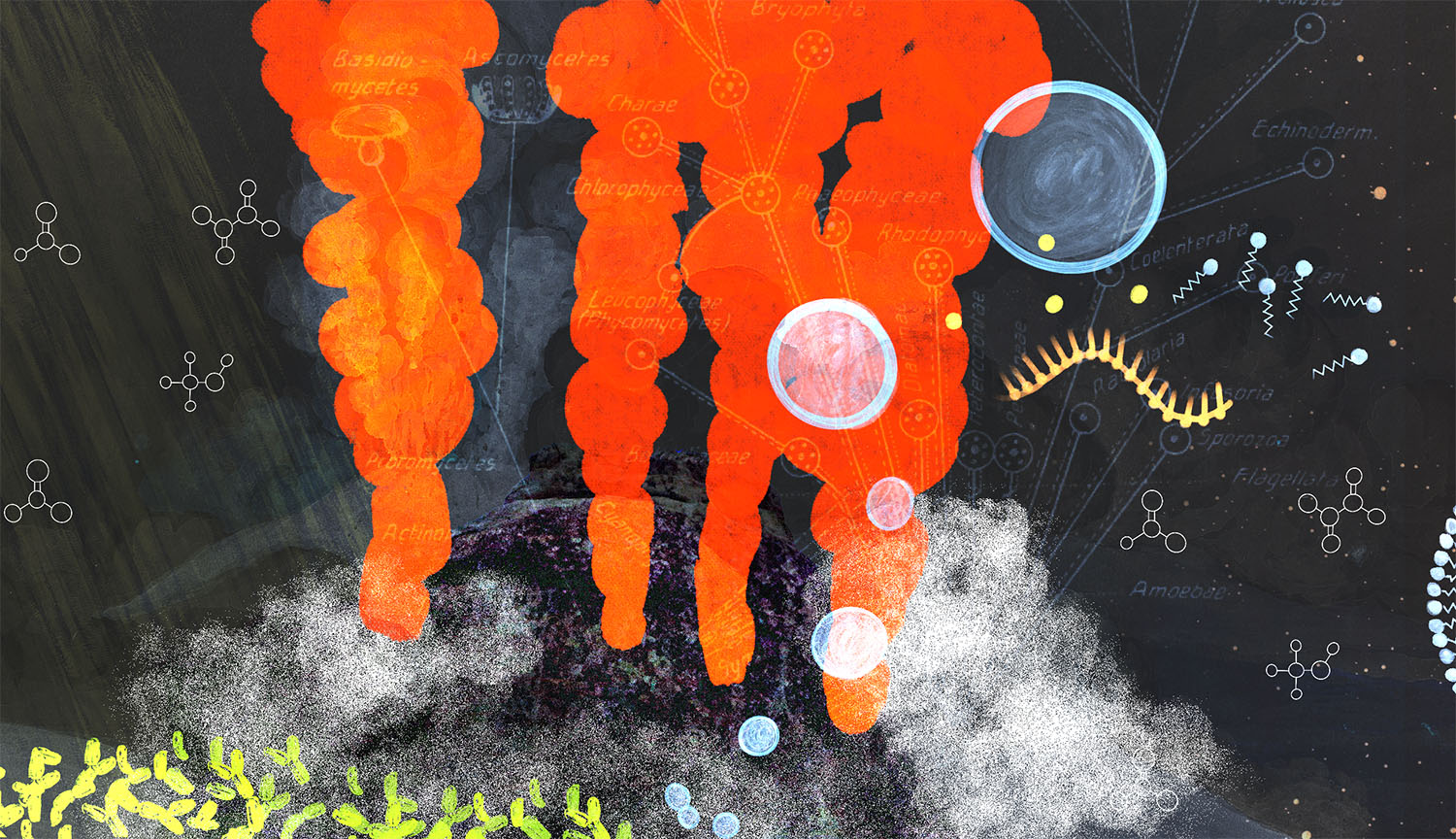
Some scientists propose that in the beginning, geochemistry gave way to biochemistry — with no genetic material necessary. Only later did RNA and DNA appear.
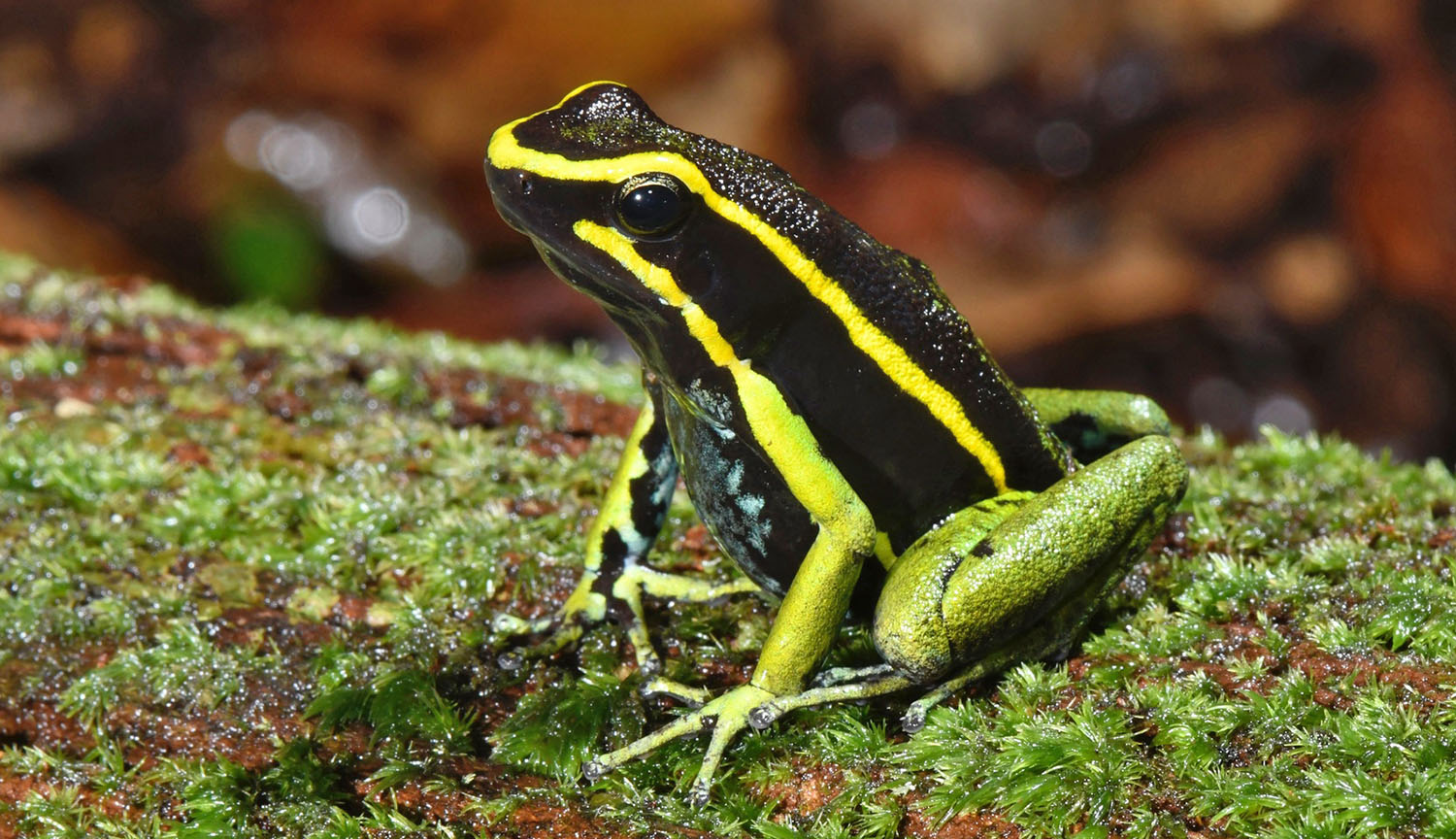
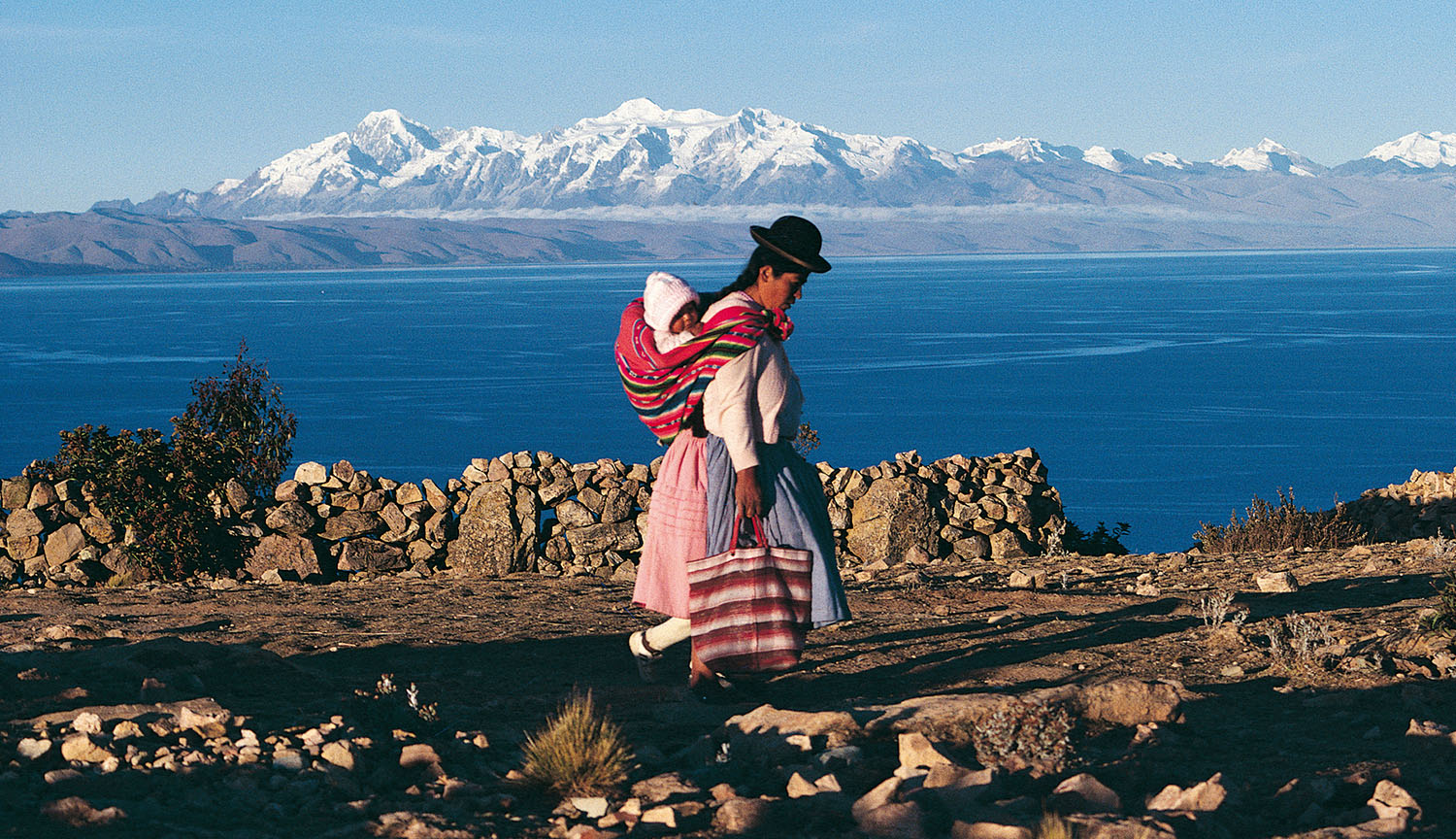
In people not adapted to life at altitude, the sparse oxygen can impair fetal growth, causing problems that can last a lifetime. Researchers are searching for remedies.
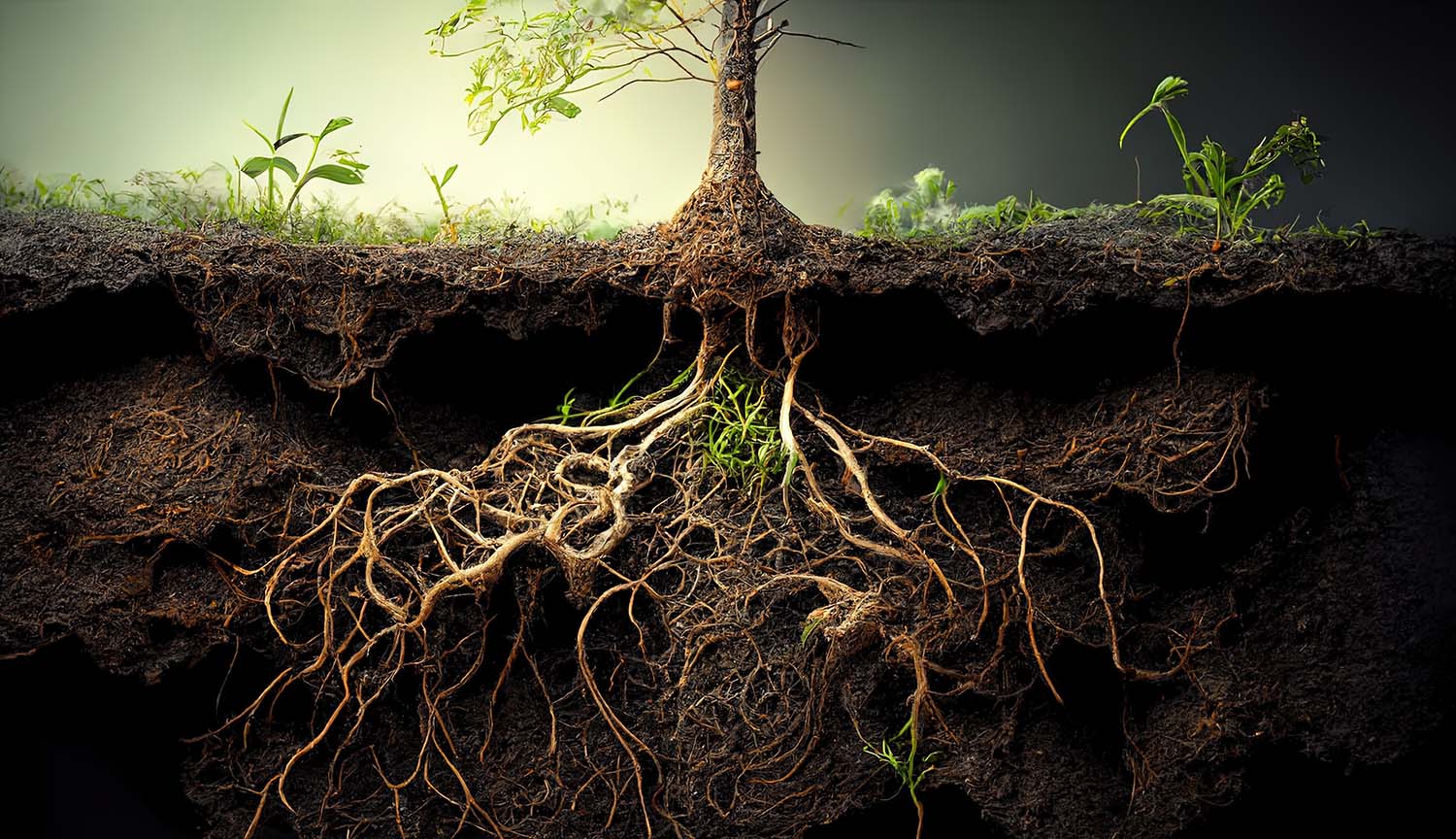
The mycorrhizae that live among and in plant roots can boost the health of certain species, and even whole ecosystems — but scientists warn against a one-size-fits-all approach
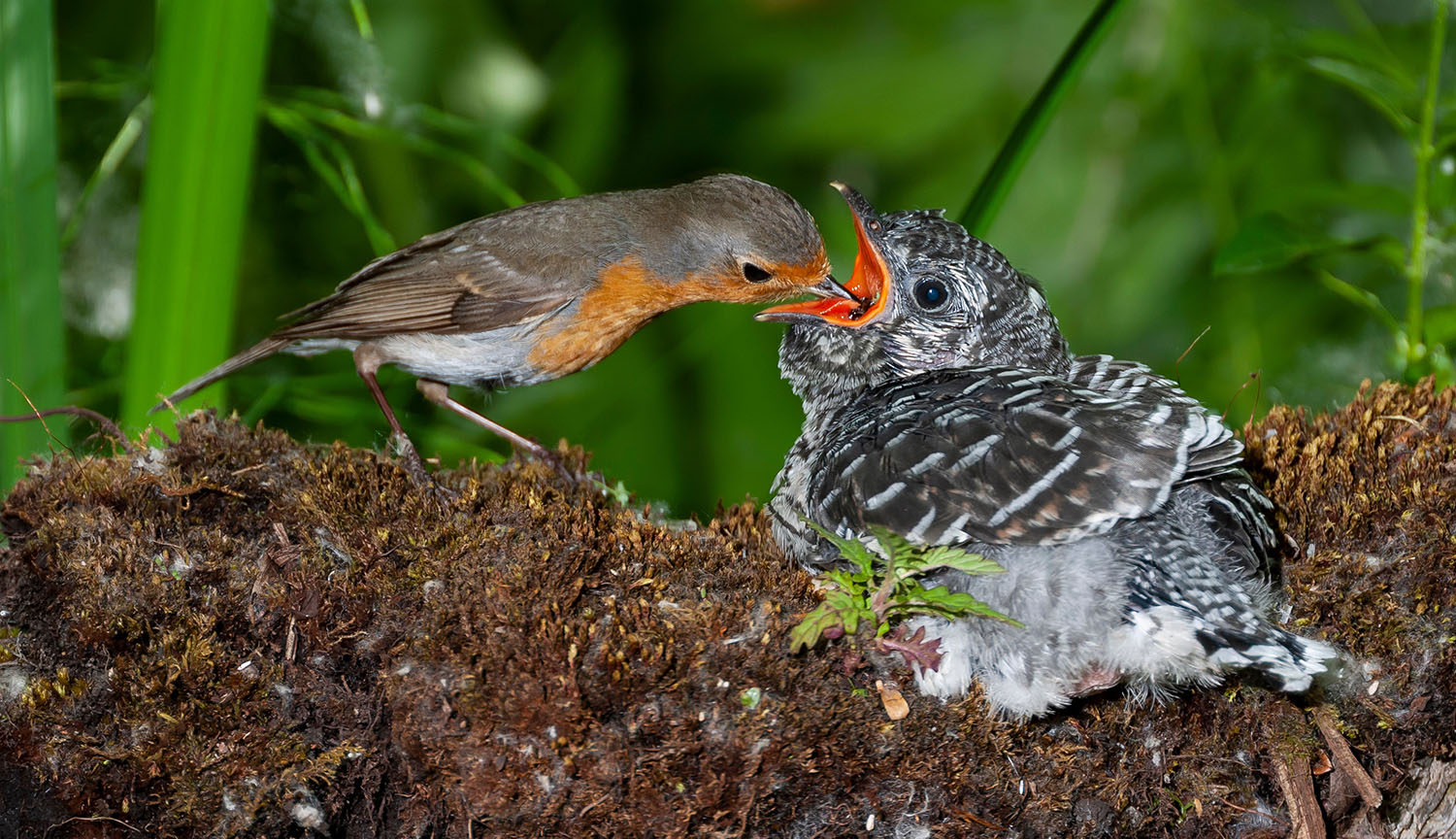
Cuckoos, cowbirds and other species outsource their parental duties. Scientists are uncovering new twists in this sneaky — and often treacherous — game of survival.
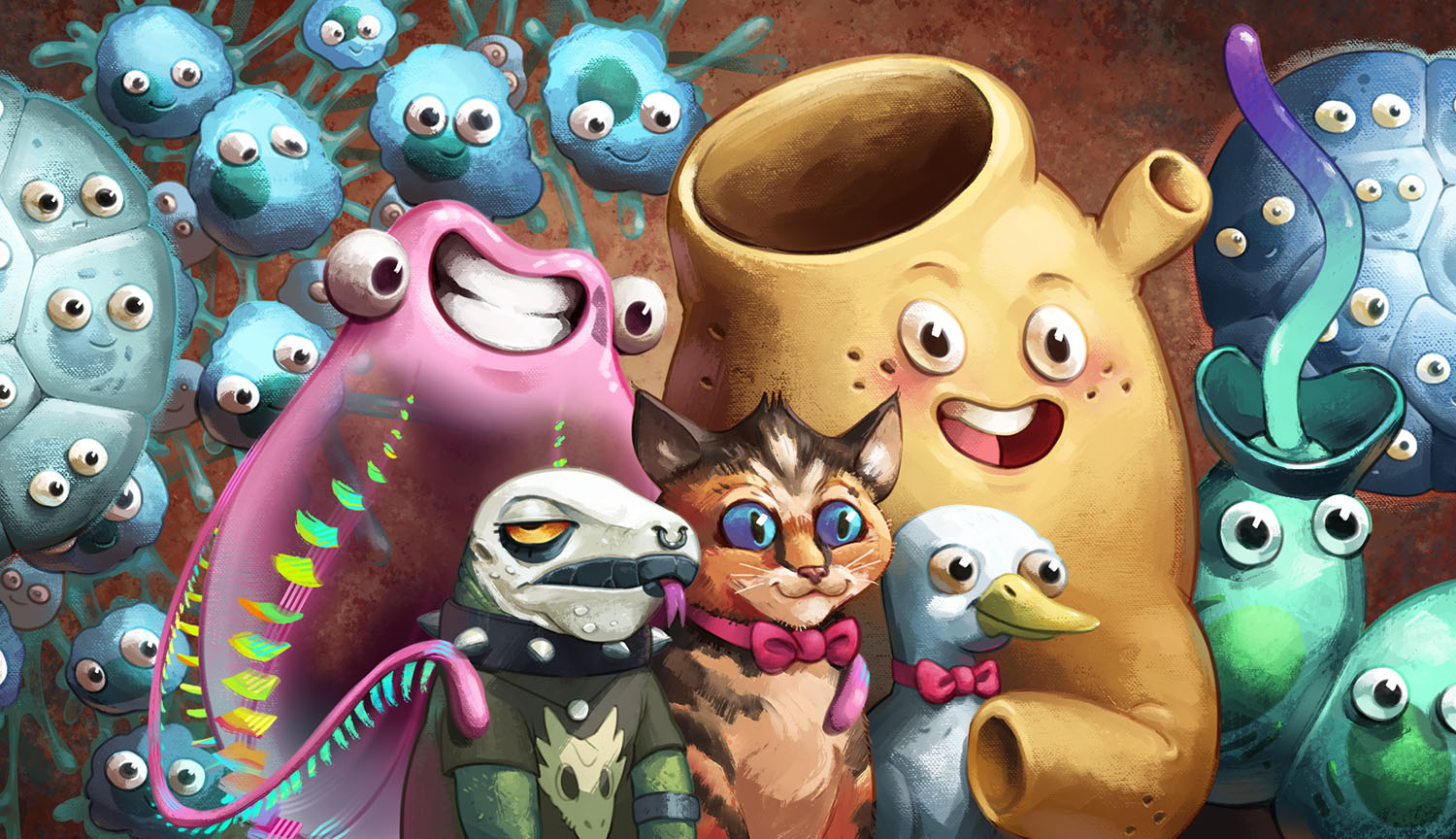
To understand the origins of multicelled life, researchers are studying a motley assortment of simpler animal relatives. The commonalities they’re unearthing offer a trove of clues about our mutual past.
Some people of West African descent face a higher risk of renal failure. New drugs based on gene research may help right the ship — if they can reach everyone who needs them.
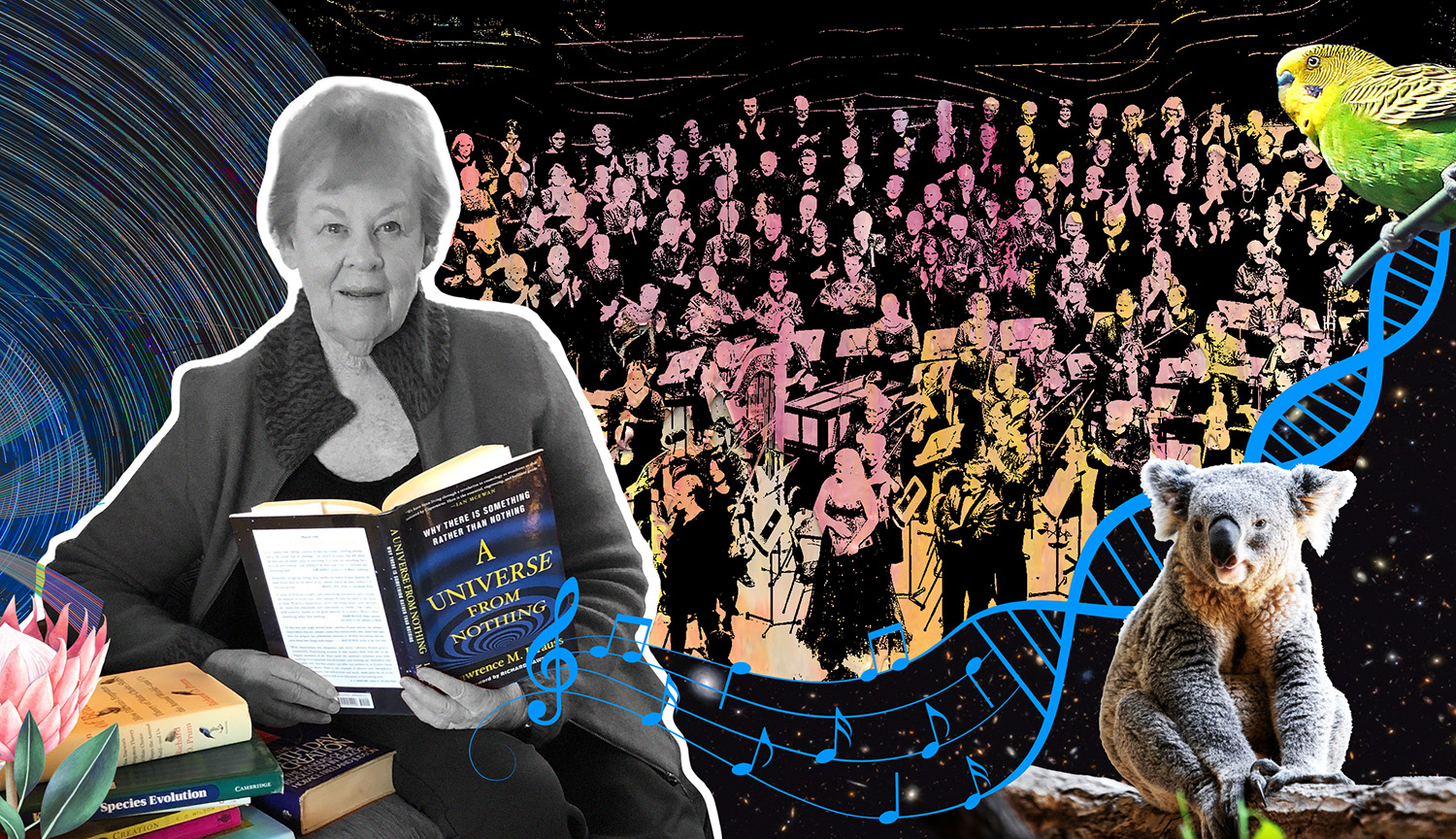
Jenny Graves has spent her life mapping genes and comparing genomes. Now she’s created a musical opus about evolution of life on this planet — bringing the same drive and experimentalism she brought to the study of marsupial chromosomes.
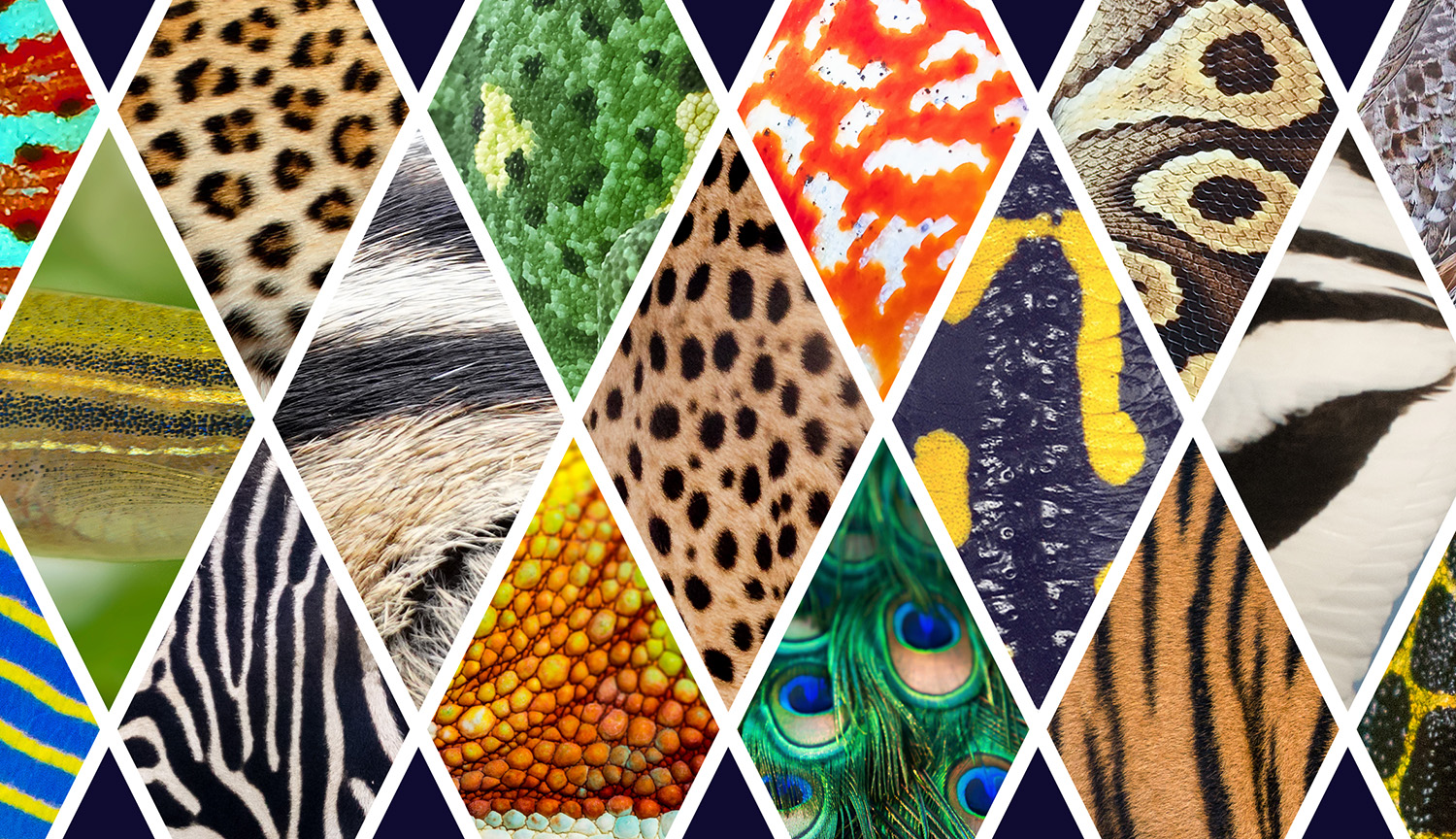
More than 70 years ago, mathematician Alan Turing proposed a mechanism that explained how patterns could emerge from bland uniformity. Scientists are still using his model — and adding new twists — to gain a deeper understanding of animal markings.
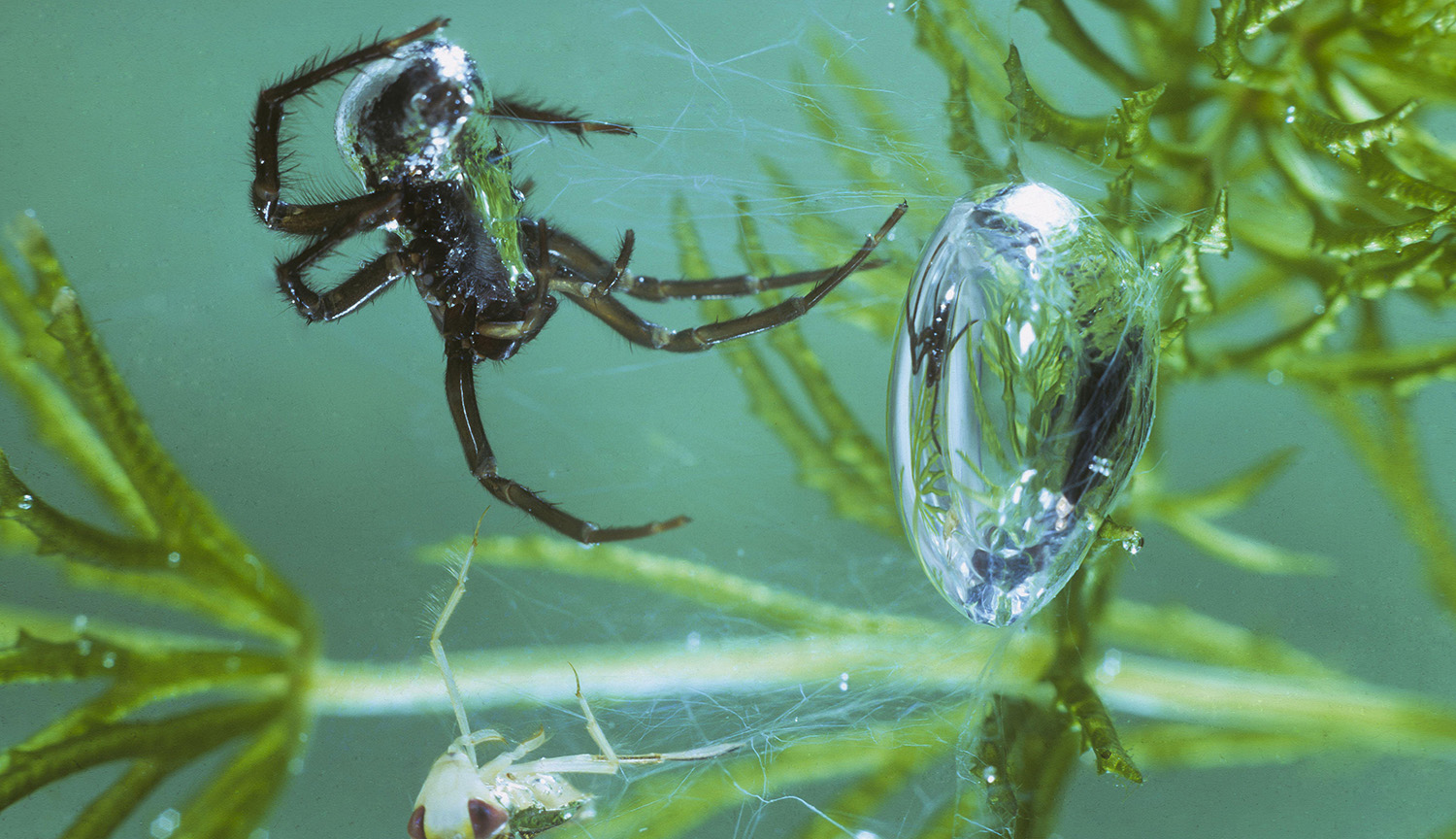
Some make nests inside seashells, others tote bubbles of air on their backs. The spiders that went back to water evolved lots of slick survival strategies.
Close X
This is not a paywall.
Knowable Magazine is free to read. But just because our articles are free to read doesn’t mean they are free to produce. If you value our trustworthy science journalism, please support it with a donation.