cookies to track usage and preferences."
data-cookieaccepttext="I UNDERSTAND"
data-cookiedeclinetext="Disable Cookies"
data-cookiepolicytext="Privacy Policy">
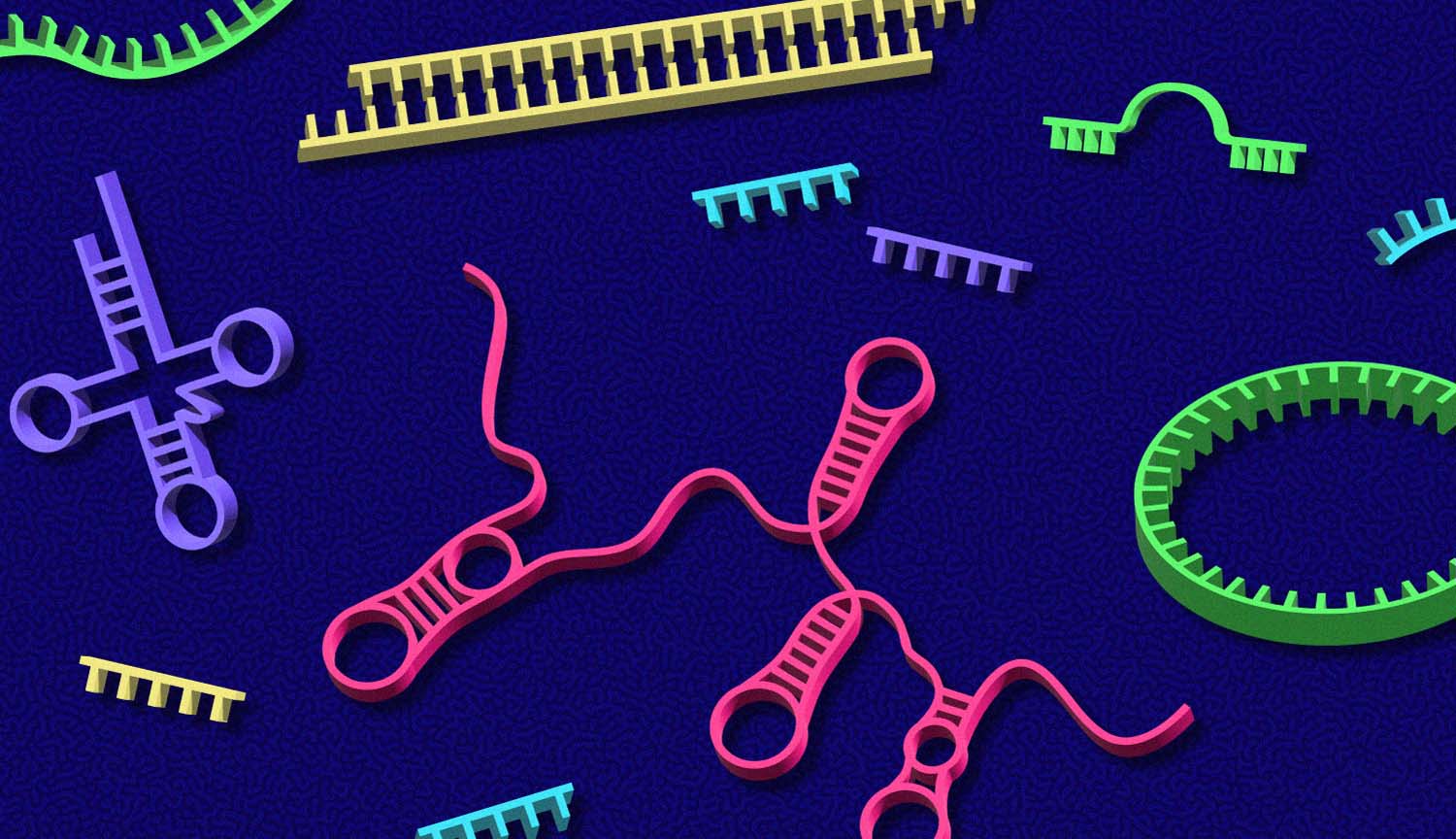
Once considered cellular junk, non-coding RNAs are emerging as key players in everything from brain development to cancer — with much still to be discovered
Scientists are learning more about this leading complication of childbirth. Treatments are improving and doctors can test for biological markers that flag heightened risk.
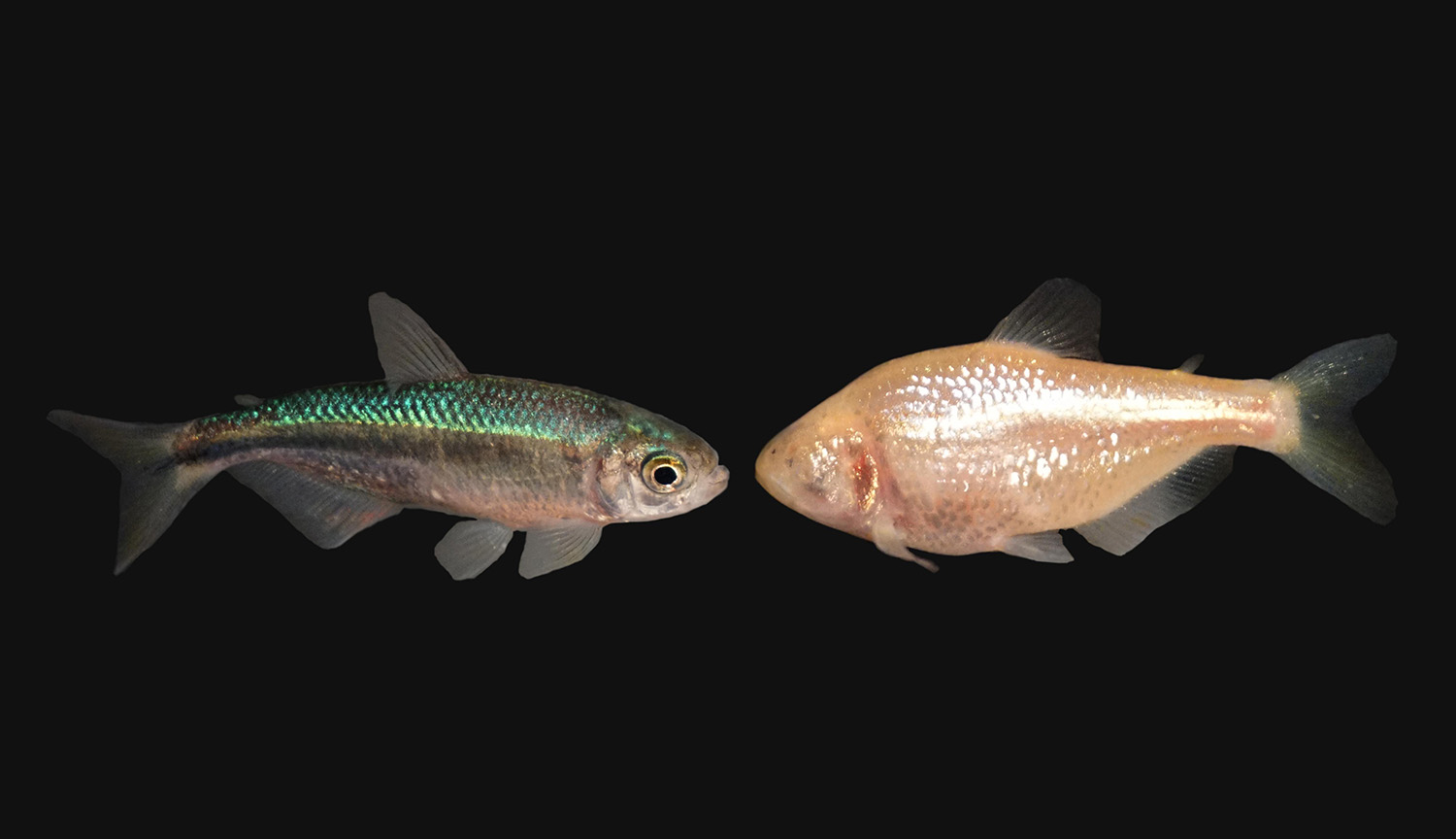
Mexican tetras that got swept into pitch-black caverns had no use for the energetically costly organs. They lost their eyes in multiple ways — and gained some nifty traits too.
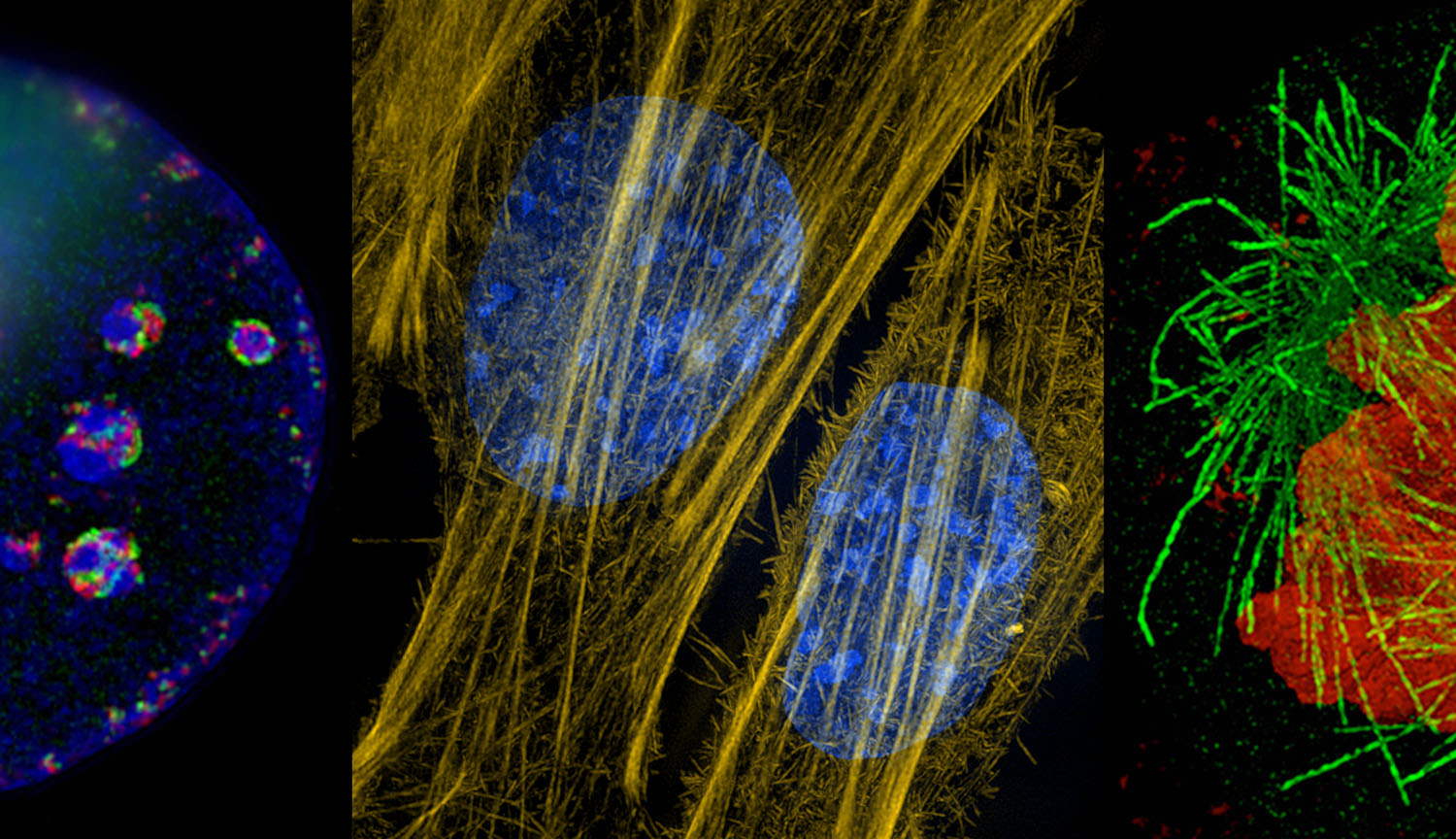
Advanced light microscopy techniques have come into their own — and are giving scientists a new understanding of human biology and what goes wrong in disease
Our genomes are peppered with DNA segments called retrotransposons that can move from place to place. When unleashed, some can kill nerves and promote inflammation — a discovery that may inspire treatments for neurodegeneration.
Picture your body: It’s a collection of cells carrying thousands of DNA errors accrued over a lifetime — many harmless, some bad, and at least a few that may be good for you.
Neurologists have grappled with a cluster of amyotrophic lateral sclerosis cases in France, where a fondness for a toxic wild mushroom may hold the answer
Short sleepers cruise by on four to six hours a night and don’t seem to suffer ill effects. Turns out they’re genetically built to require less sleep than the rest of us.
Kids with disruptive mood dysregulation disorder have explosive outbursts well past toddler age. Scientists are trying to work out the causes and what treatments help.
In the international competition, people with physical disabilities put state-of-the-art devices to the test as they race to complete the tasks of everyday life
One class of drugs has already found success in treating the painful, disorienting and common attacks. Excitement is building about a slew of additional drug targets.
Population and animal studies suggested it could treat cancer, but the clinical trials were a bust. Here’s what happened and what potential may remain.
It’s clear that genes, receptors and neurons all play a role in detecting odors. But much of how we make sense of what we sniff remains mysterious. A neuroscientist explains.
Close X
This is not a paywall.
Knowable Magazine is free to read. But just because our articles are free to read doesn’t mean they are free to produce. If you value our trustworthy science journalism, please support it with a donation.