Skip to content
cookies to track usage and preferences." data-cookieaccepttext="I UNDERSTAND" data-cookiedeclinetext="Disable Cookies" data-cookiepolicytext="Privacy Policy">
1932

Pharmacology

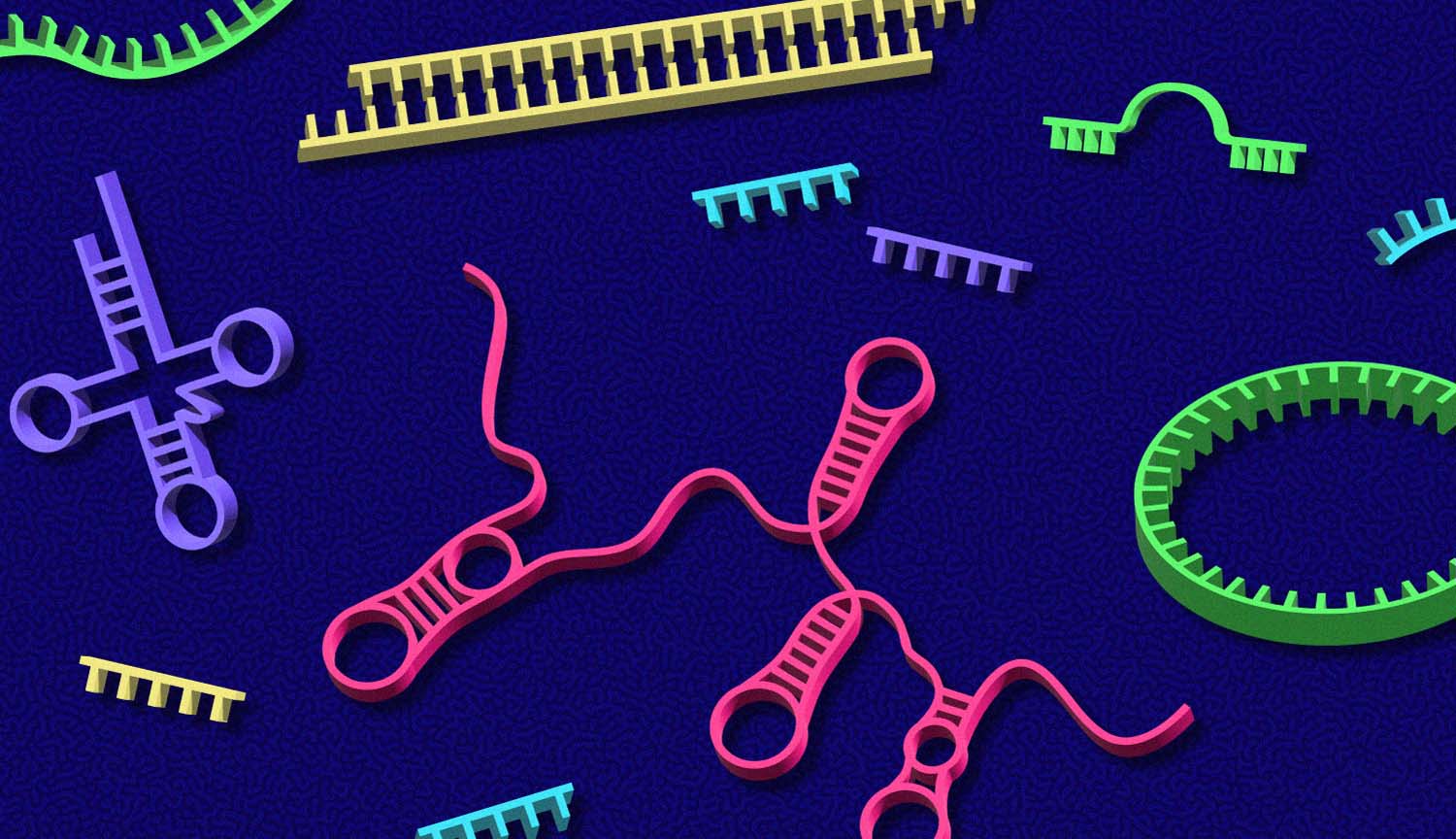
The silent majority: RNAs that don’t make proteins

Once considered cellular junk, non-coding RNAs are emerging as key players in everything from brain development to cancer — with much still to be discovered

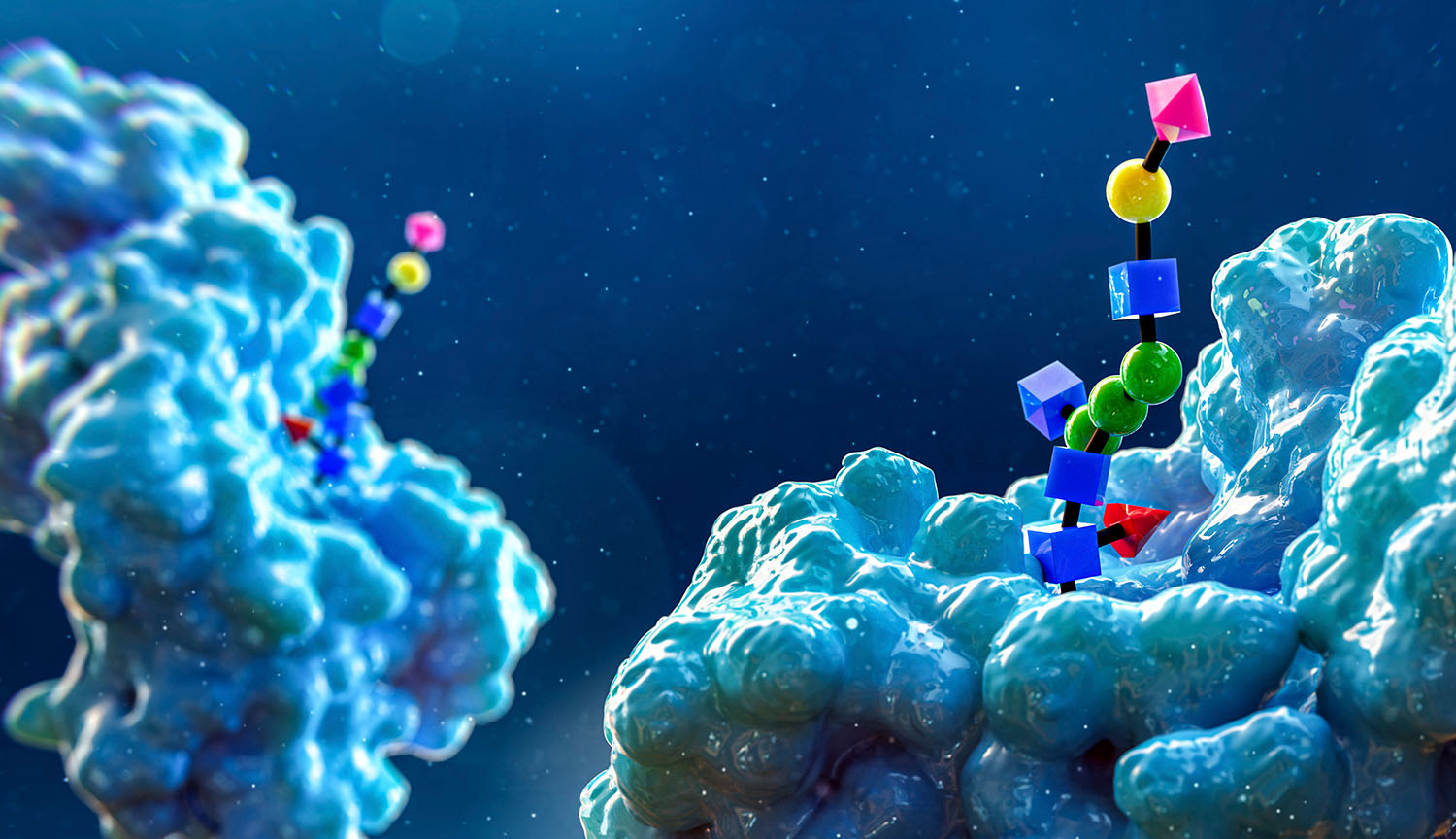
Sweet! The cell’s sugary coating comes into view

Built from thickets of glucose, galactose, mannose and more, the glycome plays key roles in cell communication, immunity and the blood-brain barrier

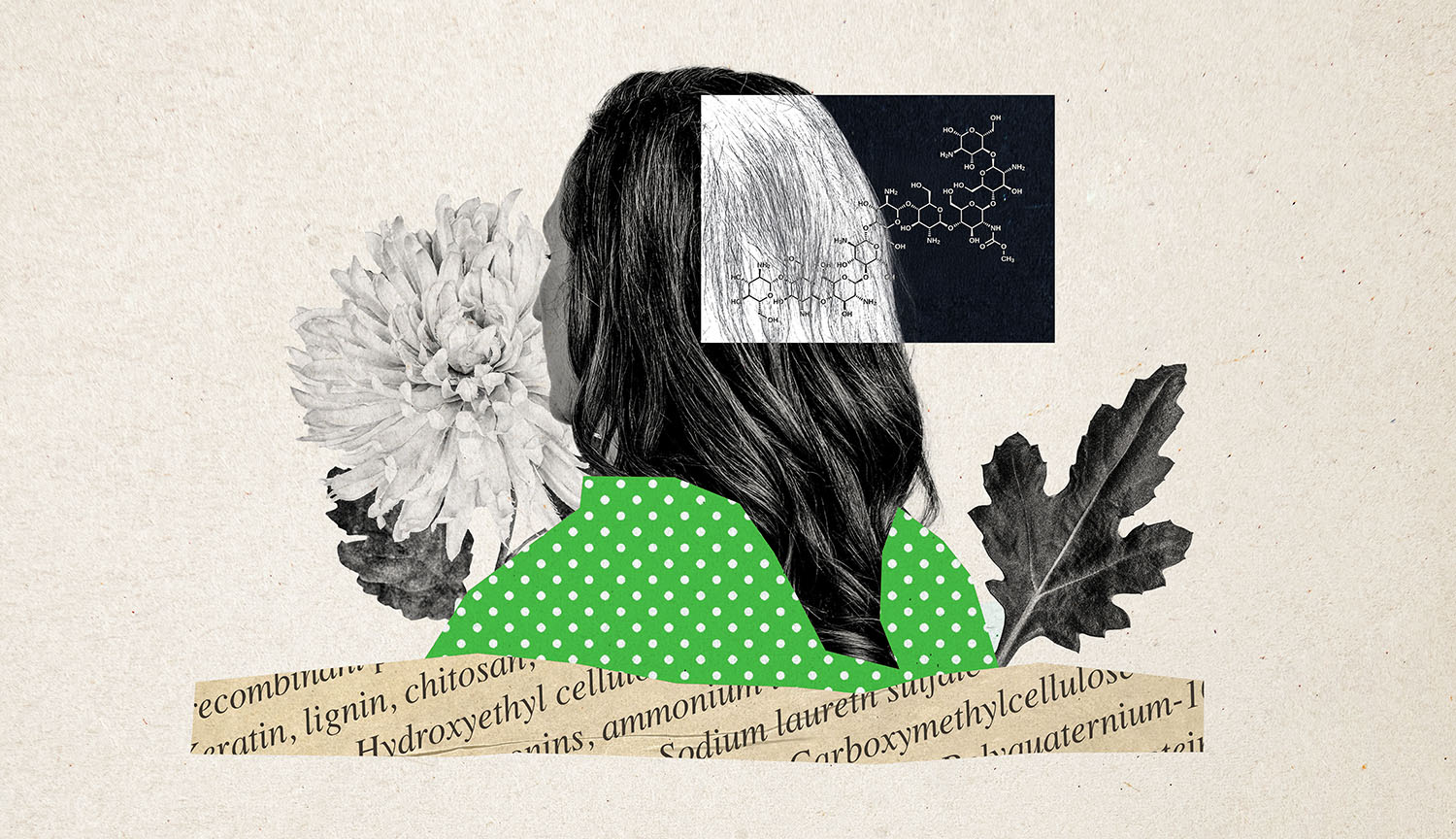
The science of green hair care

A push to move away from petroleum products — plus the perception that natural is gentler — has scientists lathering up new ingredients, from wood and fungus extracts to engineered proteins

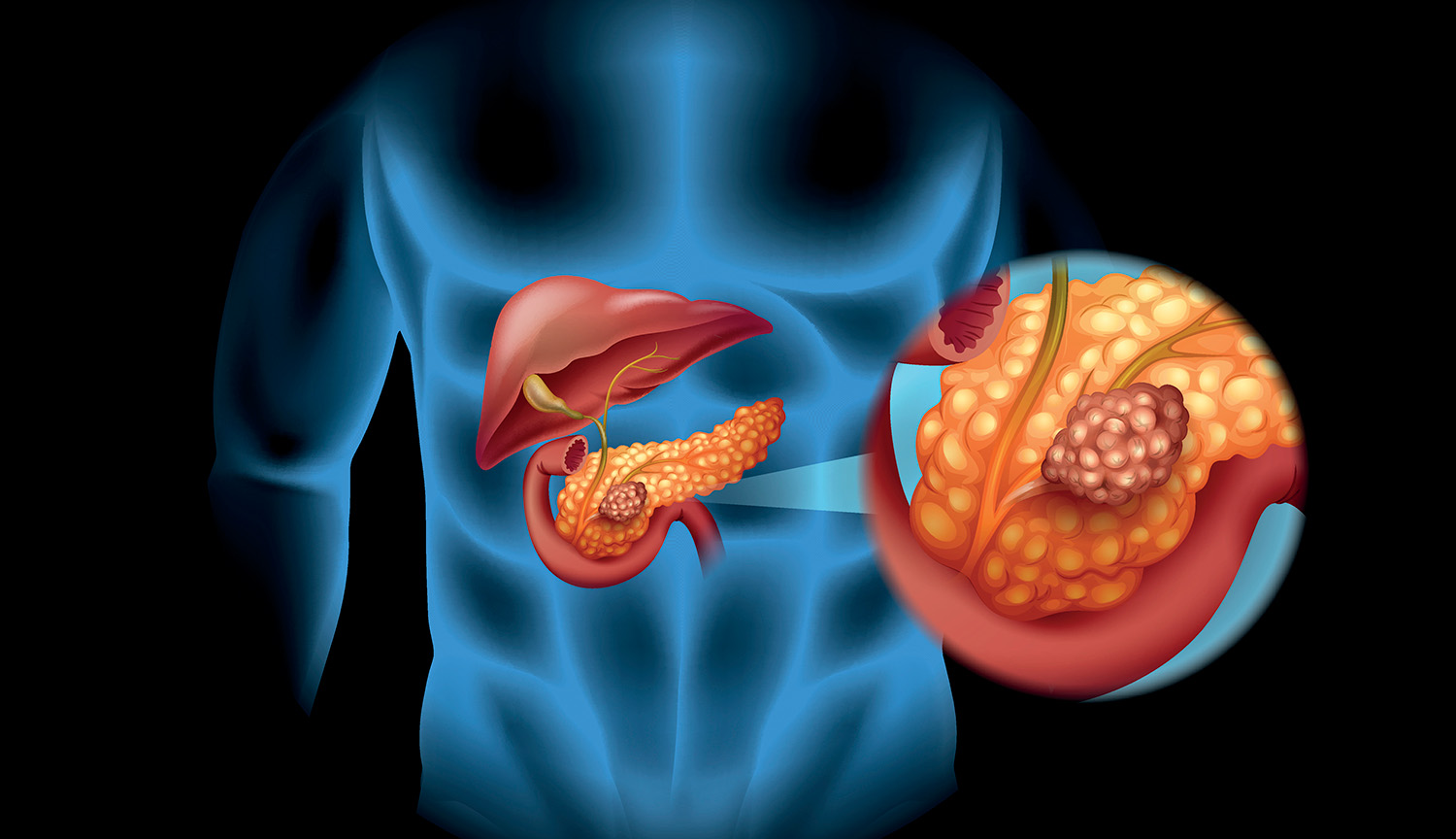
Progress fighting pancreatic cancer — one of the deadliest malignancies

Better outcomes may come from new drugs, strategies to rev up the immune system and learning to identify the disease sooner in its course

Achieving lasting remission for HIV

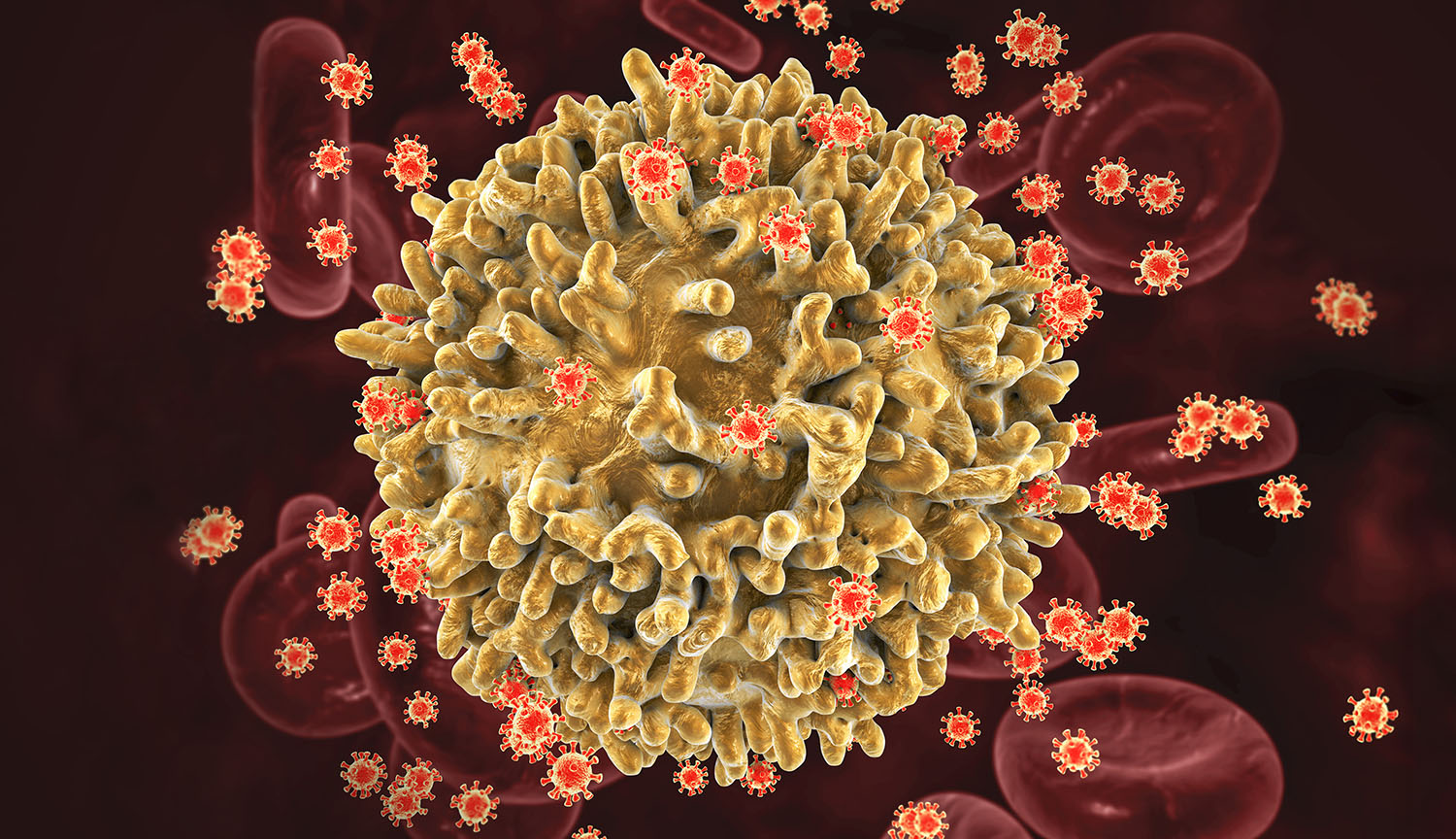
People infected with HIV must take antiretroviral drugs for life. But promising trials using engineered antibodies suggest that ‘functional cures’ may be in reach.

Animals that eat poisons and don’t die

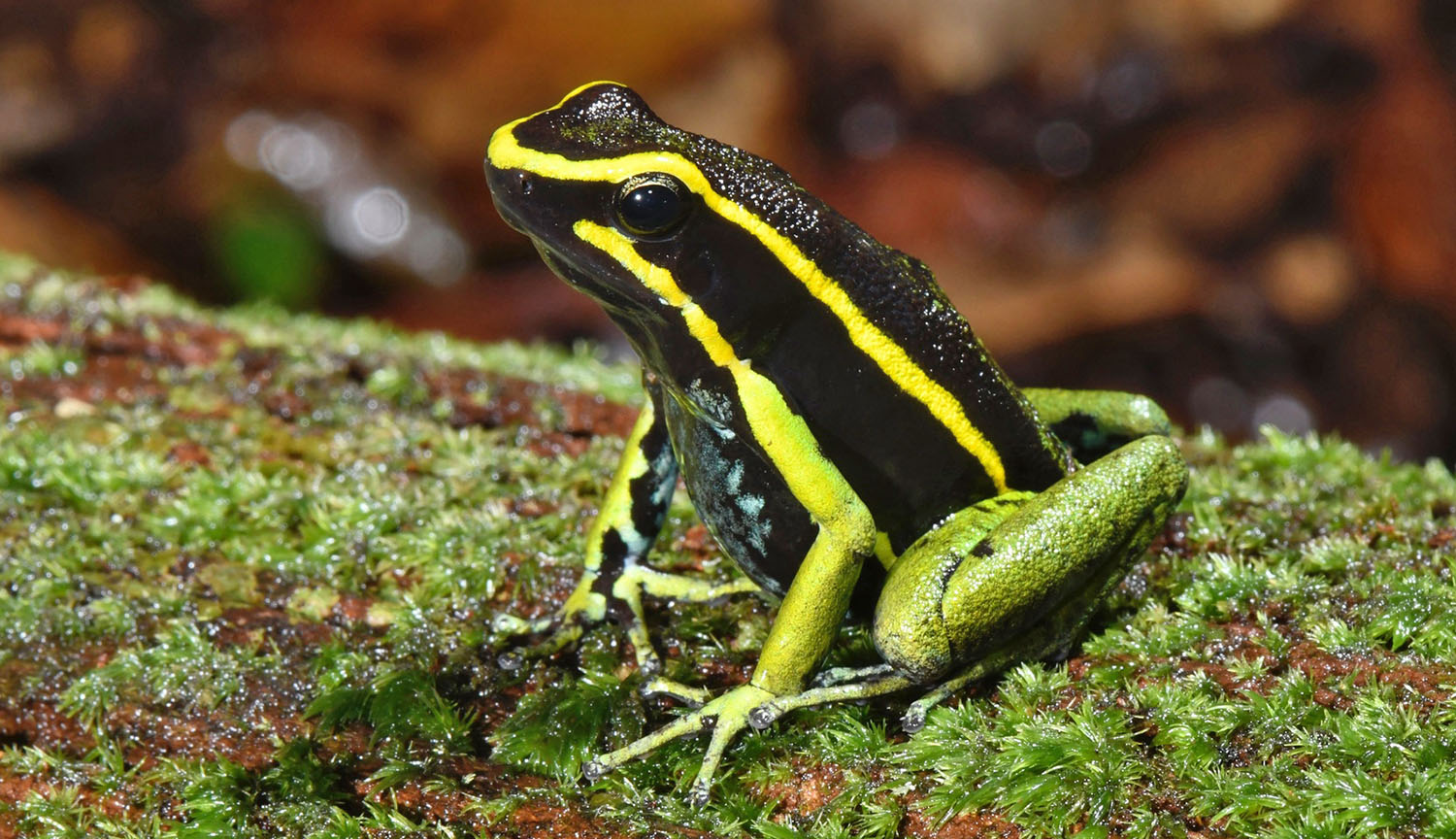
Critters consuming species that contain deadly toxins have evolved a suite of clever strategies to keep out of harm’s way

Postpartum depression: Better remedies, and now a predictive blood test

Scientists are learning more about this leading complication of childbirth. Treatments are improving and doctors can test for biological markers that flag heightened risk.

Using pollen to make paper, sponges and more

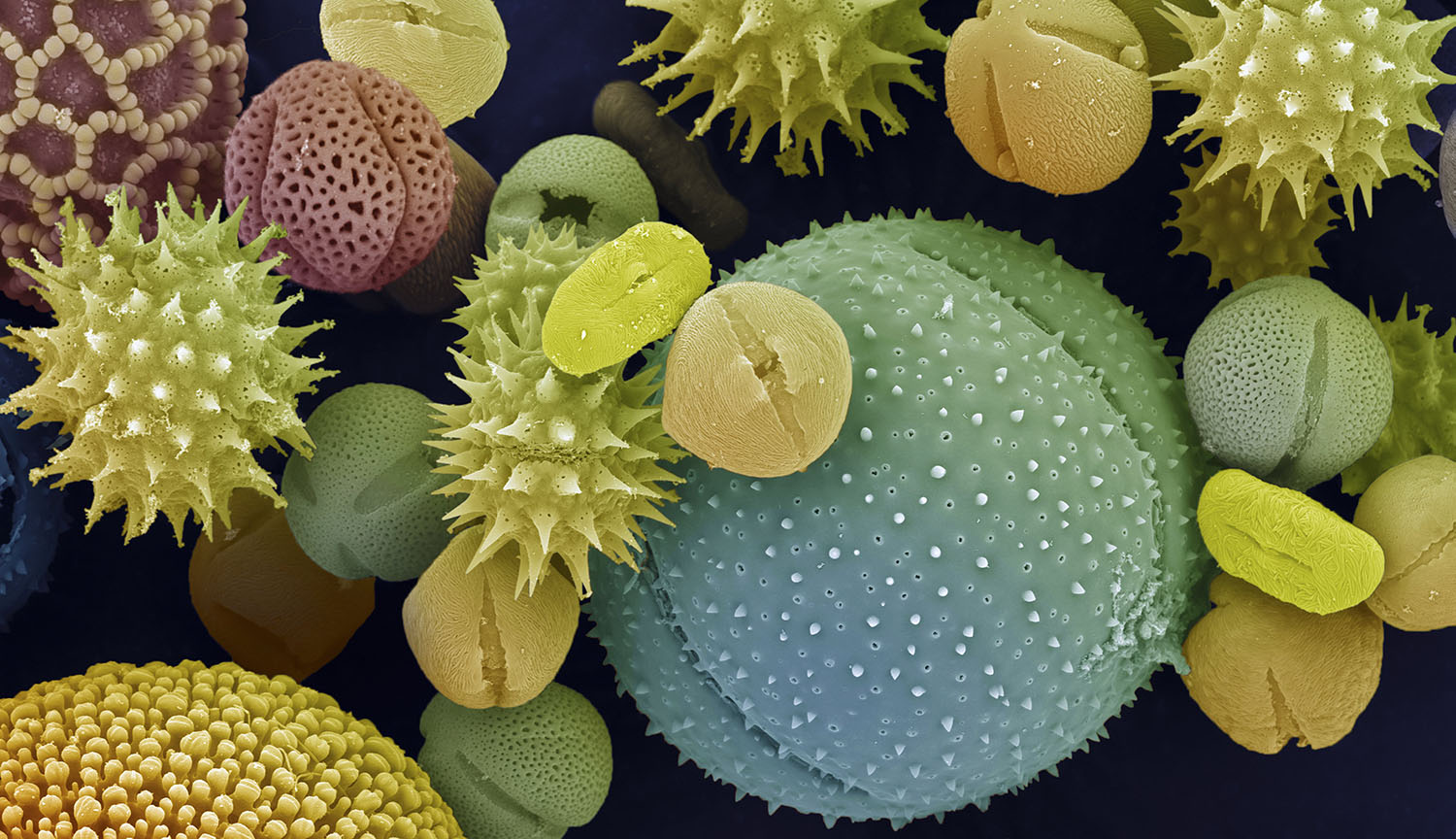
Reengineered, the powdery stuff could become a range of eco-friendly objects

HIV medications: Did fears about side effects come to pass?

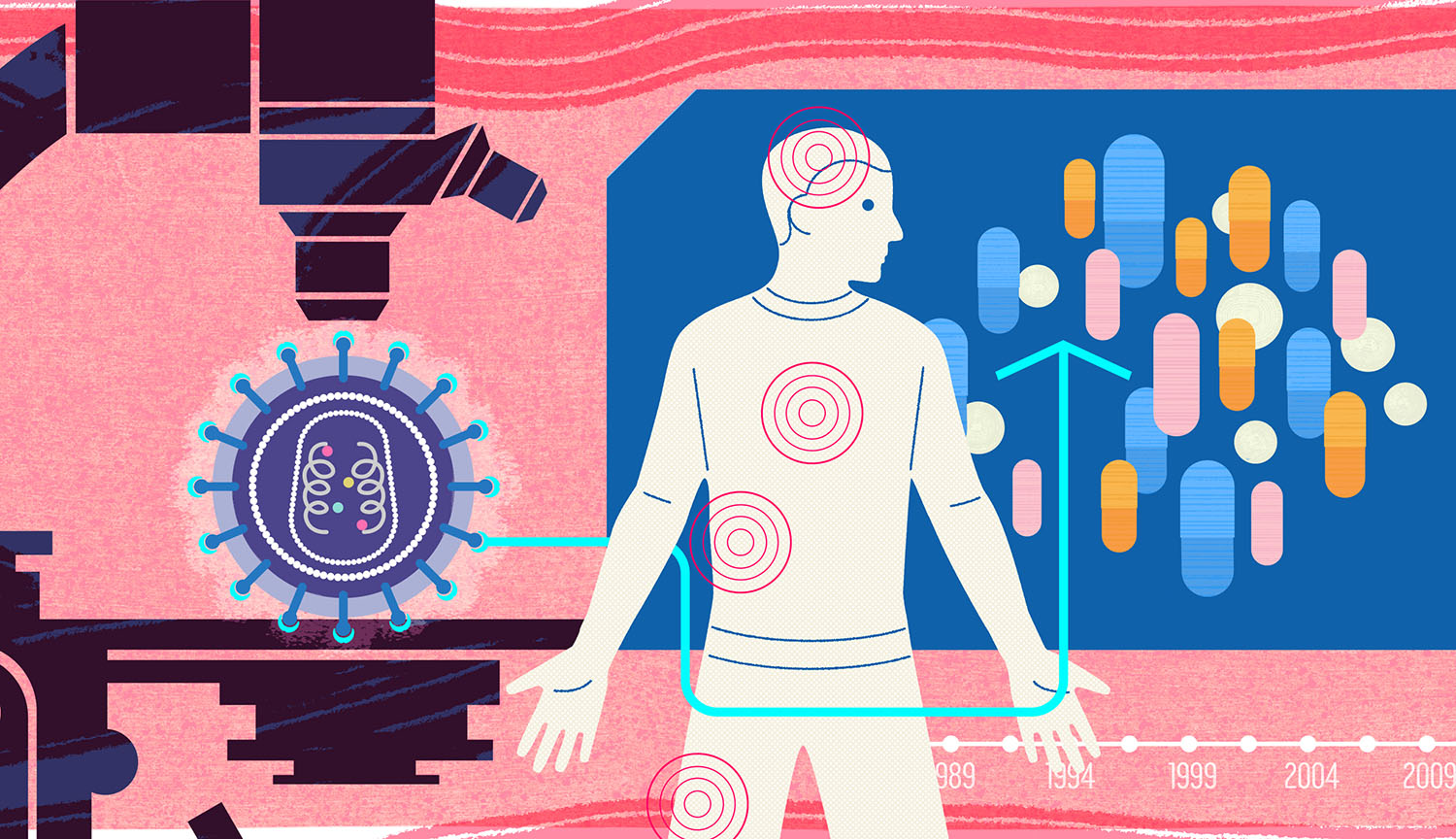
The emergence of antiretroviral drugs saved millions of lives — but some worried about long-term health problems. Here’s how that turned out.

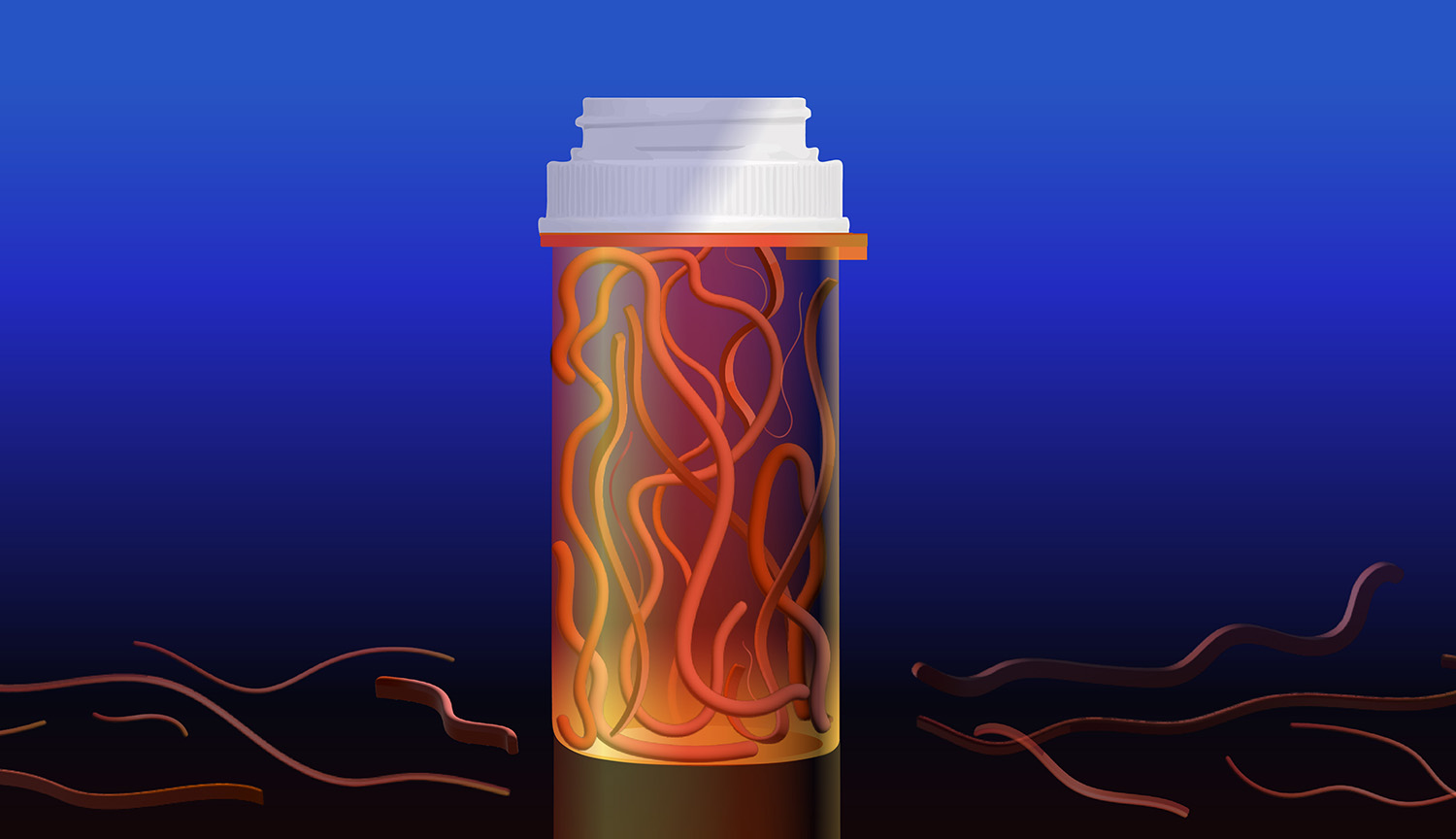
Worm-inspired treatments inch toward the clinic

Infection by certain wrigglers may reduce inflammation and fight obesity and diabetes. Scientists are at work to turn the findings into therapies.

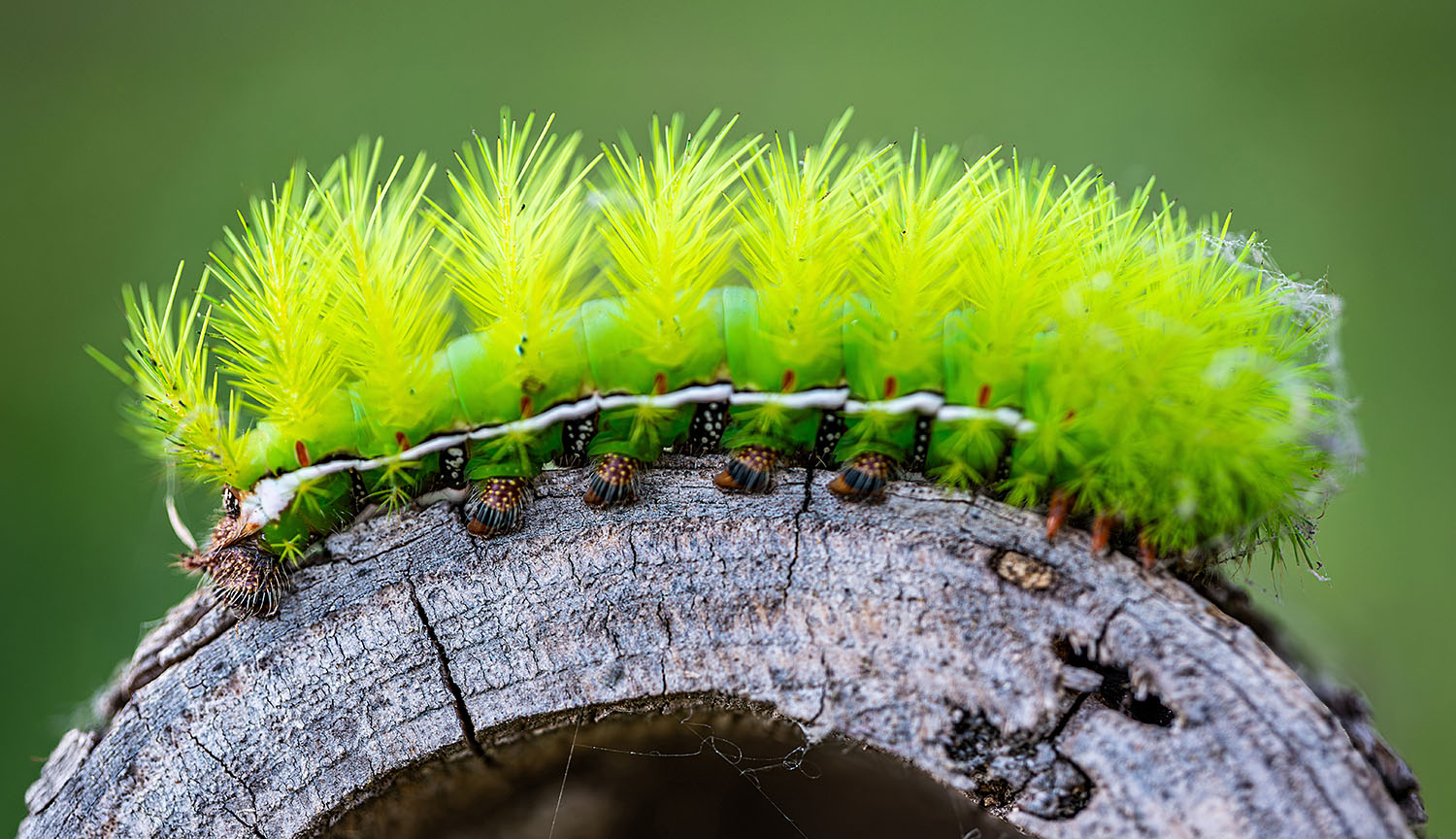
The caterpillars that can kill you

Some species make venoms that are deadly. With more research, those toxic compounds could yield useful medicines.

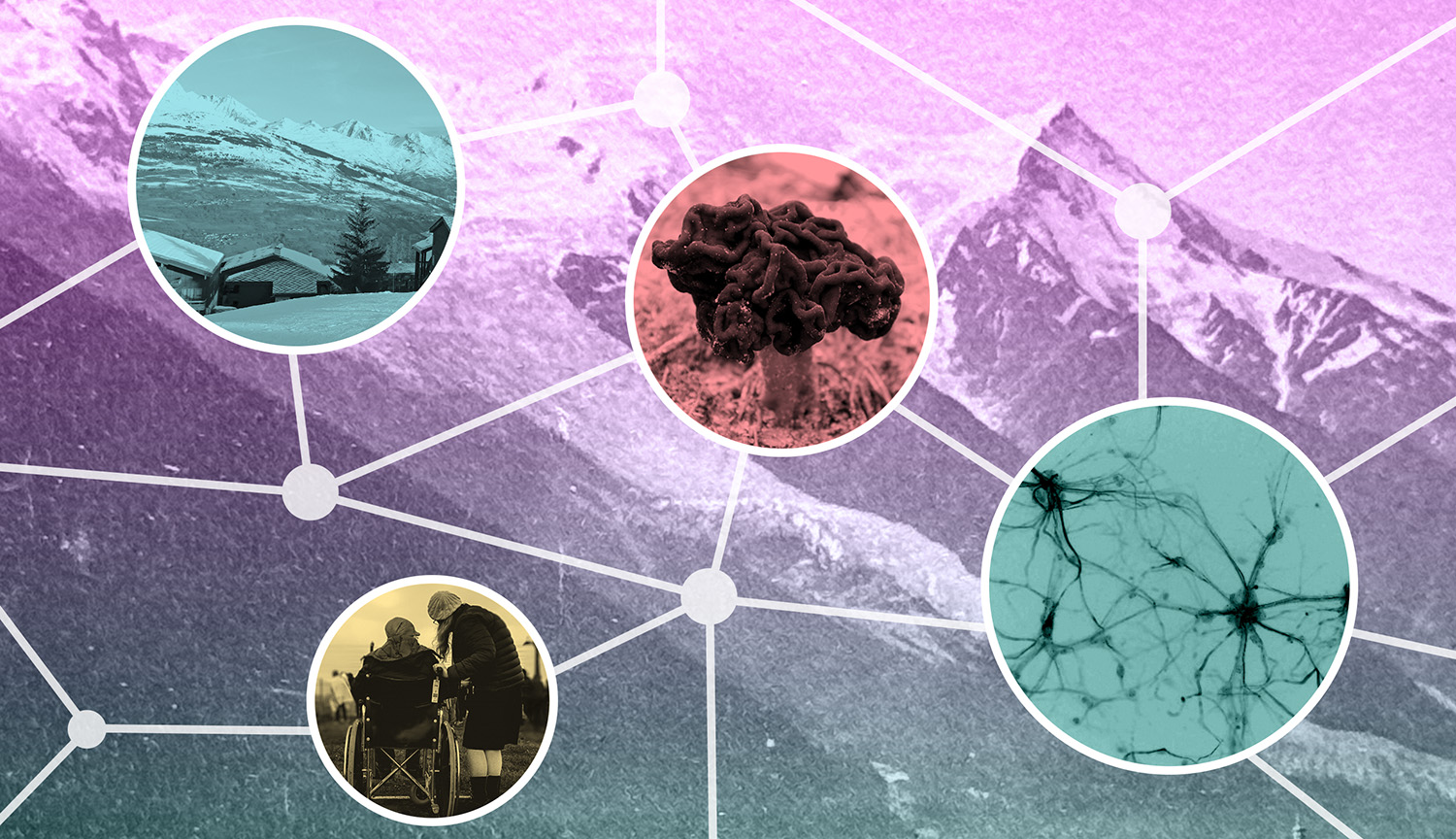
A devastating nerve disease stalks a mountain village

Neurologists have grappled with a cluster of amyotrophic lateral sclerosis cases in France, where a fondness for a toxic wild mushroom may hold the answer

Severe irritability in children and teens: A new understanding

Kids with disruptive mood dysregulation disorder have explosive outbursts well past toddler age. Scientists are trying to work out the causes and what treatments help.

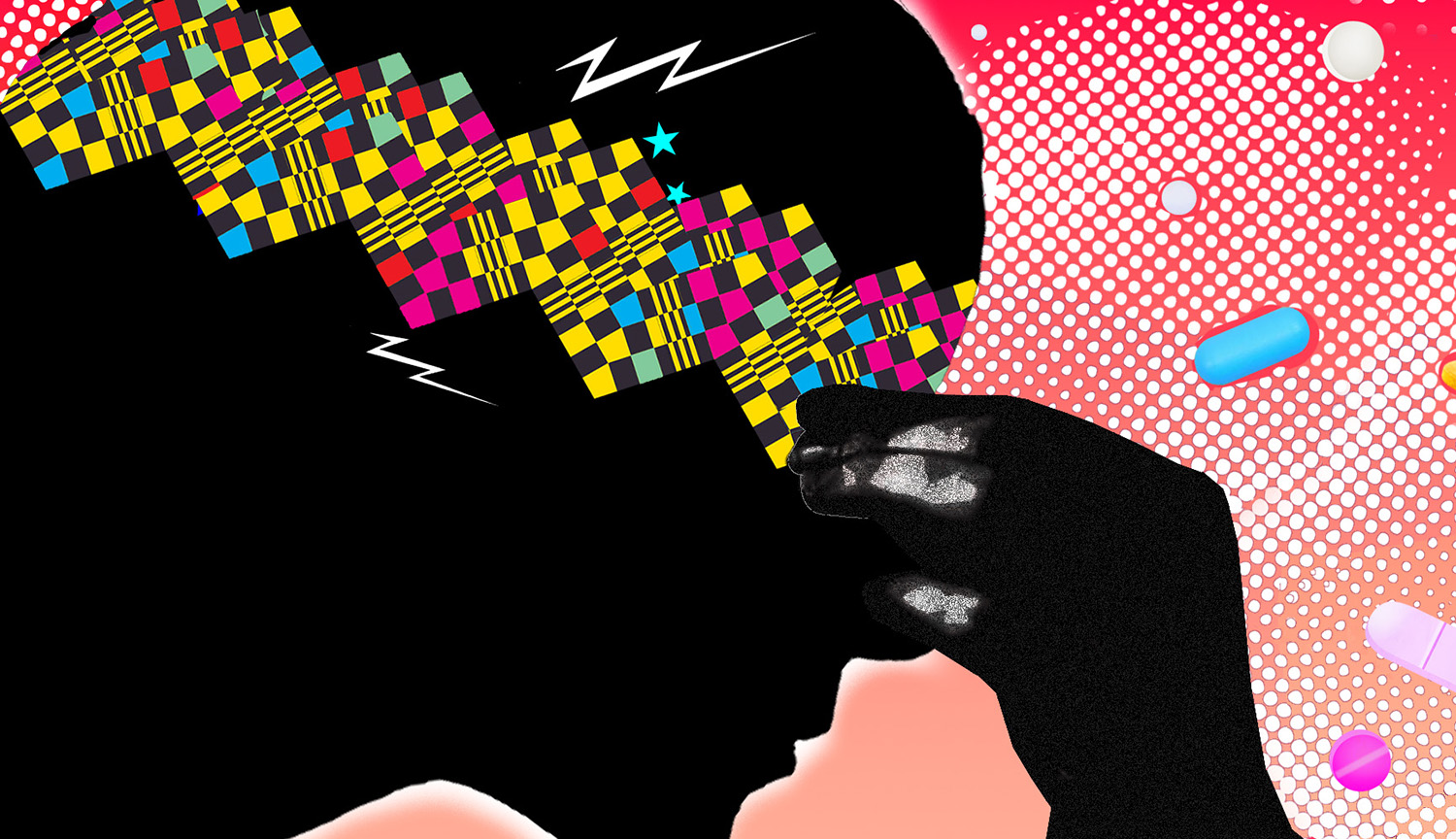
Studies of migraine’s many triggers offer paths to new therapies

One class of drugs has already found success in treating the painful, disorienting and common attacks. Excitement is building about a slew of additional drug targets.

Why a diabetes drug fell short of anticancer hopes

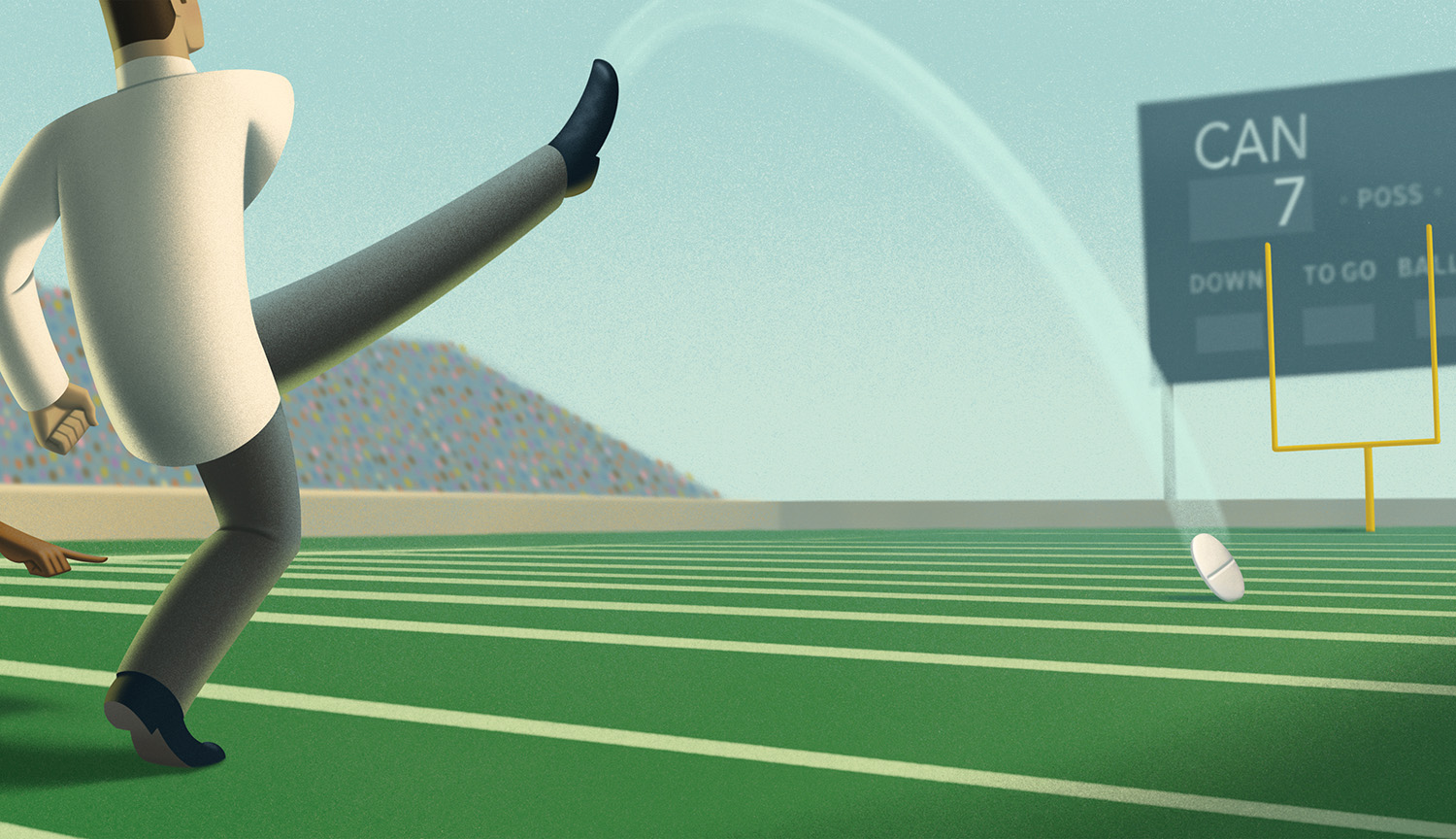
Population and animal studies suggested it could treat cancer, but the clinical trials were a bust. Here’s what happened and what potential may remain.

Targeting the racial disparity in kidney disease

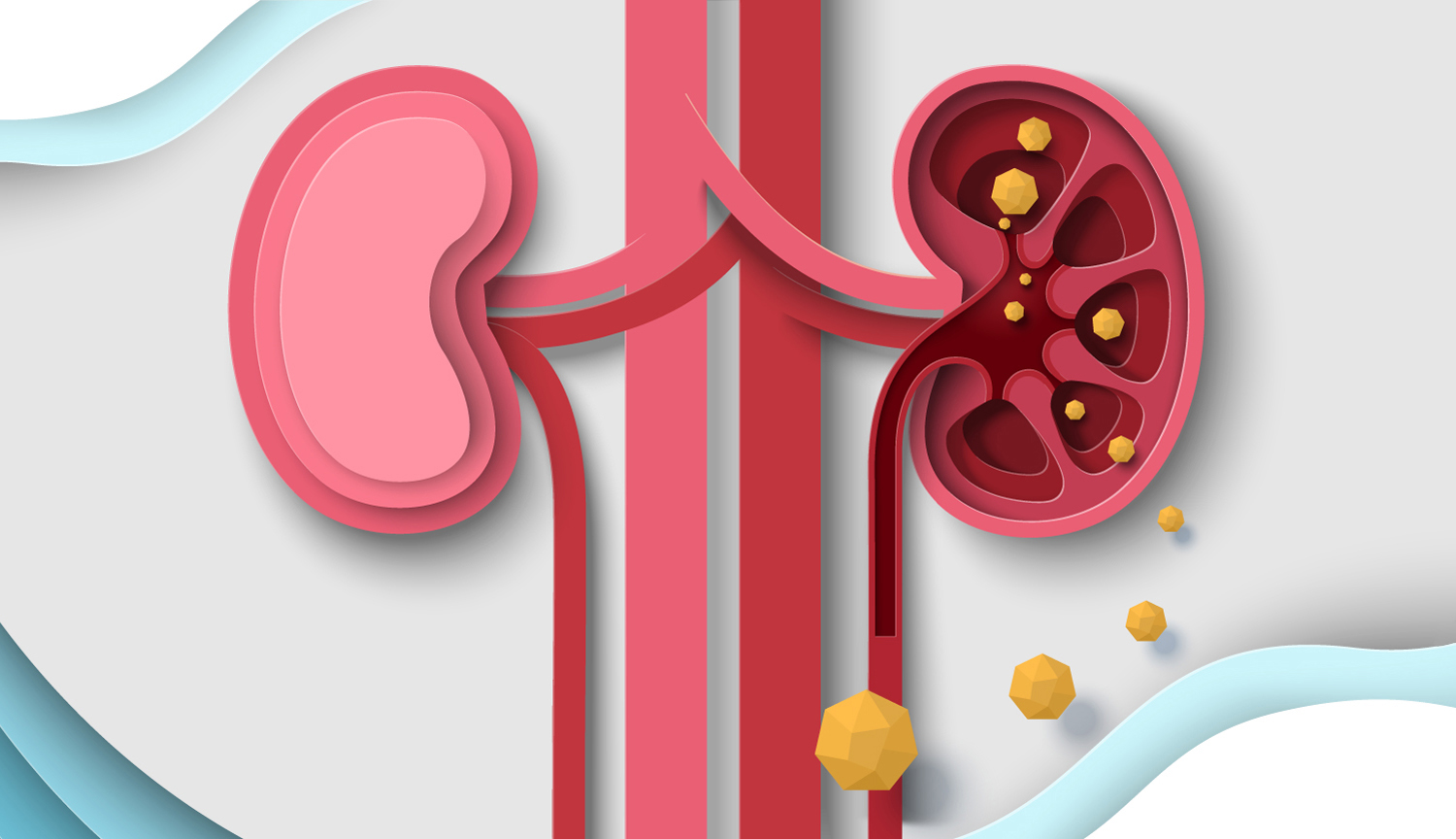
Some people of West African descent face a higher risk of renal failure. New drugs based on gene research may help right the ship — if they can reach everyone who needs them.

What if a virus could reverse antibiotic resistance?

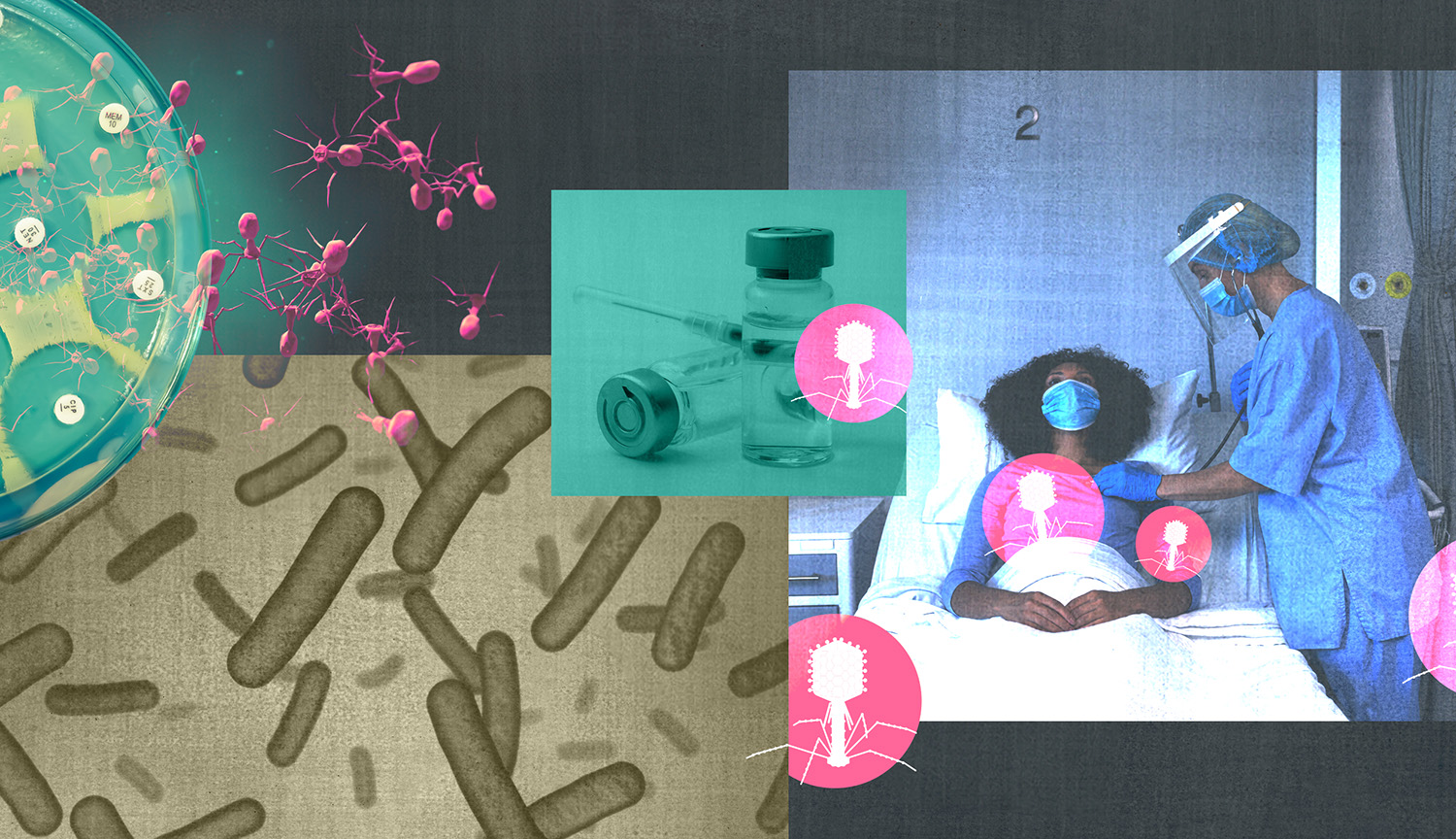
In promising experiments, phage therapy forces bacteria into a no-win dilemma that lowers their defenses against drugs they’d evolved to withstand

The tussle over cigarette warning labels, and the hazy future of vaping

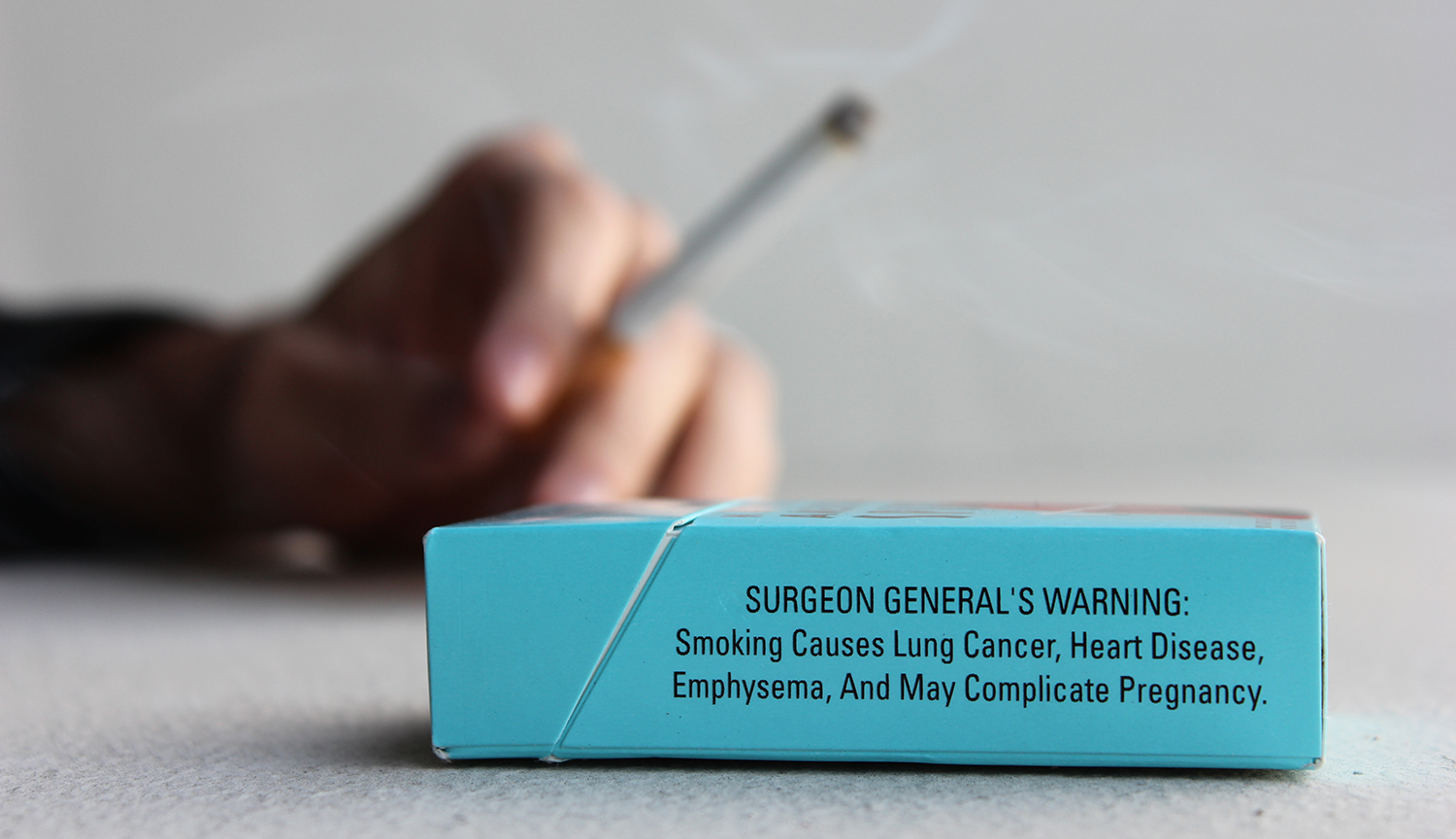
Regulatory hurdles, industry objections and legal fights have gone on for decades over traditional tobacco. What’s in store for the next generation of smoking?

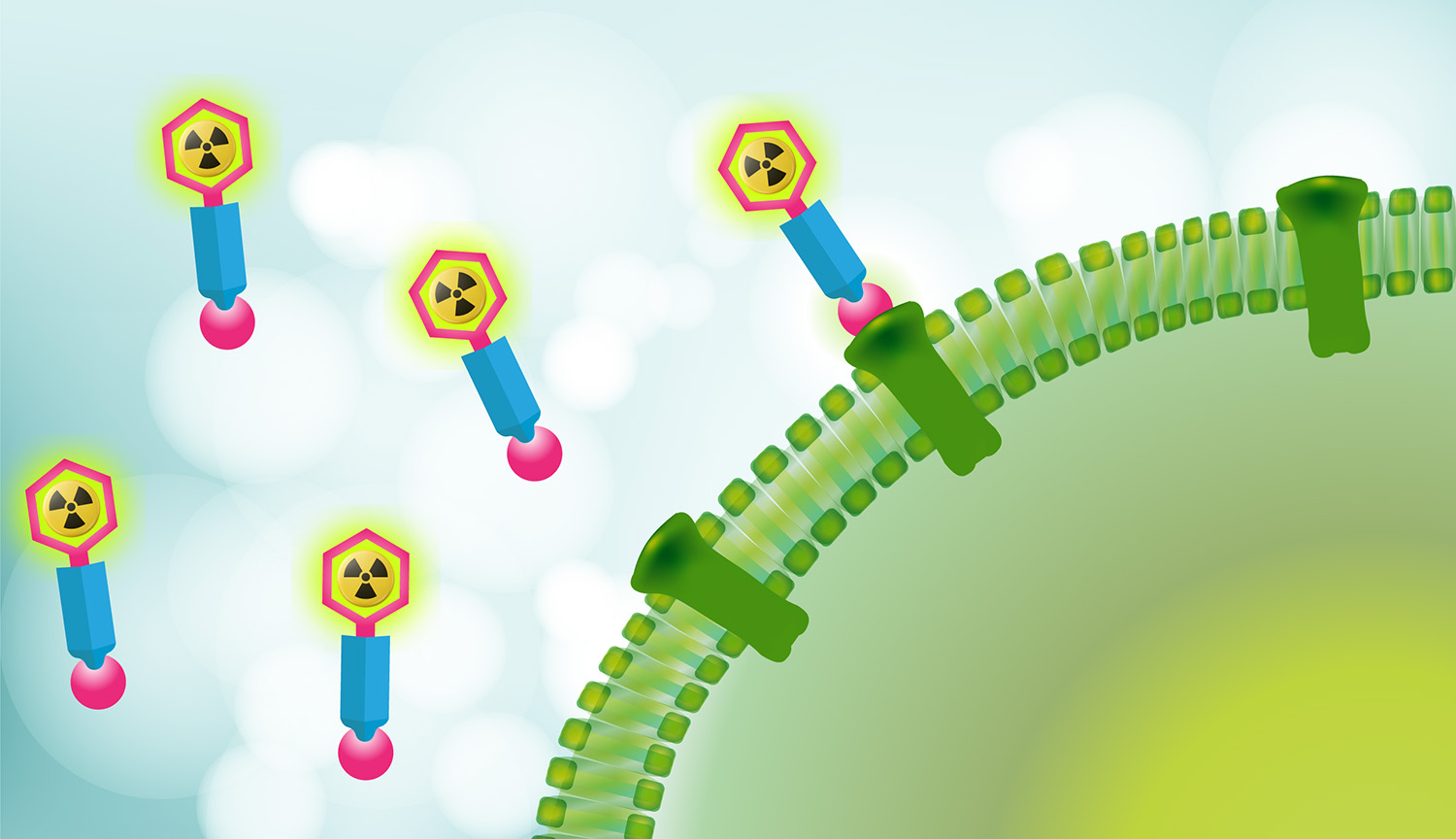
Radioactive drugs strike cancer with precision

The tumor-seeking radiopharmaceuticals are charting a new course in oncology, with promise for targeted treatments with fewer side effects

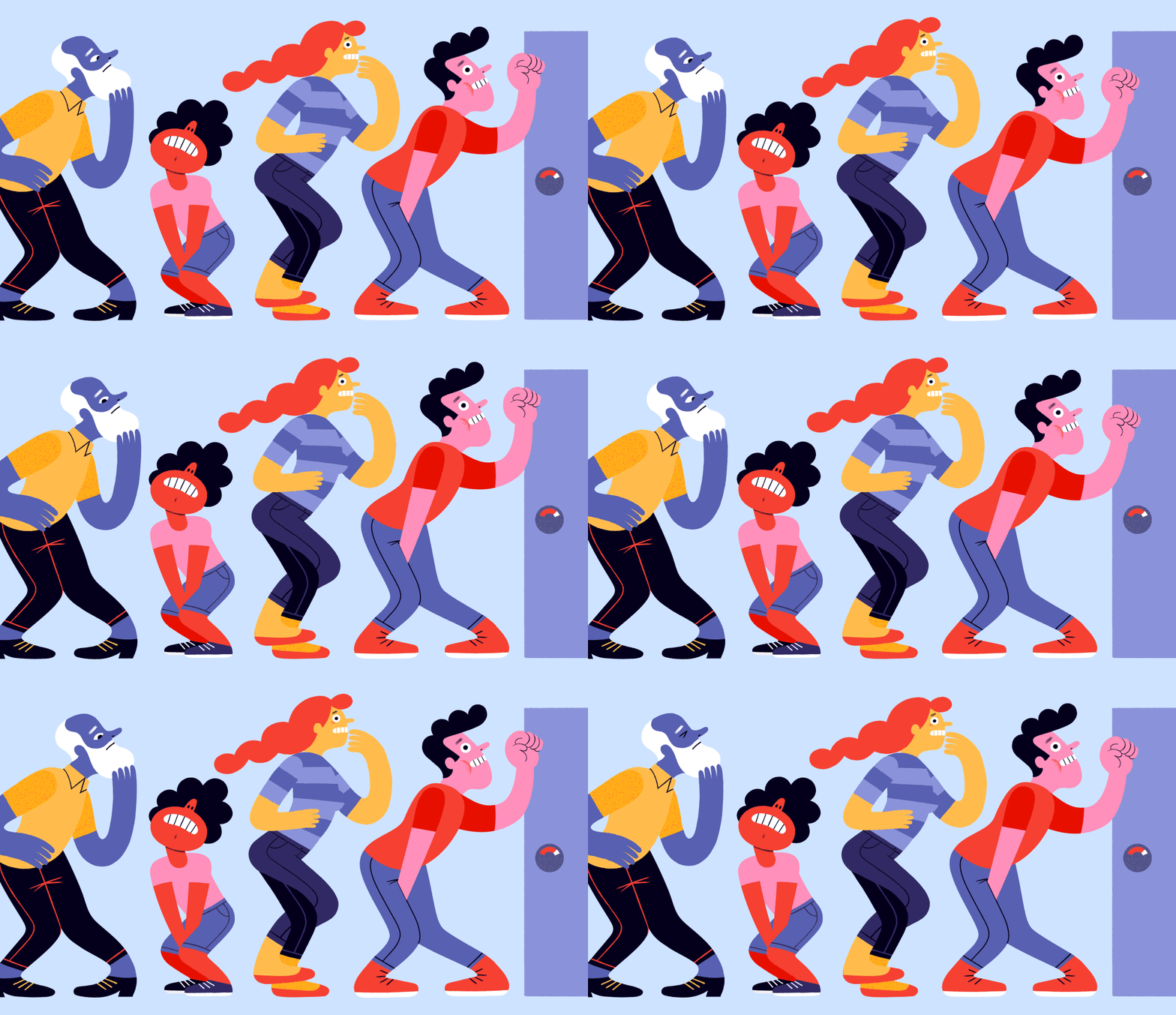
To pee or not to pee? That is a question for the bladder — and the brain

How do we sense the need to urinate? The basic urge is surprisingly complex and can go awry as we age.

This is a required field
Please enter a valid email address
Approval was a Success
Invalid data
An Error Occurred
Approval was partially successful, following selected items could not be processed due to error