cookies to track usage and preferences."
data-cookieaccepttext="I UNDERSTAND"
data-cookiedeclinetext="Disable Cookies"
data-cookiepolicytext="Privacy Policy">
A rift in thinking about who should control powerful new technologies sent the brothers on diverging paths. For one, the story ended with a mission to bring science to the public.
Getting our homes and workplaces to be energy efficient has major benefits — but not when it is done one window at a time. Here’s why deep retrofits and biomaterials are key to more sustainable living.
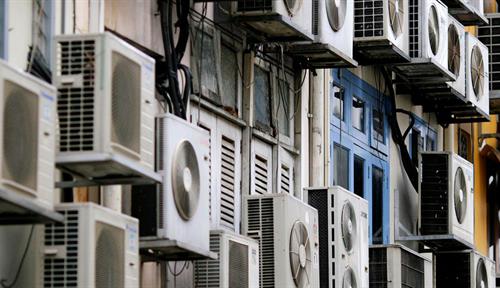
ACs and refrigerators help keep people safe — but they also further warm the planet. Scientists are working on eco-friendlier solutions as global demand for cooling grows.
Dredging rivers, filling in wetlands and other human acts of engineering have shifted coastal ebbs and flows worldwide. Add rising sea levels, and the threat of storm surges and floods will worsen in some places.
Along 1,100 kilometers, from Mexico to Costa Rica, lies the Central American volcanic arc, where the variety of magma types make for a geological paradise
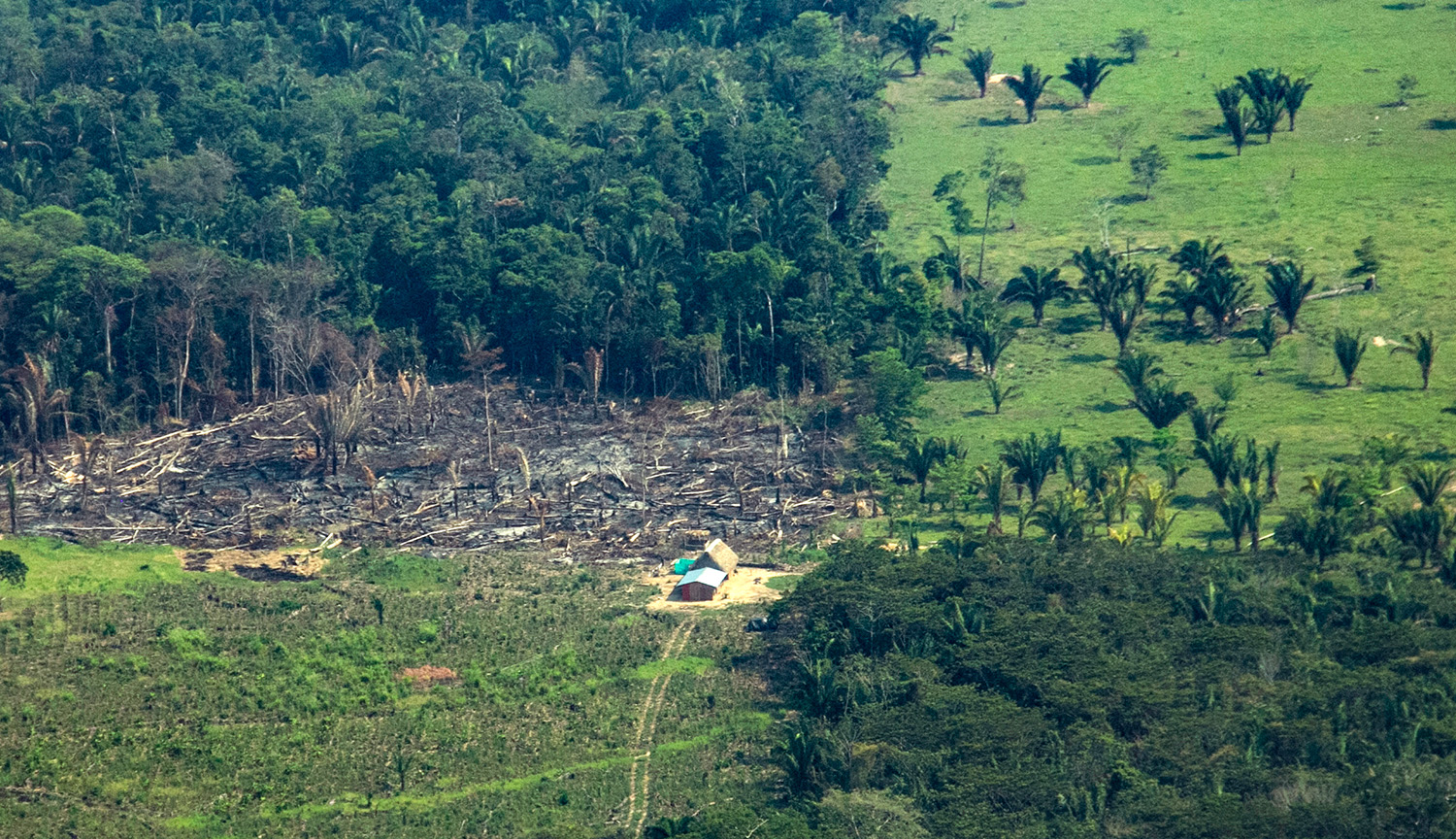
The South American country, where the biodiversity of the Andes meets that of the Amazon, is losing the great natural wealth of some 1,500 square kilometers of forest each year, mainly in areas formerly under guerrilla control
The bloc aims to become the first carbon-neutral continent. A new policy called CBAM will assist its ambitions — and may persuade other countries to follow in its footsteps.
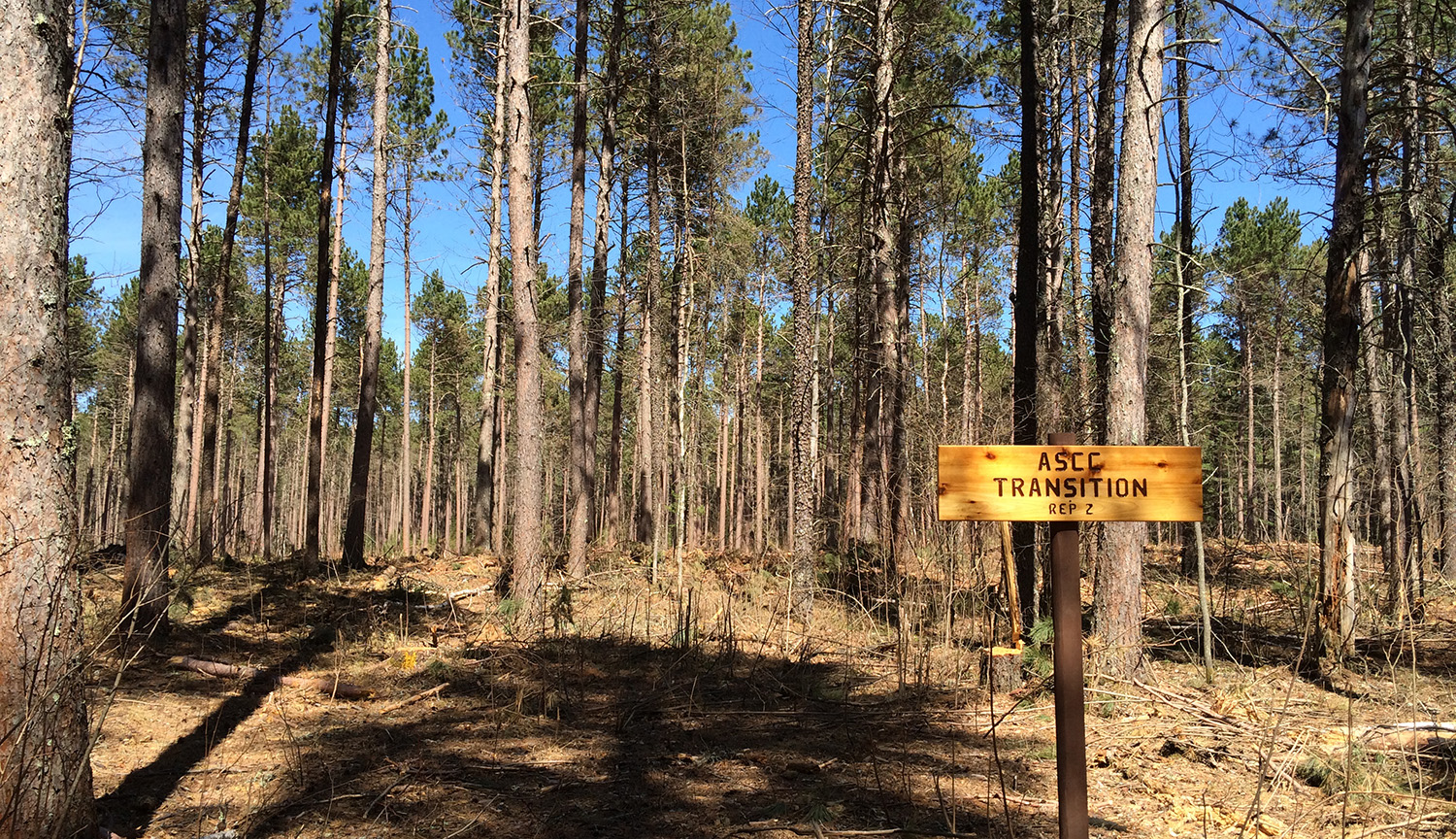
As the world warms, trees in forests such as those in Minnesota will no longer be adapted to their local climates. That’s where assisted migration comes in.
We need new fuels to transport people and goods around the globe as society moves away from coal, natural gas and oil. Here’s how things are shaping up.
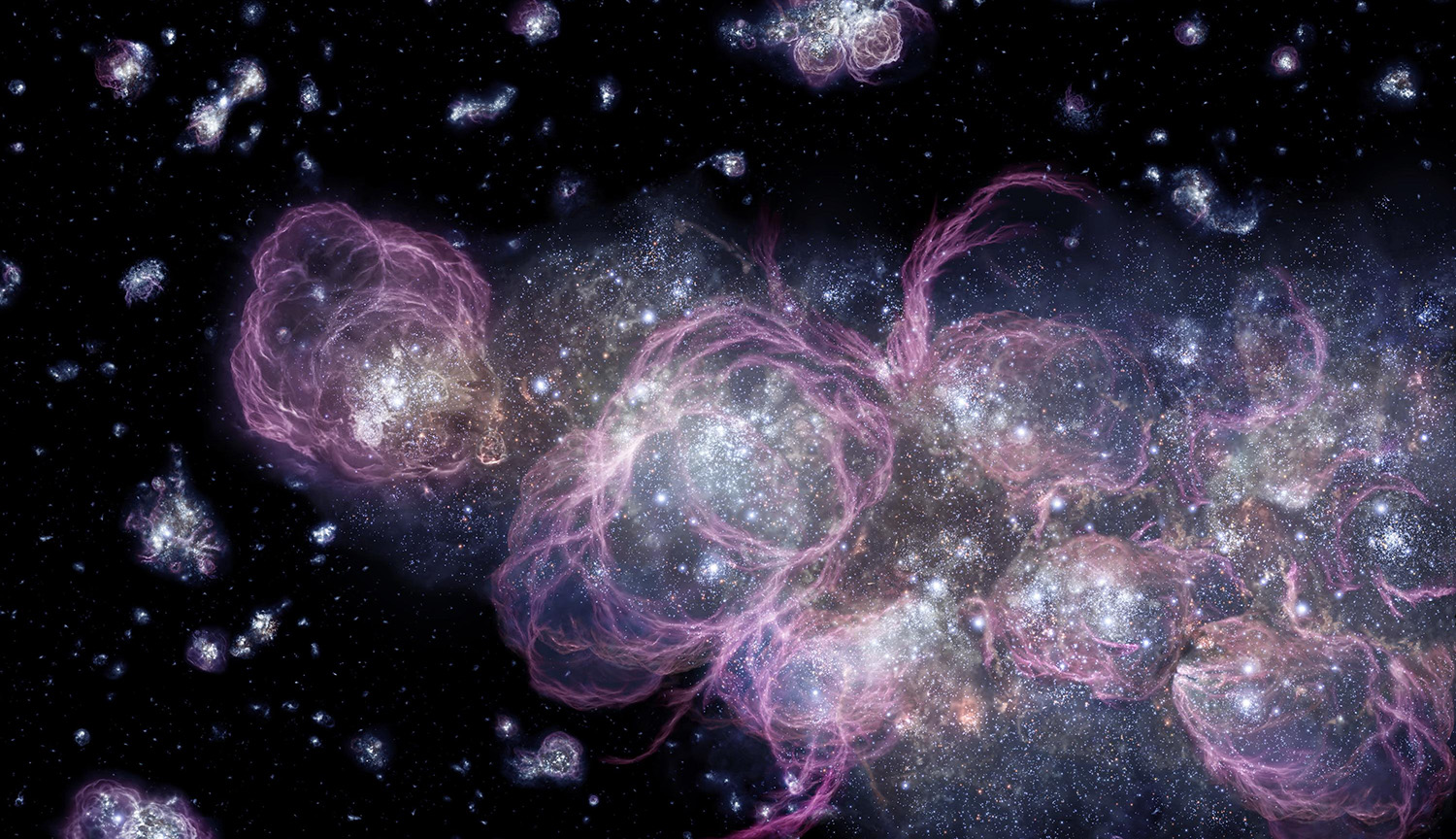
The revolutionary James Webb Space Telescope and next-gen radio telescopes are probing what’s known as the epoch of reionization. It holds clues to the first stars and galaxies, and perhaps the nature of dark matter.
Astronomer Lisa Kaltenegger reckons the galaxy could contain as many as 40 billion habitable planets. Here, she speaks about the search for those faraway worlds and signatures of life.
Hot Jupiters were the first kind of exoplanet found. A quarter-century later, they still perplex and captivate — and their origins hold lessons about planet formation in general.
A celebration of 2025 as the International Year of Quantum Mechanics and Science would be remiss without a look at how the carrier of electricity finally yielded its secrets — paving the way to the quantum era
Research suggests that experience may matter more than innate ability when it comes to a sense of direction
Close X
This is not a paywall.
Knowable Magazine is free to read. But just because our articles are free to read doesn’t mean they are free to produce. If you value our trustworthy science journalism, please support it with a donation.