cookies to track usage and preferences."
data-cookieaccepttext="I UNDERSTAND"
data-cookiedeclinetext="Disable Cookies"
data-cookiepolicytext="Privacy Policy">
A few rare viruses can reach the fetus when pregnant women are infected, with tragic result. As explored in this Q&A, researchers are figuring out how the placenta acts as protector and how some pathogens slip through.
How do trees find their sense of direction as they grow? Researchers are getting to the root — and the branches — of how the grandest of plants develop.
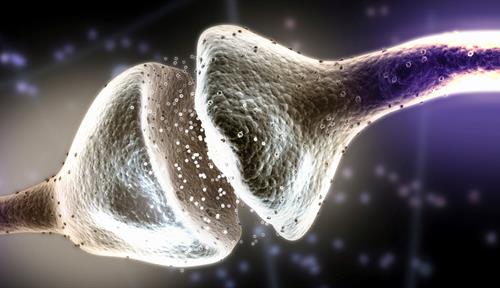
Ultrasound isn’t just for images. Sonogenetics and other promising technologies let researchers use focused sound waves to control genes and entire cells deep in the tissues of living animals, without surgery.
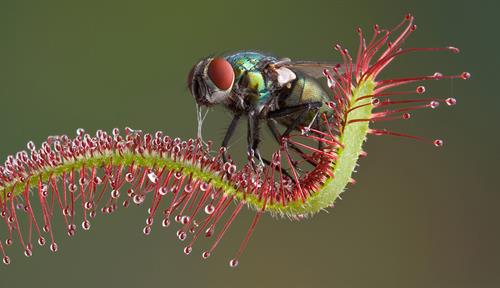
Carnivorous plants fascinate as much now as when their gruesome diet was first discovered. Molecular biology is helping botanists trace the origins of their predatory ways.
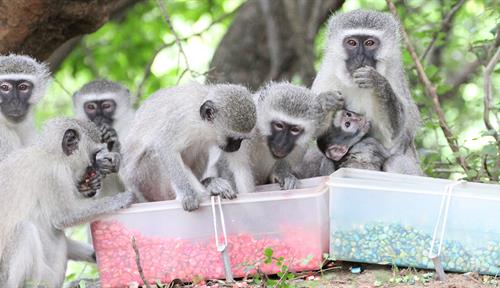
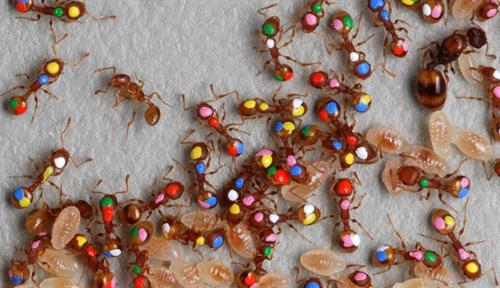
From monkeys washing potatoes to cockatoos raiding trash cans, socially spread behaviors allow creatures to adapt more rapidly to changing environments than conventional evolution would allow. But the traits are also more easily lost.
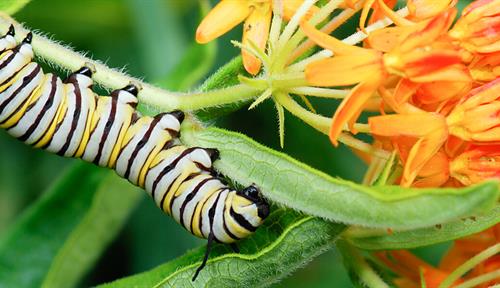
By engineering mutations into fruit flies, scientists reconstructed how the butterflies may have evolved resistance to the toxins found in milkweed, allowing their caterpillars to feast on the plant
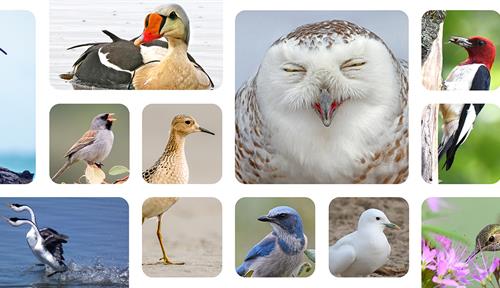
Rich data on the global state of our feathered friends presents plenty of bad news — but also some bright spots. Researchers know better than ever how to help endangered birds, and there are notable bird conservation successes.
Decades of exploring the seafloor have helped oceanographer Samantha Joye tackle marine issues — from the underwater movement of oil from Deepwater Horizon to the biology of remote microbial communities
Bat genomes are full of clever tricks that are treats for biology and medical science — it’s why scientists want to sequence them all
Close X
This is not a paywall.
Knowable Magazine is free to read. But just because our articles are free to read doesn’t mean they are free to produce. If you value our trustworthy science journalism, please support it with a donation.