cookies to track usage and preferences."
data-cookieaccepttext="I UNDERSTAND"
data-cookiedeclinetext="Disable Cookies"
data-cookiepolicytext="Privacy Policy">
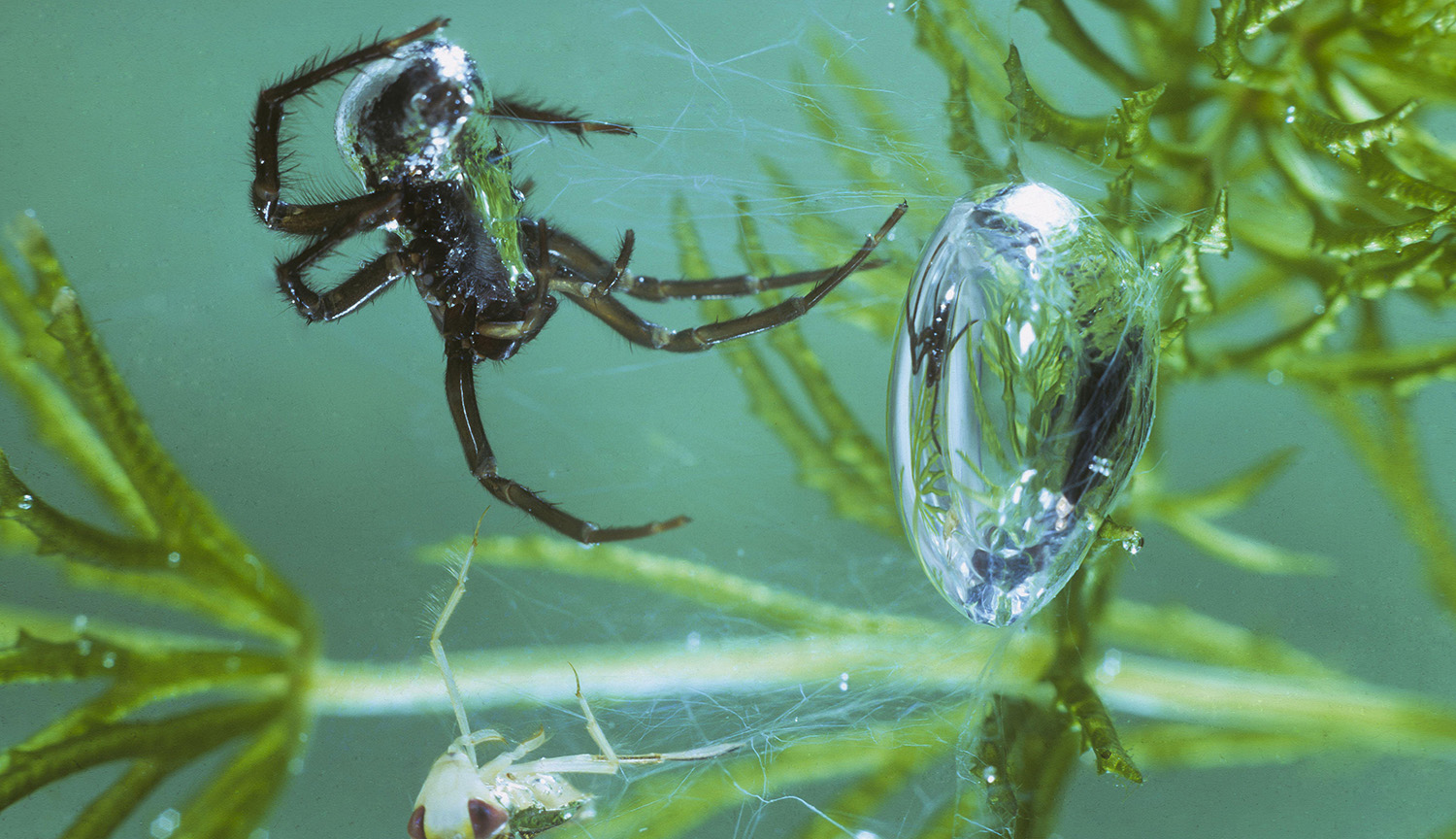
Some make nests inside seashells, others tote bubbles of air on their backs. The spiders that went back to water evolved lots of slick survival strategies.
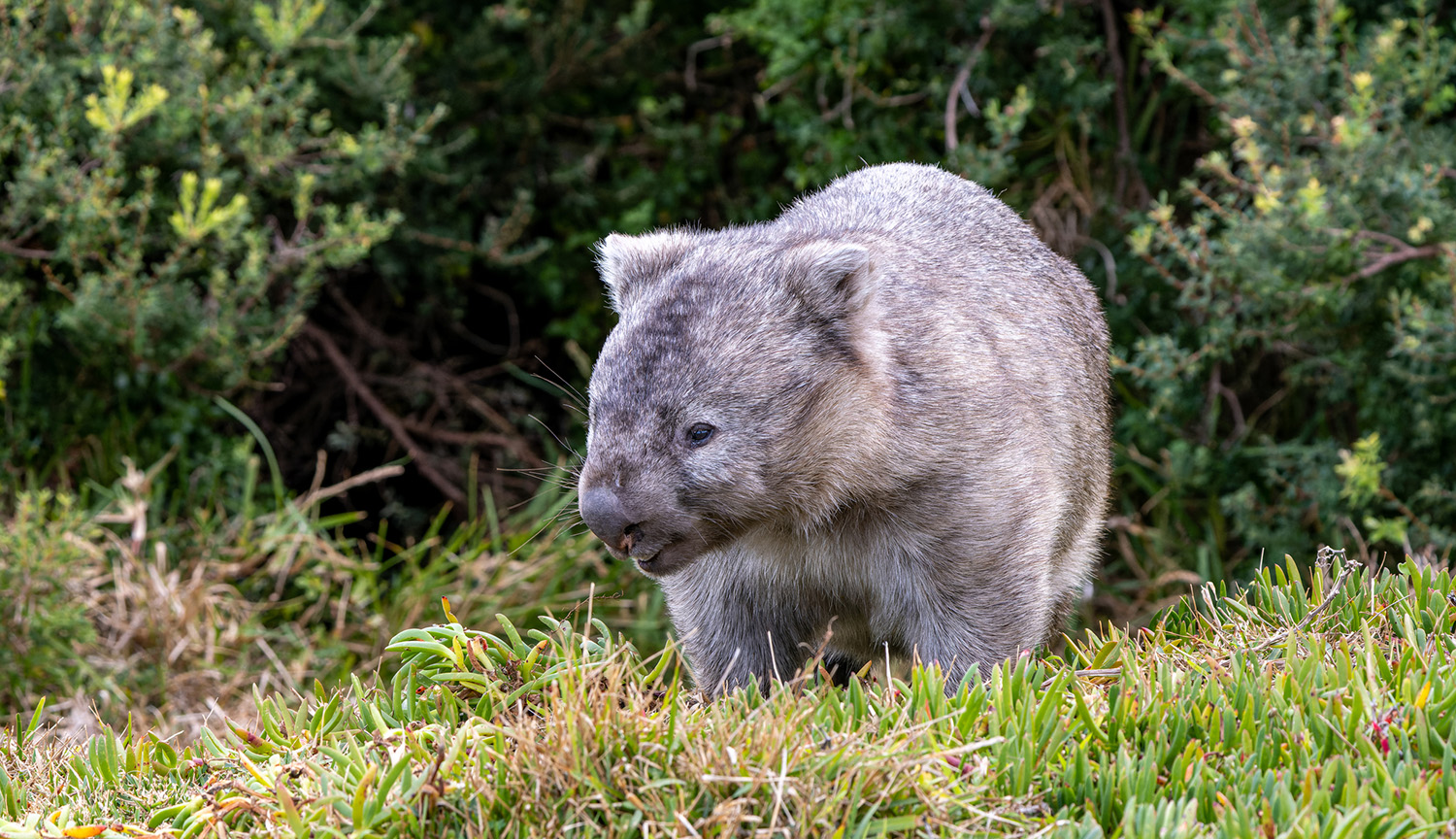
Australia’s iconic marsupial has been viewed as a food source, pest, mascot and, now, a conservation concern. Scientists are breaking down myths — using genetics, robots and citizen science — and finding new ways to protect the animals.
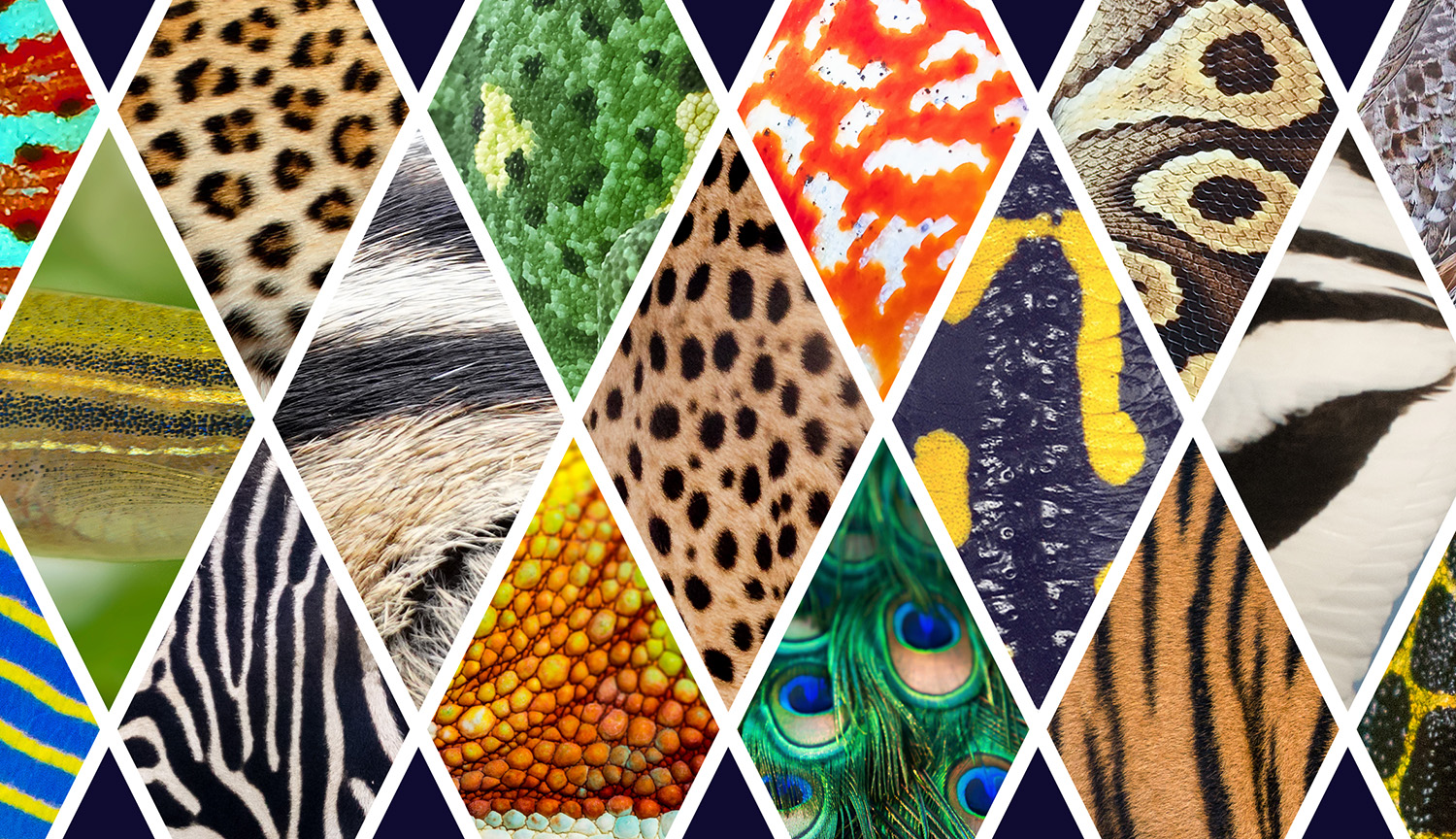
More than 70 years ago, mathematician Alan Turing proposed a mechanism that explained how patterns could emerge from bland uniformity. Scientists are still using his model — and adding new twists — to gain a deeper understanding of animal markings.
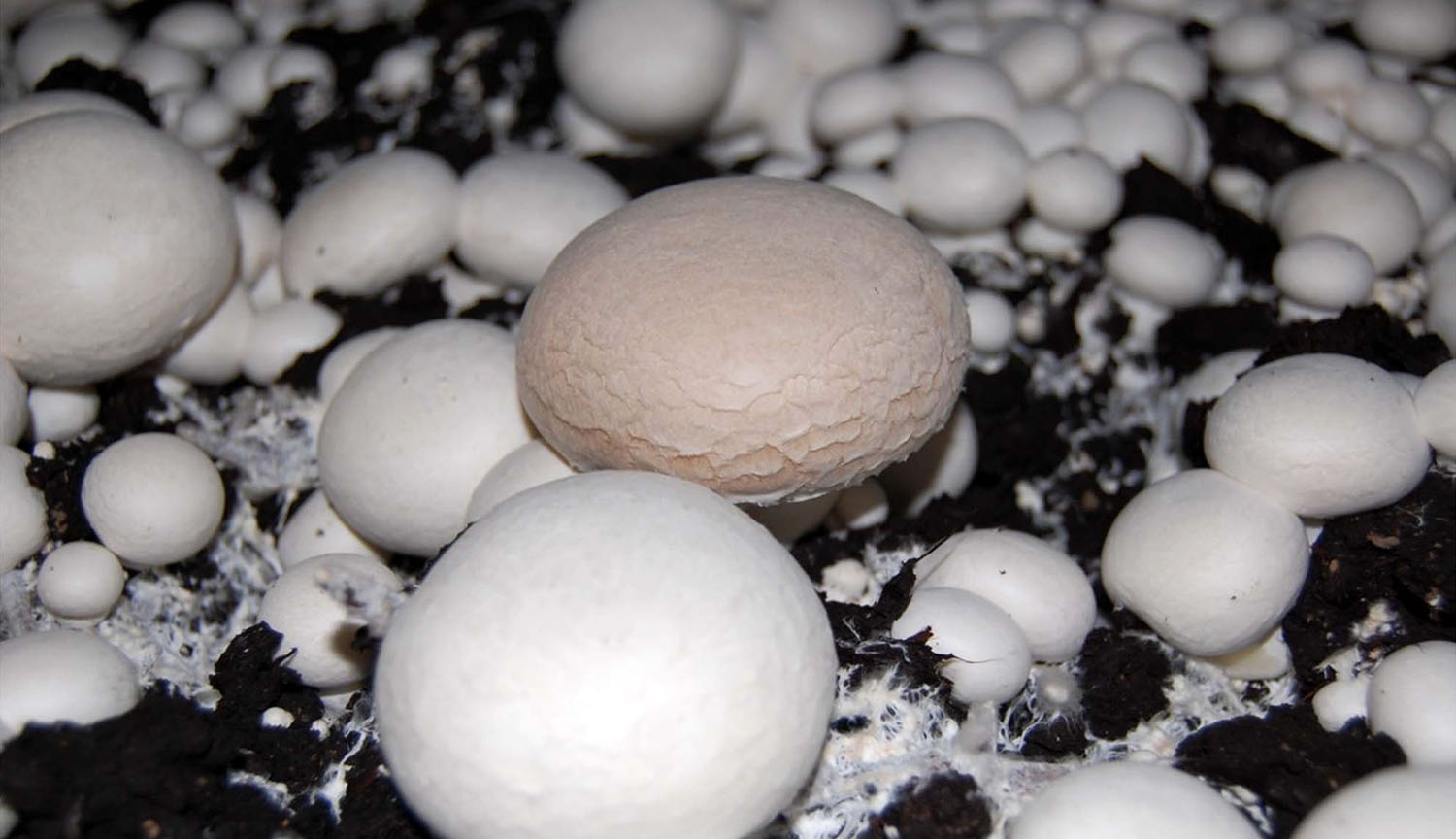
Mushrooms and other fungi can harbor hidden companions — and some of these may fight pesky or dangerous molds
Close X
This is not a paywall.
Knowable Magazine is free to read. But just because our articles are free to read doesn’t mean they are free to produce. If you value our trustworthy science journalism, please support it with a donation.