cookies to track usage and preferences."
data-cookieaccepttext="I UNDERSTAND"
data-cookiedeclinetext="Disable Cookies"
data-cookiepolicytext="Privacy Policy">
Katherine Flegal was a scientist who found herself crunching numbers for the government, until one day her analyses set off a firestorm. What does she make of her decades as a woman in public health research?
A few rare viruses can reach the fetus when pregnant women are infected, with tragic result. As explored in this Q&A, researchers are figuring out how the placenta acts as protector and how some pathogens slip through.
Retirement is a time for spending, not saving. And yet many people hold on to their wealth. Understanding why, and where that money ends up, is of increasing importance as the US population ages.
In the US, people charged with a crime usually need to post a large cash bond to be released before trial — a system used barely anywhere else in the world. This doesn’t enhance public safety and causes great hardship to defendants and families. There’s a better way, researchers say.
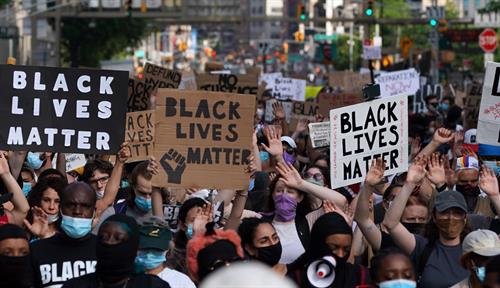
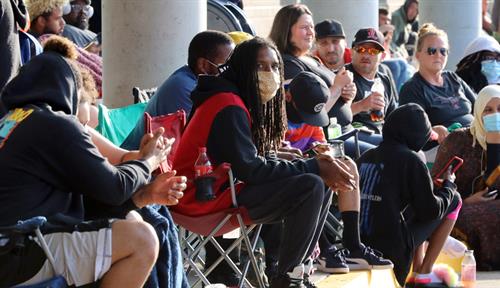
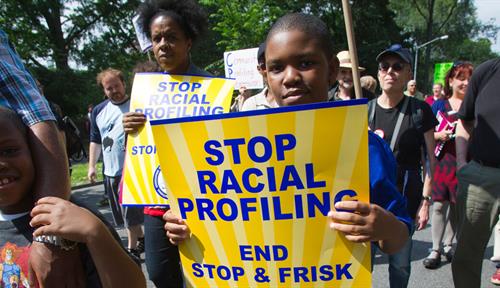
Historically, the road to reform has often begun with protesters taking to the streets. A sociologist and a political scientist take stock of whether today’s activism will lead to actual change.
The meaning of the cryptic text has eluded scholars for centuries. Their latest efforts include computational analyses seeking new insights into the medieval enigma.
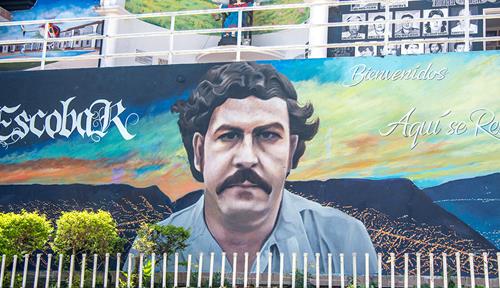
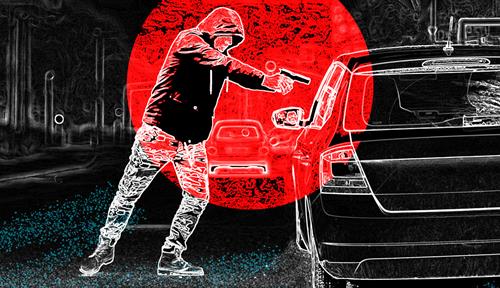
In Latin America, tens of millions of people live in territories that are governed by outlaws — from powerful drug cartels to crime syndicates. What can be done to restore legitimate law and order?
Urban activities — think construction, transportation, heating, cooling and more — are major sources of greenhouse-gas emissions. Today, a growing number of cities are striving to slash their emission to net zero — here’s what they need to do.
The idea of a multiverse — multiple realms of space differing in basic properties of physics — bugs some scientists. Others find it a real possibility that should not be ignored.
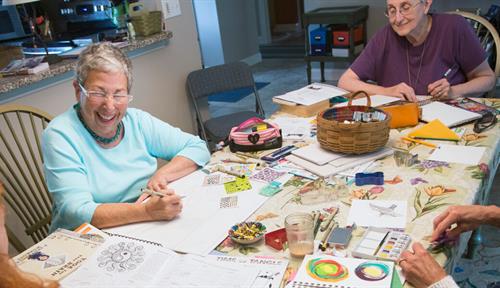
What helps some people diagnosed with cancer, heart disease or diabetes stay relatively happy and healthy, while others are devastated? Psychologist Vicki Helgeson explains the traits and mindsets that can make the difference.
The pandemic put the technology, long in development, to the test. Here’s a look at the status of its application to cancer and when it might reach patients.
It’s a hot topic under political debate: providing cash grants as a social safety net. Small programs hint at how it might work — or not — on a national scale.
War, disasters, trafficking and immigration are tearing millions of children from their parents all around the world. A psychologist explores how to help them recover.
In winter, the birds must remember where they’ve hidden tens of thousands of seeds. Biologist Vladimir Pravosudov explains what this can teach us about how the brain evolves.
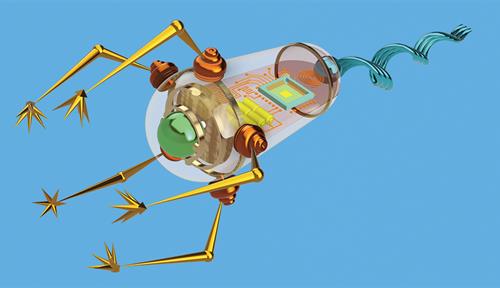
What would it take to create a truly intelligent microbot, one that can operate independently? A roboticist describes the fascinating minutiae and the medical jobs these tiny machines could do for us.
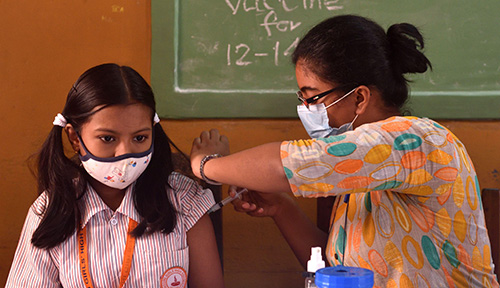
Lower-income countries haven’t gotten an equal share of lifesaving coronavirus vaccines. Older, more familiar vaccine technologies may hold the key to more equitable use, says Maria Elena Bottazzi.
Alcohol-drenched medieval battlefields. Opium-laced imperialism. Modern-day narco-terrorism. There’s a lot of history between armed conflict and psychoactive substances.
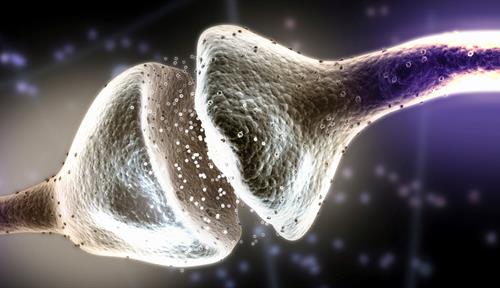
The thalamus has traditionally been viewed just as the brain’s sensory relay station. But it may also play an important role in higher-level cognition, MIT’s Michael Halassa explains in a Q&A.
The way we see and describe hues varies widely for many reasons: from our individual eye structure, to how our brain processes images, to what language we speak, or even if we live near a body of water
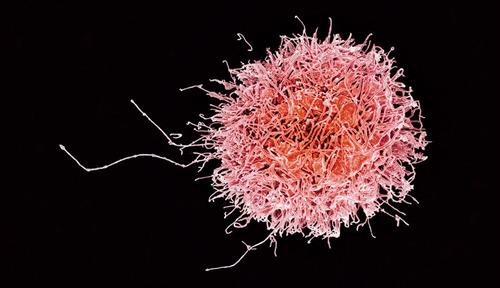
The field has long been more mice than men. New technologies and systems-based approaches with human cells may soon fill gaps in our understanding of autoimmune disease and health, Mark Davis says in a Q&A.
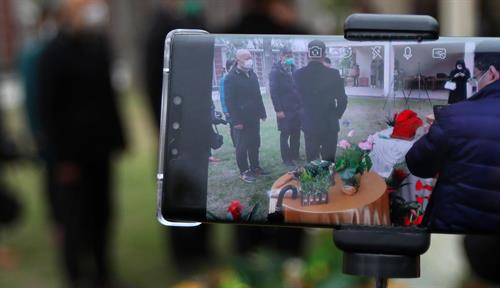
Funerals, burials and other ways of communally commemorating those who have died have always been part of human history. The need for social distancing has upended these psychologically important rituals and fostered creative alternatives.
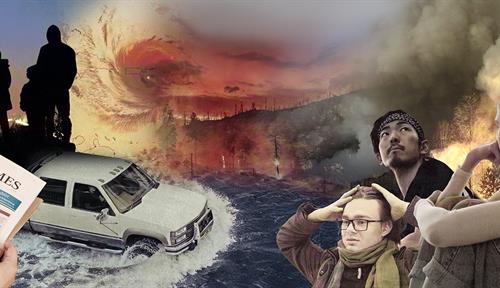
Worry over the planet’s future is taking a toll on emotional well-being, researchers say. Here’s how to cope so we don’t lose hope for our planet and for ourselves.
How we want to be perceived influences how we act, and that presents persuasion opportunities. But the social factors involved are not easy to unravel.
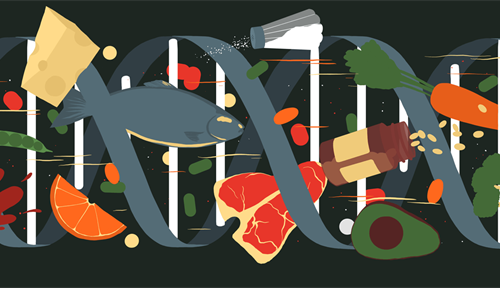
Genes, microbes and other factors govern how each person’s body processes nutrients. Understanding the connections could help optimize diets — and health.
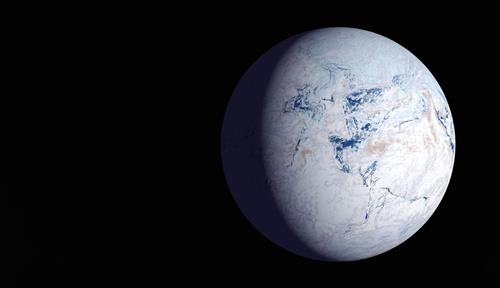
Ancient rocks suggest that ice entirely covered our planet on at least two occasions. This theory may help explain the rise of complex life that followed.
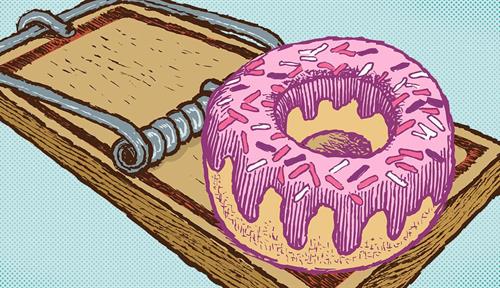
Countermarketing succeeds by exposing the motives behind the advertising of unhealthy products. It worked for teen smoking — could it do the same for junk food?
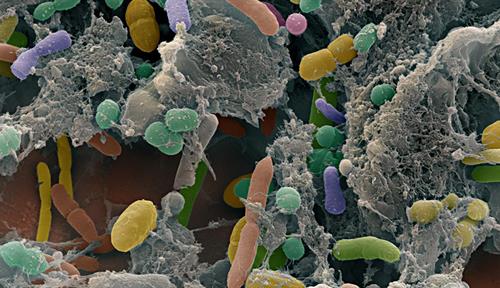
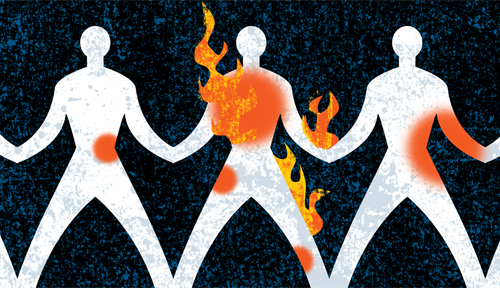
Researchers are finally getting the tools to understand just how the microbial communities in and on our bodies affect health. But there are many mysteries left to solve — and many technological challenges.
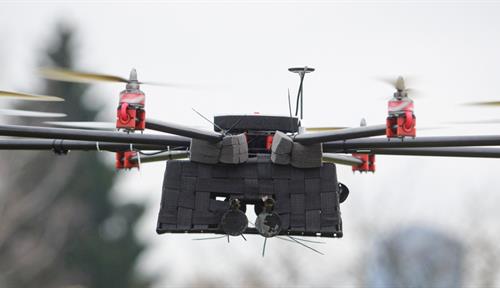
Airborne autonomous vehicles could soon be dropping off your Amazon packages, delivering your food and even ensuring that the infrastructure around you is safe and sound
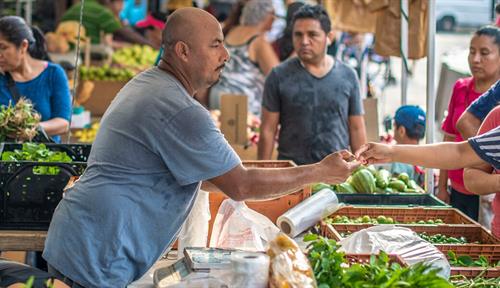
More people are choosing what to eat based on where it was grown, made or created. An anthropologist looks at the myriad ways we link food to place — and whether it really could make a difference.
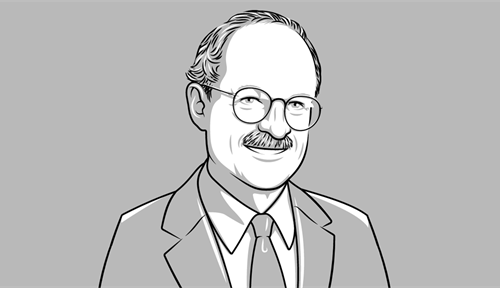
The Nobel laureate and former NIH director talks about how far the field has come, where it should go and why some of the best discoveries in oncology still aren’t reaching patients who need them
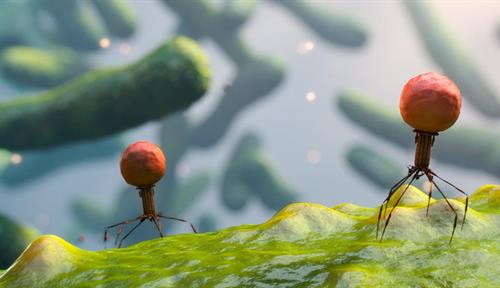
Sure they cause disease, but the microbes can be a help as well. Witness long-lasting pepper seeds, drought-resistant crop plants and even our own placentas.
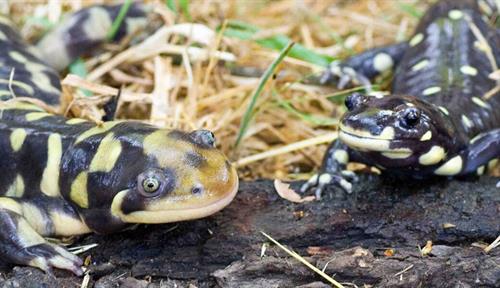
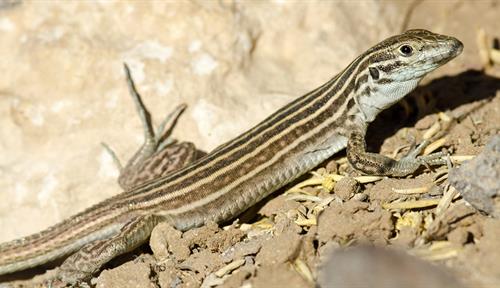
Some lizard species do without males altogether. Scientists are studying these all-female species to see what they might reveal about the pros and cons of sex.
Today’s astounding computing power offers great potential for reducing crime, but a criminologist says law enforcement has yet to find ways to fully tap it.
To understand what might be lost, ecologist Janet K. Jansson taps molecular methods to explore Earth’s underground microbes, from the permafrost to the grasslands
Amid political debate over benefits during the pandemic, a researcher explains why unemployment insurance and other government measures are crucial for the economy and employees to survive troubled times
Our mark on Earth is so profound that some argue it’s time to bid goodbye to the current geological time period — the Holocene — in favor of a new one: the Anthropocene.
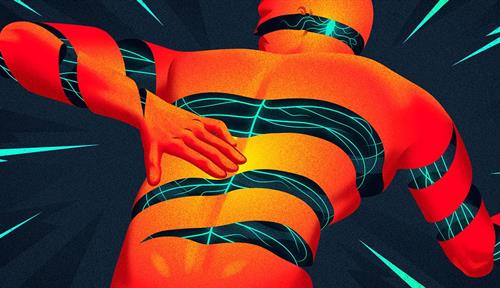
New treatments for chronic pain face a long road despite promising developments. Research in people with rare diseases is pointing the way to genes that influence how we experience pain — and might lead to new medications.
A mysterious kidney disease is just one of the many health risks faced by immigrant laborers. In a Q&A, occupational health expert Marc Schenker discusses the hazards and a few potential solutions.
A few hours here, a few hours there. At home, or somewhere else. Alternative work can be a great deal or it can leave you unprotected, as management scholar Lindsey Cameron explains in a Q&A.
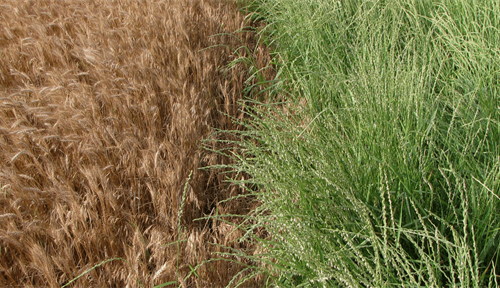
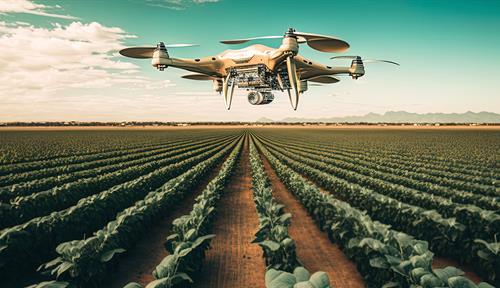
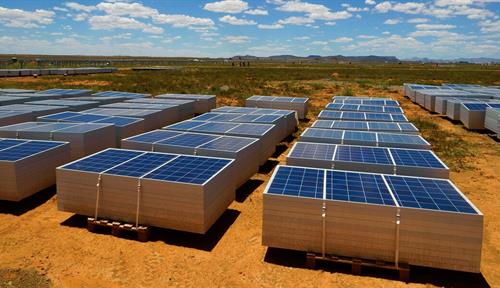
The technology could transform how growers protect their harvests, by detecting plant diseases very early on. But the challenge is to develop tools that are as affordable as they are effective.
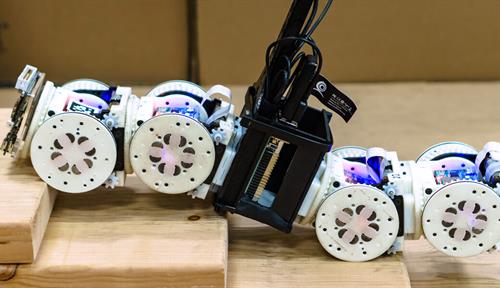
Robot researcher Mark Yim offers a look inside the promising field of modular reconfigurable robotics — bots that can shift form to tackle an array of tasks
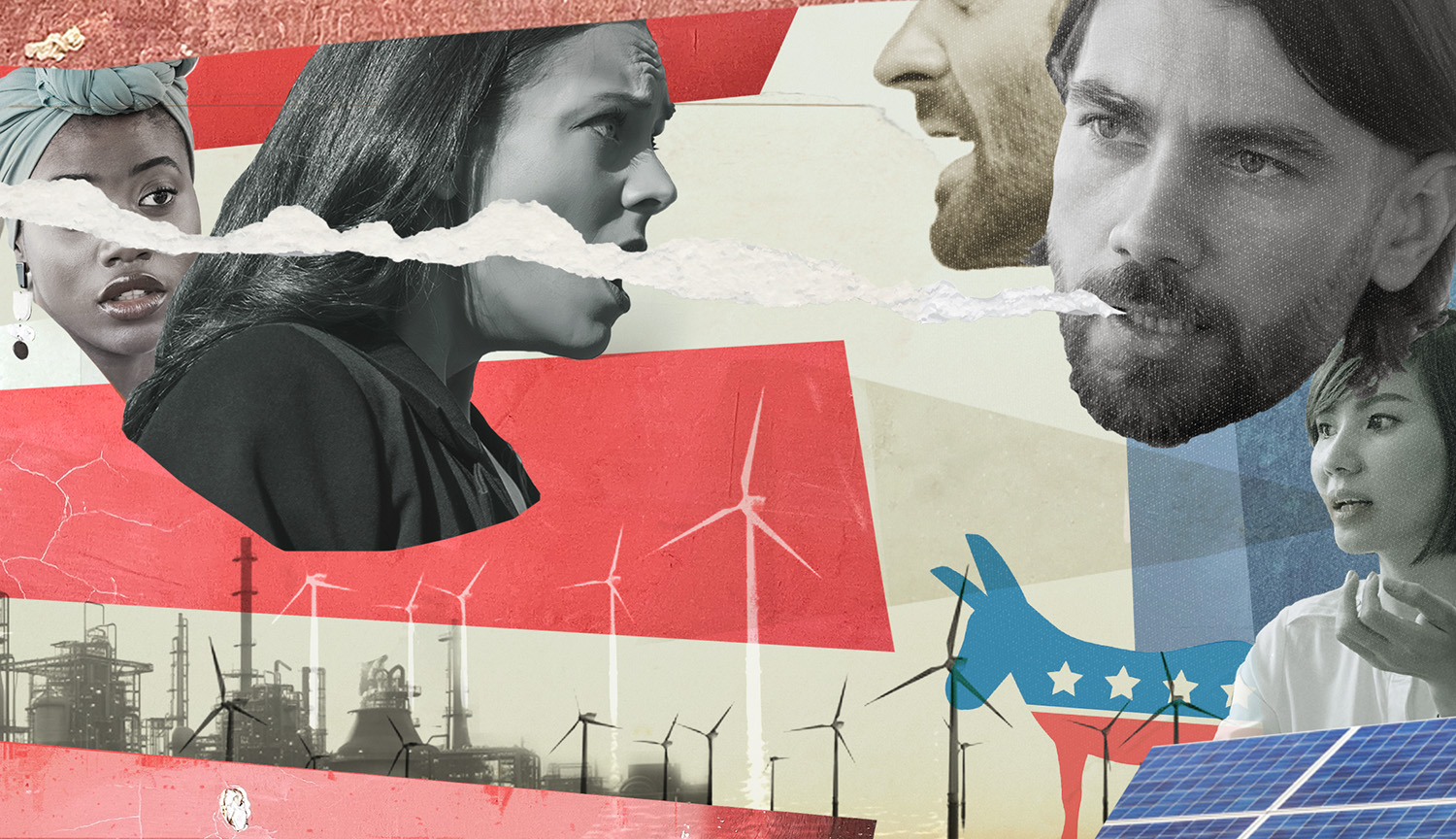
The only way for humanity to solve its environmental problems may be to abandon our quest for continual economic expansion. It’s time to study what a future of degrowth might look like, some researchers say.
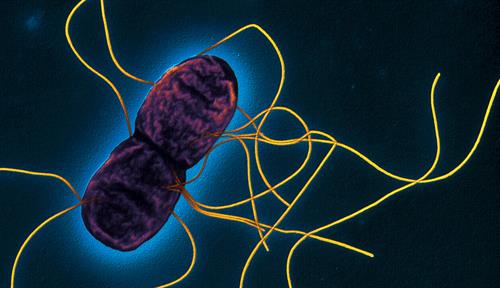
Eliminating this food-poisoning bacterium from poultry is tricky — not least because rapid, precise tests are still unavailable. Researchers are looking at vaccines, probiotics, prebiotics and even essential oils as ways to reduce contamination on the farm.
Genetic advances may make it possible to grow transplantable tissues in other species. That could solve immunity and availability issues, but raises ethical concerns.
Are we supposed to take care of the planet or should it take care of us? Willis Jenkins explains how religion shapes the conflicting views over climate change and other environmental issues.
UCLA’s Susan Perry has devoted decades to studying the fast-motion life of these New World primates and learning how the young acquire the skills they need to thrive
The cryobank is a rich source of genetic knowledge of hundreds of creatures. It may one day be used to bring endangered species back from the brink and deepen the gene pool of wild populations.
There are two types of wildfire in the state, and they’re on the rise for different reasons. Each needs a distinct management approach, a researcher says.
Public health messages should be loud and clear, so that everyone listens and stays safe. But that’s easier said than done — especially with a case as complex as Covid-19.
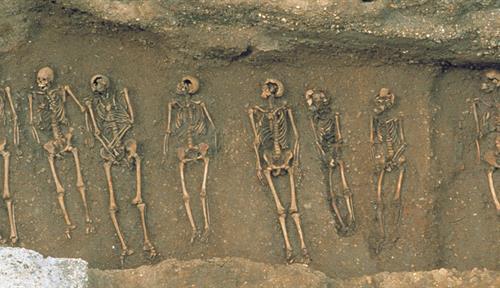
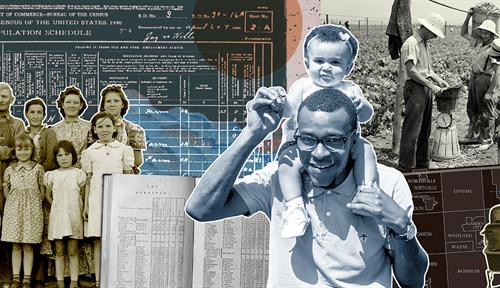
Records tell the story of the decline of the patriarchy, the rise and fall of marrying young, and pandemic fallout; digitizing the data could reveal even richer tales
Close X
This is not a paywall.
Knowable Magazine is free to read. But just because our articles are free to read doesn’t mean they are free to produce. If you value our trustworthy science journalism, please support it with a donation.