cookies to track usage and preferences."
data-cookieaccepttext="I UNDERSTAND"
data-cookiedeclinetext="Disable Cookies"
data-cookiepolicytext="Privacy Policy">
Keeping global warming to manageable levels will require removing carbon dioxide from the atmosphere and storing it somewhere else. The world’s oceans may be a promising option.
In a year of funding chaos, ongoing climate change and pollution perils, we also saw the most powerful telescope yet, personalized gene therapy, and the next-best-thing to an HIV vaccine — not to mention a brand-new color
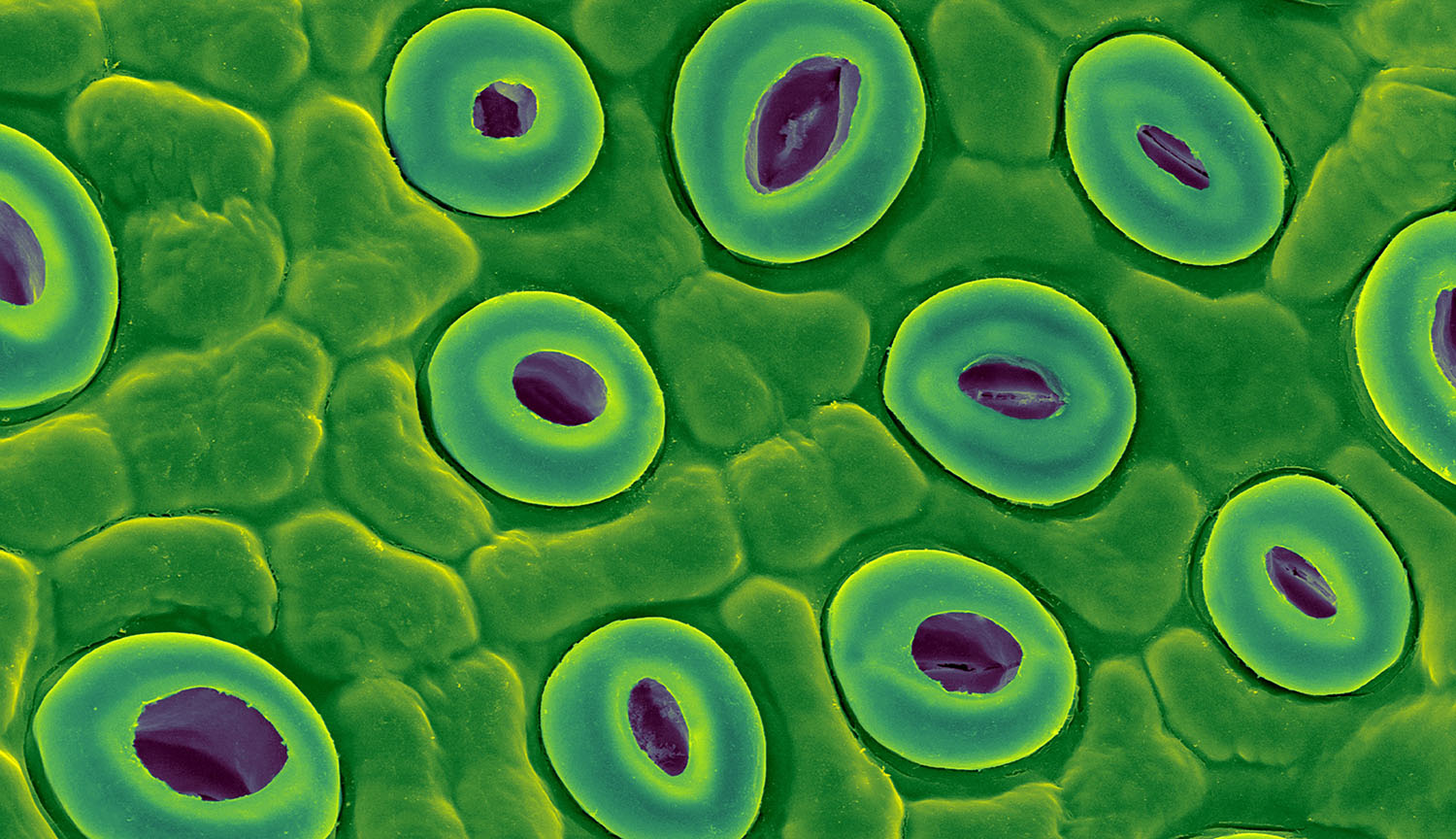
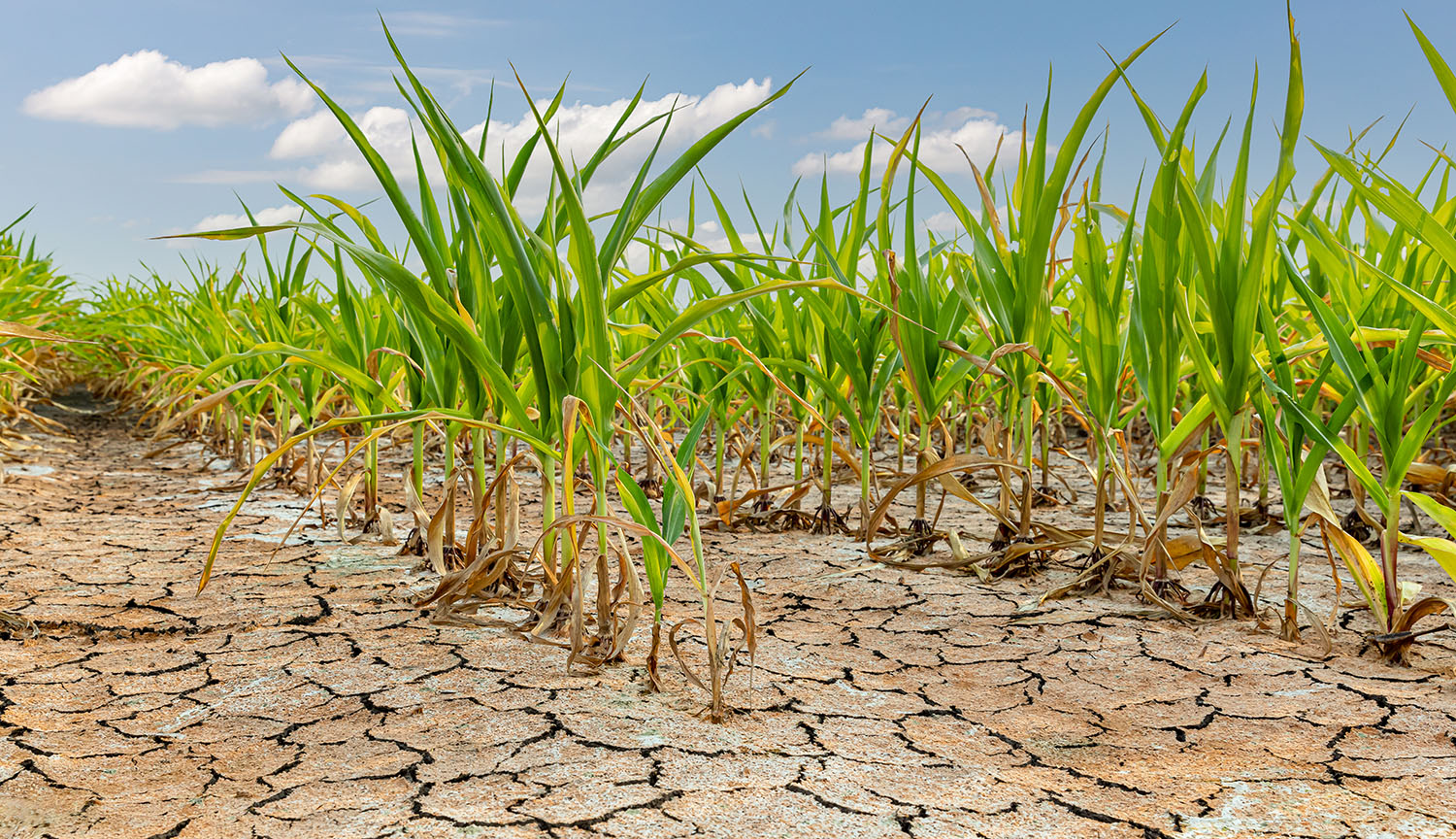
It’s not an open-and-shut case. But researchers are finding out plenty by genetically altering the numbers of these openings, as well as simulating future atmospheres, and more.
Superionic materials have spawned hope for a new generation of power packs for electric cars, with a promise of greater range, faster charges and more safety. But scaling up won’t be easy.
In polar bears, dolphins, baboons and more, molecular signatures of aging are changing how conservationists assess population health, resilience and risk
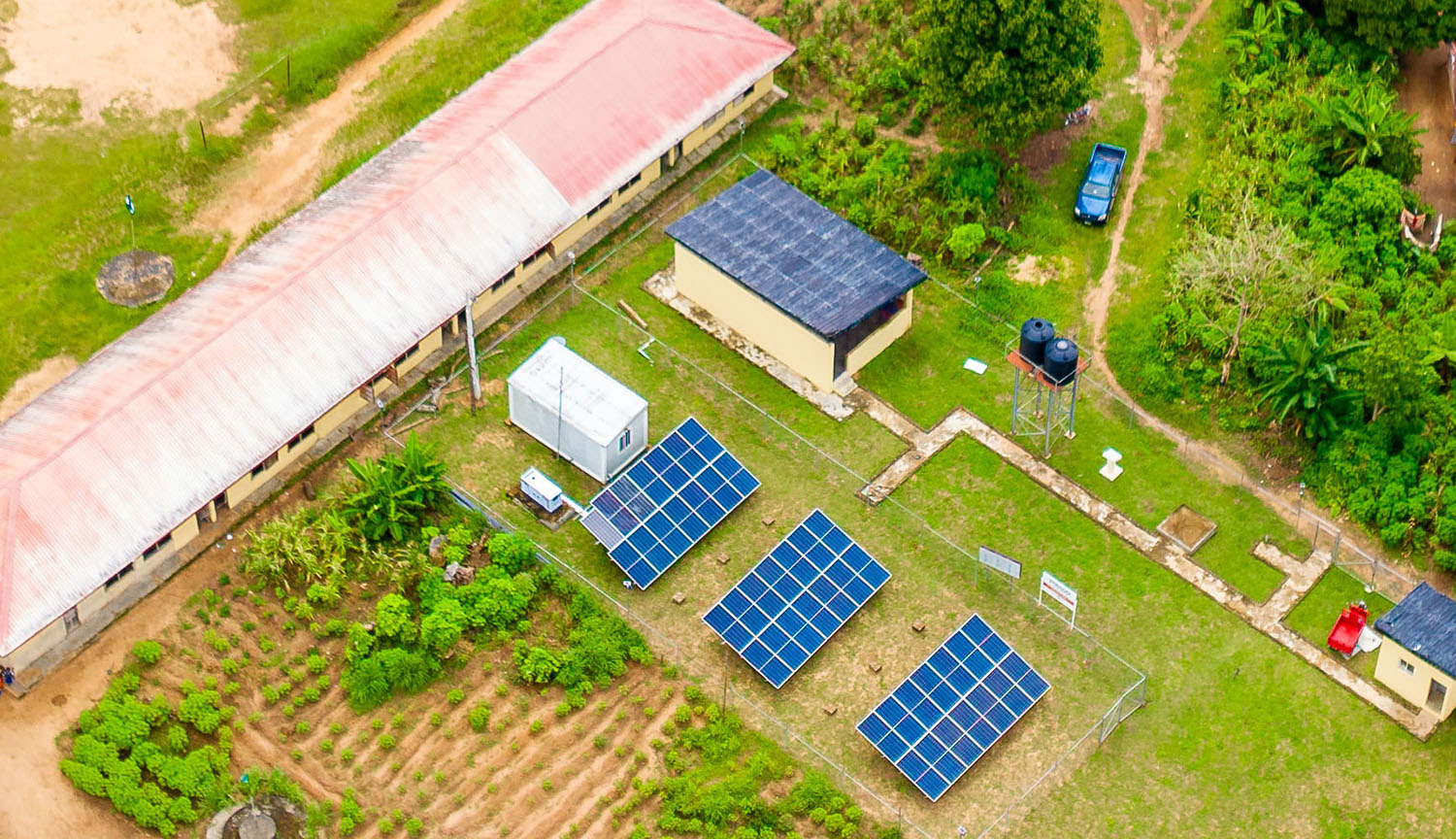
Nigeria is pioneering the development of small, off-grid solar panel installations to bring reliable electricity to remote communities — setting a model for other African countries
When the Sun doesn’t shine and the wind doesn’t blow, humanity still needs power. Researchers are designing new technologies, from reinvented batteries to compressed air and spinning wheels, to keep energy in reserve for the lean times.
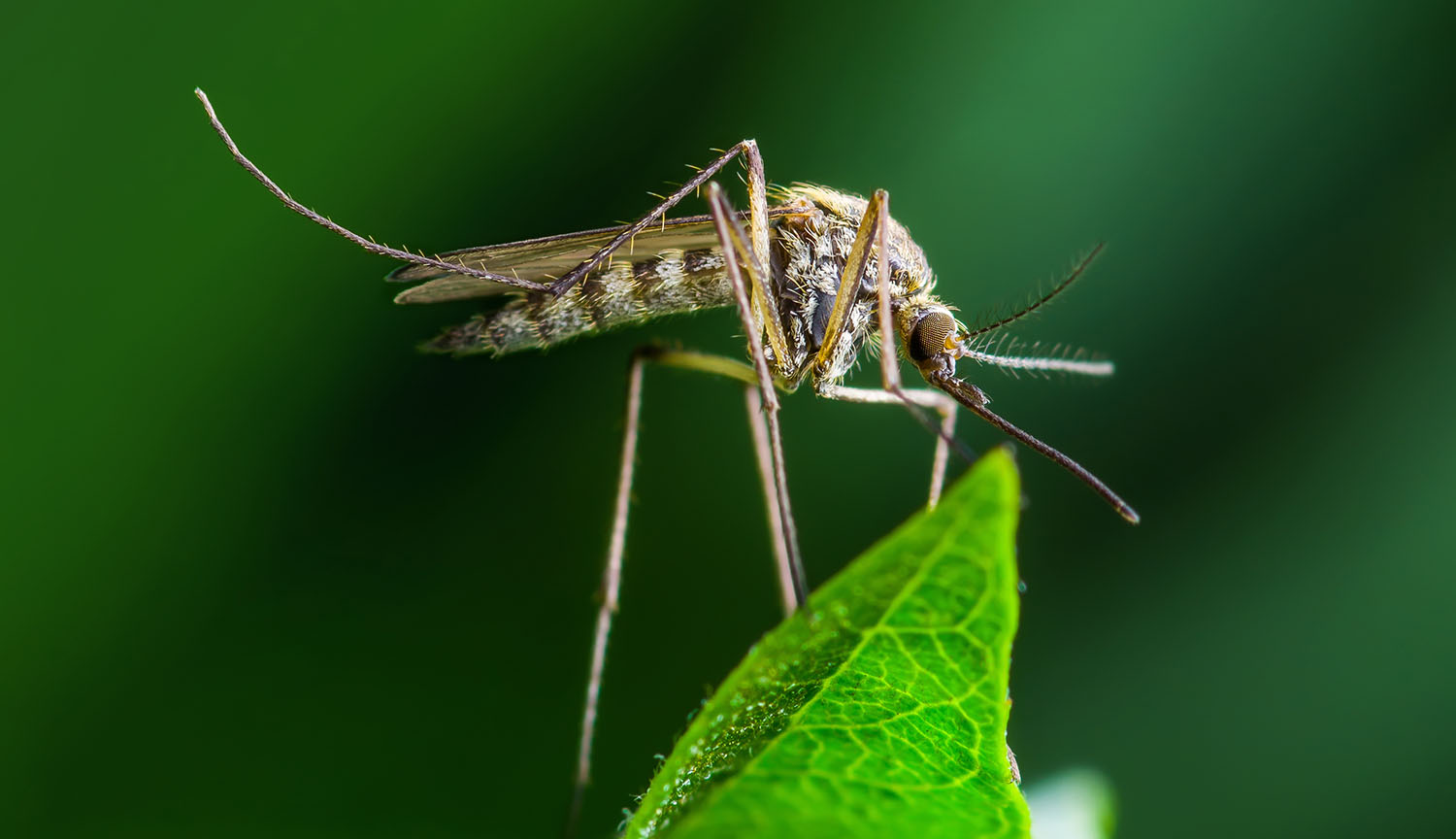
This record-setting year for heat saw stunning auroras, a map of a brain, a Dengue epidemic, the first look at rocks from the far side of the Moon, an AI energy scramble and more
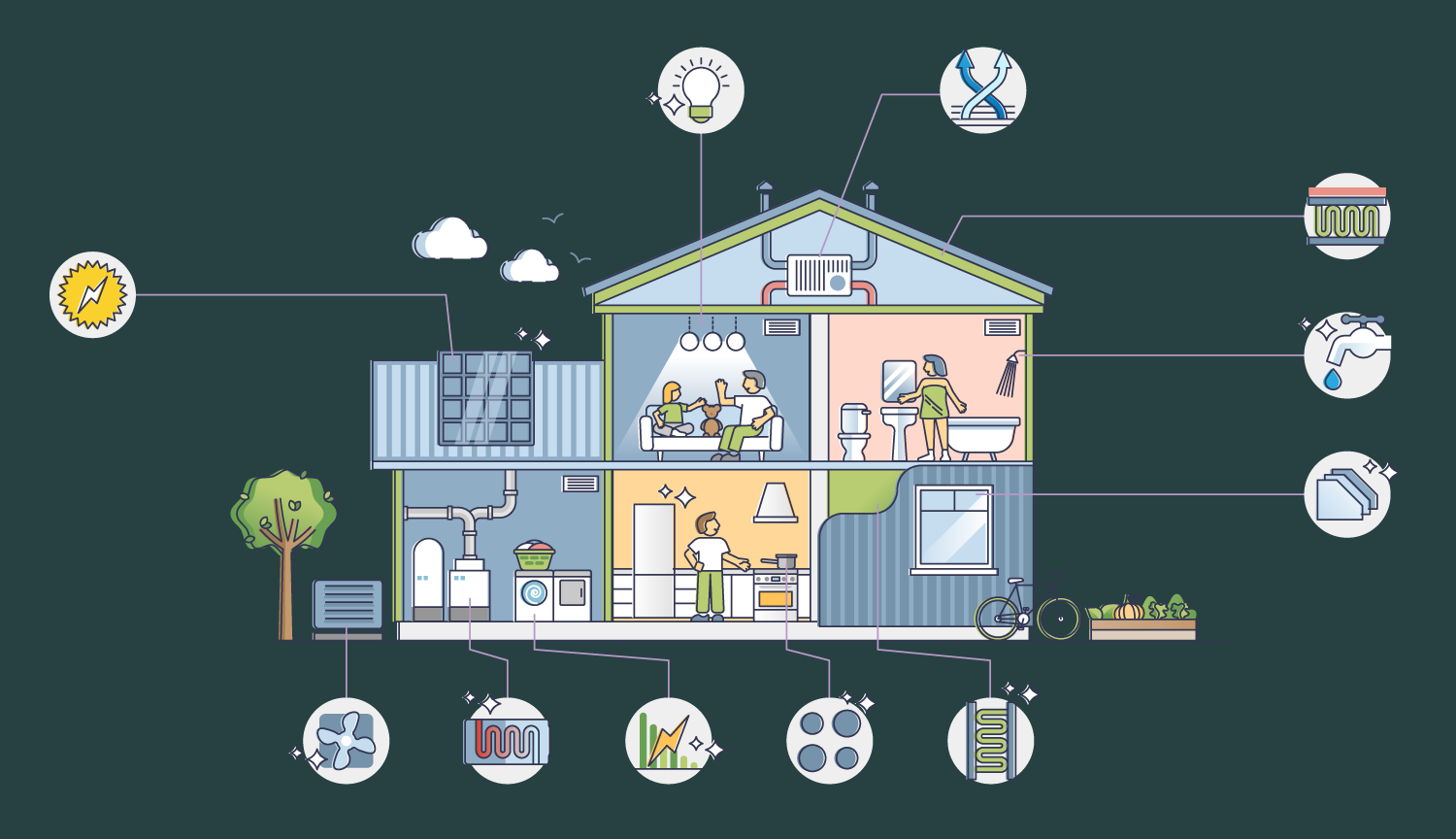
Getting our homes and workplaces to be energy efficient has major benefits — but not when it is done one window at a time. Here’s why deep retrofits and biomaterials are key to more sustainable living.
Miles away from the ocean, projects are afoot to clean up salty groundwater and use it to grow crops. Some say it’s a costly pipe dream, others say it’s part of the future.
Hint: It involves finding just the right proteins. With new ingredients and processes, the next generation of substitutes will be not just more egg-like, but potentially more nutritious.
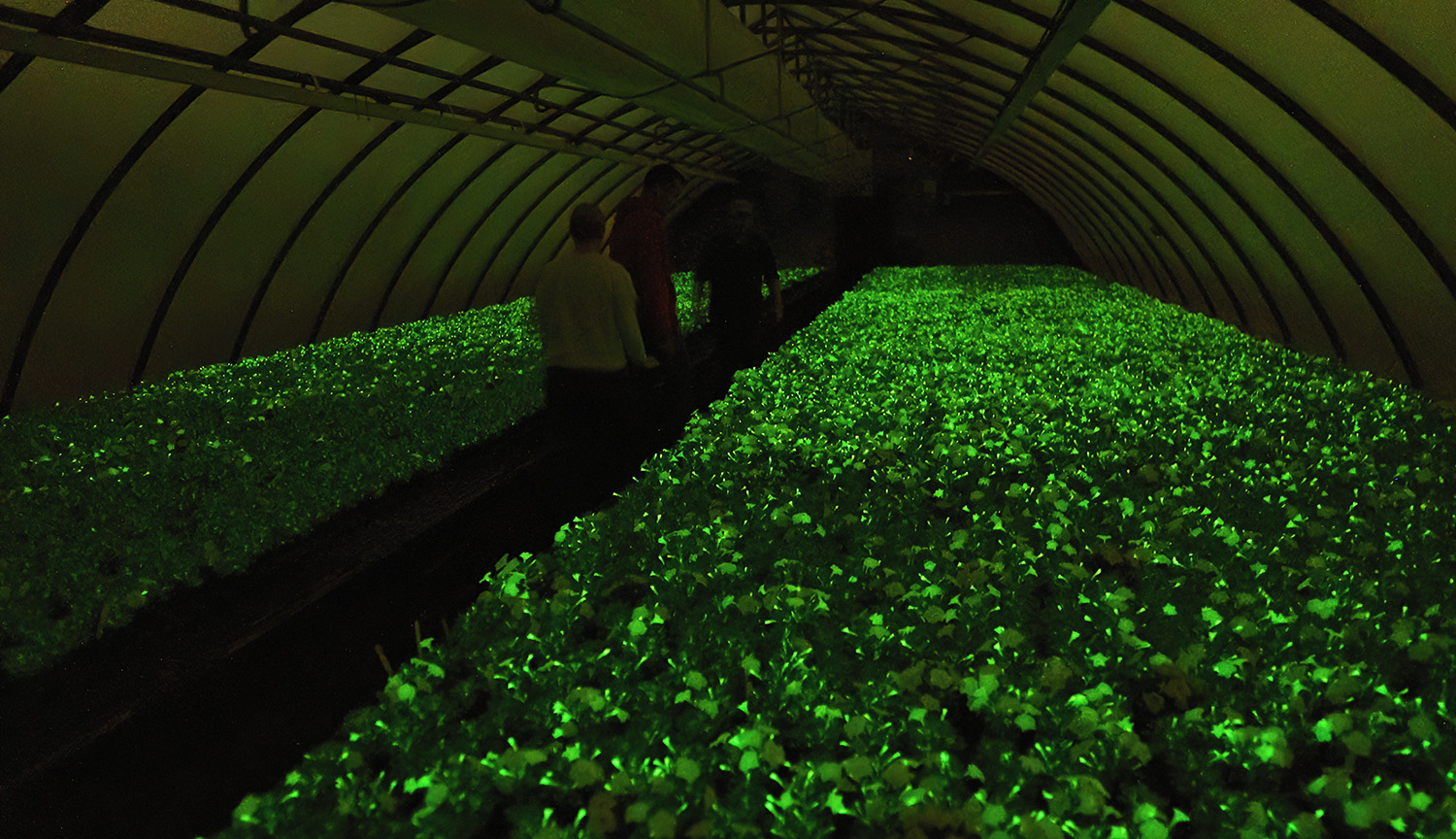
I bought a glowing plant. It led me down a rabbit hole of radiant mushrooms, 19th century experiments and a modern rivalry between scientists in Russia and the Americas.
Close X
This is not a paywall.
Knowable Magazine is free to read. But just because our articles are free to read doesn’t mean they are free to produce. If you value our trustworthy science journalism, please support it with a donation.