cookies to track usage and preferences."
data-cookieaccepttext="I UNDERSTAND"
data-cookiedeclinetext="Disable Cookies"
data-cookiepolicytext="Privacy Policy">
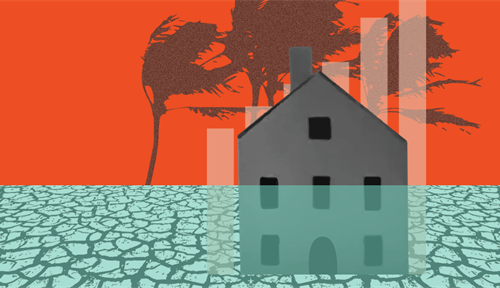
VIDEO: Is the disaster insurance industry hurtling toward a climate crisis? Learn how we can shore up programs that buffer the financial devastation that follows floods, fires and hurricanes — and help individuals and communities strengthen their climate resilience.
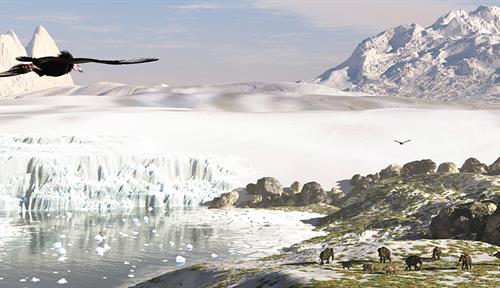
PODCAST: Digging — quite literally — into our planet’s past to study its paleoclimate has shed light on bygone ice ages and hints at trouble ahead for our now-warming world (Season 2/Episode 4)
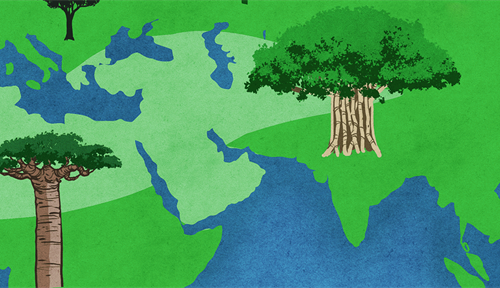
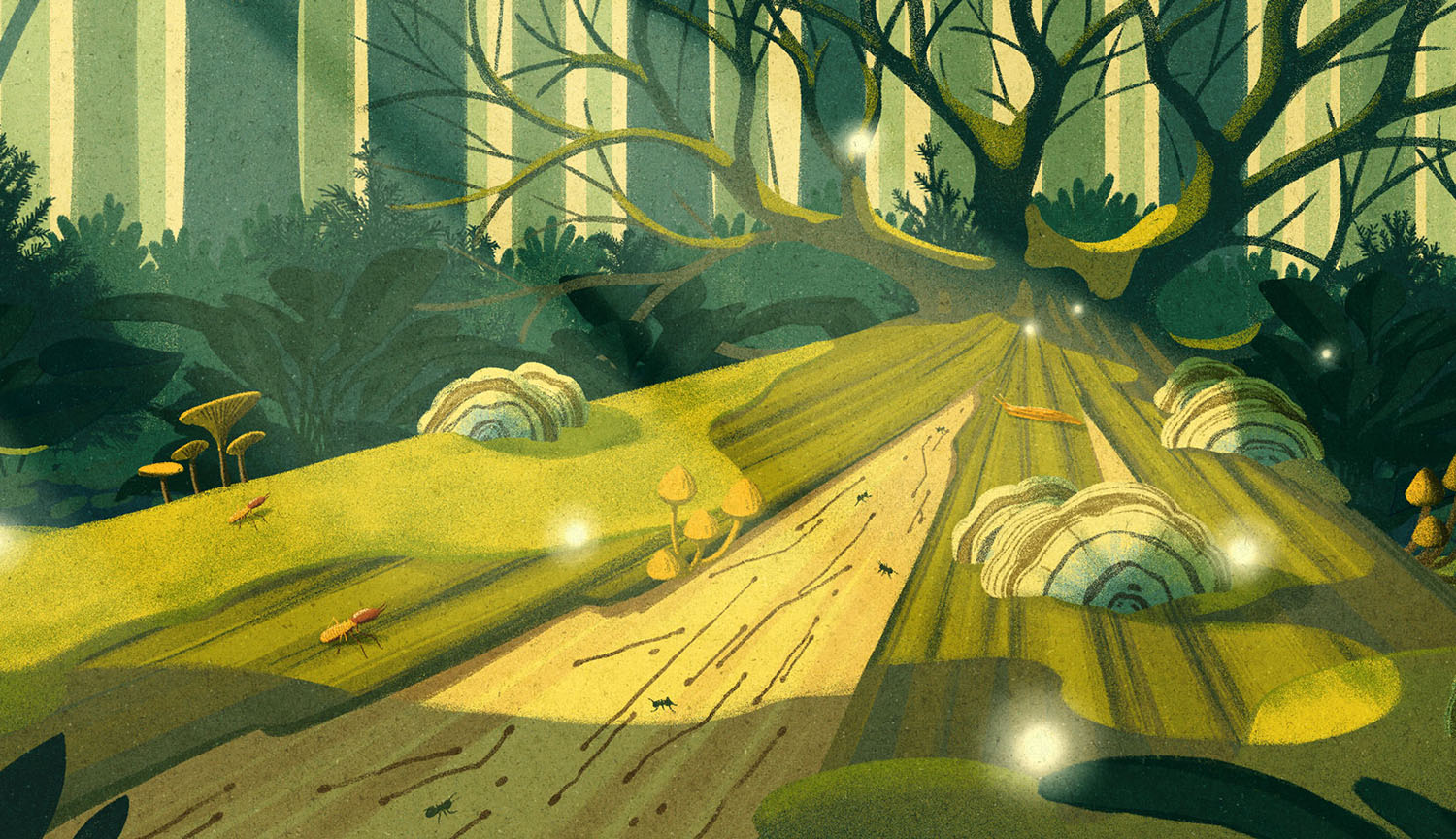
COMIC: Do forests warm or cool the Earth? What’s their effect on global climate change? A comic narrated by polymath Benjamin Franklin describes the evolution of thought on this issue and what we still don’t know.
Substances that persistently luminesce are already used in some bike lanes, and in the future could be applied to sidewalks, streets and buildings — saving energy and reducing urban heat
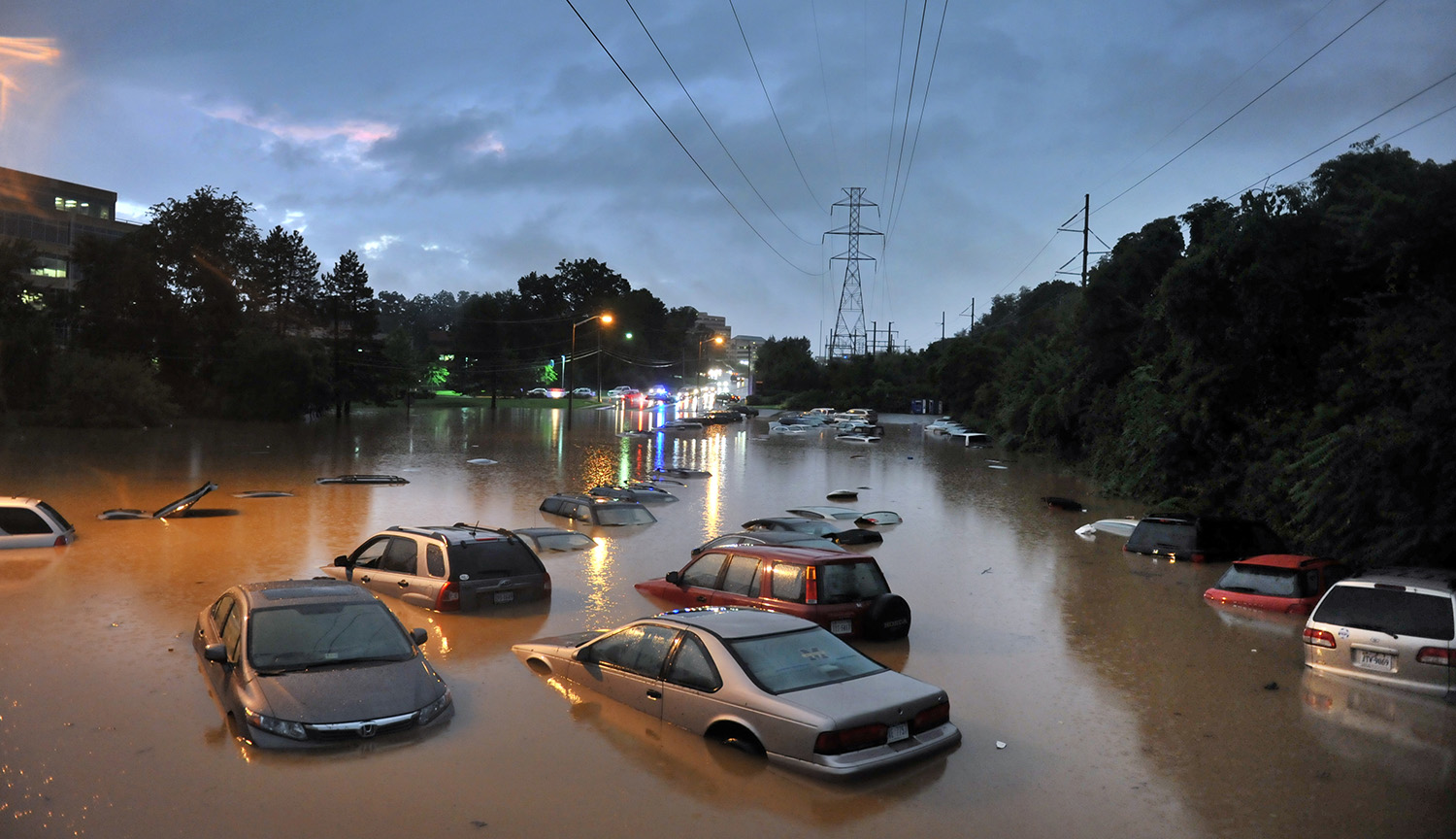
As the threat of coastal flooding grows, scientists are responding with an inundation of data. Faster and more accurate forecasts can save lives and property.
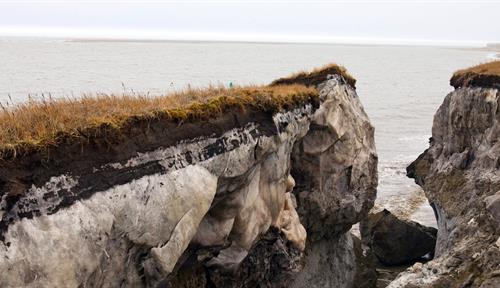
To understand what might be lost, ecologist Janet K. Jansson taps molecular methods to explore Earth’s underground microbes, from the permafrost to the grasslands
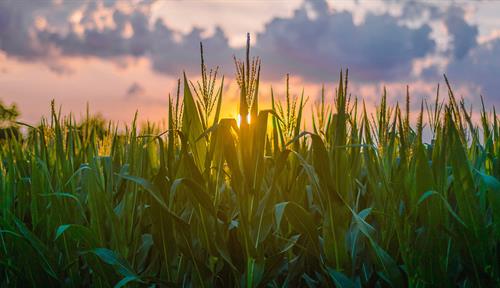
Replacing gasoline with ethanol has changed landscapes across the globe as grasslands and forests give way to cornfields. Researchers are deeply divided over what this means for the planet. Here’s the science behind the conflict.
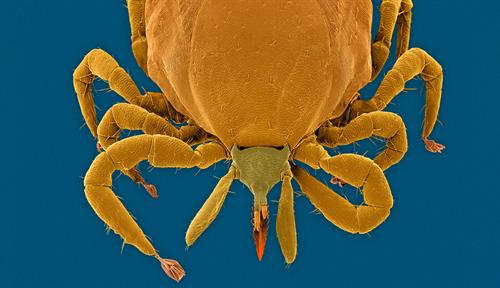
The complex interplay of ticks, their habitats and hosts — along with changes in land use and climate — may be enabling the spread of the pathogens they carry
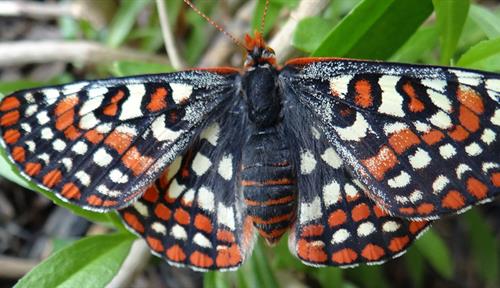
How do animal populations respond to climate change? After studying the same butterfly and its habitats for decades, two biologists explain that it’s complicated — but endlessly intriguing.
Researcher Arun Agrawal has lived three decades on either side of a watershed: the United Nations Framework Convention on Climate Change, signed 30 years ago this June. His 60 years are a window into how far we have come, and how far there is to go.
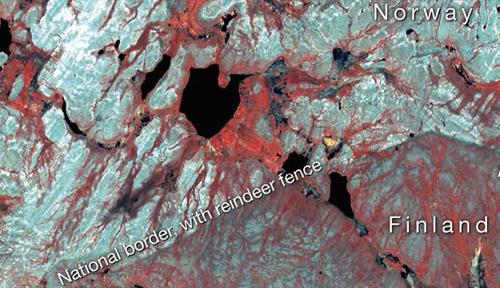
To slow or stop global warming, the world agrees it must cut carbon dioxide emissions. But monitoring each nation’s output of greenhouse gases is not always straightforward.
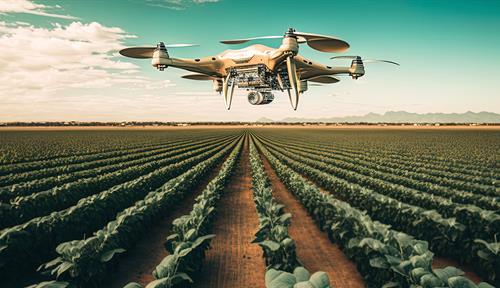
The technology could transform how growers protect their harvests, by detecting plant diseases very early on. But the challenge is to develop tools that are as affordable as they are effective.
The only way for humanity to solve its environmental problems may be to abandon our quest for continual economic expansion. It’s time to study what a future of degrowth might look like, some researchers say.
Close X
This is not a paywall.
Knowable Magazine is free to read. But just because our articles are free to read doesn’t mean they are free to produce. If you value our trustworthy science journalism, please support it with a donation.