cookies to track usage and preferences."
data-cookieaccepttext="I UNDERSTAND"
data-cookiedeclinetext="Disable Cookies"
data-cookiepolicytext="Privacy Policy">
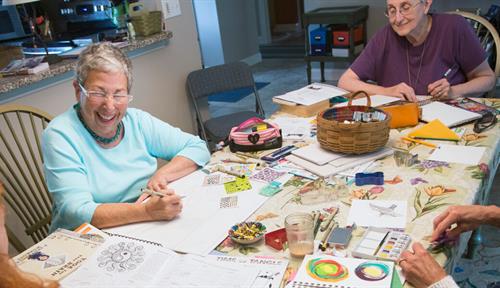
What helps some people diagnosed with cancer, heart disease or diabetes stay relatively happy and healthy, while others are devastated? Psychologist Vicki Helgeson explains the traits and mindsets that can make the difference.
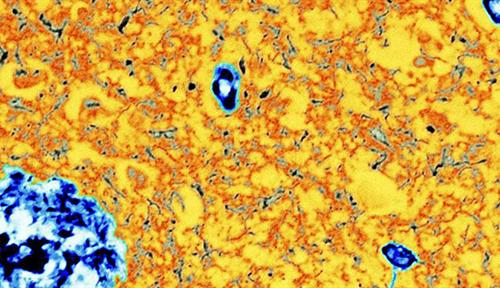
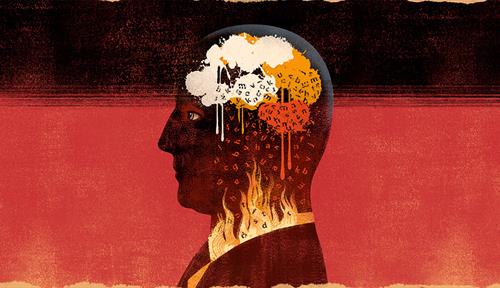
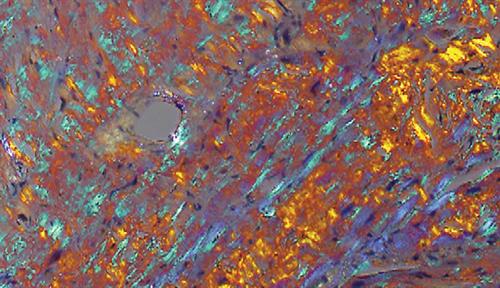
A summary of “Update on Alzheimer’s Disease Therapy and Prevention Strategies” by W. Vallen Graham and coauthors, in the 2017 issue of the Annual Review of Medicine
Researchers are investigating medicines that selectively kill decrepit cells to promote healthy aging — but more work is needed before declaring them a fountain of youth
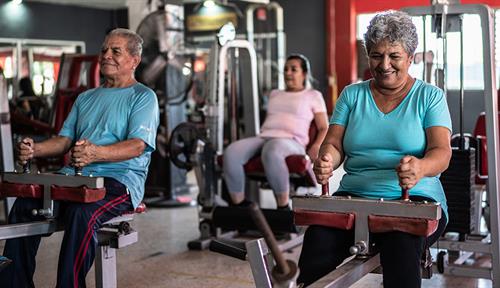
Even for 60ish youngsters, researchers reaffirm that exercise is essential. But just walking won’t cut it — break out the weights and go for strength training too.
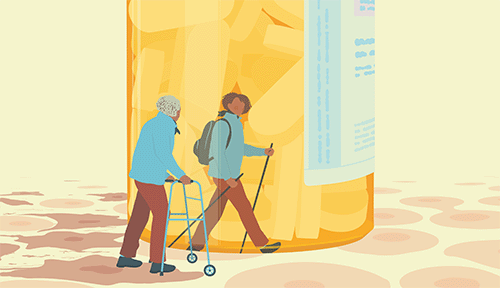
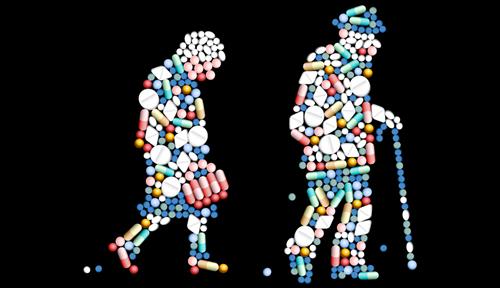
Polypharmacy — taking five or more meds at a time — leads to side effects, unnecessary hospitalizations and premature deaths. Researchers and pharmacists are seeking solutions to this serious public health problem that disproportionately affects older adults.
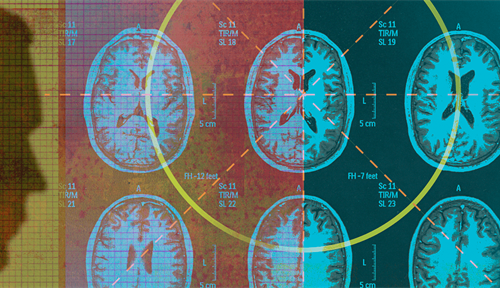
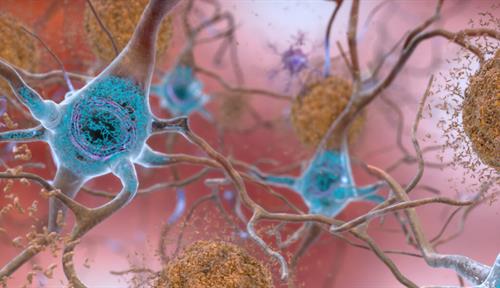
New blood assays and brain scans are among the biomarkers revolutionizing clinical trials and changing the way researchers think of the disease. They may soon change the way patients are treated as well.
Amyloid plaque can build up in body organs other than the brain. The resulting diseases — AL amyloidosis, ATTR amyloidosis and more — cause much suffering.
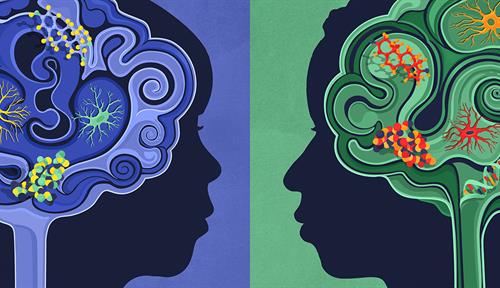
Differences between the immune systems of males and females — in particular, ones involving cells called microglia — might help explain why the risk for conditions such as autism and Alzheimer’s varies between the sexes
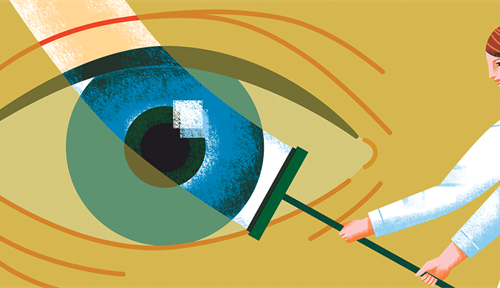
The eye disease causes millions to go blind. New treatments aimed at protecting nerve cells — or generating new ones — may slow or even stop the damage.
VIDEO: Connect with brain health experts about the best ways to cultivate resilience as we age, and how to support loved ones with memory loss and dementia
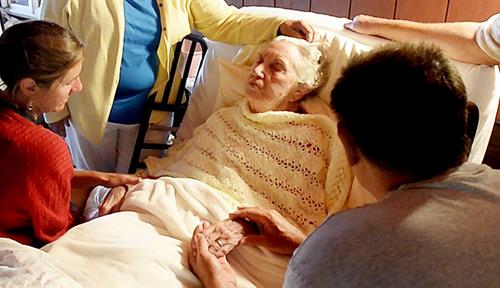
More than 17 million Americans are looking after disabled elders they love, and many of them pay a steep price in stress, frustration and depression. What can be done to improve their lives?
The body’s defenses lose flexibility and diversity over time, and protective responses to vaccines weaken as well. Scientists are working on ways to boost seniors’ protections against influenza, the novel coronavirus and other pathogens.
Population and animal studies suggested it could treat cancer, but the clinical trials were a bust. Here’s what happened and what potential may remain.
Cataracts, pink eye and other ocular disorders are linked to heat, air pollution and higher UV exposure
Close X
This is not a paywall.
Knowable Magazine is free to read. But just because our articles are free to read doesn’t mean they are free to produce. If you value our trustworthy science journalism, please support it with a donation.