cookies to track usage and preferences."
data-cookieaccepttext="I UNDERSTAND"
data-cookiedeclinetext="Disable Cookies"
data-cookiepolicytext="Privacy Policy">
Individual behavior patterns may skew studies. A new approach called ‘STRANGE’ could help, by taking into account the habits, tendencies and life experiences of the creatures under scrutiny.
VIDEO: Join a conversation about the teenage brain’s strengths and vulnerabilities, how adults can support teenagers with mental health issues, and how teens can help one another
The strain of life — from everyday conflicts to major losses — can stretch our well-being to the breaking point. Here’s what scientists know, and still don’t know, about the stress-illness connection.
Trendy office layouts. Performance reviews that crush morale. There’s plenty of evidence on how to get the best out of workers, but businesses often ignore it.
Criminologist Charis Kubrin has spent more than a decade researching the effects of immigration on law and order. She’s finding that it takes more than data to make her case.
VIDEO: Connect with brain health experts about the best ways to cultivate resilience as we age, and how to support loved ones with memory loss and dementia
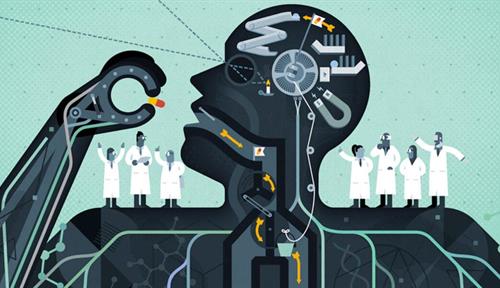
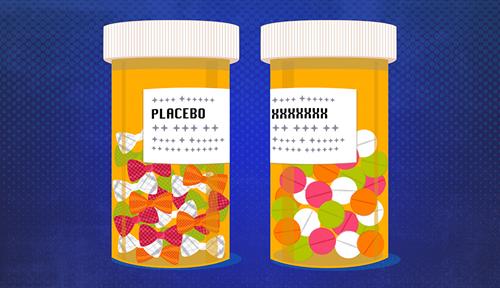
PODCAST: Sloppy by today’s standards, and maybe even back when it was published in 1955, Henry Beecher’s paper paved the way for sounder drug trials and pushed scientists to better understand how we process pain (Season 3, Episode 3)
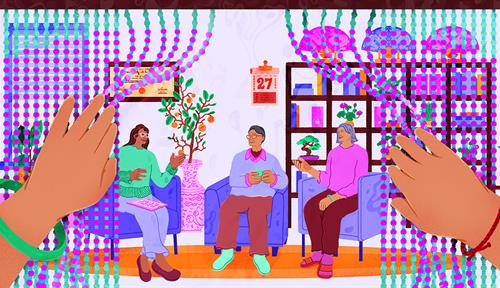
Most of today’s psychotherapies are grounded in Western values. Researchers hope that tailoring treatments to patients’ cultural backgrounds will improve mental health outcomes.
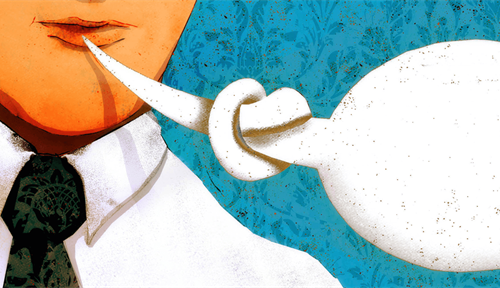
After centuries of misunderstanding, research has finally tied the speech disorder to certain genes and brain alterations — and new treatments may be on the horizon
Treatment with drugs such as buprenorphine, methadone and naltrexone is deemed the gold standard for youth with opioid addictions. Why isn’t it used more often?
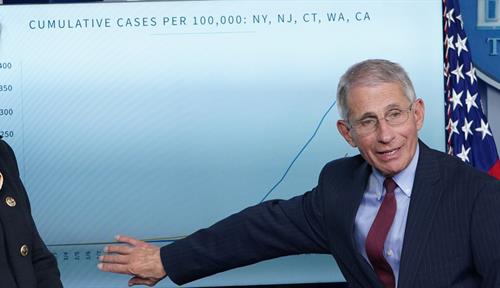
Public health messages should be loud and clear, so that everyone listens and stays safe. But that’s easier said than done — especially with a case as complex as Covid-19.
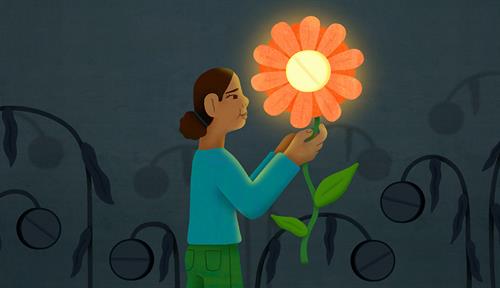
PODCAST: Serendipitous discoveries led to drugs like Prozac and to new insights into the physical basis of this debilitating disorder. But scientists continue to search for deeper understandings and therapies that will bring relief to those who still struggle. (Season 2, Episode 6)
The more researchers look, the more multifaceted the risk factors appear — and the more we learn about how the brain works and develops
Close X
This is not a paywall.
Knowable Magazine is free to read. But just because our articles are free to read doesn’t mean they are free to produce. If you value our trustworthy science journalism, please support it with a donation.