cookies to track usage and preferences."
data-cookieaccepttext="I UNDERSTAND"
data-cookiedeclinetext="Disable Cookies"
data-cookiepolicytext="Privacy Policy">
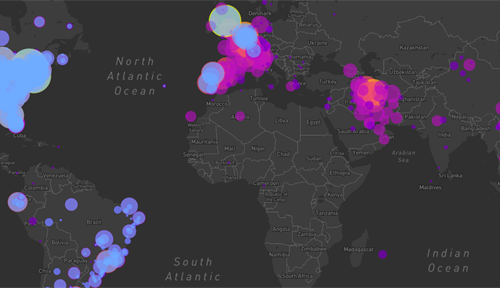
Social media posts and online searches may offer vital clues about the spread of influenza — and now Covid-19. But they also risk errors and threaten privacy.
OPINION: Requiring companies to give unwell workers compensated time off isn’t a burden. It’s smart public health policy that reduces the spread of disease.
VIDEO: Watch our conversation about how understanding and trust in science have changed in the past year, science’s evolving role in society and how group identities shape people’s views.
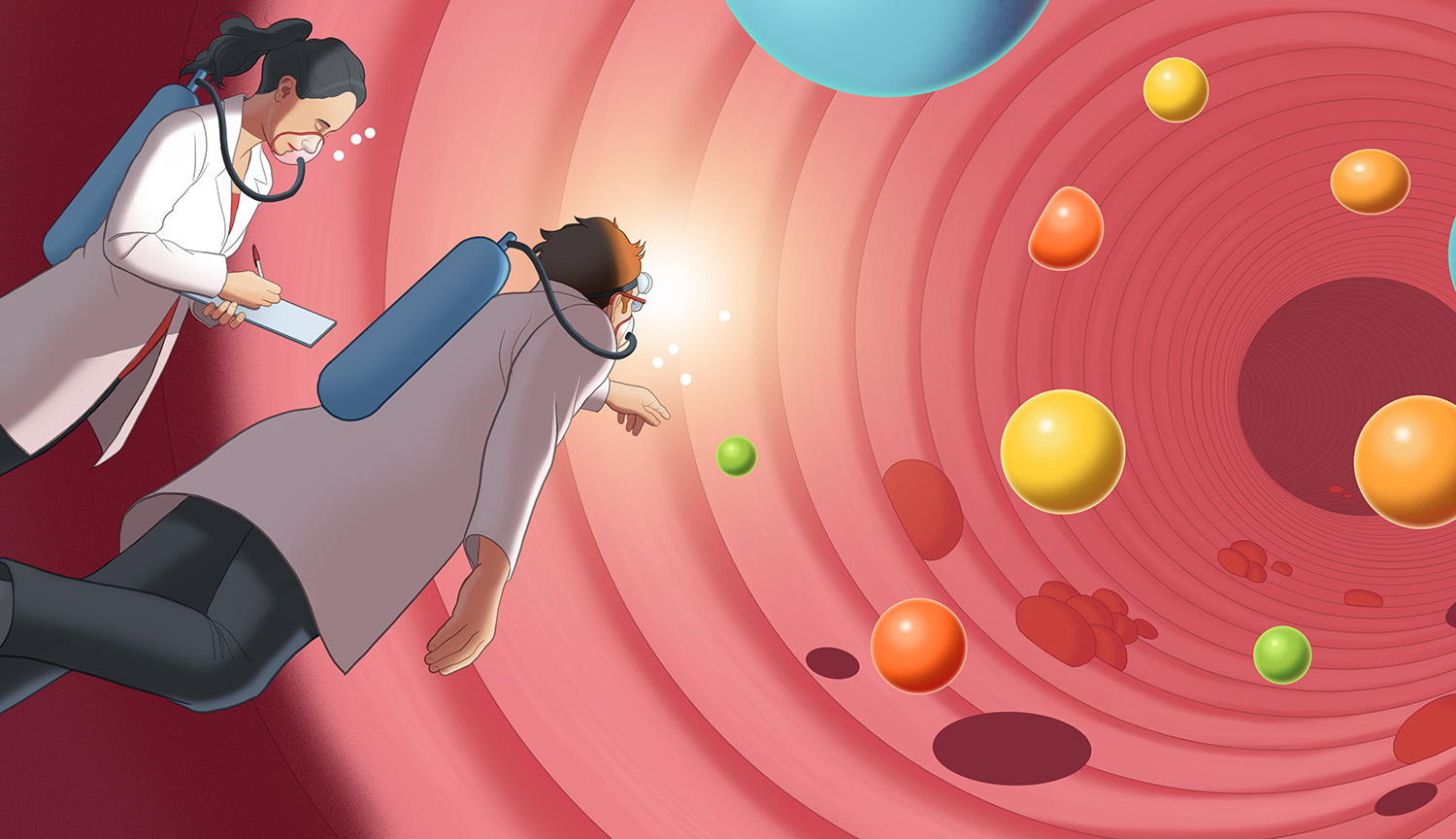
From building up defenses in the nose to slowing down a virus’s ability to make copies of itself, scientists are rolling out a raft of creative approaches to fighting infection
VIDEO: Some variants of SARS-CoV-2, such as Delta, will drive new waves of COVID-19 infections. What can previous studies of the flu, HIV and SARS tell us about the course that this pandemic may take?
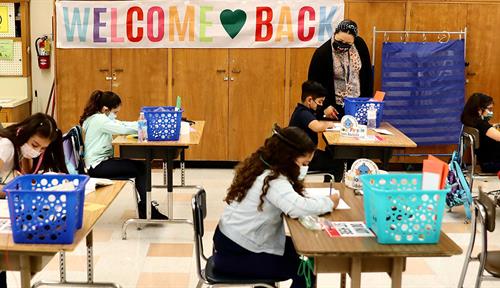
VIDEO: New York Times science reporter Apoorva Mandavilli chronicles the rise of the delta variant, the latest of many twists in the pandemic that she’s covered since it began. Delta has left parents in an especially tough spot, with schools opening but young children still vulnerable.
Traffic planners, securities traders and military strategists all use it. Simulating the behavior of millions of idiosyncratic individuals also may be the best way to understand complex phenomena like pandemics.
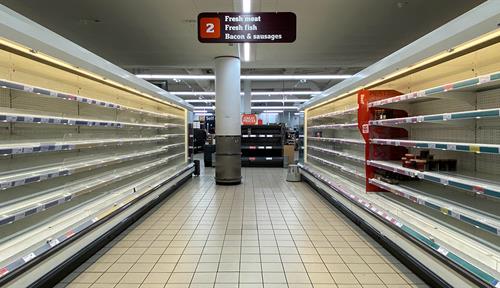
Covid-19 has been a stress test for the world’s food supply chains — and a preview of looming threats. That’s making efforts to improve the journey from farm to fork more urgent than ever.
In metros like Reno, Nevada, citizen scientists hit the road to collect detailed temperature data — key to taming urban heat, saving lives and designing for a warmer future
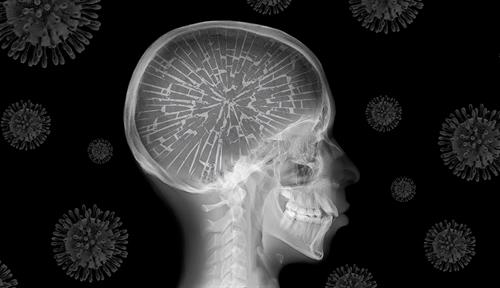
VIDEO: Even a mild SARS-CoV-2 infection can cause inflammation that disrupts neural communication, says Stanford neurologist Michelle Monje. Her concern is that Covid-19 may leave millions dealing with cognitive problems, from a loss of mental sharpness to lapses in memory, that prevent them from returning to their previous level of function.
In people not adapted to life at altitude, the sparse oxygen can impair fetal growth, causing problems that can last a lifetime. Researchers are searching for remedies.
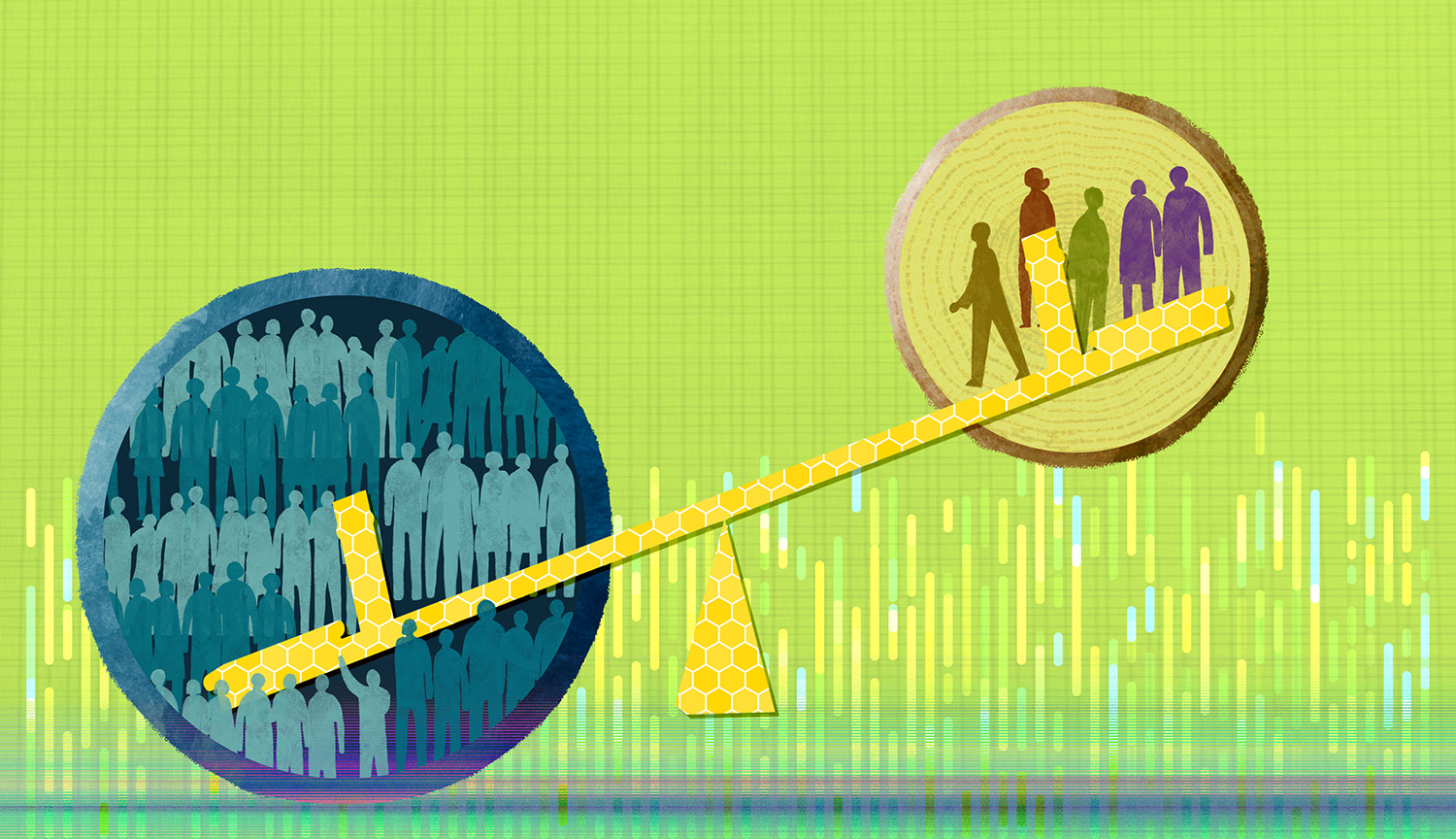
OPINION: A massive bias in medical studies toward men of European origin means that genetic variants in understudied populations don’t get the focus they deserve
OPINION: Recent CDC guidelines for indoor air quality disregard the benefits of humidity. But research shows it can kill viruses and help thwart infections.
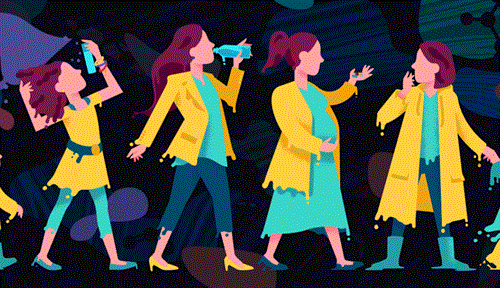
Of the millions of substances people encounter daily, health researchers have focused on only a few hundred. Those in the emerging field of exposomics want to change that.
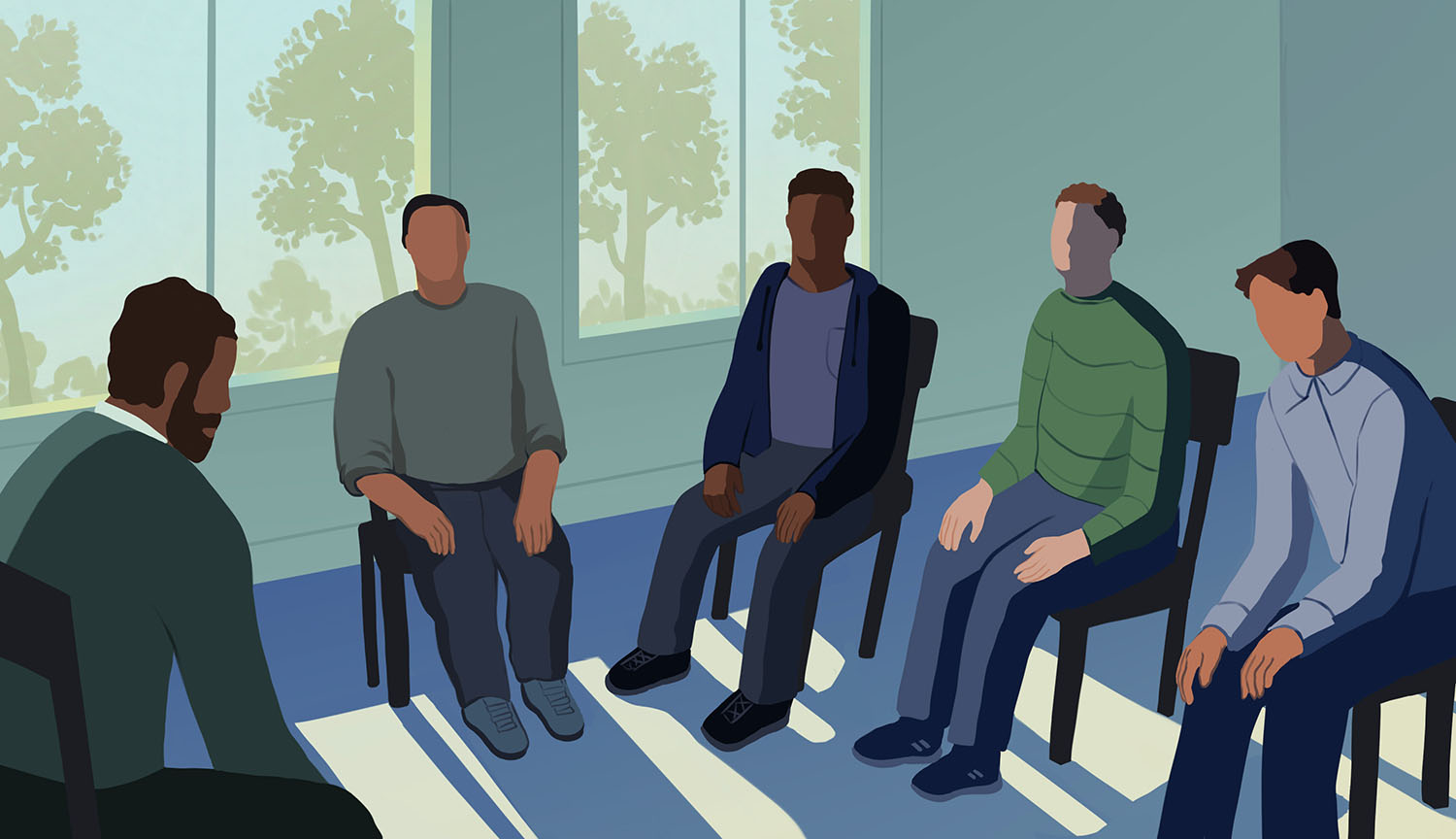
New research, innovative programs and emboldened advocates are challenging decades-old conventions about how to respond to domestic abuse
Close X
This is not a paywall.
Knowable Magazine is free to read. But just because our articles are free to read doesn’t mean they are free to produce. If you value our trustworthy science journalism, please support it with a donation.