cookies to track usage and preferences."
data-cookieaccepttext="I UNDERSTAND"
data-cookiedeclinetext="Disable Cookies"
data-cookiepolicytext="Privacy Policy">
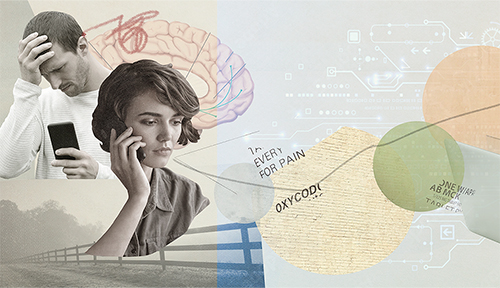
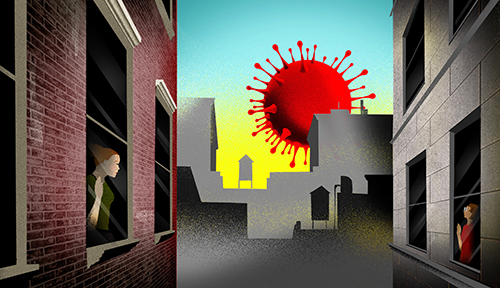
The Covid-19 pandemic brought a sudden shift to virtual health care. That has increased access — and possibly outcomes, too — for patients with opioid use disorder.
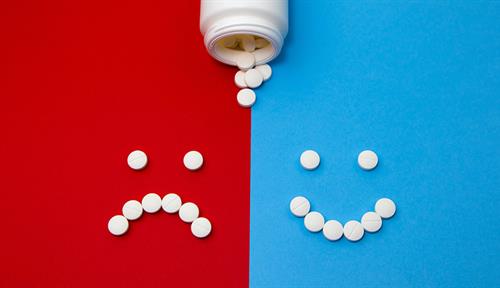
PODCAST: Serendipitous discoveries led to drugs like Prozac and to new insights into the physical basis of this debilitating disorder. But scientists continue to search for deeper understandings and therapies that will bring relief to those who still struggle. (Season 2, Episode 6)
Psychologists are beginning to understand that for some people, intense and sustained feelings of loss are symptoms of a serious condition — one that can last for years and erode wellbeing
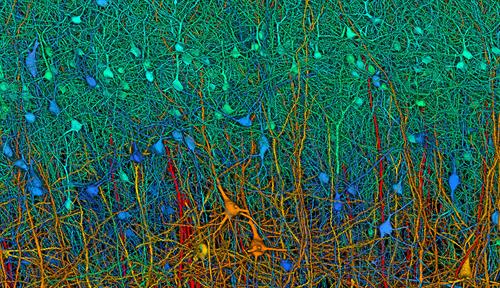
At last, neuroscientists are learning how the hormone shapes social behaviors such as pair-bonding and parental care. It’s more complicated than they thought.
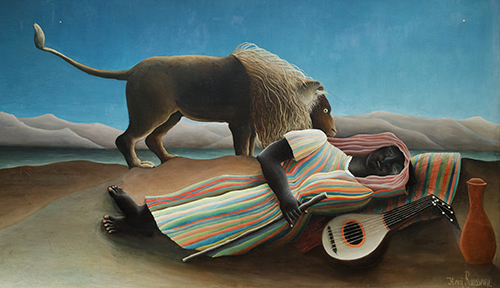
PODCAST: We have thoughts, visions and feelings while we sleep, experiencing a virtual reality of sorts. But how and why does dreaming happen? Researchers bring us closer to understanding the work our brains do while our bodies rest. (Season 2/Episode 1)
OPINION: Human behavior is fueling major social dilemmas — from climate change to the Covid pandemic to the spread of misinformation. But that means it’s also the solution, if only we can harness psychology for the common good.
Collaboration is vital when caring for an aging parent. Yet there are many stumbling blocks to good teamwork, from unequal division of tasks and differing perceptions of a parent’s needs to old, lingering resentments.
Fluctuating levels of estrogen during a period known as perimenopause can wreak havoc on the mental health of women in midlife. Diagnosis and treatment have been elusive despite symptoms as serious as suicidal thoughts.
Working out buffs up the body — and perhaps the mind, too. New research is revealing how physical activity can reduce and even ward off depression, anxiety and other psychological ailments.
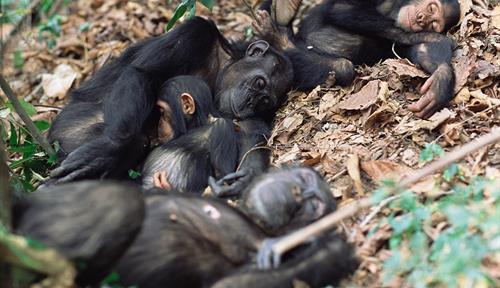
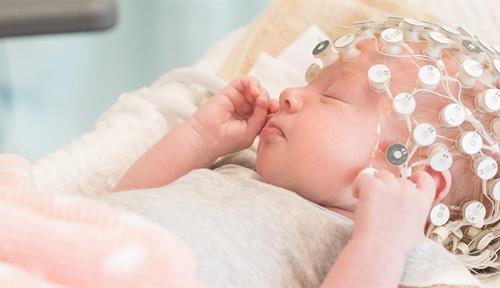
Neuroscientists have long known that shut-eye helps consolidate memories in adults. Napping may play an equally crucial role in infants and young children.
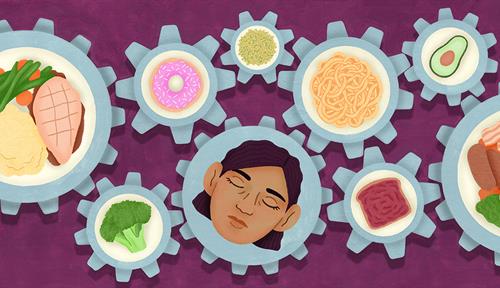
OPINION: More than a third of Americans don’t log enough hours in bed, provoking serious impacts on their health. Diet is an important and under-recognized reason.
Cognitive behavioral therapy is proving to work well, but only for some patients. Scientists are seeking new innovations to help people grappling with the pervasive and often-hidden problems of anorexia, bulimia and binge eating.
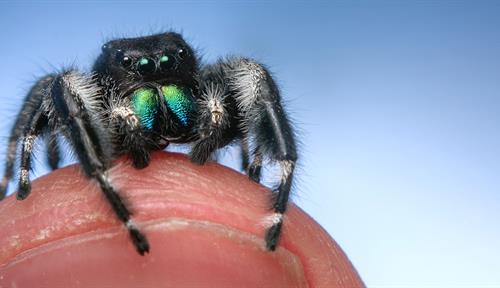
Cognition researchers are discovering surprising capabilities among a group of itsy-bitsy arachnids
Close X
This is not a paywall.
Knowable Magazine is free to read. But just because our articles are free to read doesn’t mean they are free to produce. If you value our trustworthy science journalism, please support it with a donation.