cookies to track usage and preferences."
data-cookieaccepttext="I UNDERSTAND"
data-cookiedeclinetext="Disable Cookies"
data-cookiepolicytext="Privacy Policy">
PODCAST: Physicists were mostly skeptical back when the idea of them emerged a century ago from Einstein’s work. The evolution of the evidence, from circumstantial to conclusive, is the quintessential story of science. (Season 1/Episode 1)
As the threat of coastal flooding grows, scientists are responding with an inundation of data. Faster and more accurate forecasts can save lives and property.
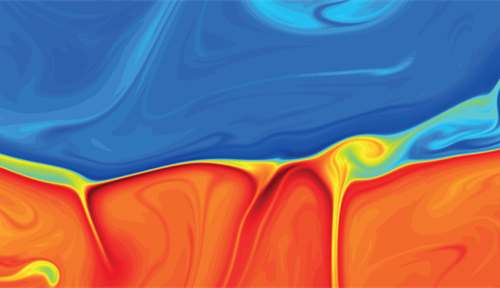
Kivu is no ordinary lake, with dense depths packed with methane and carbon dioxide gas. Its features hold aquatic puzzles, explosive hazards and the capacity to provide valuable energy.
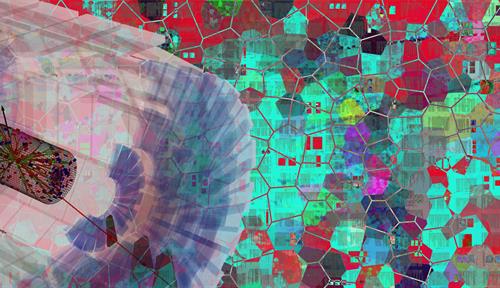
Machine learning has found uses in fields as diverse as particle physics and radiology, and its influence is growing. But so is the understanding of its limits.
For most of Earth’s history, hardly any of the mucky stuff existed on land. It finally started piling up around 458 million years ago, changing life on the planet forever.
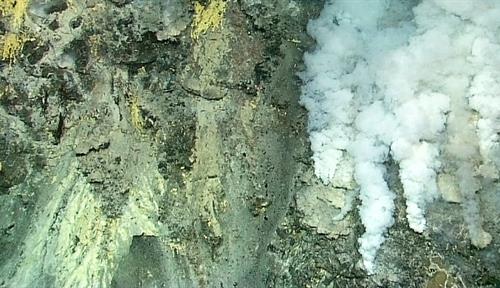
Researchers think they’re getting warmer: They’ve created amino acids and primitive membranes by simulating conditions found at scalding vents on the ocean floor
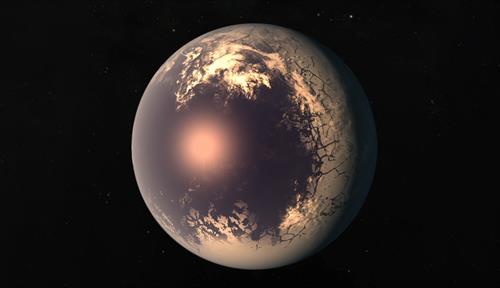
Tidally locked worlds are places of extremes. On one side it’s an endless day, the other a perpetual night. Yet scientists speculate that some may harbor conditions that could support life.
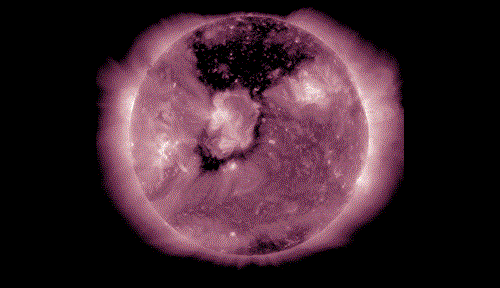
For two decades, astronomers have argued over how much carbon, nitrogen and especially oxygen lie within our closest star — a dispute with implications for the entire universe
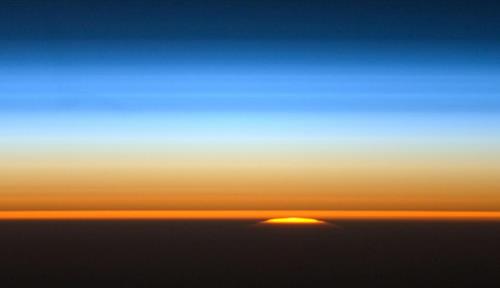
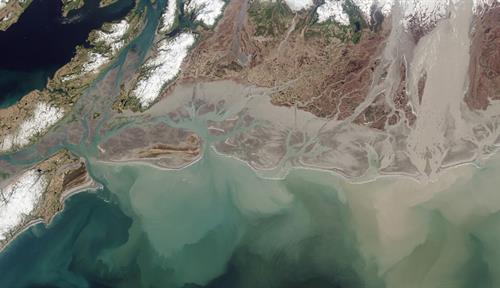
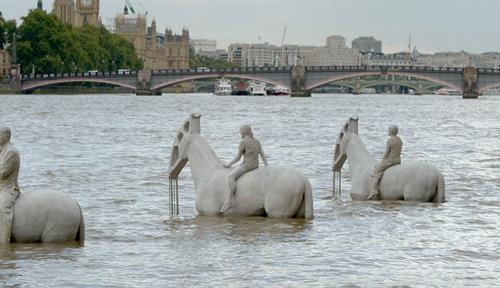
Dredging rivers, filling in wetlands and other human acts of engineering have shifted coastal ebbs and flows worldwide. Add rising sea levels, and the threat of storm surges and floods will worsen in some places.
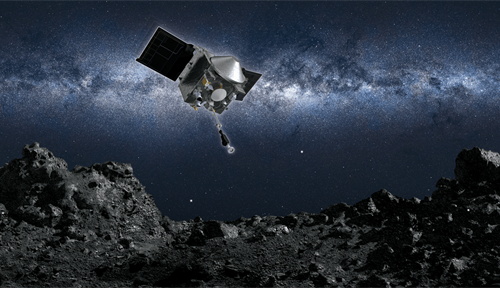
New tests could verify general theory of relativity, or find flaws
Close X
This is not a paywall.
Knowable Magazine is free to read. But just because our articles are free to read doesn’t mean they are free to produce. If you value our trustworthy science journalism, please support it with a donation.