cookies to track usage and preferences."
data-cookieaccepttext="I UNDERSTAND"
data-cookiedeclinetext="Disable Cookies"
data-cookiepolicytext="Privacy Policy">
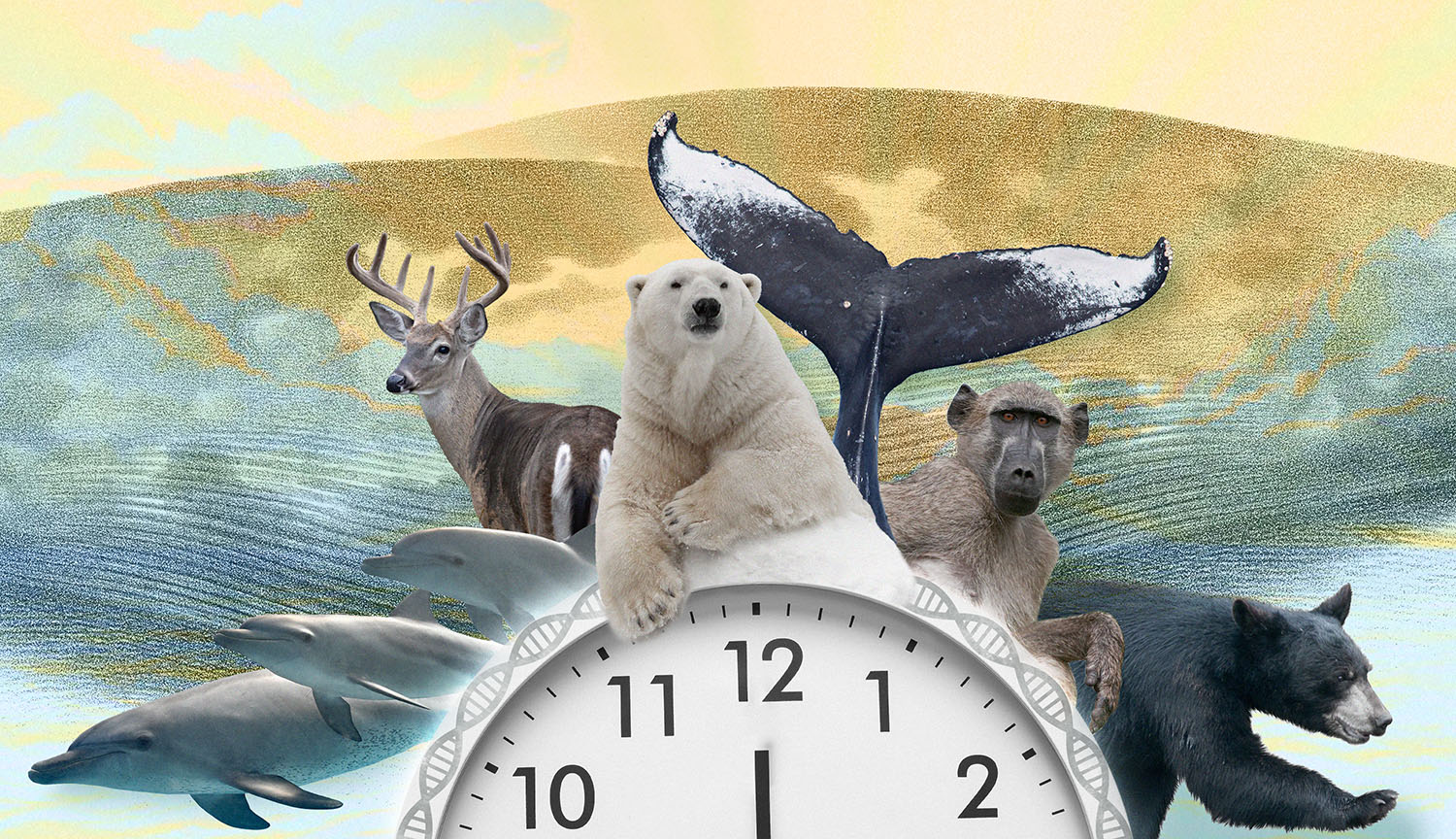
In polar bears, dolphins, baboons and more, molecular signatures of aging are changing how conservationists assess population health, resilience and risk
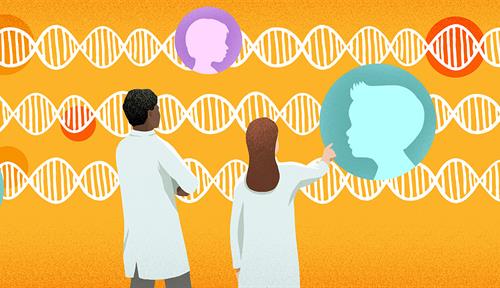
Genetic conditions like Dravet syndrome, which causes severe childhood epilepsy, are hard to tackle with traditional gene therapy. New approaches in the works include using antisense therapy to boost mRNA splicing.
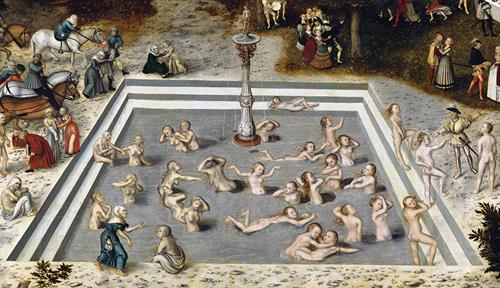
A gaggle of biotech start-ups are trying vastly different approaches to spin animal studies into the next big anti-aging therapy. It’s too early to know which, if any, will succeed.
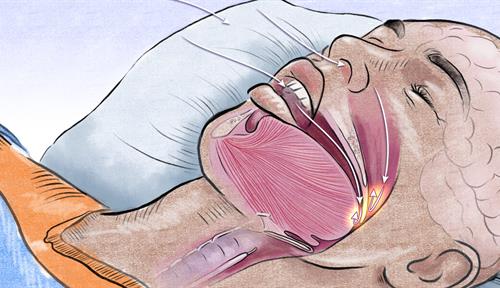
The disorder has several different causes, researchers are learning. That finding opens the door for personalized therapies — and perhaps even effective drugs.
Even as scientists celebrate progress in the lab, a stigma-busting movement asserts that those with the autoimmune skin condition are more in need of acceptance than medicine
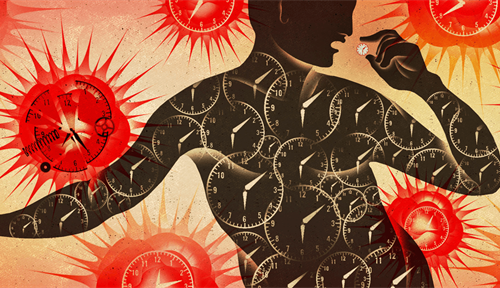
By taking advantage of differing circadian rhythms in healthy cells and tumors, researchers hope to add a powerful new tool for treating the disease.
Close X
This is not a paywall.
Knowable Magazine is free to read. But just because our articles are free to read doesn’t mean they are free to produce. If you value our trustworthy science journalism, please support it with a donation.