cookies to track usage and preferences."
data-cookieaccepttext="I UNDERSTAND"
data-cookiedeclinetext="Disable Cookies"
data-cookiepolicytext="Privacy Policy">
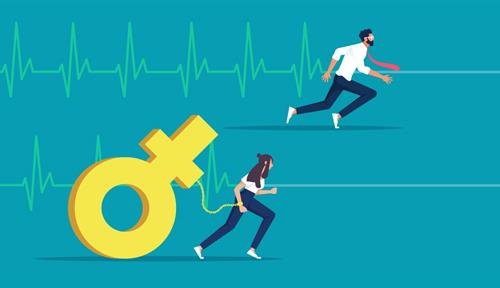
Katherine Flegal was a scientist who found herself crunching numbers for the government, until one day her analyses set off a firestorm. What does she make of her decades as a woman in public health research?
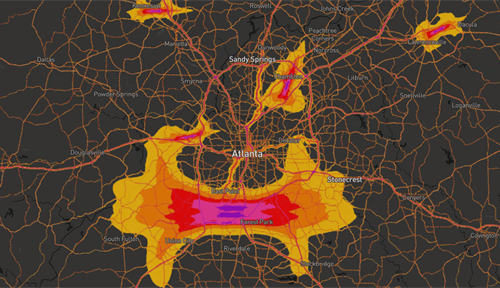
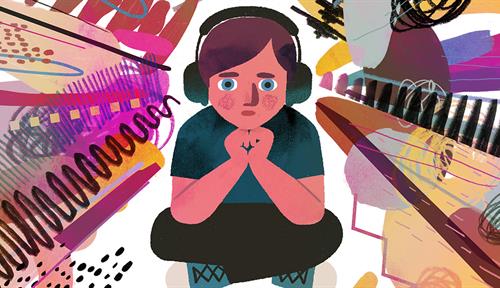
Loud road and air traffic has been linked to a greater risk of high blood pressure, heart attacks and strokes. Scientists are uncovering new details about how what you hear stresses the cardiovascular system.
What helps some people diagnosed with cancer, heart disease or diabetes stay relatively happy and healthy, while others are devastated? Psychologist Vicki Helgeson explains the traits and mindsets that can make the difference.
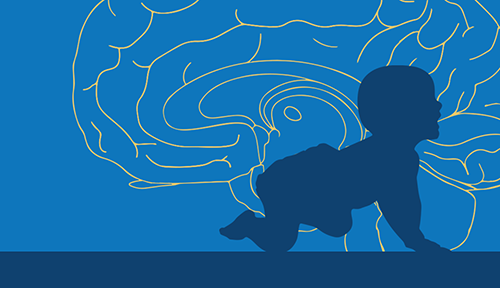
VIDEO: Learn how the baby brain changes from gestation to toddlerhood, and what parents, teachers and policymakers can do to ensure kids are set up for success
An increasing number of cities and countries have begun taxing sugary beverages. But can raising the price of these drinks really make a dent in obesity, diabetes and other ailments?
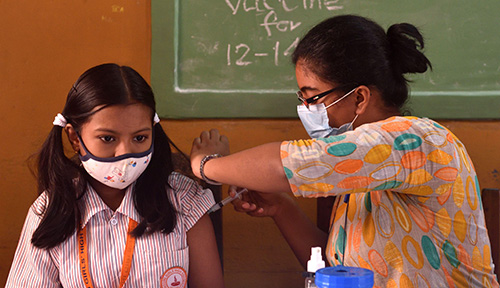
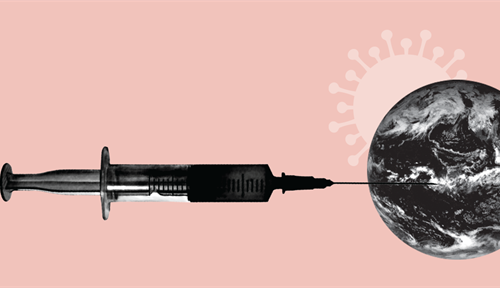
Lower-income countries haven’t gotten an equal share of lifesaving coronavirus vaccines. Older, more familiar vaccine technologies may hold the key to more equitable use, says Maria Elena Bottazzi.
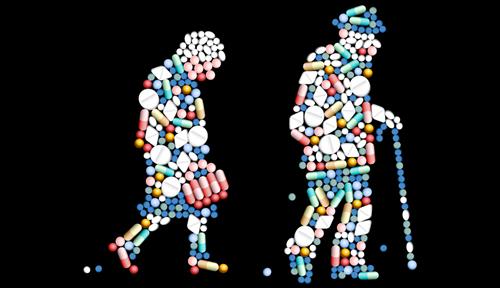
Polypharmacy — taking five or more meds at a time — leads to side effects, unnecessary hospitalizations and premature deaths. Researchers and pharmacists are seeking solutions to this serious public health problem that disproportionately affects older adults.
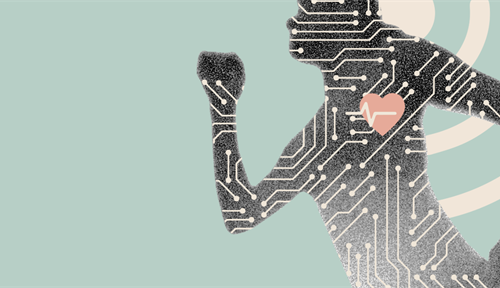
VIDEO: Wearable devices are increasingly used for tracking health data and identifying problems. Learn from health researchers about exploring the promise and pitfalls of personal tech.
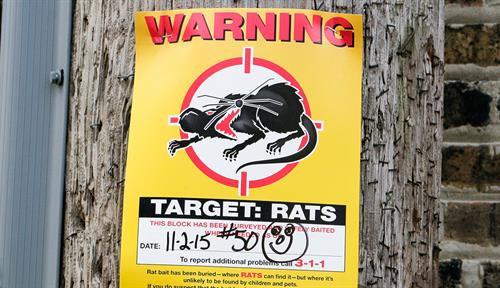
OPINION: A study in Chicago found that rodents surviving poisoning are more likely to carry disease. Good pest control needs to take such things into account.
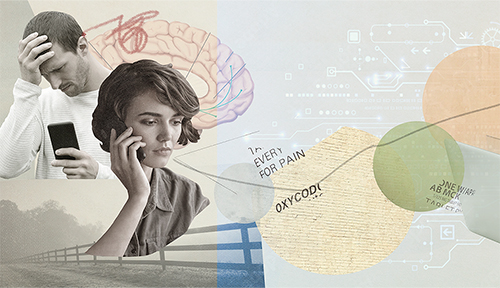
The Covid-19 pandemic brought a sudden shift to virtual health care. That has increased access — and possibly outcomes, too — for patients with opioid use disorder.
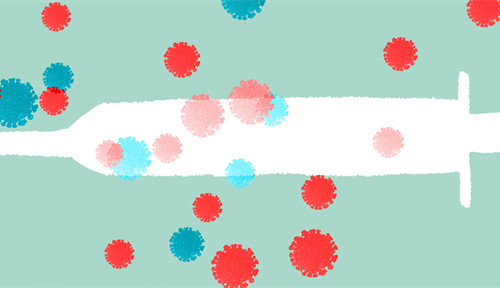
Researchers around the globe are working with unprecedented speed to find the vaccines we need to find our way through the pandemic. What’s the bar for safety and effectiveness?
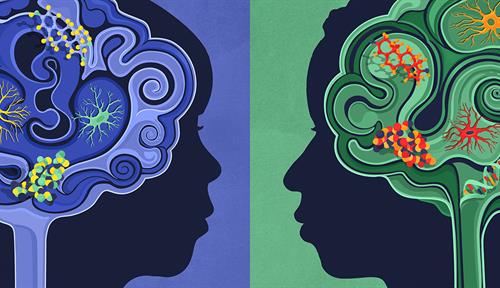
Differences between the immune systems of males and females — in particular, ones involving cells called microglia — might help explain why the risk for conditions such as autism and Alzheimer’s varies between the sexes
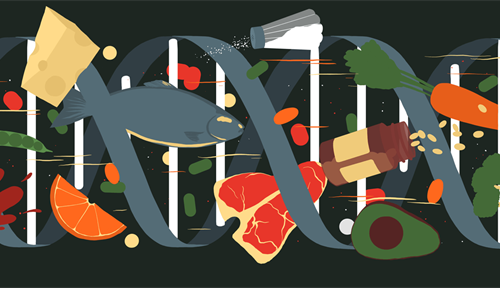
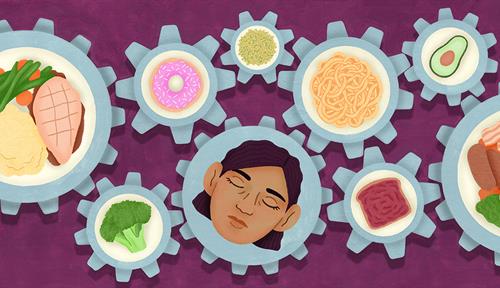
Genes, microbes and other factors govern how each person’s body processes nutrients. Understanding the connections could help optimize diets — and health.
VIDEO: In the US today, prisons are an entrenched part of the criminal justice system, yet they are a relatively modern way of dealing with crime. How have society’s attitudes toward punishment shifted over time and why does it matter? Join us for a free online event on Wednesday, March 23.
Cognitive behavioral therapy is proving to work well, but only for some patients. Scientists are seeking new innovations to help people grappling with the pervasive and often-hidden problems of anorexia, bulimia and binge eating.
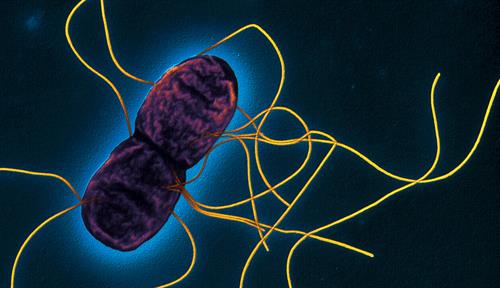
Eliminating this food-poisoning bacterium from poultry is tricky — not least because rapid, precise tests are still unavailable. Researchers are looking at vaccines, probiotics, prebiotics and even essential oils as ways to reduce contamination on the farm.
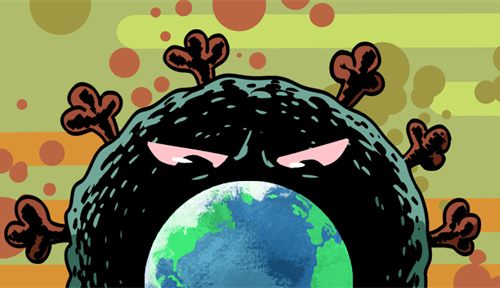
COMIC: As it spreads throughout the world, the virus that causes Covid-19 has been changing. Scientists are tracking those changes, hoping to stay one step ahead of worrisome strains.
Treatment with drugs such as buprenorphine, methadone and naltrexone is deemed the gold standard for youth with opioid addictions. Why isn’t it used more often?
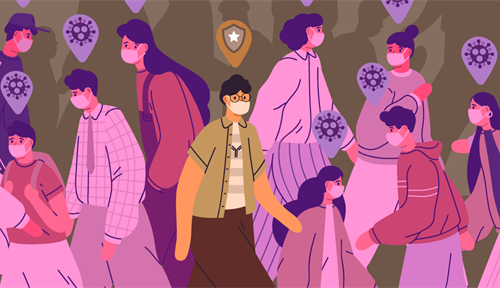
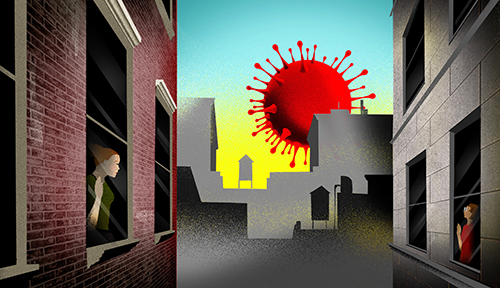
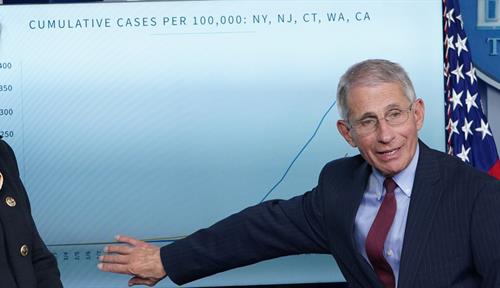
Public health messages should be loud and clear, so that everyone listens and stays safe. But that’s easier said than done — especially with a case as complex as Covid-19.
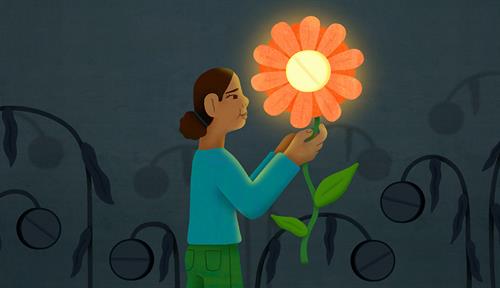
PODCAST: Serendipitous discoveries led to drugs like Prozac and to new insights into the physical basis of this debilitating disorder. But scientists continue to search for deeper understandings and therapies that will bring relief to those who still struggle. (Season 2, Episode 6)
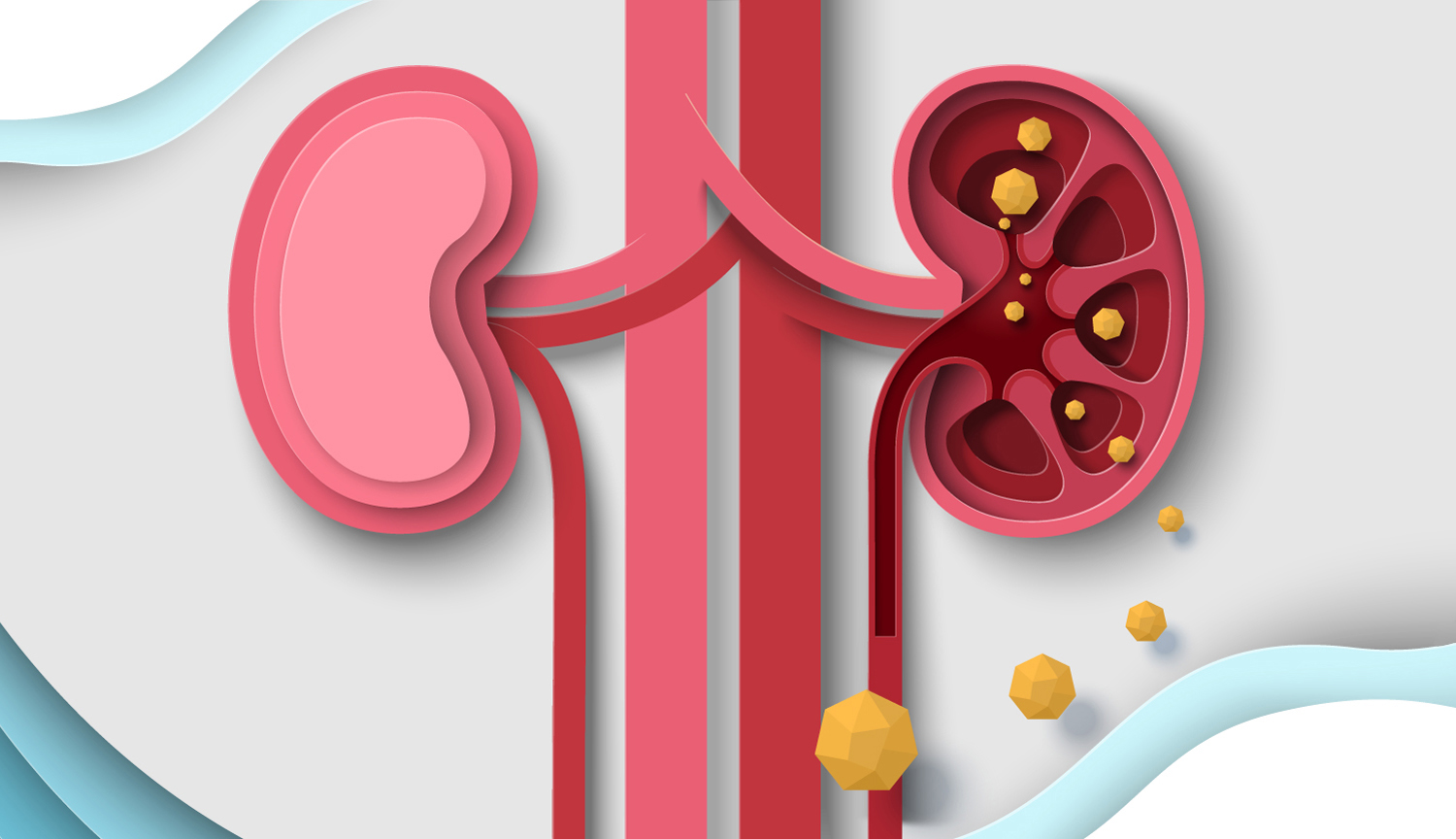
Some people of West African descent face a higher risk of renal failure. New drugs based on gene research may help right the ship — if they can reach everyone who needs them.
VIDEO: When can the people who still need a Covid-19 vaccine expect to get one? Delve into the supply, distribution and political issues delaying global access to a lifesaving, economy-rescuing marvel.
The body’s defenses lose flexibility and diversity over time, and protective responses to vaccines weaken as well. Scientists are working on ways to boost seniors’ protections against influenza, the novel coronavirus and other pathogens.
Covid-19 has exposed the weak spots of the US public health system — and that presents an opportunity, says an epidemiologist, for the nation to recognize the problems and act to fix them
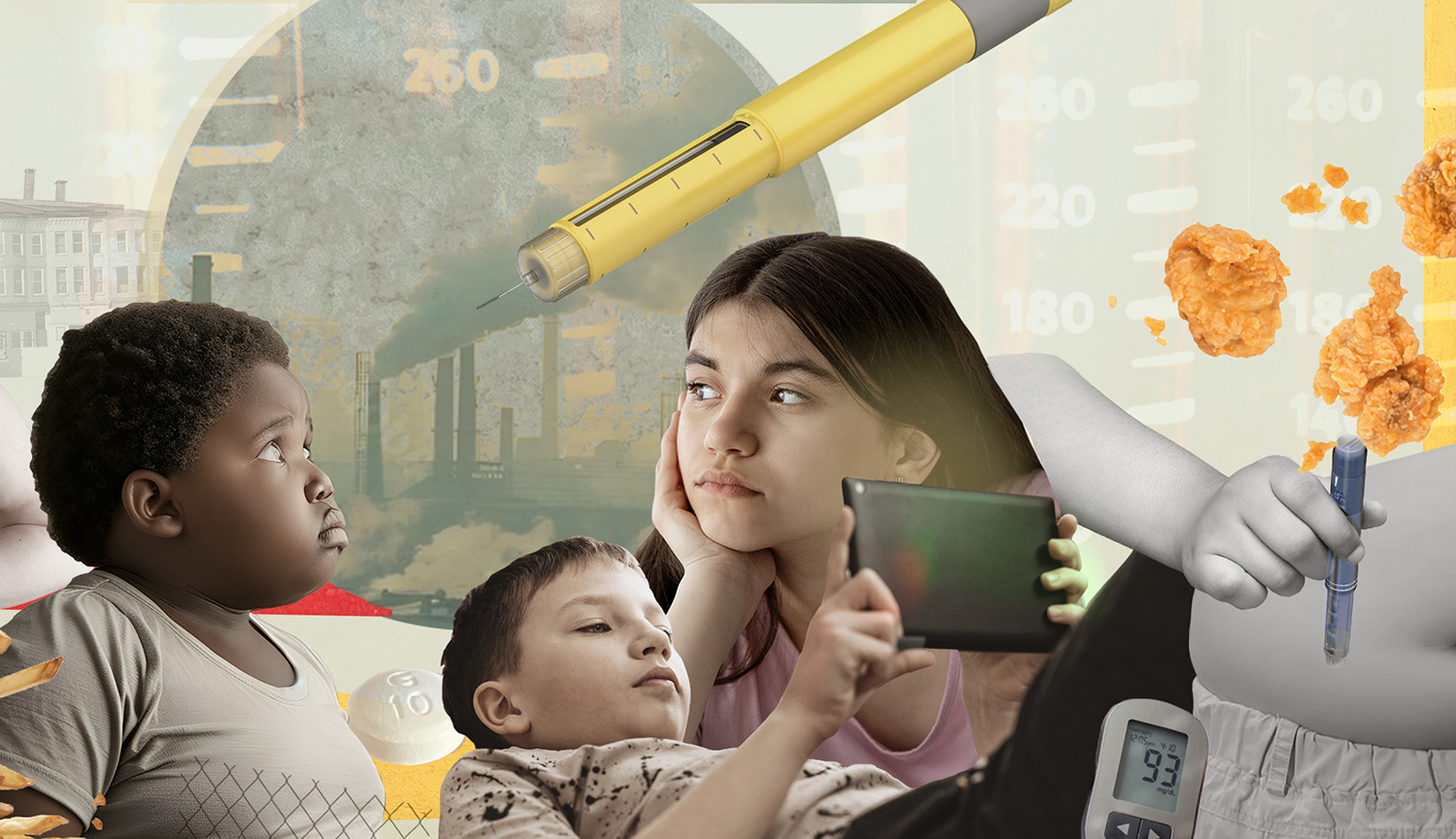
It’s complicated: Prediabetes has multiple definitions and there may be different subtypes. But for many people who develop it, changes in lifestyle drastically lower the risk of progressing to diabetes.
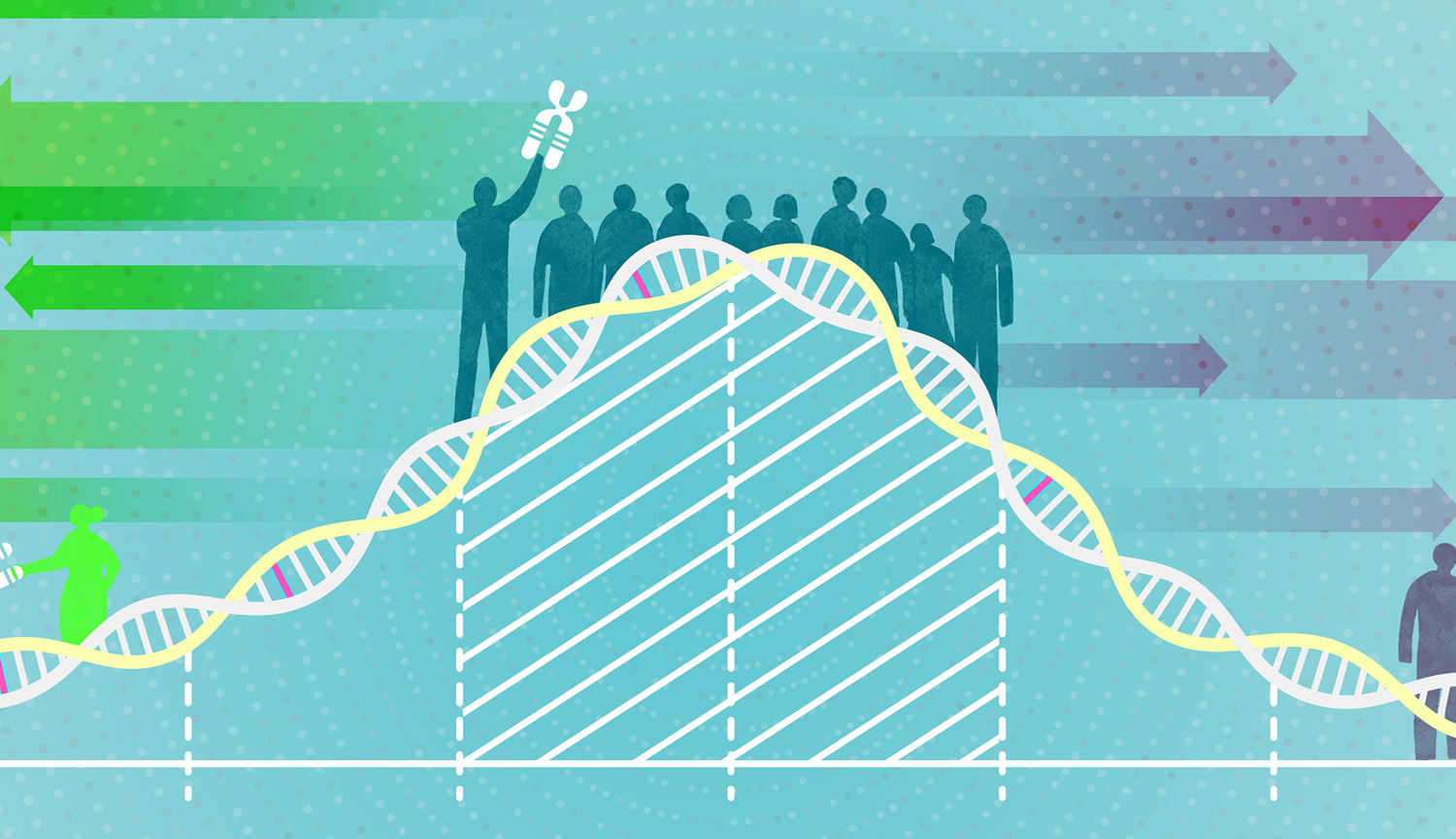
Polygenic risk scores — a patient’s chance, based on tiny DNA variants, of developing cardiovascular disease, breast cancer and more — are coming to clinics. But there are kinks to iron out and accuracy remains an issue.
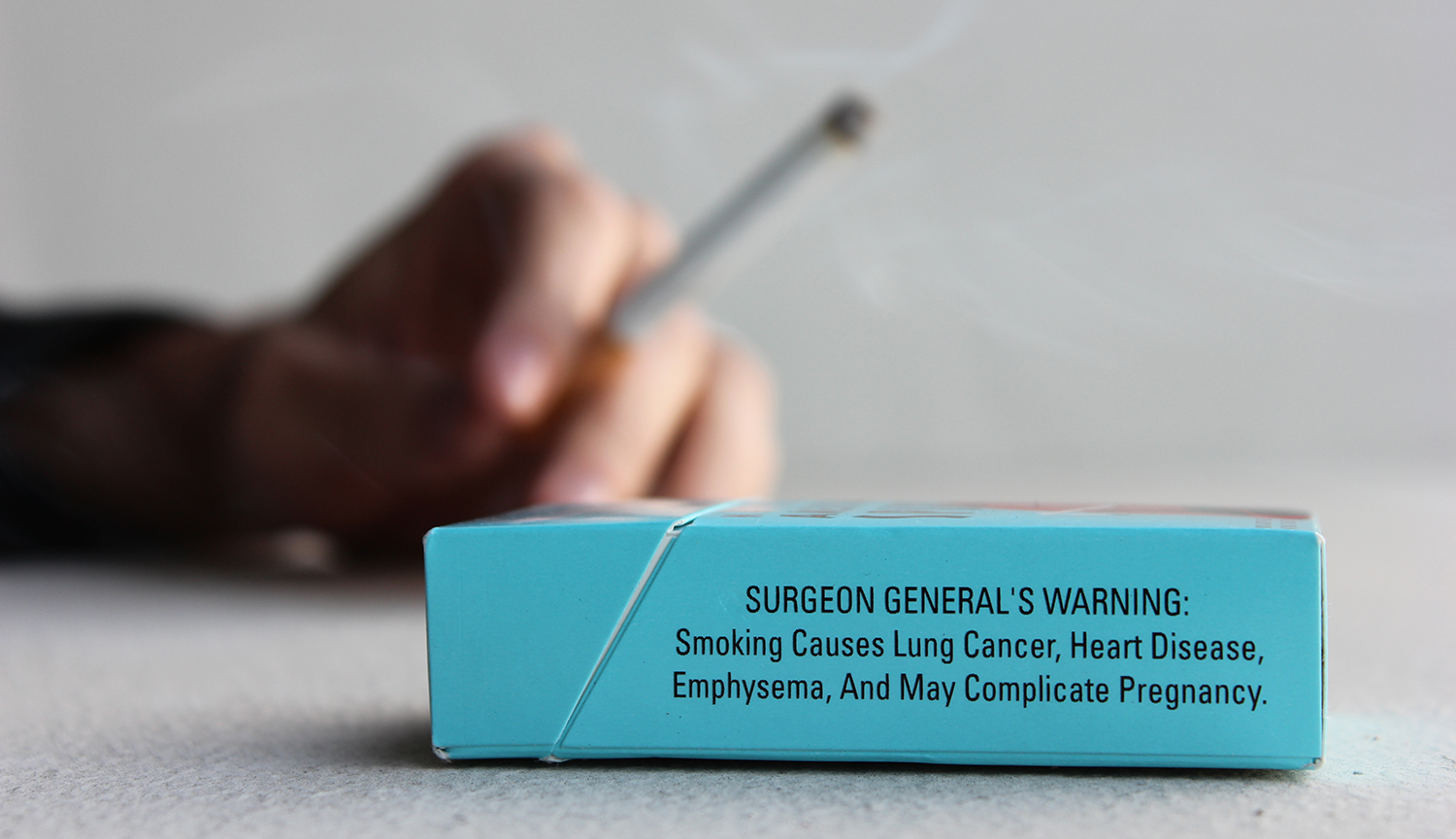
Regulatory hurdles, industry objections and legal fights have gone on for decades over traditional tobacco. What’s in store for the next generation of smoking?
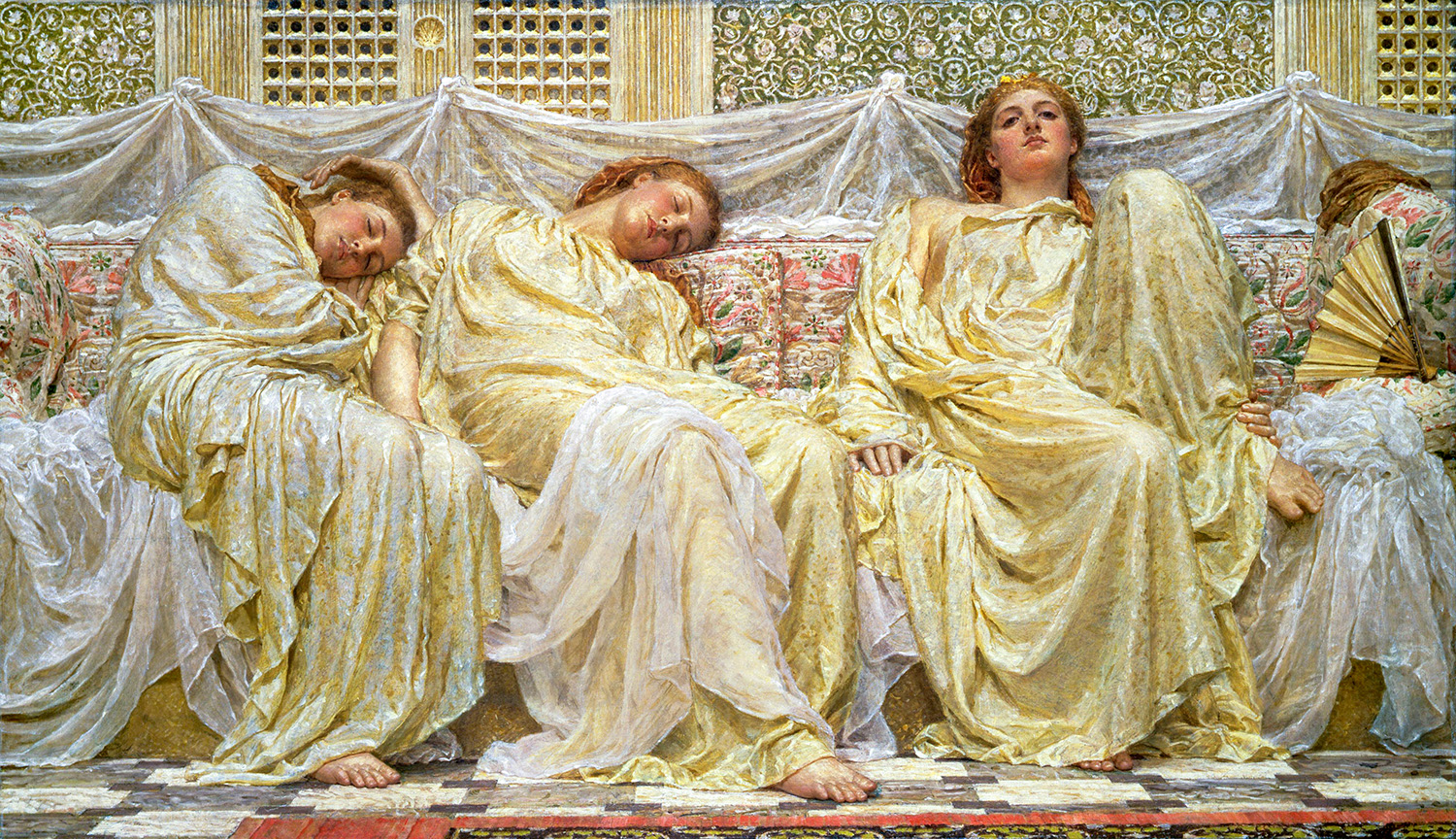
Short sleepers cruise by on four to six hours a night and don’t seem to suffer ill effects. Turns out they’re genetically built to require less sleep than the rest of us.
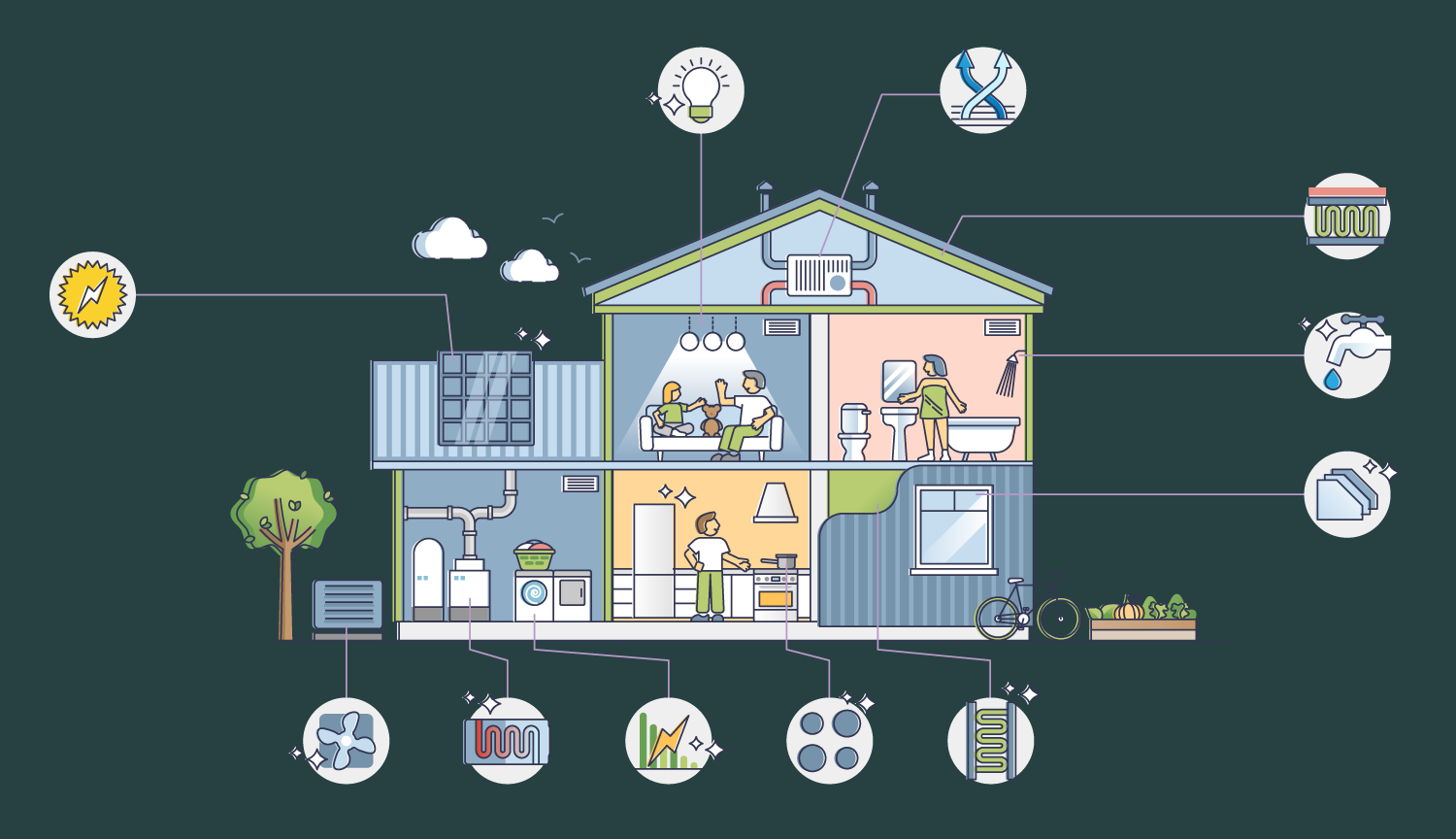
Getting our homes and workplaces to be energy efficient has major benefits — but not when it is done one window at a time. Here’s why deep retrofits and biomaterials are key to more sustainable living.
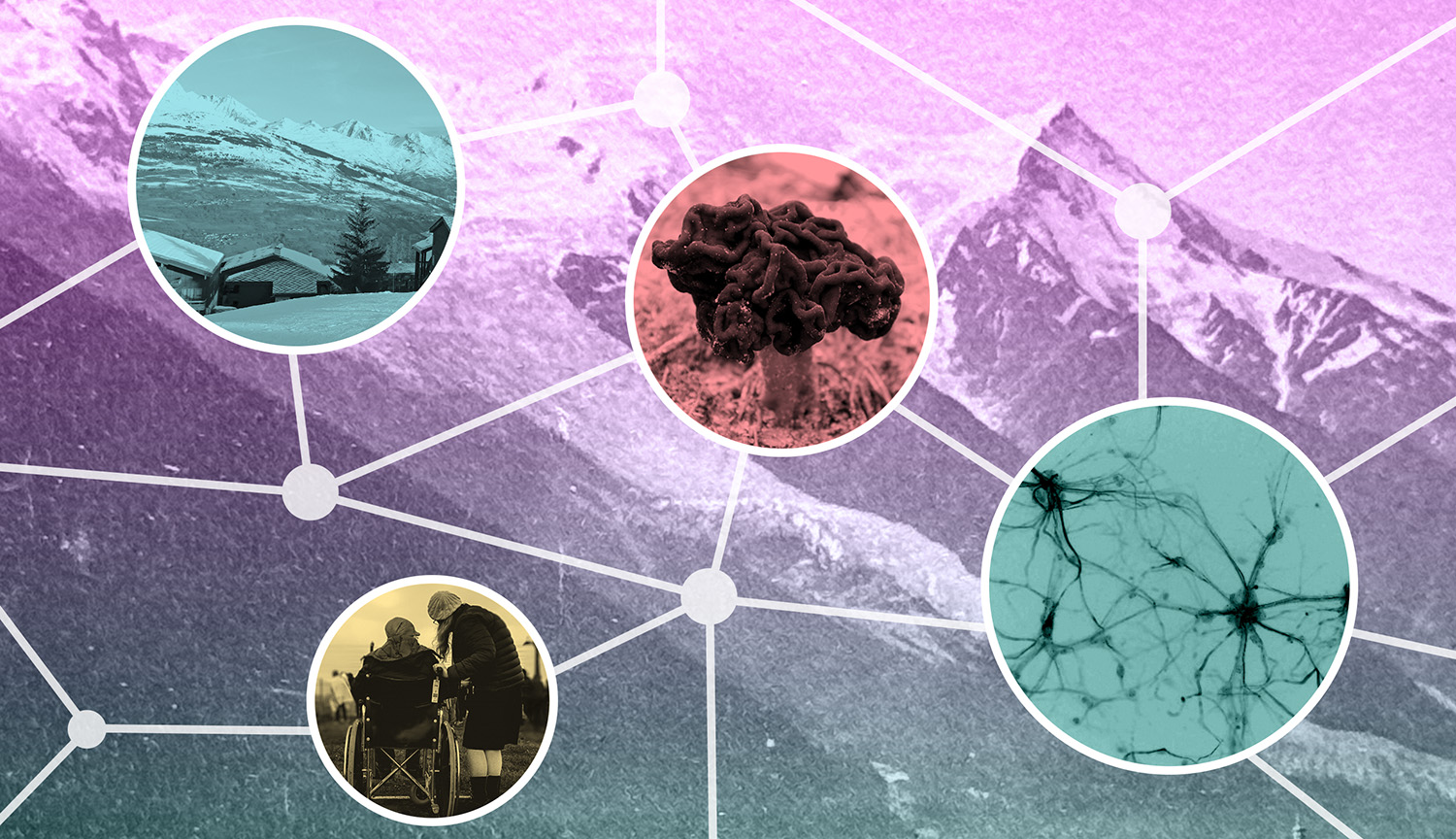
Neurologists have grappled with a cluster of amyotrophic lateral sclerosis cases in France, where a fondness for a toxic wild mushroom may hold the answer
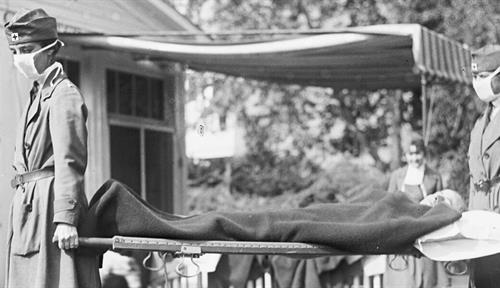
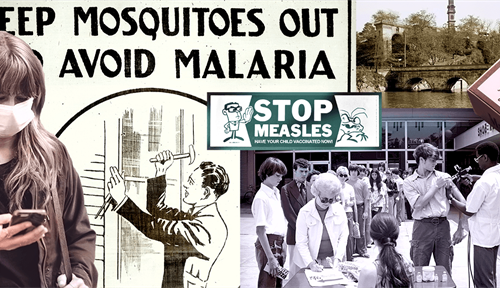
TIMELINE: From colonial efforts to control smallpox outbreaks to antimalarial campaigns targeting mosquitoes, the American effort grew for centuries. But cutbacks have weakened it in the past decades.
Close X
This is not a paywall.
Knowable Magazine is free to read. But just because our articles are free to read doesn’t mean they are free to produce. If you value our trustworthy science journalism, please support it with a donation.