cookies to track usage and preferences."
data-cookieaccepttext="I UNDERSTAND"
data-cookiedeclinetext="Disable Cookies"
data-cookiepolicytext="Privacy Policy">
Katherine Flegal was a scientist who found herself crunching numbers for the government, until one day her analyses set off a firestorm. What does she make of her decades as a woman in public health research?
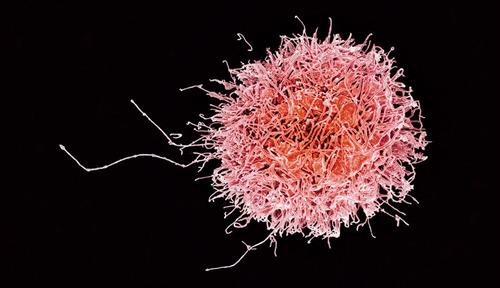
A few rare viruses can reach the fetus when pregnant women are infected, with tragic result. As explored in this Q&A, researchers are figuring out how the placenta acts as protector and how some pathogens slip through.
Retirement is a time for spending, not saving. And yet many people hold on to their wealth. Understanding why, and where that money ends up, is of increasing importance as the US population ages.
In the US, people charged with a crime usually need to post a large cash bond to be released before trial — a system used barely anywhere else in the world. This doesn’t enhance public safety and causes great hardship to defendants and families. There’s a better way, researchers say.
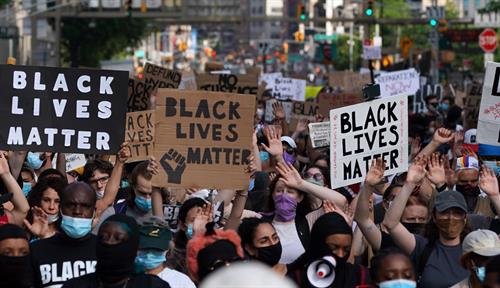
Historically, the road to reform has often begun with protesters taking to the streets. A sociologist and a political scientist take stock of whether today’s activism will lead to actual change.
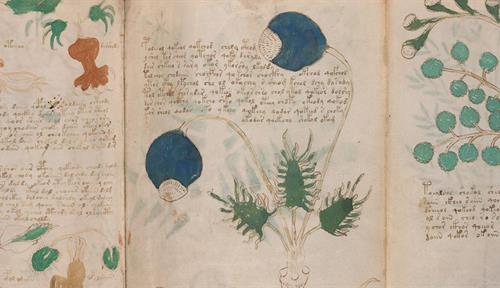
The meaning of the cryptic text has eluded scholars for centuries. Their latest efforts include computational analyses seeking new insights into the medieval enigma.
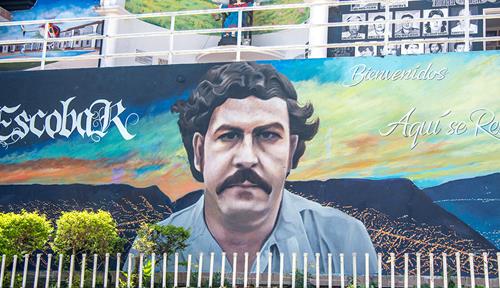
In Latin America, tens of millions of people live in territories that are governed by outlaws — from powerful drug cartels to crime syndicates. What can be done to restore legitimate law and order?
Urban activities — think construction, transportation, heating, cooling and more — are major sources of greenhouse-gas emissions. Today, a growing number of cities are striving to slash their emission to net zero — here’s what they need to do.
The idea of a multiverse — multiple realms of space differing in basic properties of physics — bugs some scientists. Others find it a real possibility that should not be ignored.
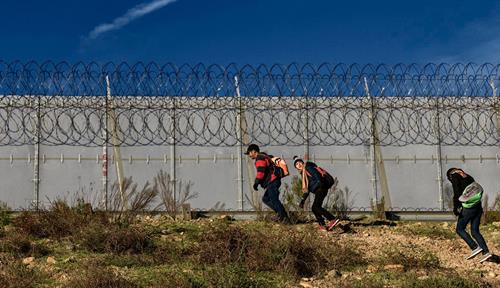
The techniques of archaeology, usually used to study the past, also illuminate the experiences of today’s displaced people
Close X
This is not a paywall.
Knowable Magazine is free to read. But just because our articles are free to read doesn’t mean they are free to produce. If you value our trustworthy science journalism, please support it with a donation.