cookies to track usage and preferences."
data-cookieaccepttext="I UNDERSTAND"
data-cookiedeclinetext="Disable Cookies"
data-cookiepolicytext="Privacy Policy">
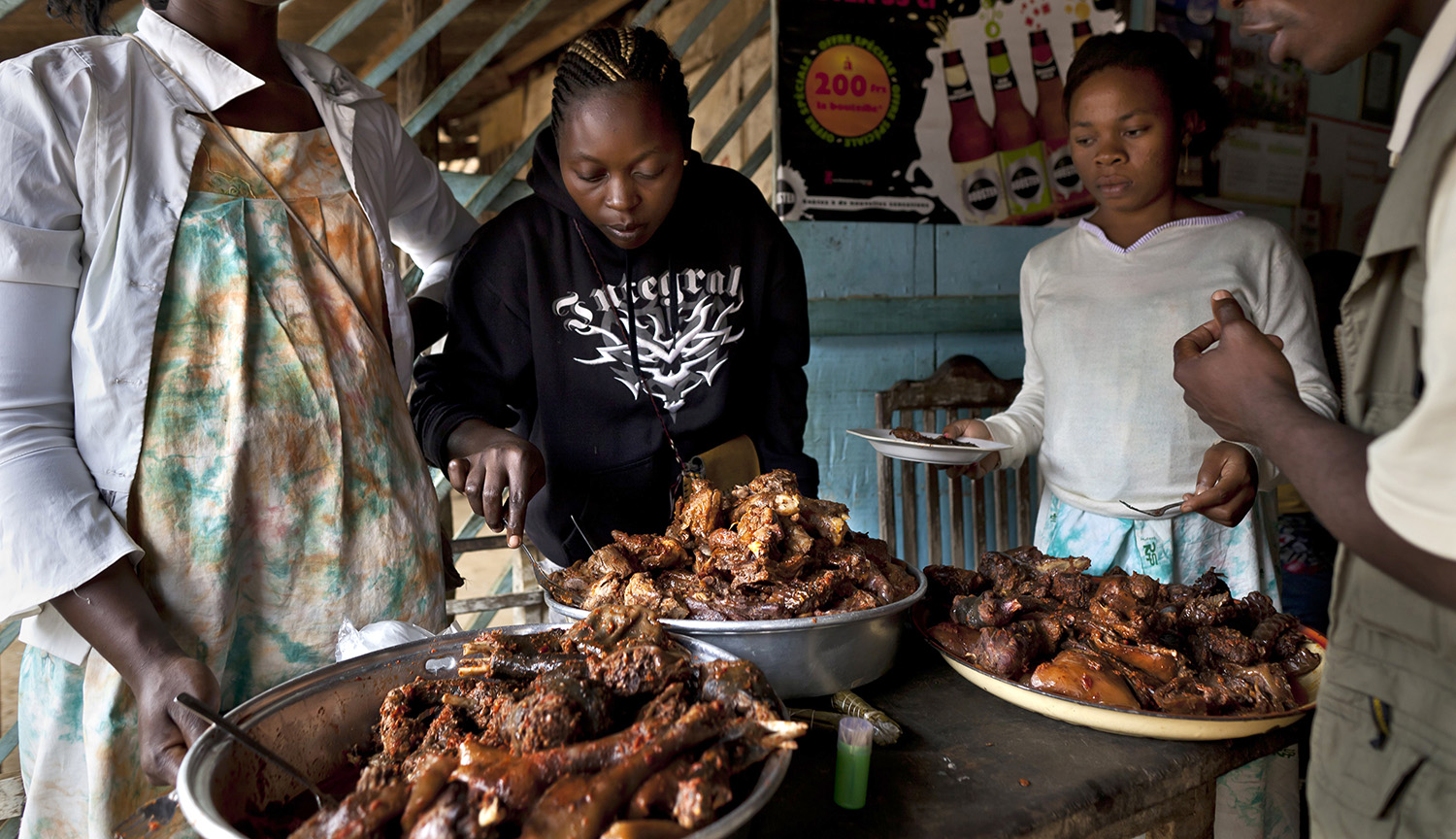
Public health researchers explain the levers that can reduce — or worsen — this global blight. A bright spot: There are more data than ever on strategies that can help.
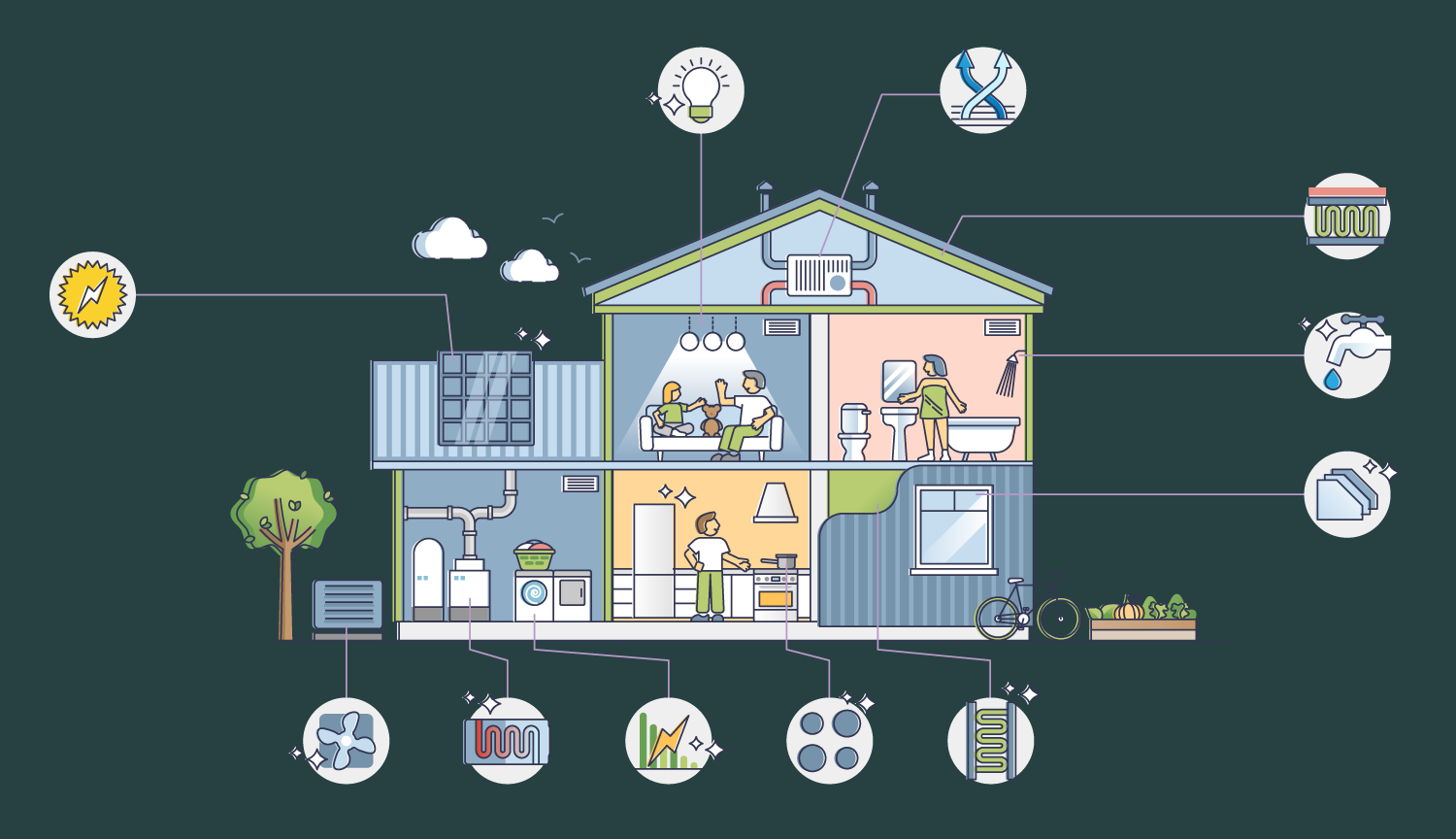
Getting our homes and workplaces to be energy efficient has major benefits — but not when it is done one window at a time. Here’s why deep retrofits and biomaterials are key to more sustainable living.
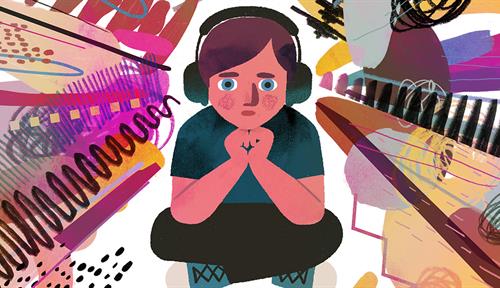
It’s clear that genes, receptors and neurons all play a role in detecting odors. But much of how we make sense of what we sniff remains mysterious. A neuroscientist explains.
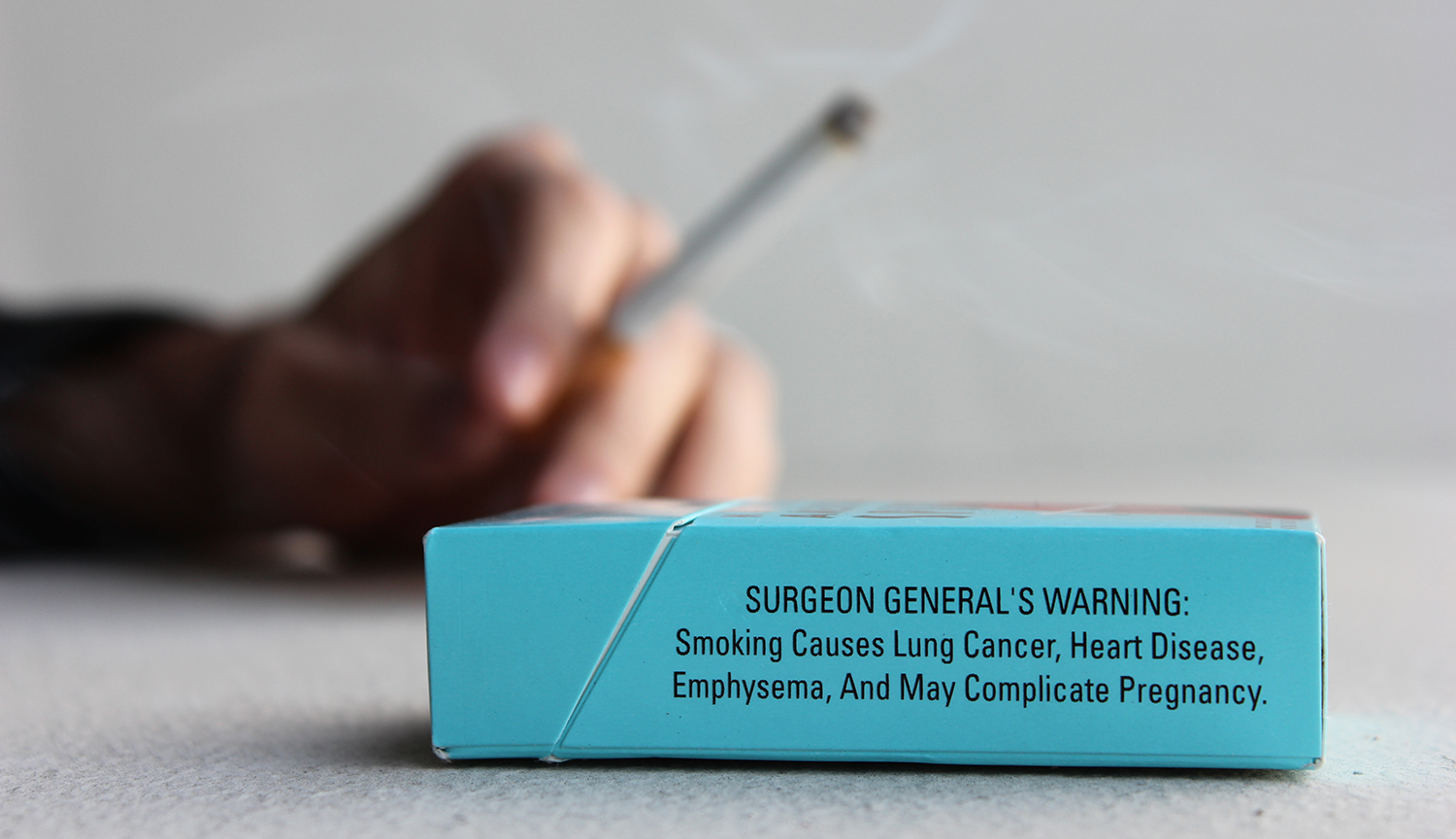
Regulatory hurdles, industry objections and legal fights have gone on for decades over traditional tobacco. What’s in store for the next generation of smoking?
The push to legalize magic mushrooms, MDMA, LSD and other hallucinogens is likely to heighten tensions between state and federal law, drug law expert Robert Mikos says
New research suggests that to maintain a healthy brain, we should tend our gut microbiome. The best way to do that right now is not through pills and supplements, but better food.
A scientist whose work was key to identifying, studying and finding treatments for this life-threatening virus discusses the scientific journey and challenges that persist
Katherine Flegal was a scientist who found herself crunching numbers for the government, until one day her analyses set off a firestorm. What does she make of her decades as a woman in public health research?
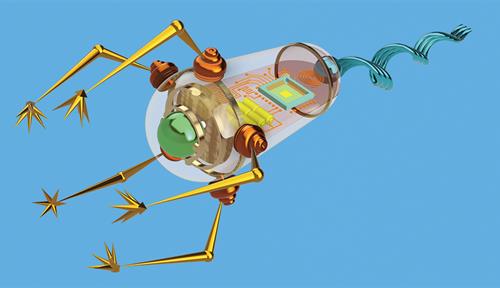
What would it take to create a truly intelligent microbot, one that can operate independently? A roboticist describes the fascinating minutiae and the medical jobs these tiny machines could do for us.
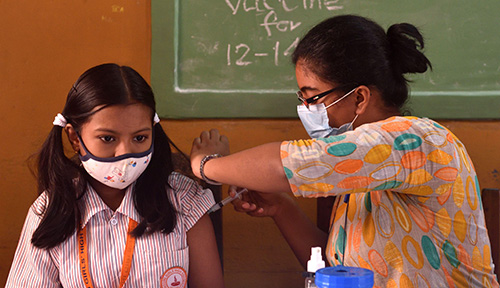
Lower-income countries haven’t gotten an equal share of lifesaving coronavirus vaccines. Older, more familiar vaccine technologies may hold the key to more equitable use, says Maria Elena Bottazzi.
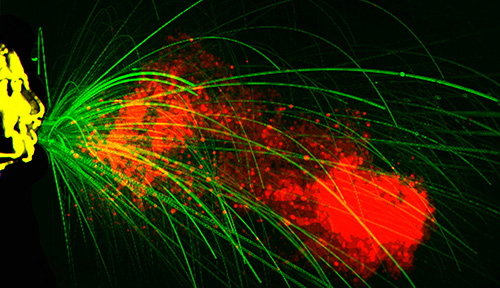
Viruses and bacteria travel in fluids, such as the air we breathe. Studying exhalations, toilet flushes and rain drops, with math and modeling, can sharpen the big-picture view of how to prevent infections.
Covid-19 has exposed the weak spots of the US public health system — and that presents an opportunity, says an epidemiologist, for the nation to recognize the problems and act to fix them
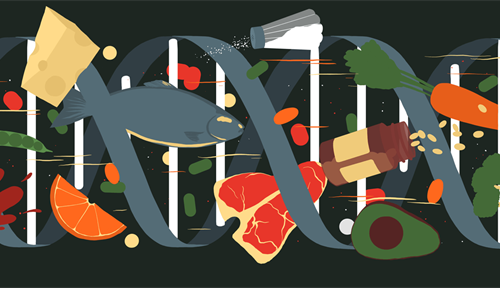
Genes, microbes and other factors govern how each person’s body processes nutrients. Understanding the connections could help optimize diets — and health.
Close X
This is not a paywall.
Knowable Magazine is free to read. But just because our articles are free to read doesn’t mean they are free to produce. If you value our trustworthy science journalism, please support it with a donation.