cookies to track usage and preferences."
data-cookieaccepttext="I UNDERSTAND"
data-cookiedeclinetext="Disable Cookies"
data-cookiepolicytext="Privacy Policy">
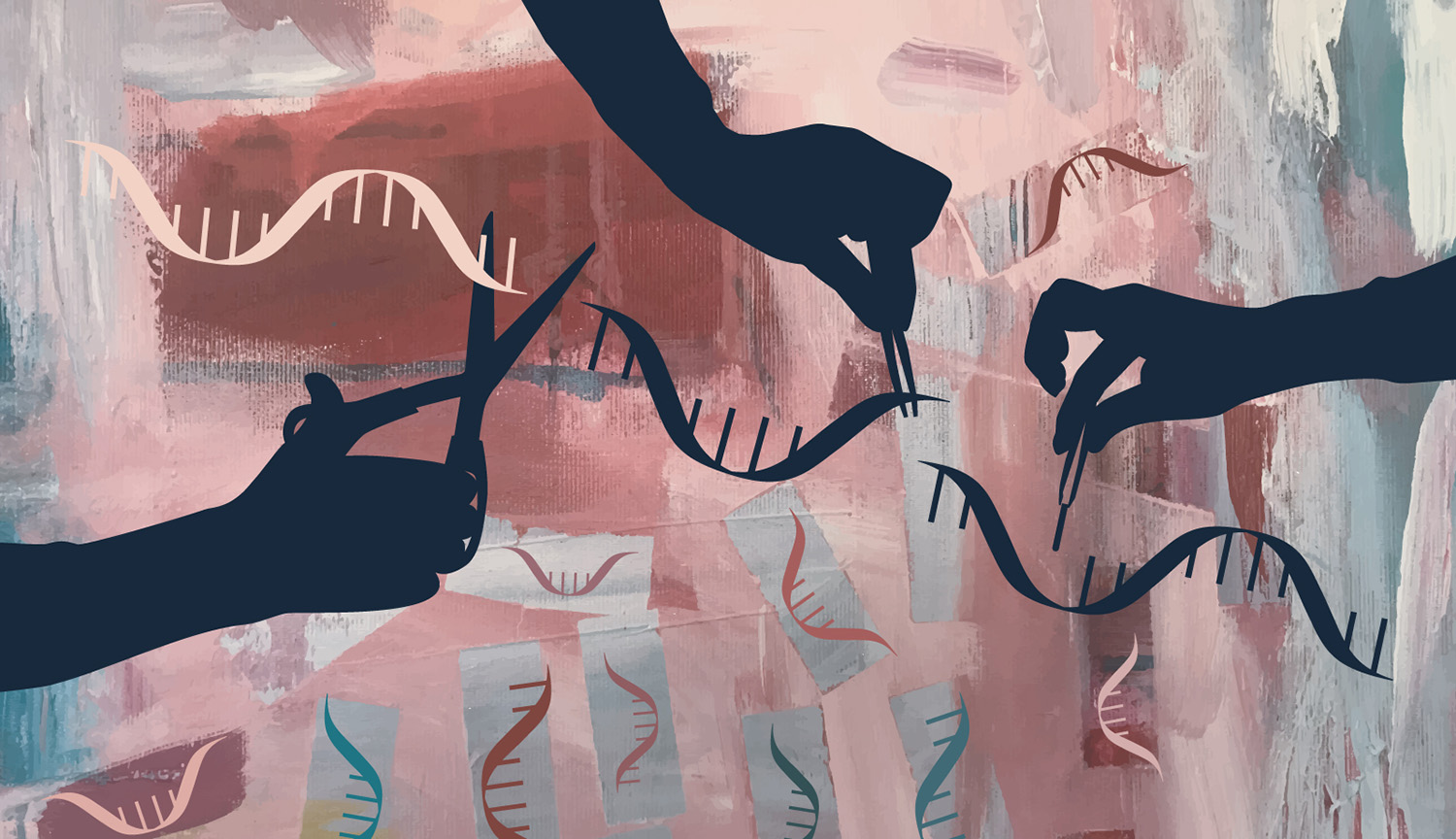
With the first medical therapy approved and systems like CRISPR-Cas showing up in complex cells, there’s a lot going on in the genome editing field. Here’s our primer.
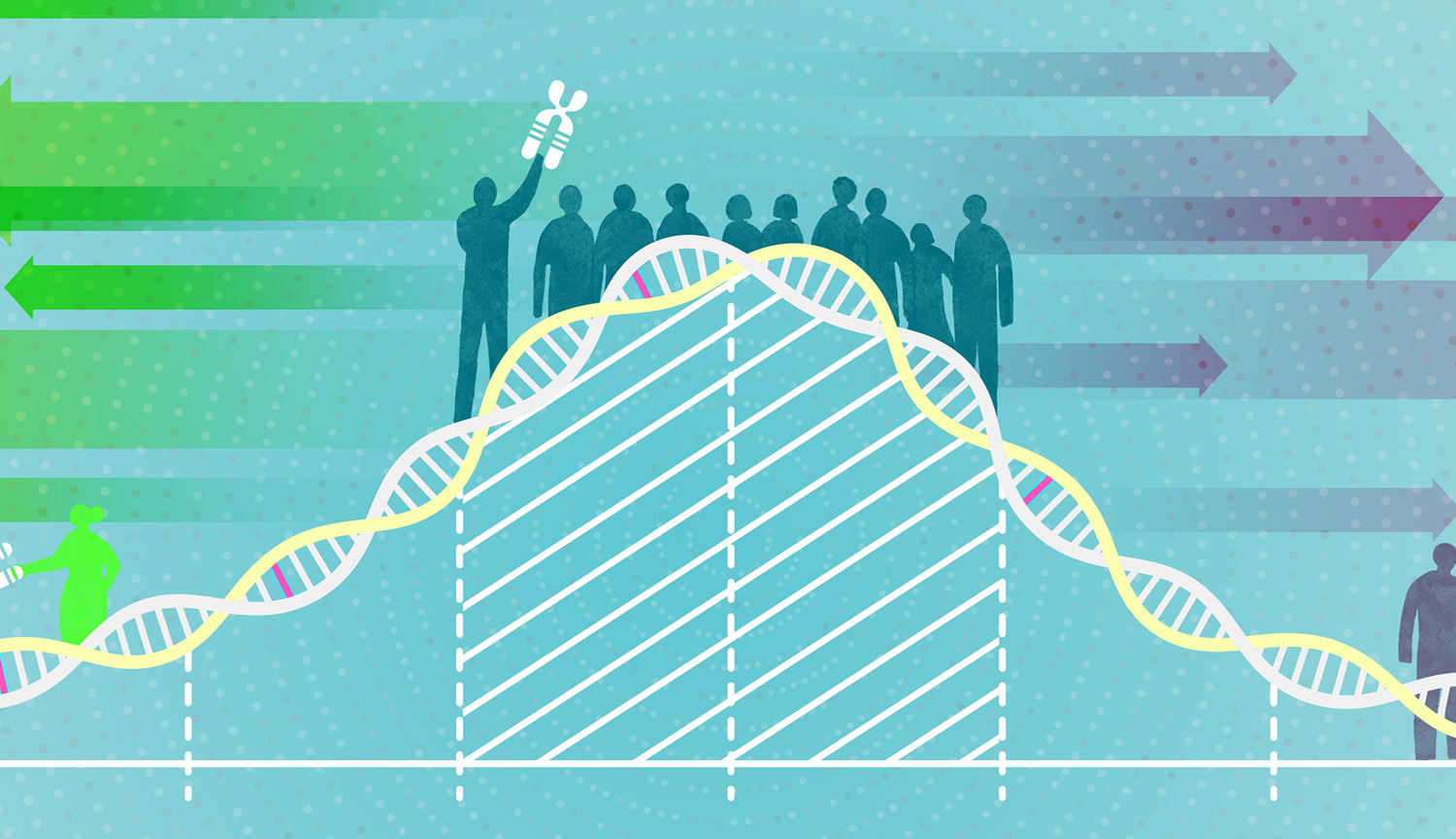
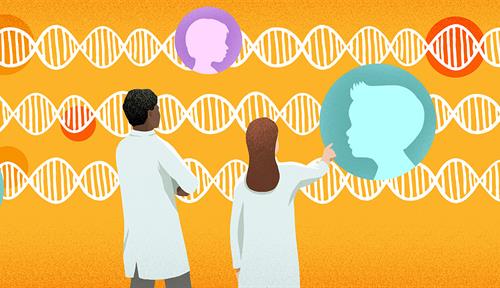
Polygenic risk scores — a patient’s chance, based on tiny DNA variants, of developing cardiovascular disease, breast cancer and more — are coming to clinics. But there are kinks to iron out and accuracy remains an issue.
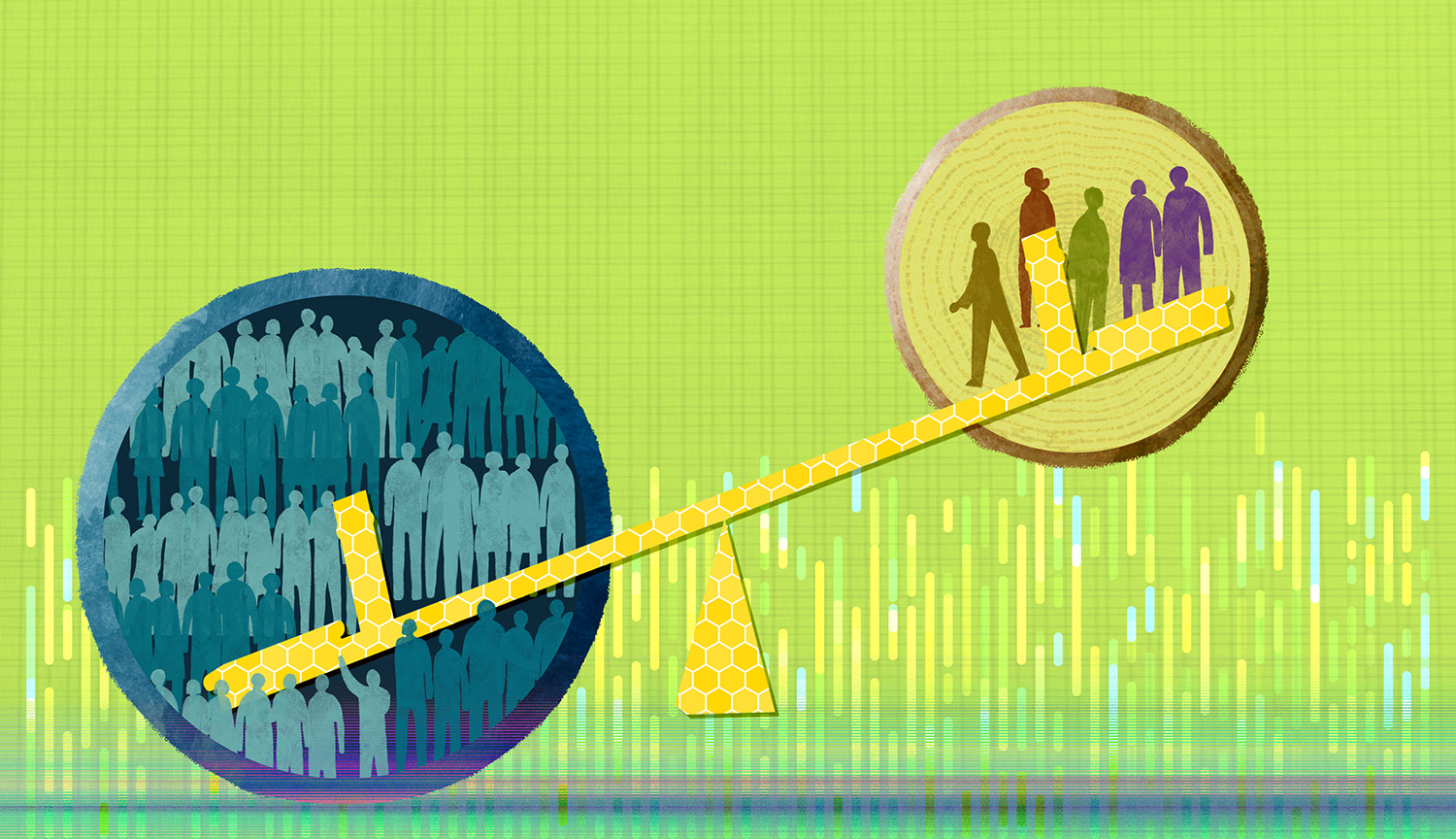
OPINION: A massive bias in medical studies toward men of European origin means that genetic variants in understudied populations don’t get the focus they deserve
An international treaty aims to bring the shipping industry to net-zero emissions by around 2050. Can novel fuels, wind power and coordination on a global scale get it there?
As wind power grows around the world, so does the threat the turbines pose to wildlife. From simple fixes to high-tech solutions, new approaches can help.
Scientists have been chasing the dream of harnessing the reactions that power the Sun since the dawn of the atomic era. Interest, and investment, in the carbon-free energy source is heating up.
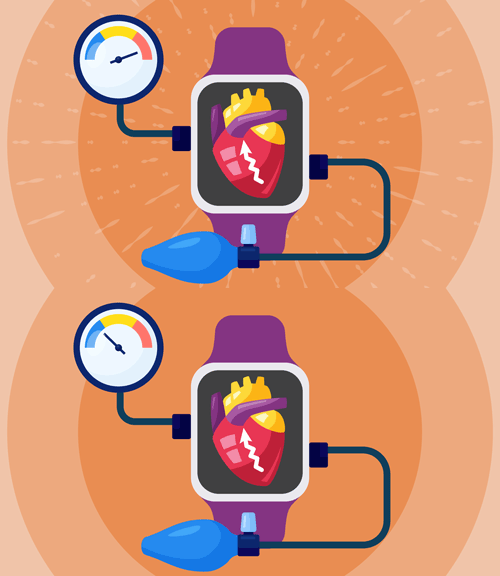
Embedded in a cell phone or in accessories such as rings, bracelets or watches, the novel tools aim to make it easier to manage hypertension. But they must still pass several tests before hitting the clinic.
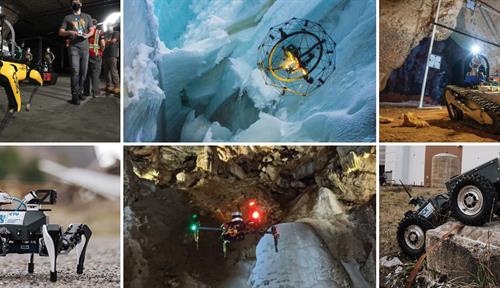
Deploying a motley crew of robots that can roll, walk and fly is a smart strategy for search-and-rescue operations — and so is trusting the machines to make decisions on the ground
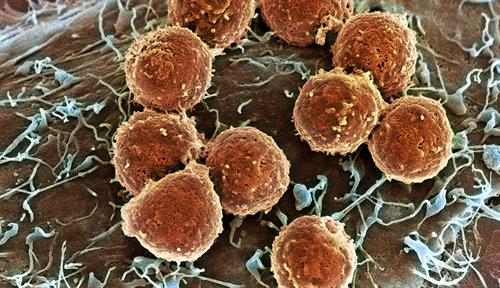
The pandemic put the technology, long in development, to the test. Here’s a look at the status of its application to cancer and when it might reach patients.
Genetic conditions like Dravet syndrome, which causes severe childhood epilepsy, are hard to tackle with traditional gene therapy. New approaches in the works include using antisense therapy to boost mRNA splicing.
Paleogenomic research has expanded rapidly over the past two decades, igniting heated debate about handling remains. Who gives consent for study participants long gone — and who should speak for them today?
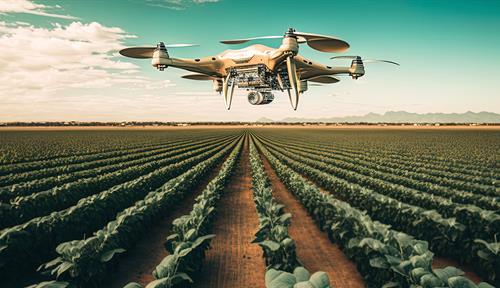
The technology could transform how growers protect their harvests, by detecting plant diseases very early on. But the challenge is to develop tools that are as affordable as they are effective.
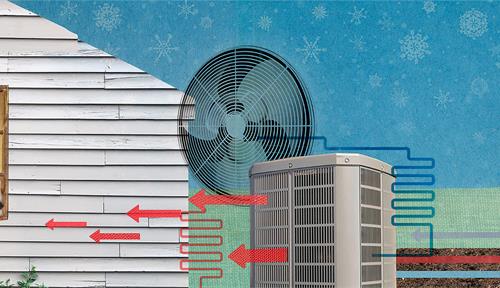
Innovative thinking has done away with problems that long dogged the electric devices — and both scientists and environmentalists are excited about the possibilities
It’s like radar, but with light. Distributed acoustic sensing — DAS — picks up tremors from volcanoes, quaking ice and deep-sea faults, as well as traffic rumbles and whale calls.
For thousands of years, humanity has had a love affair with cement and concrete. But now, industry groups and researchers are seeking solutions to the huge amounts of carbon dioxide that cement-making generates.
Close X
This is not a paywall.
Knowable Magazine is free to read. But just because our articles are free to read doesn’t mean they are free to produce. If you value our trustworthy science journalism, please support it with a donation.