cookies to track usage and preferences."
data-cookieaccepttext="I UNDERSTAND"
data-cookiedeclinetext="Disable Cookies"
data-cookiepolicytext="Privacy Policy">
Psychopathic tendencies may be present to some extent in all of us. New research is reframing this often sensationalized and maligned set of traits and finding some positive twists.
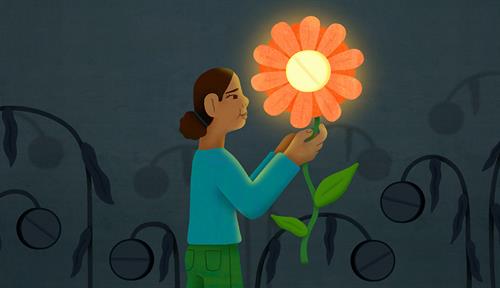
Treatment with drugs such as buprenorphine, methadone and naltrexone is deemed the gold standard for youth with opioid addictions. Why isn’t it used more often?
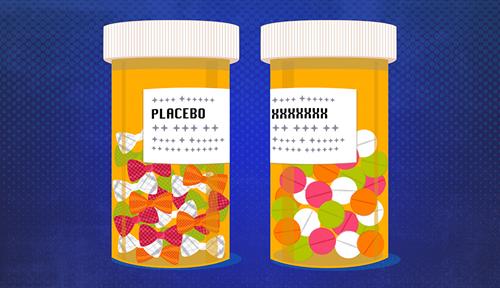
PODCAST: Sloppy by today’s standards, and maybe even back when it was published in 1955, Henry Beecher’s paper paved the way for sounder drug trials and pushed scientists to better understand how we process pain (Season 3, Episode 3)
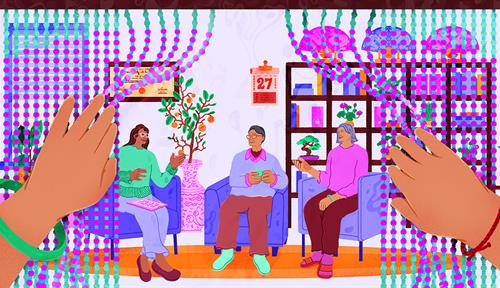
Most of today’s psychotherapies are grounded in Western values. Researchers hope that tailoring treatments to patients’ cultural backgrounds will improve mental health outcomes.
Individual behavior patterns may skew studies. A new approach called ‘STRANGE’ could help, by taking into account the habits, tendencies and life experiences of the creatures under scrutiny.
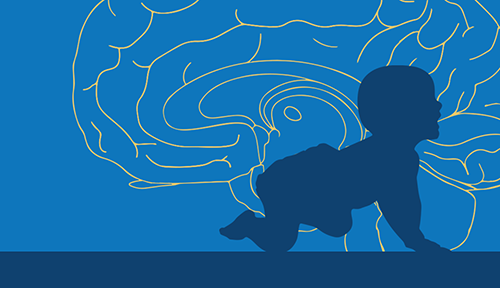
VIDEO: Learn how the baby brain changes from gestation to toddlerhood, and what parents, teachers and policymakers can do to ensure kids are set up for success
VIDEO: Join a conversation about the teenage brain’s strengths and vulnerabilities, how adults can support teenagers with mental health issues, and how teens can help one another
VIDEO: Connect with brain health experts about the best ways to cultivate resilience as we age, and how to support loved ones with memory loss and dementia
Whether fly or human, fleeing from danger is key to staying alive. Scientists are beginning to unravel the complex circuitry behind the split-second decision to beat a hasty retreat.
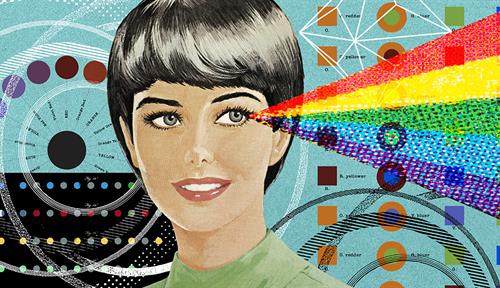
The way we see and describe hues varies widely for many reasons: from our individual eye structure, to how our brain processes images, to what language we speak, or even if we live near a body of water
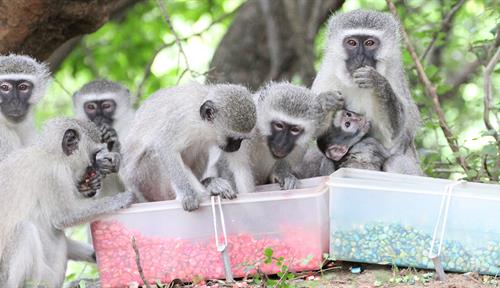
From monkeys washing potatoes to cockatoos raiding trash cans, socially spread behaviors allow creatures to adapt more rapidly to changing environments than conventional evolution would allow. But the traits are also more easily lost.
This challenging phase of life may get a bad rap, but it’s also full of opportunity. A developmental neuroscientist shares what she’s learned from studies on young people’s risk-taking behavior, reasoning and more.
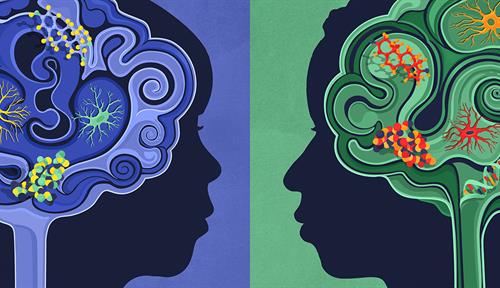
Differences between the immune systems of males and females — in particular, ones involving cells called microglia — might help explain why the risk for conditions such as autism and Alzheimer’s varies between the sexes
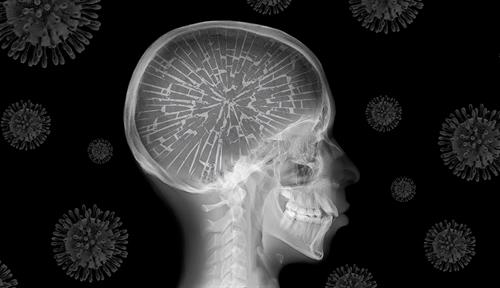
VIDEO: Even a mild SARS-CoV-2 infection can cause inflammation that disrupts neural communication, says Stanford neurologist Michelle Monje. Her concern is that Covid-19 may leave millions dealing with cognitive problems, from a loss of mental sharpness to lapses in memory, that prevent them from returning to their previous level of function.
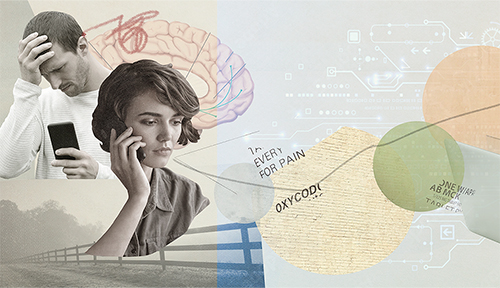
The Covid-19 pandemic brought a sudden shift to virtual health care. That has increased access — and possibly outcomes, too — for patients with opioid use disorder.
Close X
This is not a paywall.
Knowable Magazine is free to read. But just because our articles are free to read doesn’t mean they are free to produce. If you value our trustworthy science journalism, please support it with a donation.