cookies to track usage and preferences."
data-cookieaccepttext="I UNDERSTAND"
data-cookiedeclinetext="Disable Cookies"
data-cookiepolicytext="Privacy Policy">
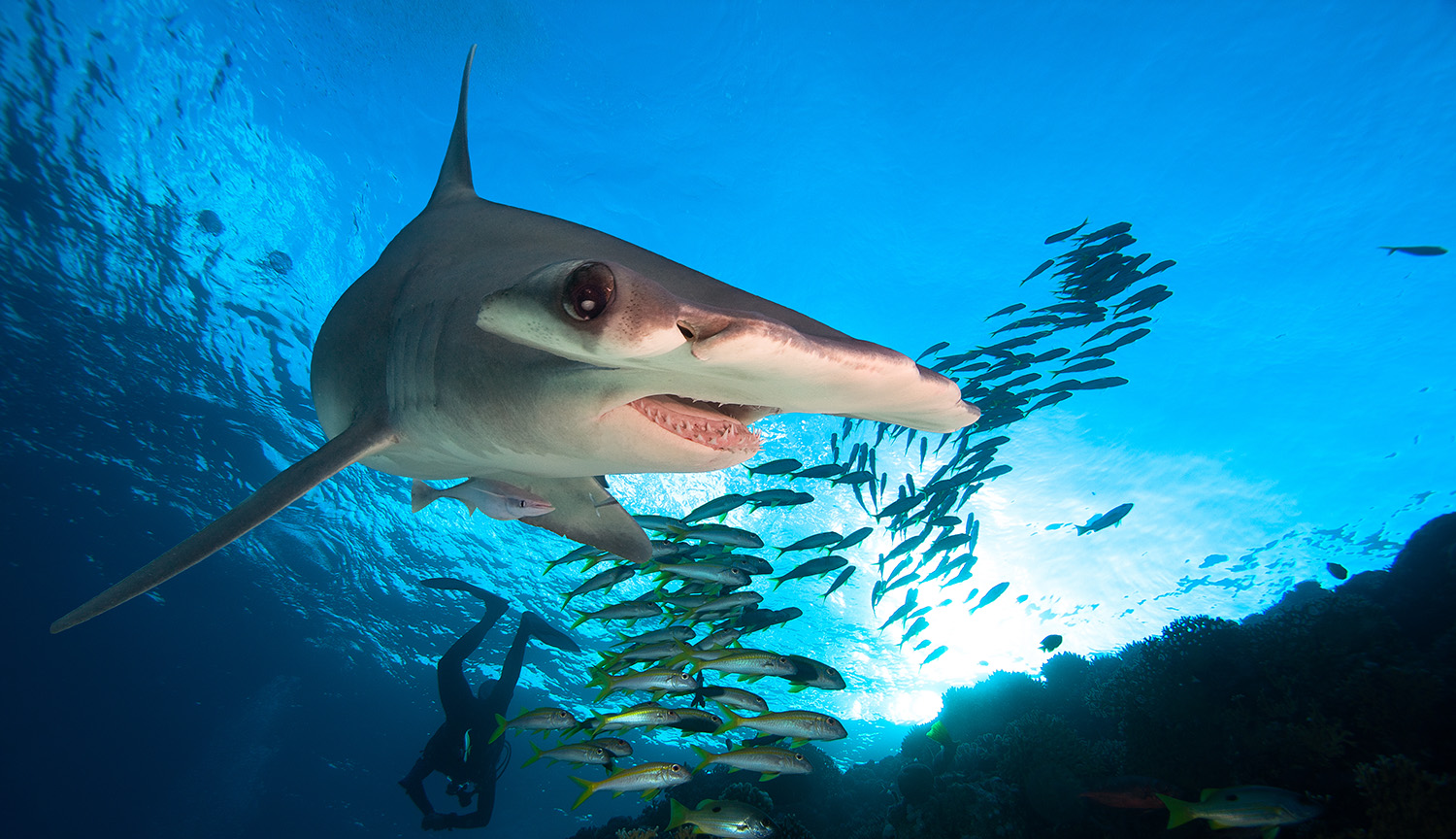
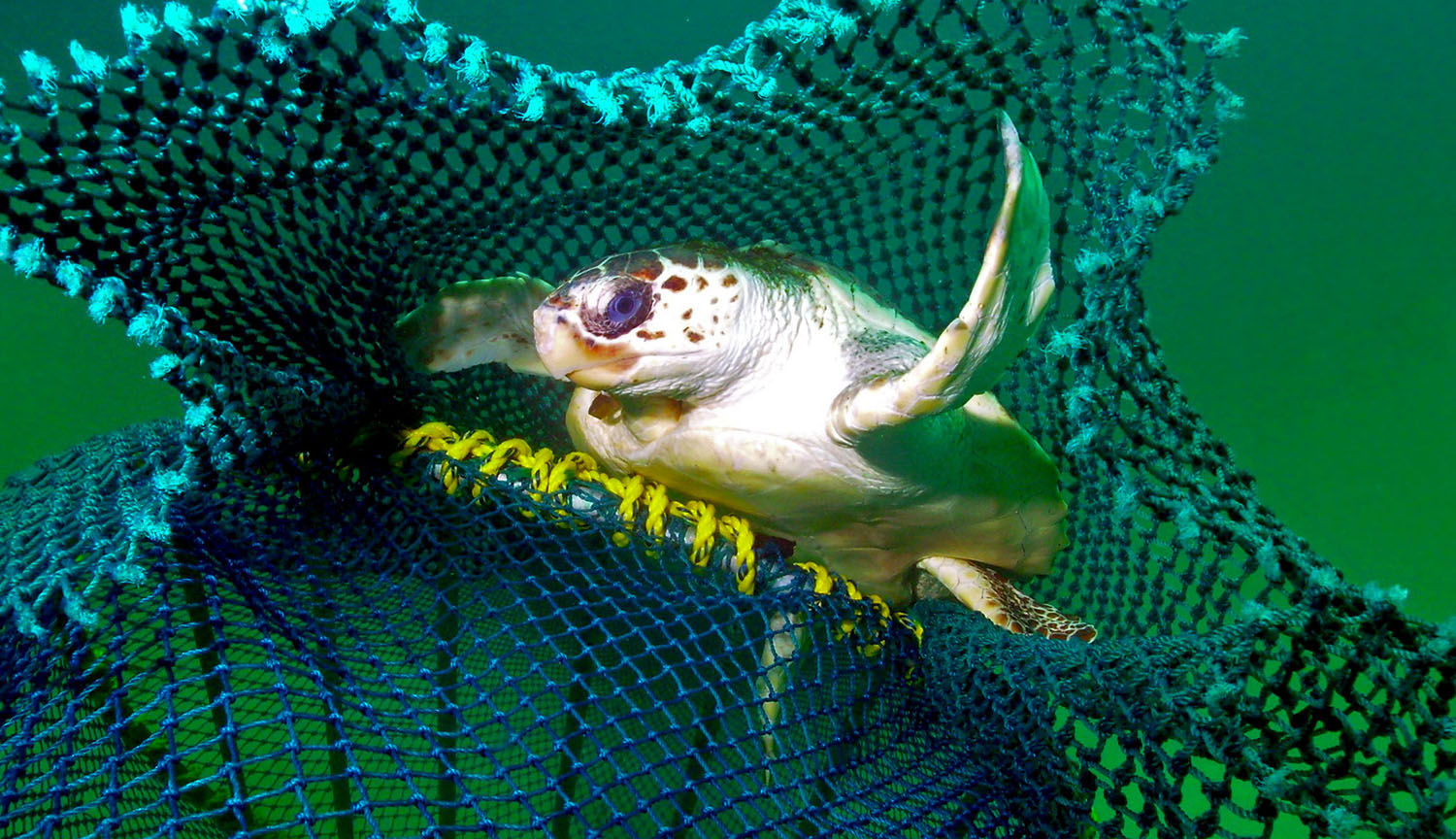
Despite increasing protection measures, these fish are among the world’s most endangered animals. New tests to detect species being traded, as well as population studies, aim to help save them.
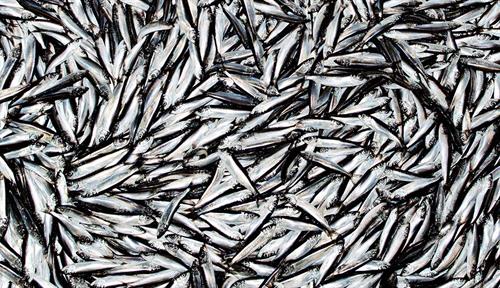
The scientist who found a way to tally up global catches is an ocean advocate and a vocal critic of industrial fisheries. Now we have a treaty for the high seas — but does it go far enough?
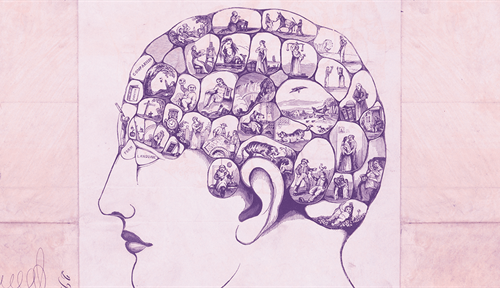
PODCAST: Just in the past half-century, our understanding of how exactly our brains remember has taken huge leaps. Amazingly, this is just the beginning. (Season 1/Episode 4)
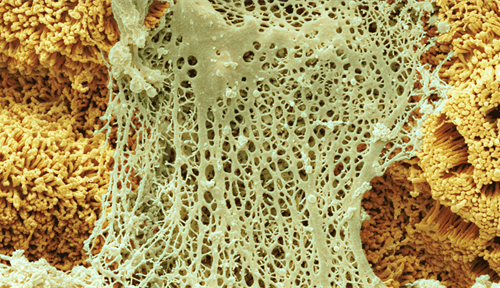
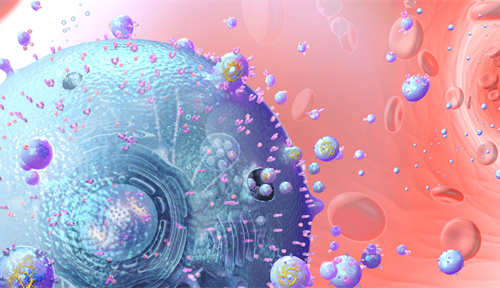
Scientists are finding that microscopic membranous bubbles called extracellular vesicles transmit messages from cells and do big jobs in many areas of biology — plus they might be useful for therapies.
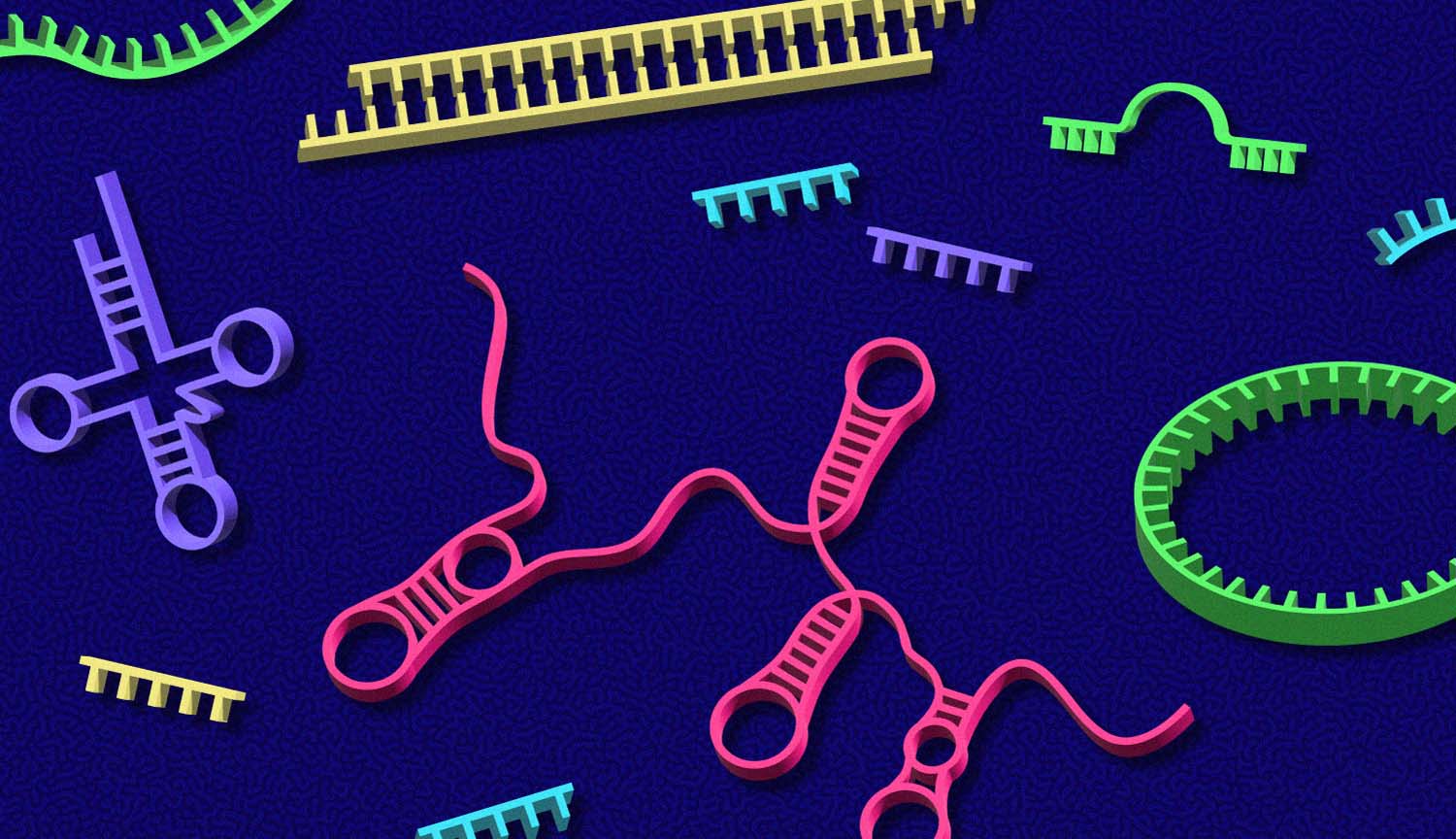
Once considered cellular junk, non-coding RNAs are emerging as key players in everything from brain development to cancer — with much still to be discovered
Keeping global warming to manageable levels will require removing carbon dioxide from the atmosphere and storing it somewhere else. The world’s oceans may be a promising option.
For thousands of years, humanity has had a love affair with cement and concrete. But now, industry groups and researchers are seeking solutions to the huge amounts of carbon dioxide that cement-making generates.
Close X
This is not a paywall.
Knowable Magazine is free to read. But just because our articles are free to read doesn’t mean they are free to produce. If you value our trustworthy science journalism, please support it with a donation.