cookies to track usage and preferences."
data-cookieaccepttext="I UNDERSTAND"
data-cookiedeclinetext="Disable Cookies"
data-cookiepolicytext="Privacy Policy">
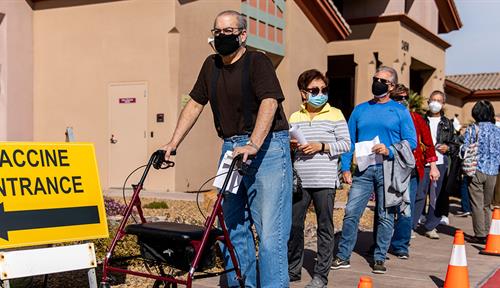
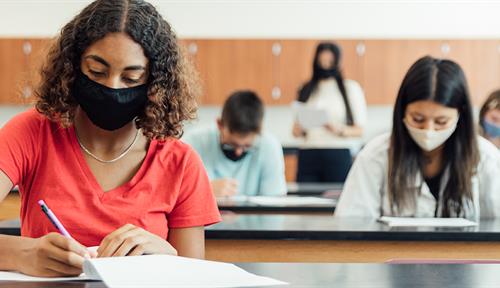
Hesitancy rates are falling but they’re still sizable, especially among certain groups. Easy access and trusted community messengers are keys to moving the needle.
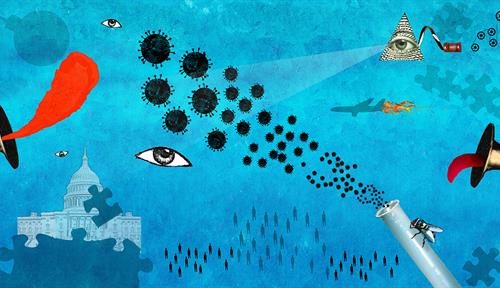
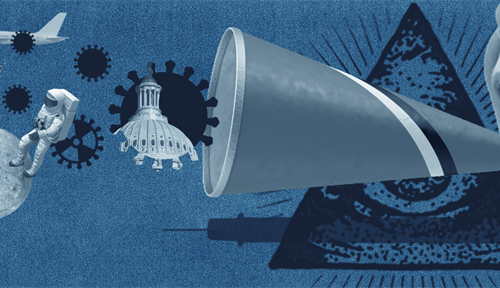
Conspiracy theories seem to meet psychological needs and can be almost impossible to eradicate. One remedy: Keep them from taking root in the first place.
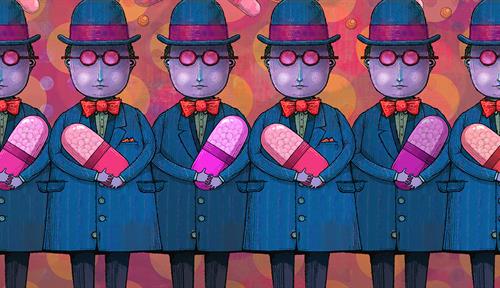
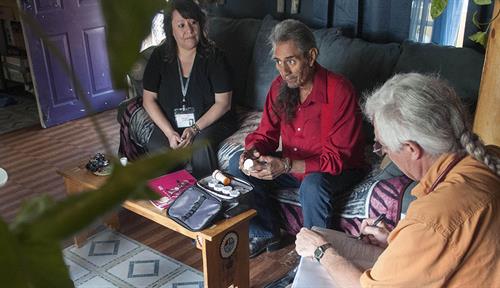
OPINION: Covid laid bare the scope of health disparities in the US and around the world. Research shows that trained lay people may be the best way to bring evidence-based care to those who need it most.
VIDEO: Watch a scientific exploration of why old age is often associated with high levels of emotional well-being, even as physiological and cognitive capacity declines
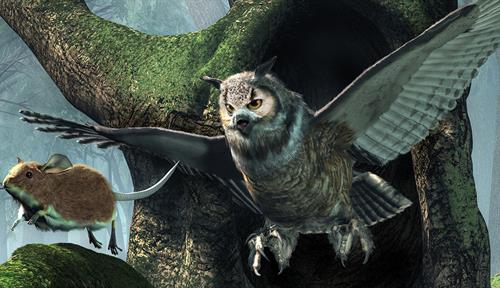
Whether fly or human, fleeing from danger is key to staying alive. Scientists are beginning to unravel the complex circuitry behind the split-second decision to beat a hasty retreat.
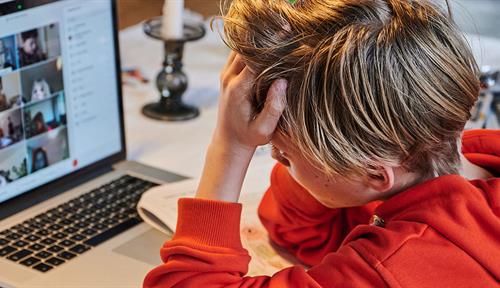
What will become of children growing up during the pandemic? There’s reason for concern, but the research on resilience is reassuring. A developmental psychologist explains what adults can do to protect youngsters from long-term harm.
Psychopathic tendencies may be present to some extent in all of us. New research is reframing this often sensationalized and maligned set of traits and finding some positive twists.
VIDEO: In the past year, conspiracy theories have had a big impact on politics and public health. What makes them so appealing? How can we disrupt their influence? Join us to explore these issues and more.
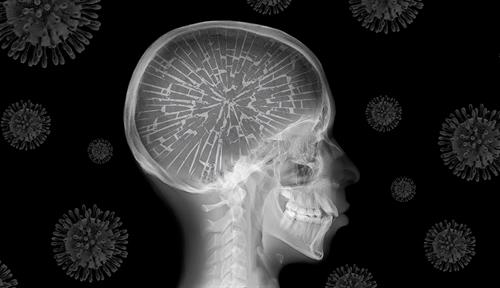
VIDEO: Even a mild SARS-CoV-2 infection can cause inflammation that disrupts neural communication, says Stanford neurologist Michelle Monje. Her concern is that Covid-19 may leave millions dealing with cognitive problems, from a loss of mental sharpness to lapses in memory, that prevent them from returning to their previous level of function.
Close X
This is not a paywall.
Knowable Magazine is free to read. But just because our articles are free to read doesn’t mean they are free to produce. If you value our trustworthy science journalism, please support it with a donation.