cookies to track usage and preferences."
data-cookieaccepttext="I UNDERSTAND"
data-cookiedeclinetext="Disable Cookies"
data-cookiepolicytext="Privacy Policy">
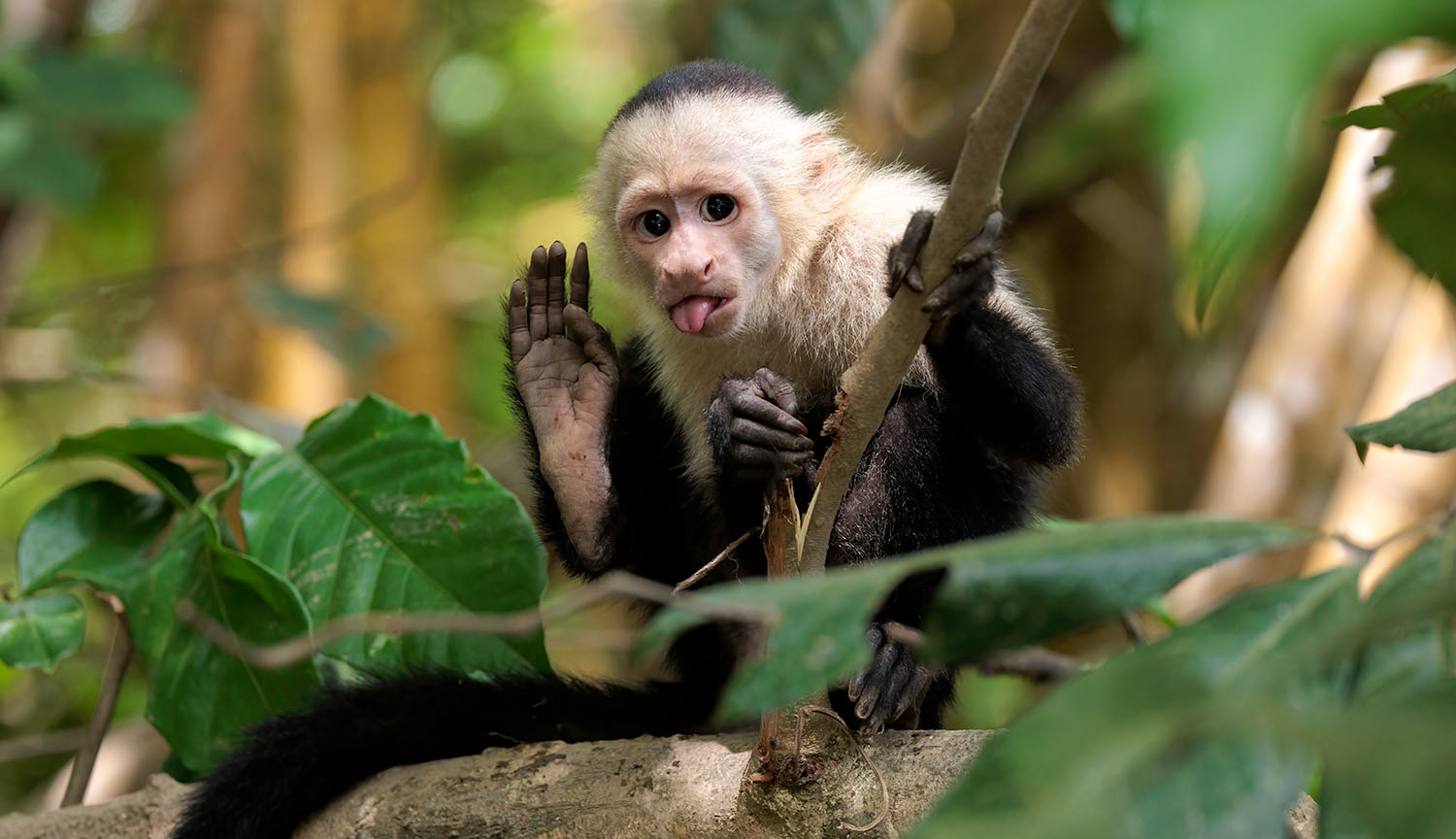
UCLA’s Susan Perry has devoted decades to studying the fast-motion life of these New World primates and learning how the young acquire the skills they need to thrive
It’s clear that genes, receptors and neurons all play a role in detecting odors. But much of how we make sense of what we sniff remains mysterious. A neuroscientist explains.
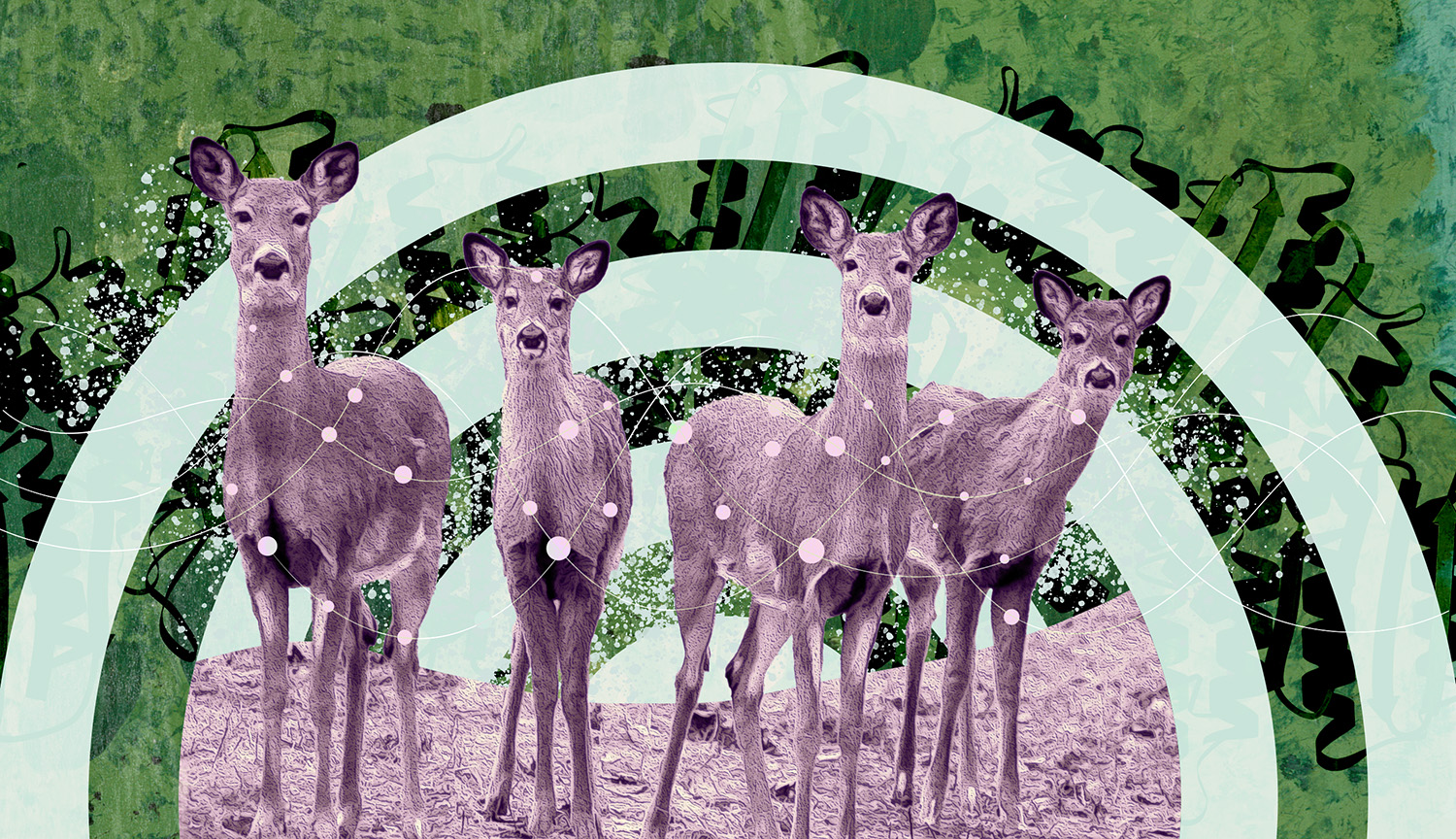
A prion sickness similar to mad cow is spreading rapidly through North America’s deer and elk populations. A veterinary microbiologist discusses the options for keeping it in check.
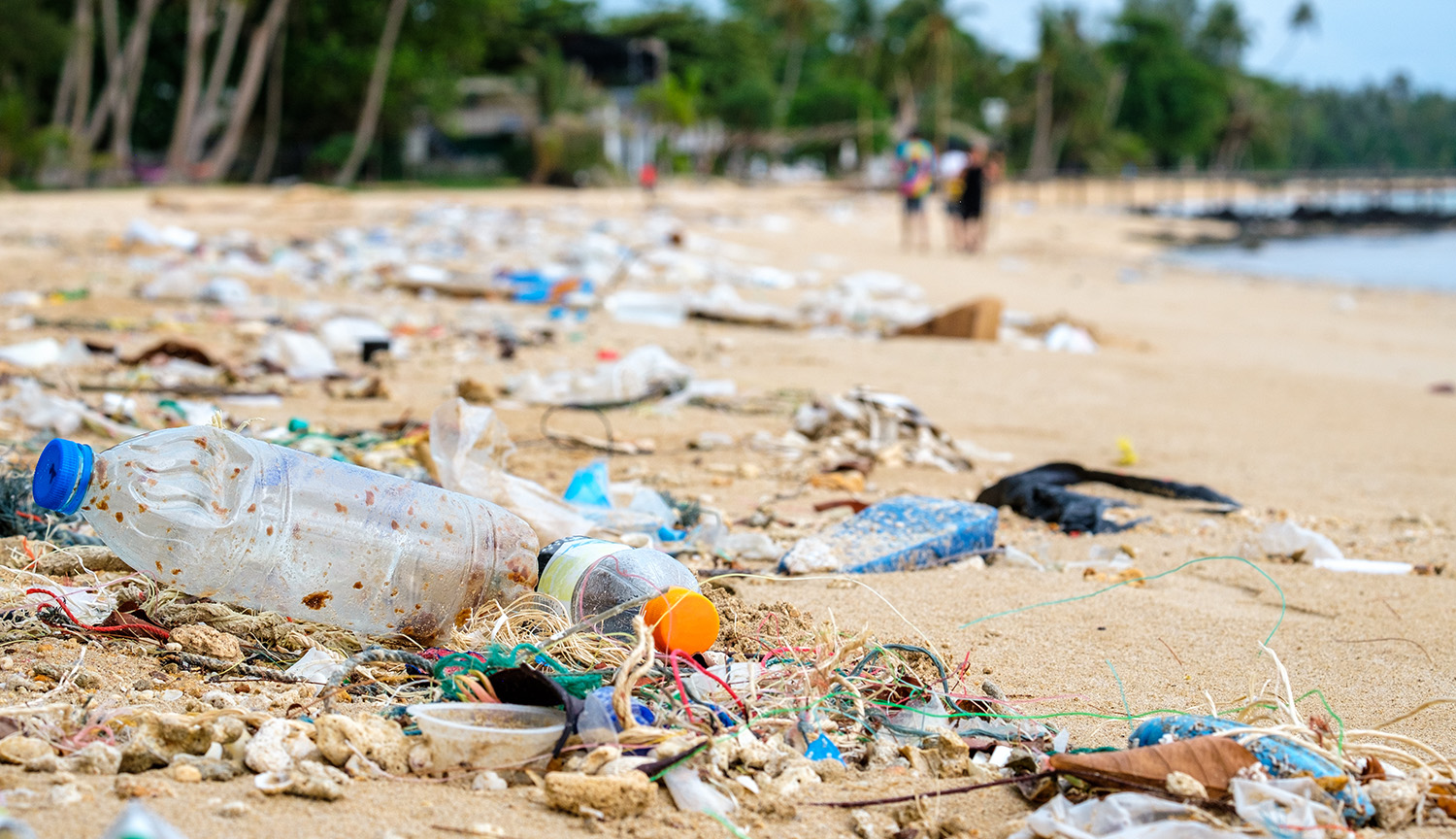
Delegates from 175 nations are working on an international agreement that would tackle the vast amounts of plastic waste in the environment. A marine scientist specializing in plastic pollution discusses the problem and her hopes for the proceedings.
Peoples who live close to nature have a rich lore of plants, animals and landscapes embedded in their mother tongues — which may hold vital clues to protecting biodiversity
New research suggests that to maintain a healthy brain, we should tend our gut microbiome. The best way to do that right now is not through pills and supplements, but better food.
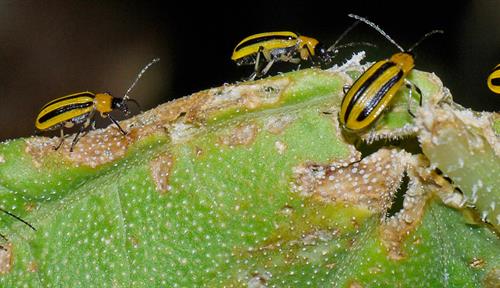
These stealthy survival tactics could teach us how to curb the widespread use of chemical pesticides in agriculture. But first, researchers must learn how seemingly helpless flora deploy this masterful strategy.
There are two types of wildfire in the state, and they’re on the rise for different reasons. Each needs a distinct management approach, a researcher says.
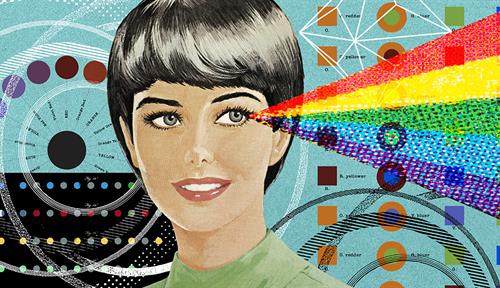
The way we see and describe hues varies widely for many reasons: from our individual eye structure, to how our brain processes images, to what language we speak, or even if we live near a body of water
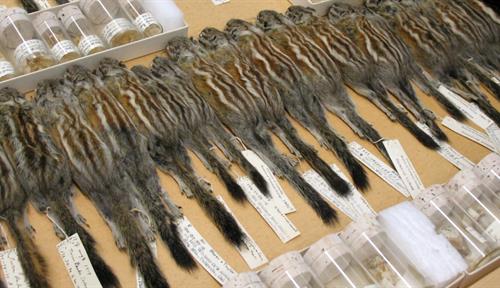
The world’s natural history collections hold billions of biological specimens, many of which still contain DNA. Scientists exploring these genetic repositories are gaining new, historical perspectives on how animals evolve.
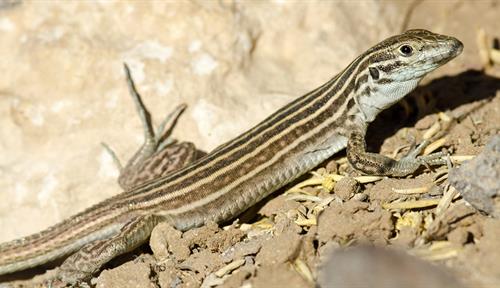
Some lizard species do without males altogether. Scientists are studying these all-female species to see what they might reveal about the pros and cons of sex.
Where other species succumbed, the killifish survived contaminated habitats. It’s a finding that could help researchers understand environmental risk factors for humans.
We know pathogens from other species can endanger us. Scientists are better equipped than ever to do something about it, but political buy-in is crucial.
Close X
This is not a paywall.
Knowable Magazine is free to read. But just because our articles are free to read doesn’t mean they are free to produce. If you value our trustworthy science journalism, please support it with a donation.