cookies to track usage and preferences."
data-cookieaccepttext="I UNDERSTAND"
data-cookiedeclinetext="Disable Cookies"
data-cookiepolicytext="Privacy Policy">
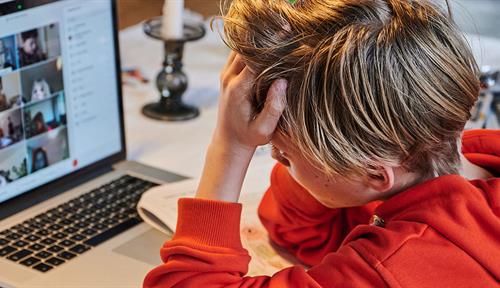
What will become of children growing up during the pandemic? There’s reason for concern, but the research on resilience is reassuring. A developmental psychologist explains what adults can do to protect youngsters from long-term harm.
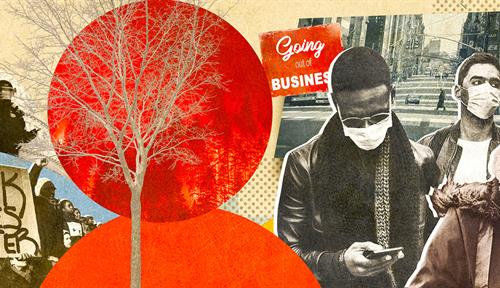
It started with thinking about sustainability. But after the many traumas of 2020, a lot of people are determined to make some fundamental changes in the machinery of governance.
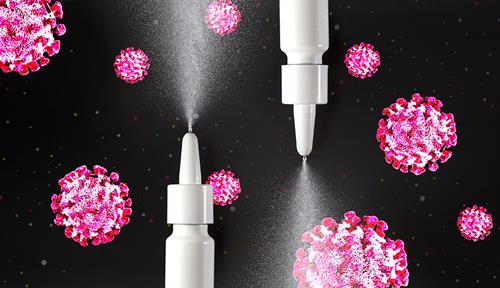
From building up defenses in the nose to slowing down a virus’s ability to make copies of itself, scientists are rolling out a raft of creative approaches to fighting infection
Covid long-haulers experience a litany of symptoms, and researchers have proposed a variety of theories to explain them. It’s a morass to figure out, but the answers are important for the multitudes still suffering from an infection that happened to them months or even years ago.
Some wavelengths of light in a range called far-UVC kill microbes in experiments and appear to be harmless to people. Could they be used to make indoor spaces safer against the coronavirus?
Viruses and bacteria travel in fluids, such as the air we breathe. Studying exhalations, toilet flushes and rain drops, with math and modeling, can sharpen the big-picture view of how to prevent infections.
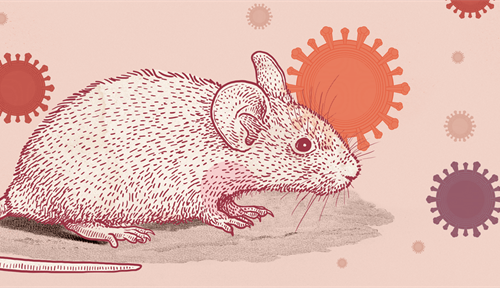
It began with an email from Wuhan, a Maine laboratory and mouse sperm from Iowa. Now that lab is on the verge of supplying a much-needed animal for SARS-CoV-2 research.
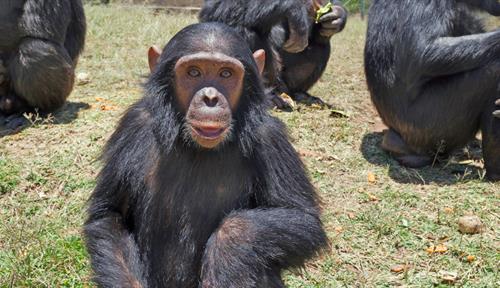
Humans can transmit many diseases to chimps, orangutans and their kin. People who study and care for the creatures are taking lockdown-style measures to limit the risk.
Traffic planners, securities traders and military strategists all use it. Simulating the behavior of millions of idiosyncratic individuals also may be the best way to understand complex phenomena like pandemics.
Covid-19 has been a stress test for the world’s food supply chains — and a preview of looming threats. That’s making efforts to improve the journey from farm to fork more urgent than ever.
OPINION: Recent CDC guidelines for indoor air quality disregard the benefits of humidity. But research shows it can kill viruses and help thwart infections.
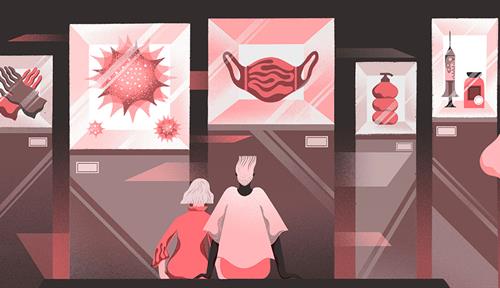
A worn pair of nurse’s shoes. That coronavirus model Anthony Fauci used in public briefings. Oral histories, iconic photos and social media posts. All of us are curators now, and what we preserve — as well as what we don’t — will write the pandemic story.
Some linger in the body for a lifetime. The one causing Covid-19 probably isn’t one of them, but it and others can create mischief long after the immune system appears to have banished them.
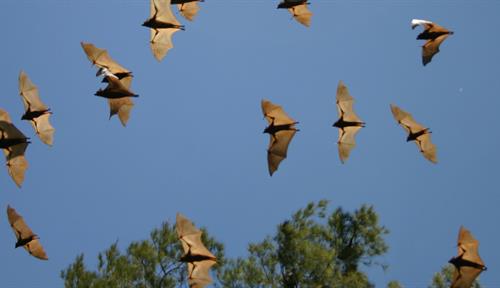
Bats cope with myriad viruses, including the one causing Covid-19, with few ill effects. Scientists are probing their immune systems to fathom how they do it. The answers might help infected people, too.
OPINION: Human behavior is fueling major social dilemmas — from climate change to the Covid pandemic to the spread of misinformation. But that means it’s also the solution, if only we can harness psychology for the common good.
Close X
This is not a paywall.
Knowable Magazine is free to read. But just because our articles are free to read doesn’t mean they are free to produce. If you value our trustworthy science journalism, please support it with a donation.