cookies to track usage and preferences."
data-cookieaccepttext="I UNDERSTAND"
data-cookiedeclinetext="Disable Cookies"
data-cookiepolicytext="Privacy Policy">
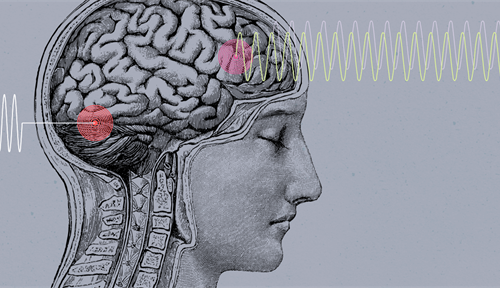
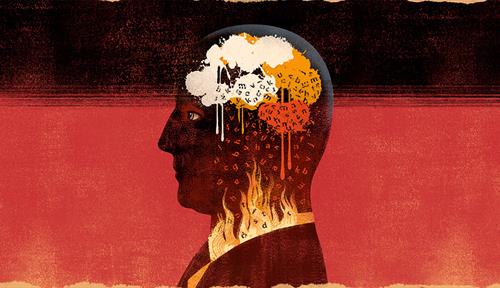
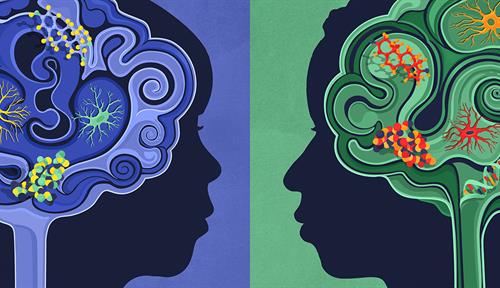
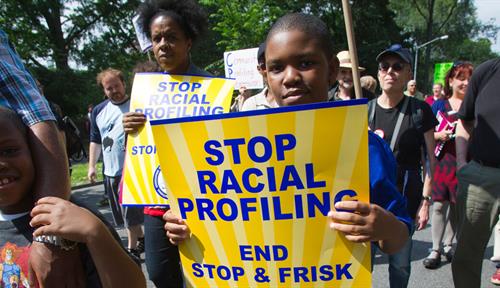
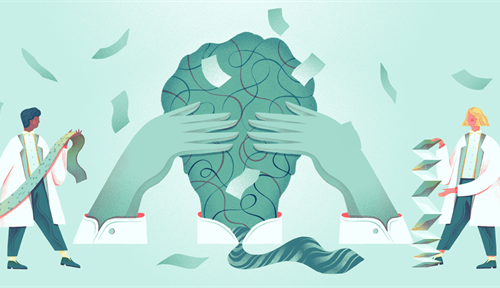
States of mind that the legal system cares about — memory, responsibility and mental maturity — have long been difficult to describe objectively, but neuroscientists are starting to detect patterns. Coming soon to a courtroom near you?
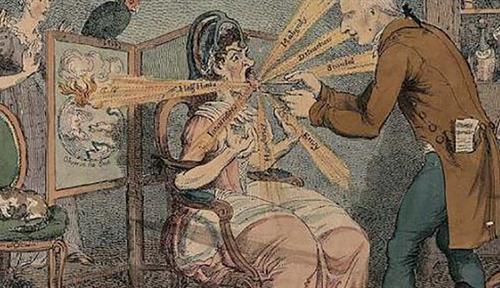
Ultrasound isn’t just for images. Sonogenetics and other promising technologies let researchers use focused sound waves to control genes and entire cells deep in the tissues of living animals, without surgery.
The meaning of the cryptic text has eluded scholars for centuries. Their latest efforts include computational analyses seeking new insights into the medieval enigma.
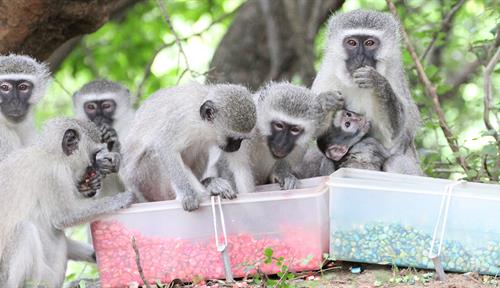
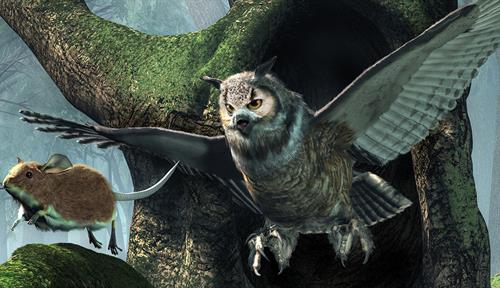
From monkeys washing potatoes to cockatoos raiding trash cans, socially spread behaviors allow creatures to adapt more rapidly to changing environments than conventional evolution would allow. But the traits are also more easily lost.
What helps some people diagnosed with cancer, heart disease or diabetes stay relatively happy and healthy, while others are devastated? Psychologist Vicki Helgeson explains the traits and mindsets that can make the difference.
It took a long time to figure out how attention deficit/hyperactivity disorder presents in girls and women and the problems it can create. A pioneering study helped change that, but the condition is still often missed.
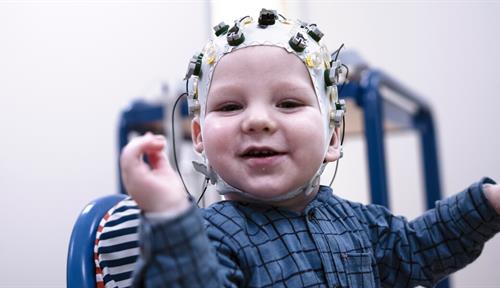
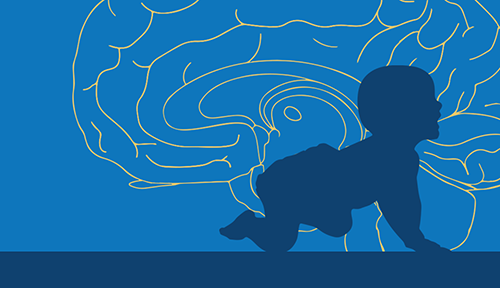
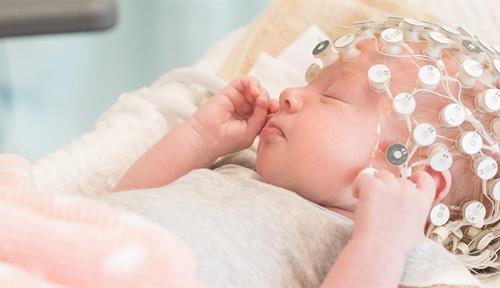
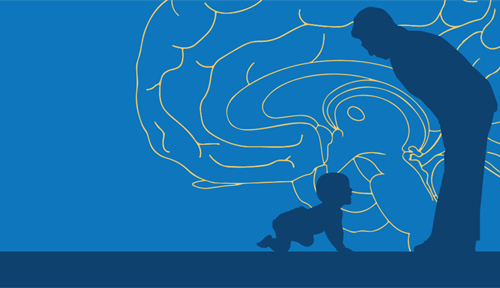
VIDEO: Learn how the baby brain changes from gestation to toddlerhood, and what parents, teachers and policymakers can do to ensure kids are set up for success
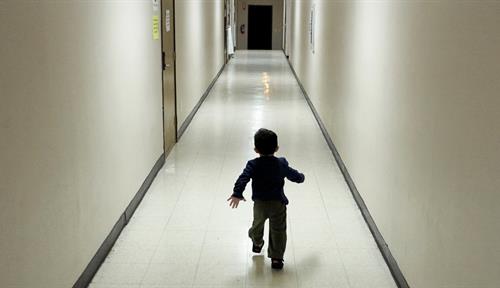
War, disasters, trafficking and immigration are tearing millions of children from their parents all around the world. A psychologist explores how to help them recover.
Psychologists are seeking better ways to cut the link between dire thoughts and fatal action. Among their strategies: individualized plans for pulling back from the brink, and limiting access to deadly means, especially guns.
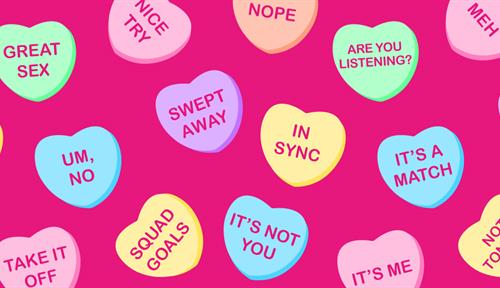
For women, a short-term fling may involve a quest for good genes or just a good time. It’s a puzzle for the researchers looking at how people choose mates.
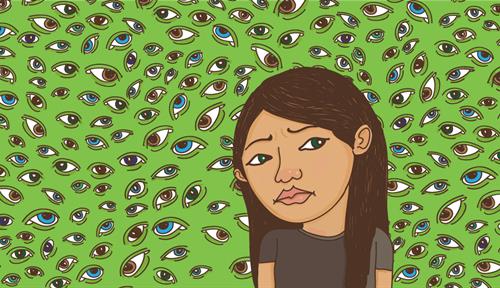
COMIC: In the US, where political parties have increasingly staked claims on one side of the issue or the other, beliefs may be more about belonging than facts
OPINION: More than a third of Americans don’t log enough hours in bed, provoking serious impacts on their health. Diet is an important and under-recognized reason.
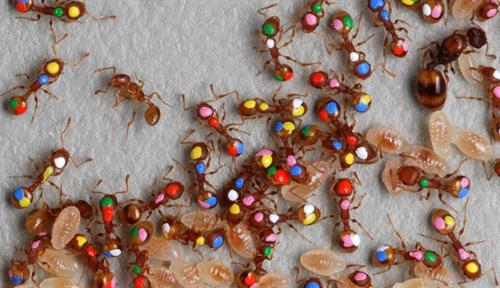
Studies of birds, fish and ants reveal the hidden ways groups coordinate movement, which might influence engineers designing drone armadas and efficient information flow
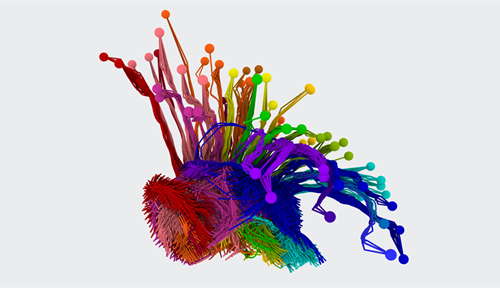
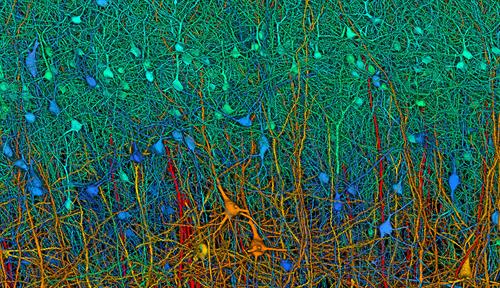
The thalamus has traditionally been viewed just as the brain’s sensory relay station. But it may also play an important role in higher-level cognition, MIT’s Michael Halassa explains in a Q&A.
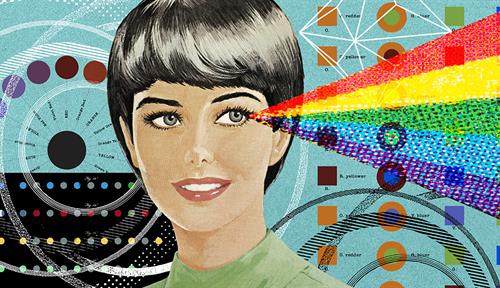
The way we see and describe hues varies widely for many reasons: from our individual eye structure, to how our brain processes images, to what language we speak, or even if we live near a body of water
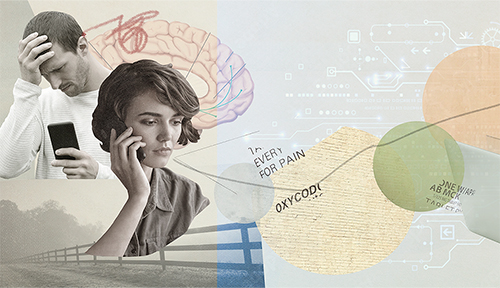
The Covid-19 pandemic brought a sudden shift to virtual health care. That has increased access — and possibly outcomes, too — for patients with opioid use disorder.
Neuroscientists have long known that shut-eye helps consolidate memories in adults. Napping may play an equally crucial role in infants and young children.
Differences between the immune systems of males and females — in particular, ones involving cells called microglia — might help explain why the risk for conditions such as autism and Alzheimer’s varies between the sexes
How we want to be perceived influences how we act, and that presents persuasion opportunities. But the social factors involved are not easy to unravel.
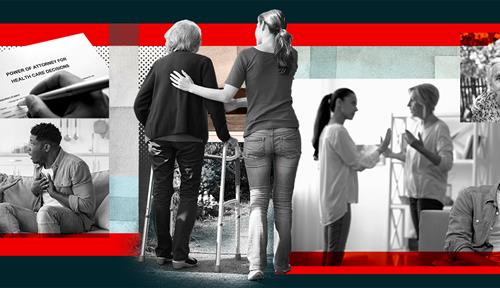
Collaboration is vital when caring for an aging parent. Yet there are many stumbling blocks to good teamwork, from unequal division of tasks and differing perceptions of a parent’s needs to old, lingering resentments.
Individual behavior patterns may skew studies. A new approach called ‘STRANGE’ could help, by taking into account the habits, tendencies and life experiences of the creatures under scrutiny.
VIDEO: Join a conversation about the teenage brain’s strengths and vulnerabilities, how adults can support teenagers with mental health issues, and how teens can help one another
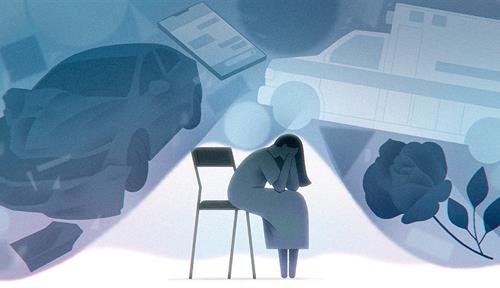
The strain of life — from everyday conflicts to major losses — can stretch our well-being to the breaking point. Here’s what scientists know, and still don’t know, about the stress-illness connection.
Trendy office layouts. Performance reviews that crush morale. There’s plenty of evidence on how to get the best out of workers, but businesses often ignore it.
Criminologist Charis Kubrin has spent more than a decade researching the effects of immigration on law and order. She’s finding that it takes more than data to make her case.
VIDEO: Connect with brain health experts about the best ways to cultivate resilience as we age, and how to support loved ones with memory loss and dementia
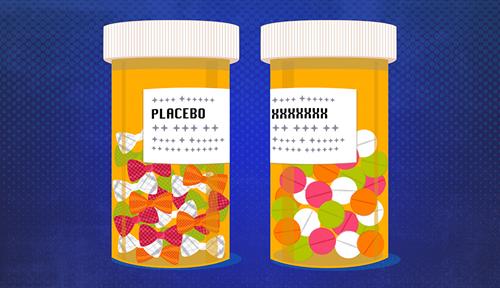
PODCAST: Sloppy by today’s standards, and maybe even back when it was published in 1955, Henry Beecher’s paper paved the way for sounder drug trials and pushed scientists to better understand how we process pain (Season 3, Episode 3)
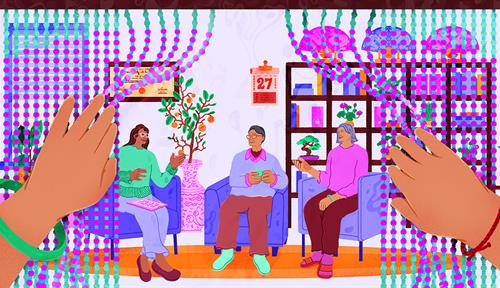
Most of today’s psychotherapies are grounded in Western values. Researchers hope that tailoring treatments to patients’ cultural backgrounds will improve mental health outcomes.
After centuries of misunderstanding, research has finally tied the speech disorder to certain genes and brain alterations — and new treatments may be on the horizon
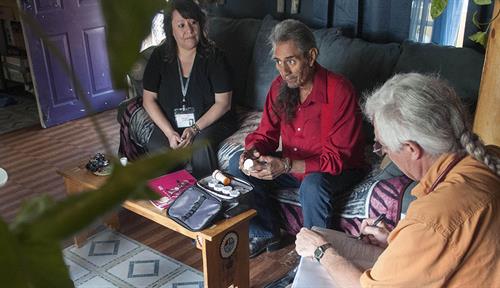
Treatment with drugs such as buprenorphine, methadone and naltrexone is deemed the gold standard for youth with opioid addictions. Why isn’t it used more often?
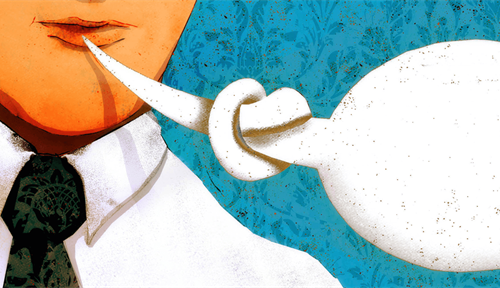
Public health messages should be loud and clear, so that everyone listens and stays safe. But that’s easier said than done — especially with a case as complex as Covid-19.
PODCAST: Serendipitous discoveries led to drugs like Prozac and to new insights into the physical basis of this debilitating disorder. But scientists continue to search for deeper understandings and therapies that will bring relief to those who still struggle. (Season 2, Episode 6)
Many colleges and universities stopped requiring the SAT and ACT during Covid. Will they go back to testing in the future? Select: (a) Yes (b) No (c) Depends (d) Not enough information.
This challenging phase of life may get a bad rap, but it’s also full of opportunity. A developmental neuroscientist shares what she’s learned from studies on young people’s risk-taking behavior, reasoning and more.
A gaggle of biotech start-ups are trying vastly different approaches to spin animal studies into the next big anti-aging therapy. It’s too early to know which, if any, will succeed.
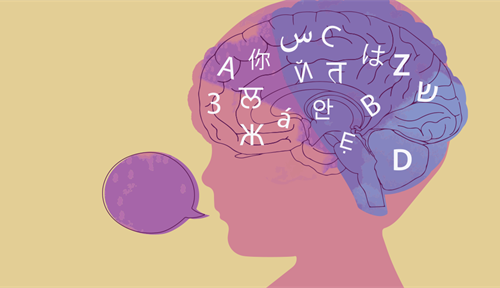
VIDEO: Does speaking two languages enrich the brain? How do class and race influence the labeling of bilingualism as good or bad? Watch now to explore the neuroscience and social context of bilingualism.
As Covid-19 descended across the world, people sought refuge in gardens, parks and the woods. But it’s hard to measure how being in nature affects our well-being — and how we can best reap its rewards.
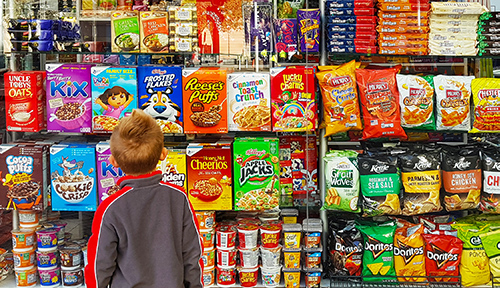
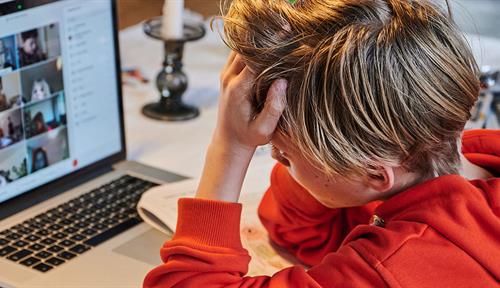
OPINION: A neuroscientist says that he’s particularly worried about kids, who may have spent much of last year learning online. Some easy hacks can help.
VIDEO: Watch our conversation about the science of behavior change — from public health tools to slow the pandemic to keeping New Year’s resolutions <em xmlns="http://pub2web.metastore.ingenta.com/ns/"/><em/>
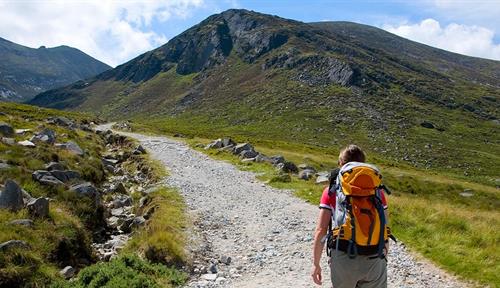
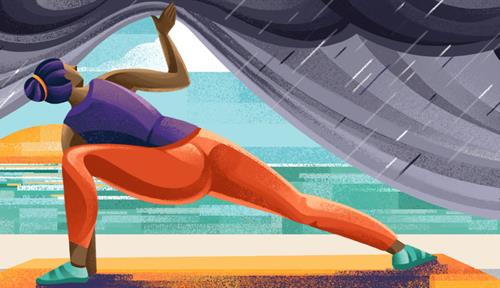
Working out buffs up the body — and perhaps the mind, too. New research is revealing how physical activity can reduce and even ward off depression, anxiety and other psychological ailments.
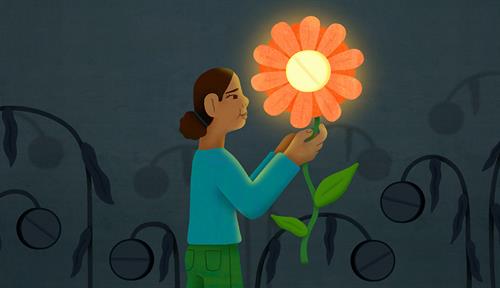
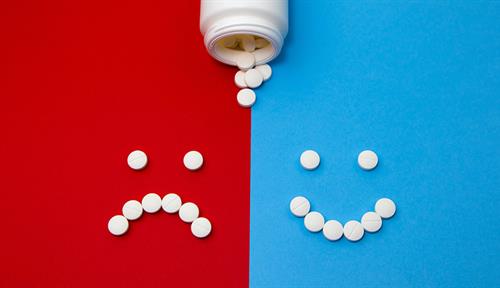
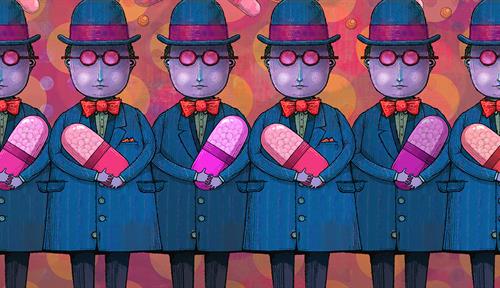
Psychotropic drugs have severely narrowed how we treat psychiatric disorders — to the detriment of patients and society as a whole. A look at the past suggests a better way forward.
Psychologist Elizabeth Loftus has shown that our recall can be woefully unreliable. Slowly but surely, the legal system — and more of her peers — are taking her findings into account.
VIDEO: Watch our conversation about the science of stress, coping and resilience, including advice on how to survive the pandemic and thrive through what’s next
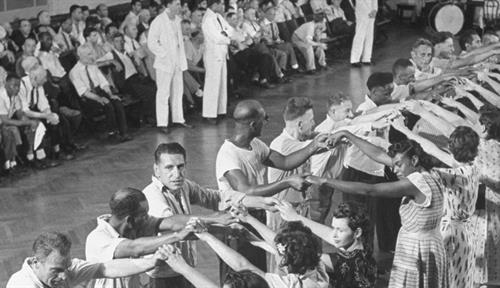
Studies on astronauts and Antarctic crews reveal how extreme confinement affects small groups. Scientists are racing to figure out isolation’s impact on the rest of us.
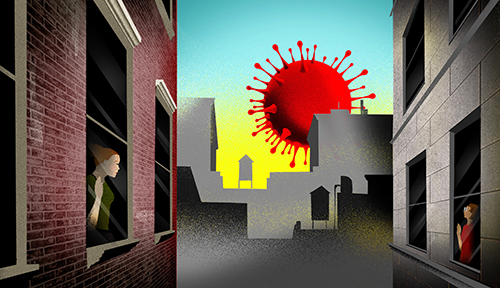
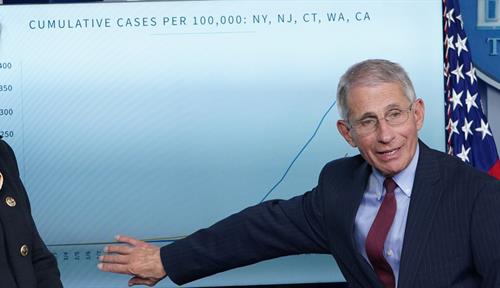
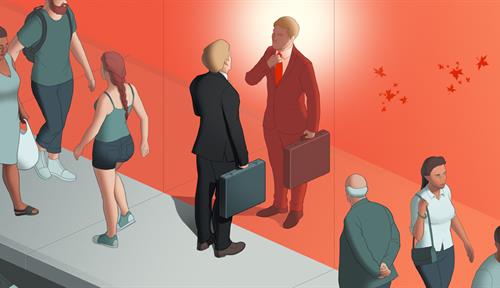
From mask wearing to physical distancing, individuals wield a lot of power in how the coronavirus outbreak plays out. Behavioral experts reveal what might be prompting people to act — or not.
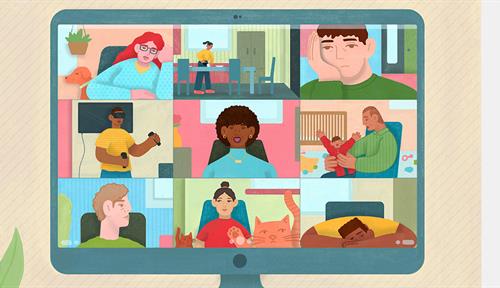
The pandemic has immersed us faster and deeper in immersive communication technologies. It’s a disrupted, confusing, sometimes exhausting world — but shifting both the tech and our expectations might make it a better one.
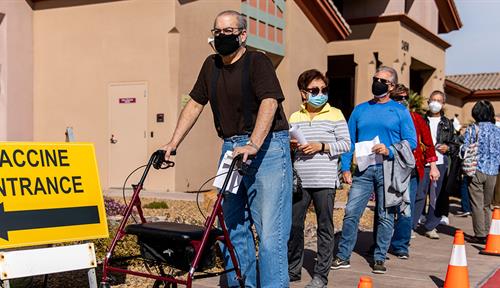
Hesitancy rates are falling but they’re still sizable, especially among certain groups. Easy access and trusted community messengers are keys to moving the needle.
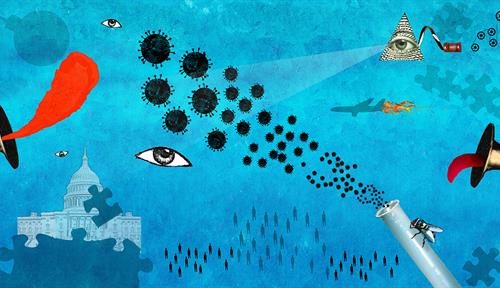
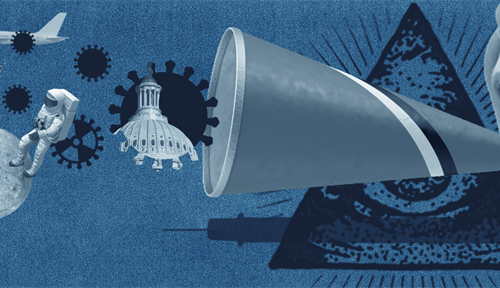
Conspiracy theories seem to meet psychological needs and can be almost impossible to eradicate. One remedy: Keep them from taking root in the first place.
OPINION: Covid laid bare the scope of health disparities in the US and around the world. Research shows that trained lay people may be the best way to bring evidence-based care to those who need it most.
VIDEO: Watch a scientific exploration of why old age is often associated with high levels of emotional well-being, even as physiological and cognitive capacity declines
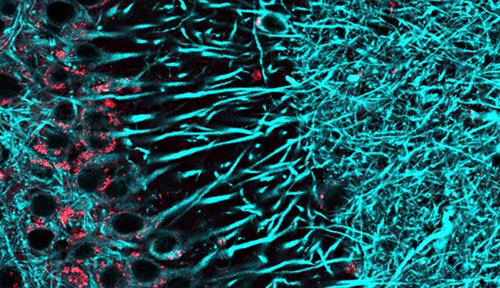
Whether fly or human, fleeing from danger is key to staying alive. Scientists are beginning to unravel the complex circuitry behind the split-second decision to beat a hasty retreat.
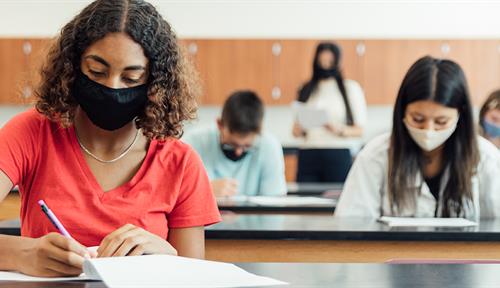
What will become of children growing up during the pandemic? There’s reason for concern, but the research on resilience is reassuring. A developmental psychologist explains what adults can do to protect youngsters from long-term harm.
Psychopathic tendencies may be present to some extent in all of us. New research is reframing this often sensationalized and maligned set of traits and finding some positive twists.
VIDEO: In the past year, conspiracy theories have had a big impact on politics and public health. What makes them so appealing? How can we disrupt their influence? Join us to explore these issues and more.
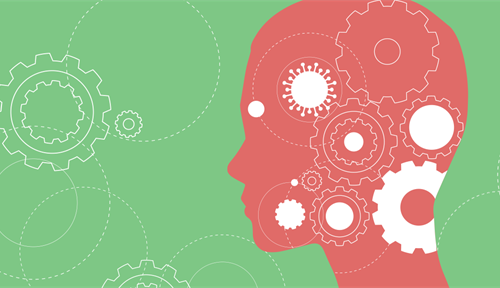
VIDEO: Even a mild SARS-CoV-2 infection can cause inflammation that disrupts neural communication, says Stanford neurologist Michelle Monje. Her concern is that Covid-19 may leave millions dealing with cognitive problems, from a loss of mental sharpness to lapses in memory, that prevent them from returning to their previous level of function.
Close X
This is not a paywall.
Knowable Magazine is free to read. But just because our articles are free to read doesn’t mean they are free to produce. If you value our trustworthy science journalism, please support it with a donation.