cookies to track usage and preferences."
data-cookieaccepttext="I UNDERSTAND"
data-cookiedeclinetext="Disable Cookies"
data-cookiepolicytext="Privacy Policy">
It took a long time to figure out how attention deficit/hyperactivity disorder presents in girls and women and the problems it can create. A pioneering study helped change that, but the condition is still often missed.
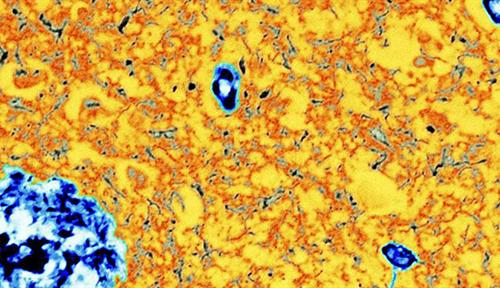
A summary of “Update on Alzheimer’s Disease Therapy and Prevention Strategies” by W. Vallen Graham and coauthors, in the 2017 issue of the Annual Review of Medicine
There are many cheap and effective ways to provide safe water to the world’s poor regions. But projects often fail due to inadequate planning, maintenance or persuasive power.
Researchers are investigating medicines that selectively kill decrepit cells to promote healthy aging — but more work is needed before declaring them a fountain of youth
VIDEO: Learn how the baby brain changes from gestation to toddlerhood, and what parents, teachers and policymakers can do to ensure kids are set up for success
An increasing number of cities and countries have begun taxing sugary beverages. But can raising the price of these drinks really make a dent in obesity, diabetes and other ailments?
Psychologists are seeking better ways to cut the link between dire thoughts and fatal action. Among their strategies: individualized plans for pulling back from the brink, and limiting access to deadly means, especially guns.
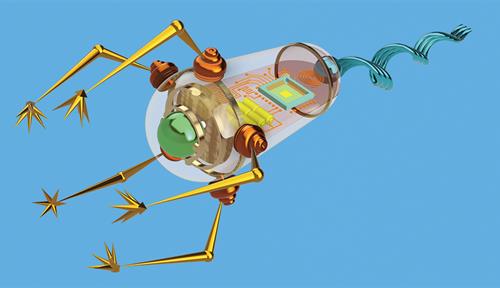
What would it take to create a truly intelligent microbot, one that can operate independently? A roboticist describes the fascinating minutiae and the medical jobs these tiny machines could do for us.
Lower-income countries haven’t gotten an equal share of lifesaving coronavirus vaccines. Older, more familiar vaccine technologies may hold the key to more equitable use, says Maria Elena Bottazzi.
Even for 60ish youngsters, researchers reaffirm that exercise is essential. But just walking won’t cut it — break out the weights and go for strength training too.
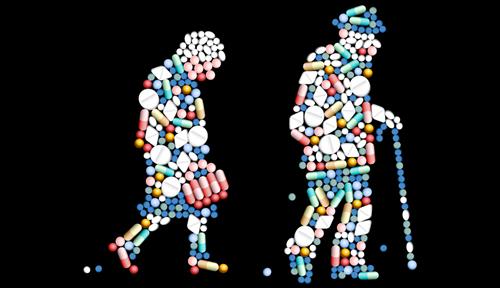
Polypharmacy — taking five or more meds at a time — leads to side effects, unnecessary hospitalizations and premature deaths. Researchers and pharmacists are seeking solutions to this serious public health problem that disproportionately affects older adults.
Neuroscientists think a cluster of cells in the brain that stimulate appetite could be a target for eating disorder therapies
Close X
This is not a paywall.
Knowable Magazine is free to read. But just because our articles are free to read doesn’t mean they are free to produce. If you value our trustworthy science journalism, please support it with a donation.