cookies to track usage and preferences."
data-cookieaccepttext="I UNDERSTAND"
data-cookiedeclinetext="Disable Cookies"
data-cookiepolicytext="Privacy Policy">
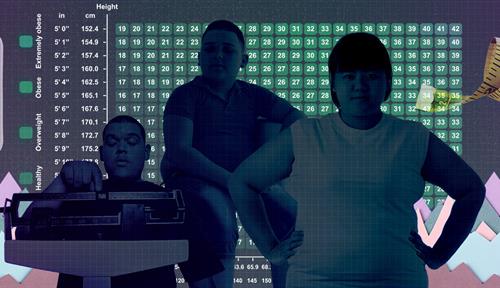
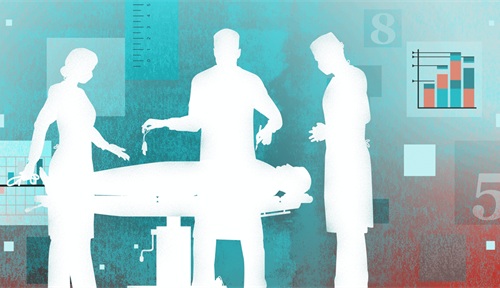
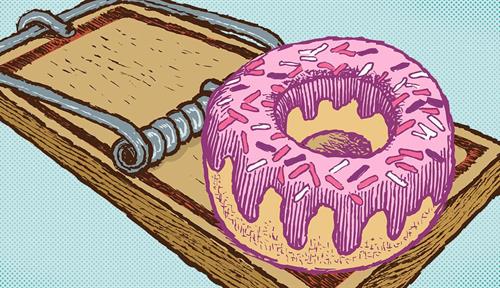
Katherine Flegal was a scientist who found herself crunching numbers for the government, until one day her analyses set off a firestorm. What does she make of her decades as a woman in public health research?
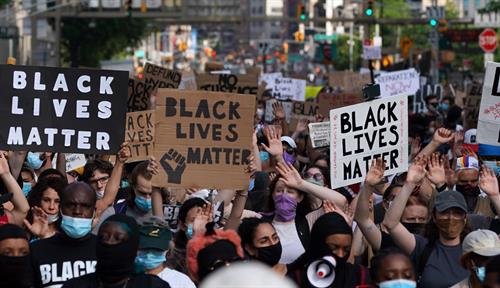
Historically, the road to reform has often begun with protesters taking to the streets. A sociologist and a political scientist take stock of whether today’s activism will lead to actual change.
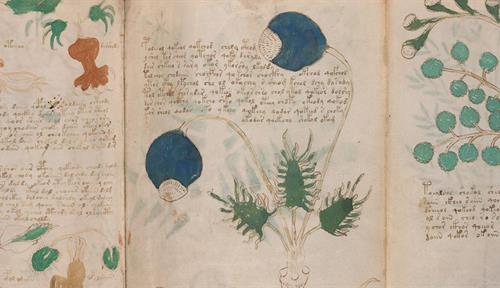
The meaning of the cryptic text has eluded scholars for centuries. Their latest efforts include computational analyses seeking new insights into the medieval enigma.
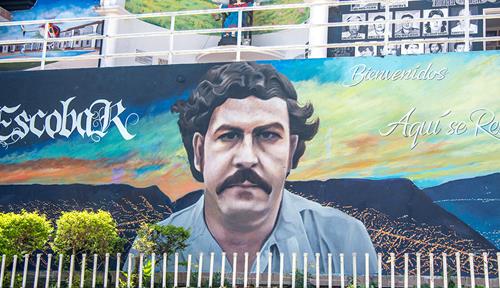
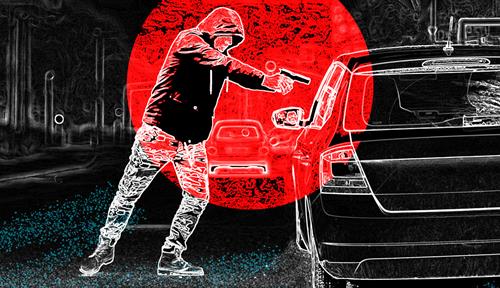
In Latin America, tens of millions of people live in territories that are governed by outlaws — from powerful drug cartels to crime syndicates. What can be done to restore legitimate law and order?
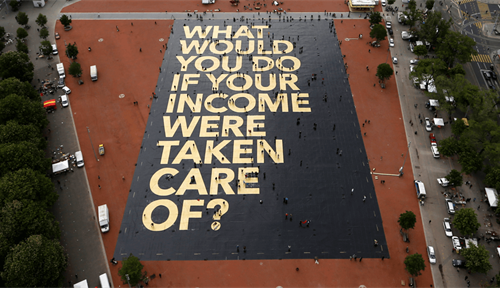
It’s a hot topic under political debate: providing cash grants as a social safety net. Small programs hint at how it might work — or not — on a national scale.
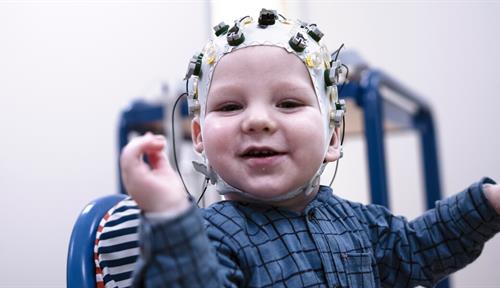
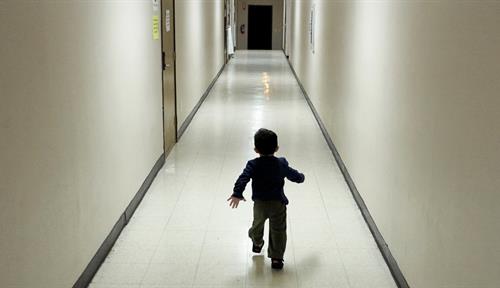
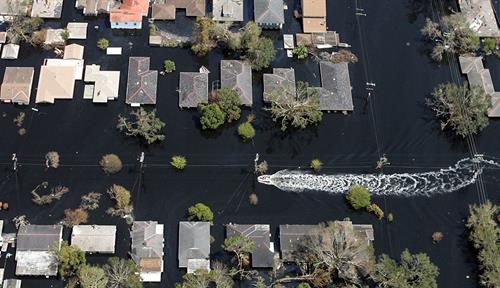
War, disasters, trafficking and immigration are tearing millions of children from their parents all around the world. A psychologist explores how to help them recover.
Alcohol-drenched medieval battlefields. Opium-laced imperialism. Modern-day narco-terrorism. There’s a lot of history between armed conflict and psychoactive substances.
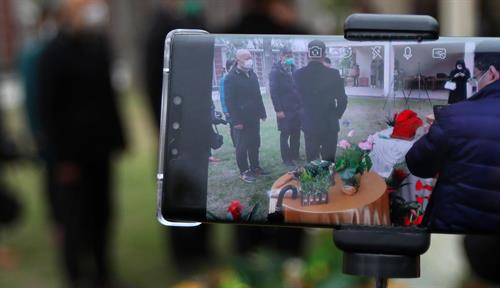
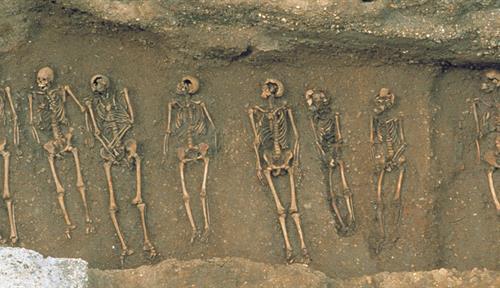
Funerals, burials and other ways of communally commemorating those who have died have always been part of human history. The need for social distancing has upended these psychologically important rituals and fostered creative alternatives.
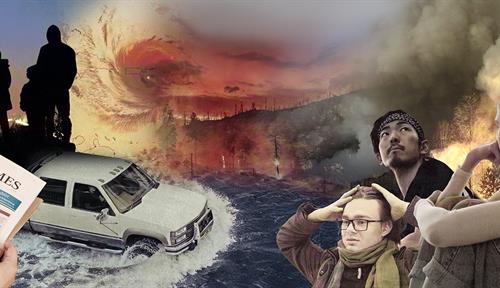
Worry over the planet’s future is taking a toll on emotional well-being, researchers say. Here’s how to cope so we don’t lose hope for our planet and for ourselves.
How we want to be perceived influences how we act, and that presents persuasion opportunities. But the social factors involved are not easy to unravel.
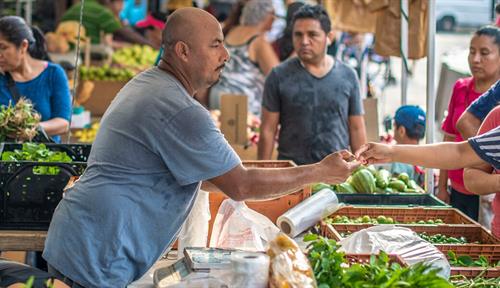
More people are choosing what to eat based on where it was grown, made or created. An anthropologist looks at the myriad ways we link food to place — and whether it really could make a difference.
Close X
This is not a paywall.
Knowable Magazine is free to read. But just because our articles are free to read doesn’t mean they are free to produce. If you value our trustworthy science journalism, please support it with a donation.