cookies to track usage and preferences."
data-cookieaccepttext="I UNDERSTAND"
data-cookiedeclinetext="Disable Cookies"
data-cookiepolicytext="Privacy Policy">
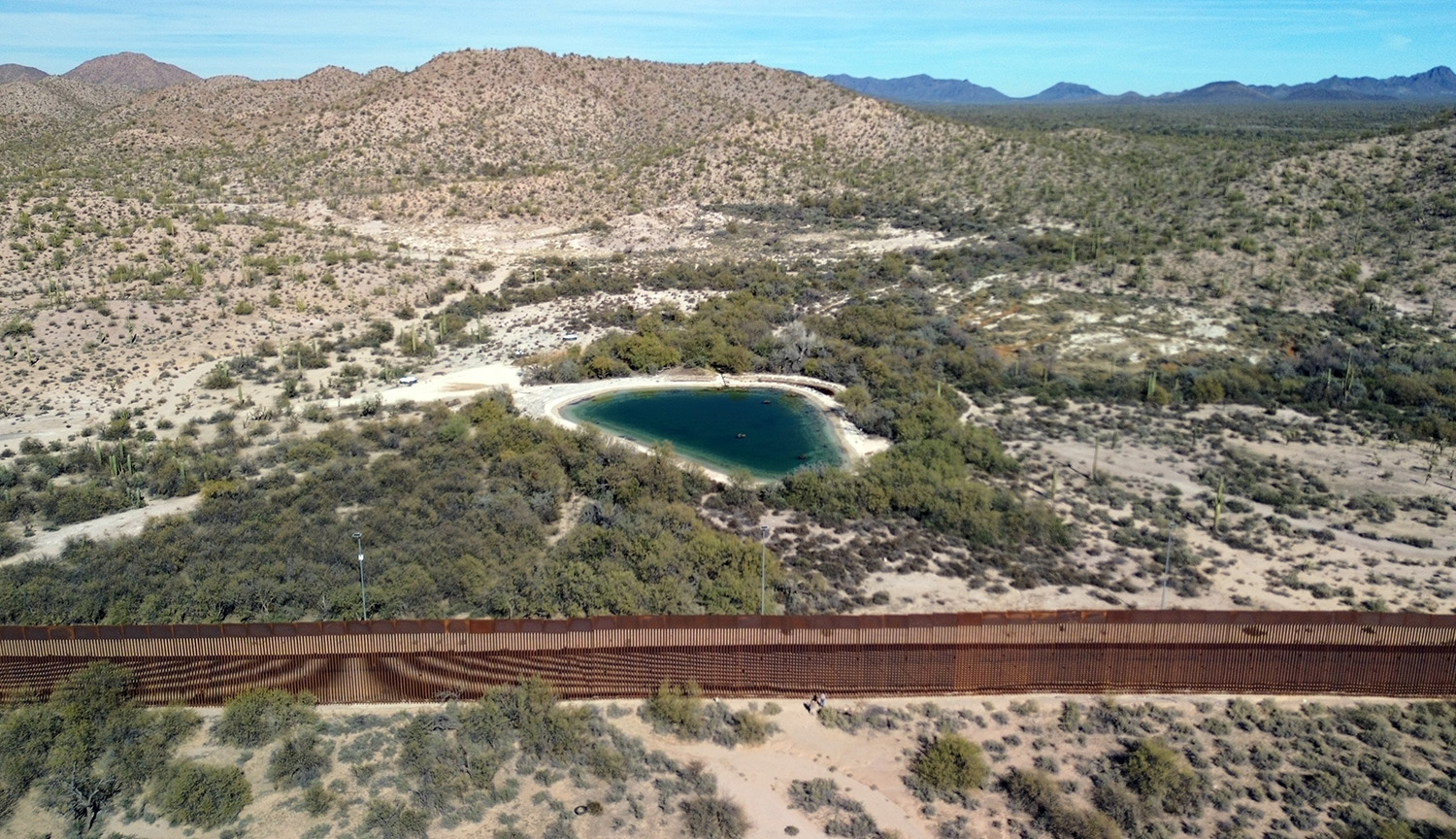
Scientists on both sides of the border are working to understand how the barrier is affecting the area’s biodiversity. Meanwhile, communities try to save animals left without access to water.
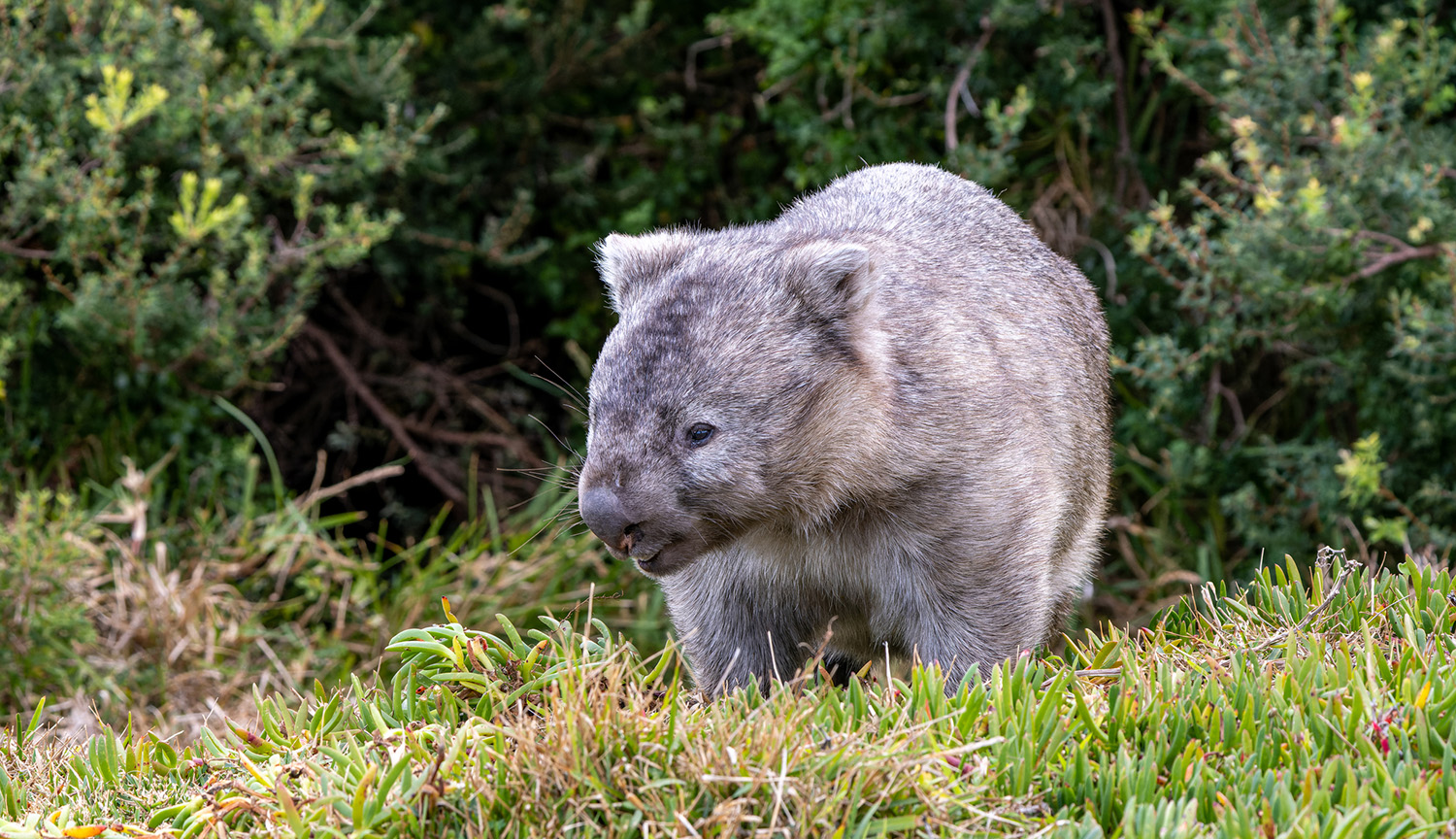
Australia’s iconic marsupial has been viewed as a food source, pest, mascot and, now, a conservation concern. Scientists are breaking down myths — using genetics, robots and citizen science — and finding new ways to protect the animals.
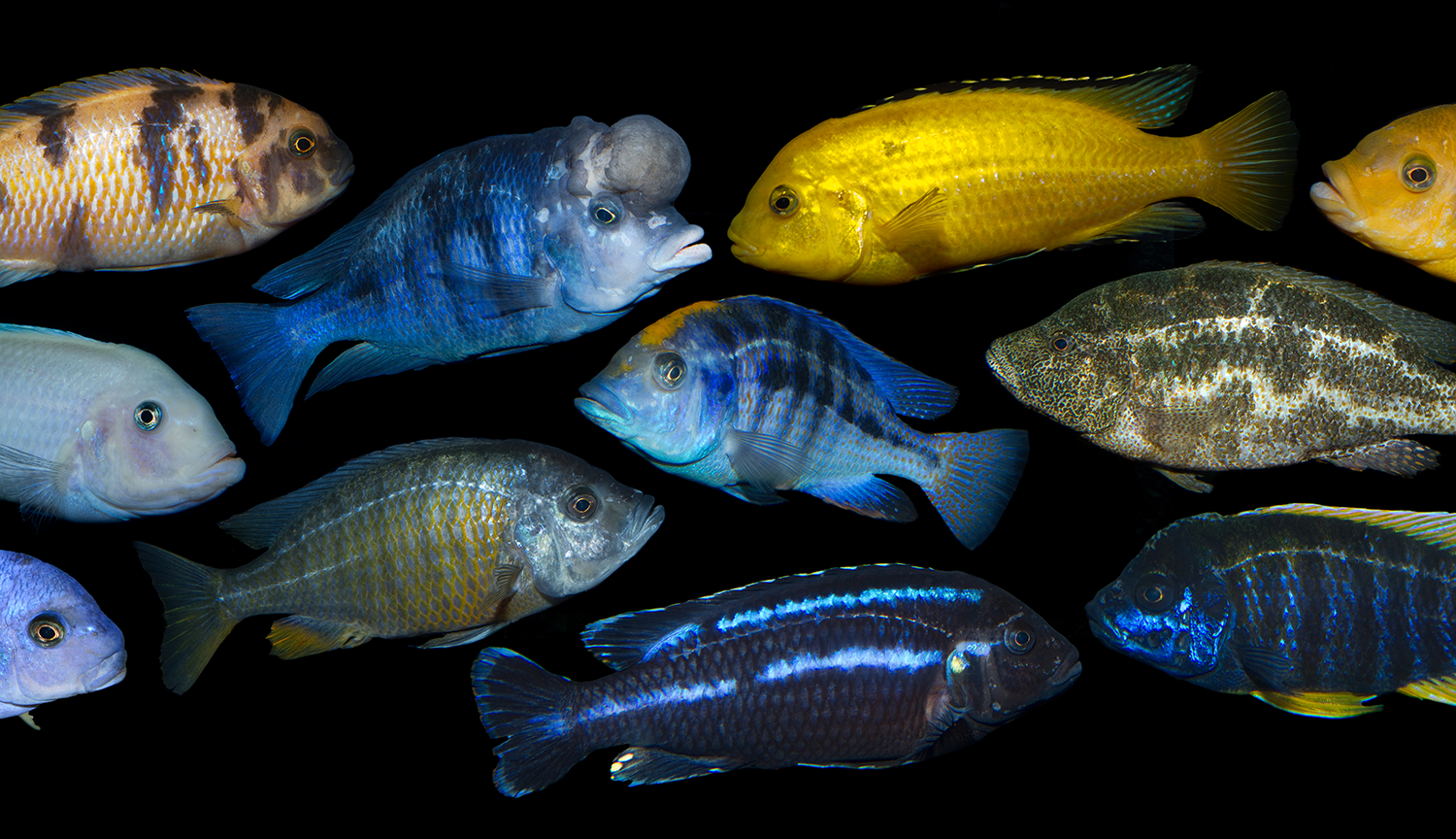
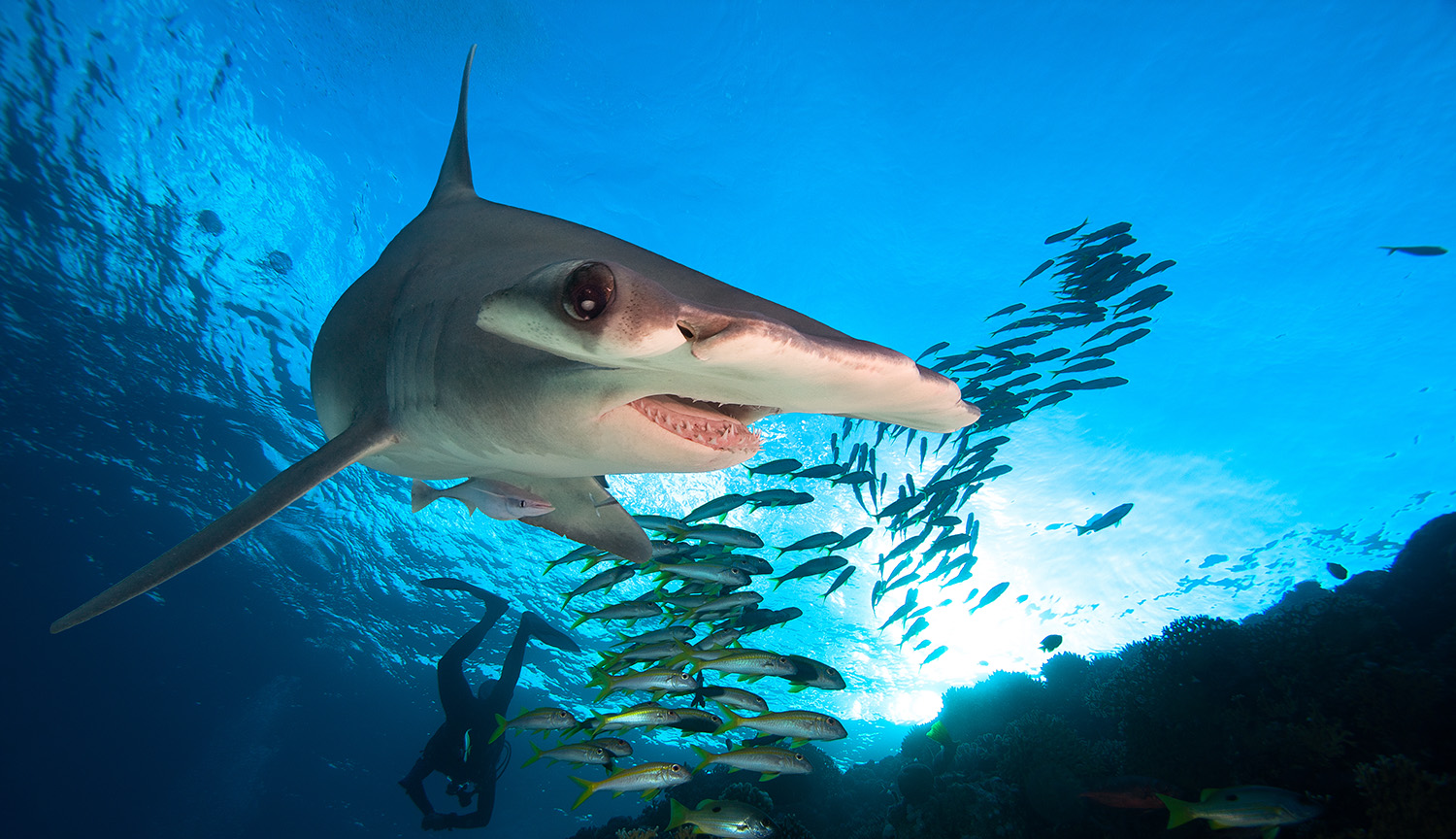
Despite increasing protection measures, these fish are among the world’s most endangered animals. New tests to detect species being traded, as well as population studies, aim to help save them.
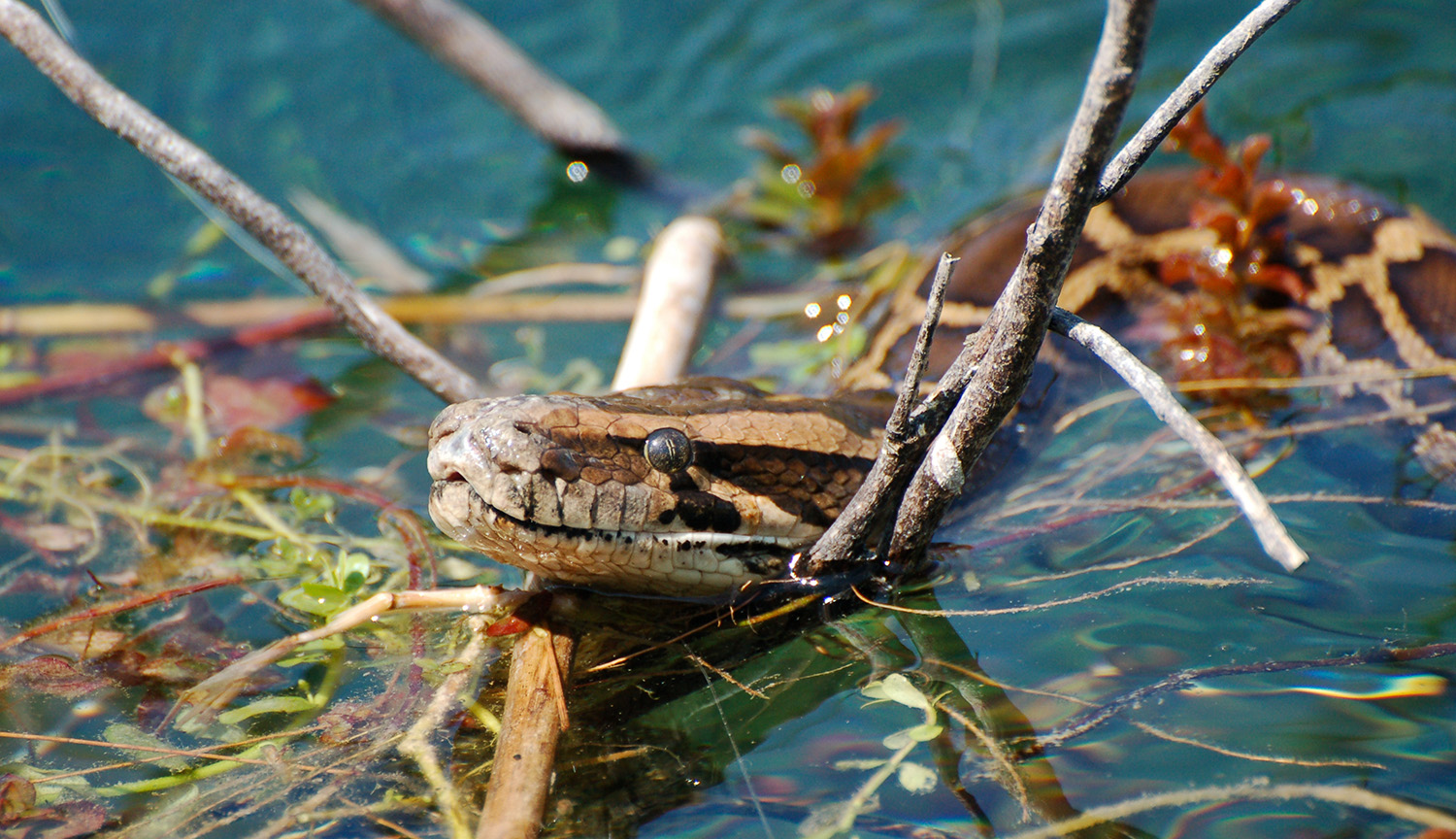
From Burmese pythons and Asian swamp eels to Old World climbing ferns, South Florida hosts hordes of non-native animals and plants. What can be done about the ecological havoc they are wreaking?
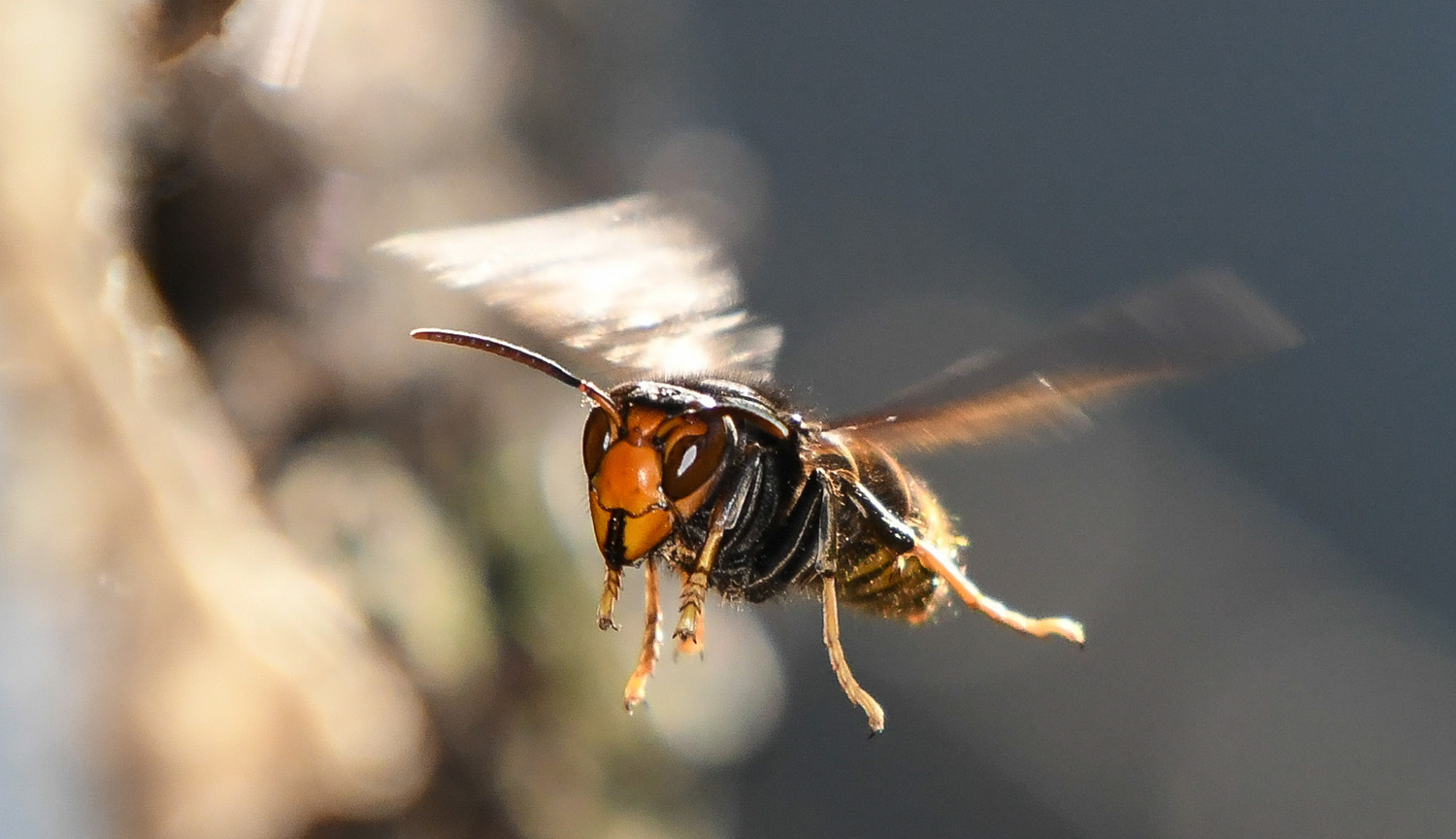
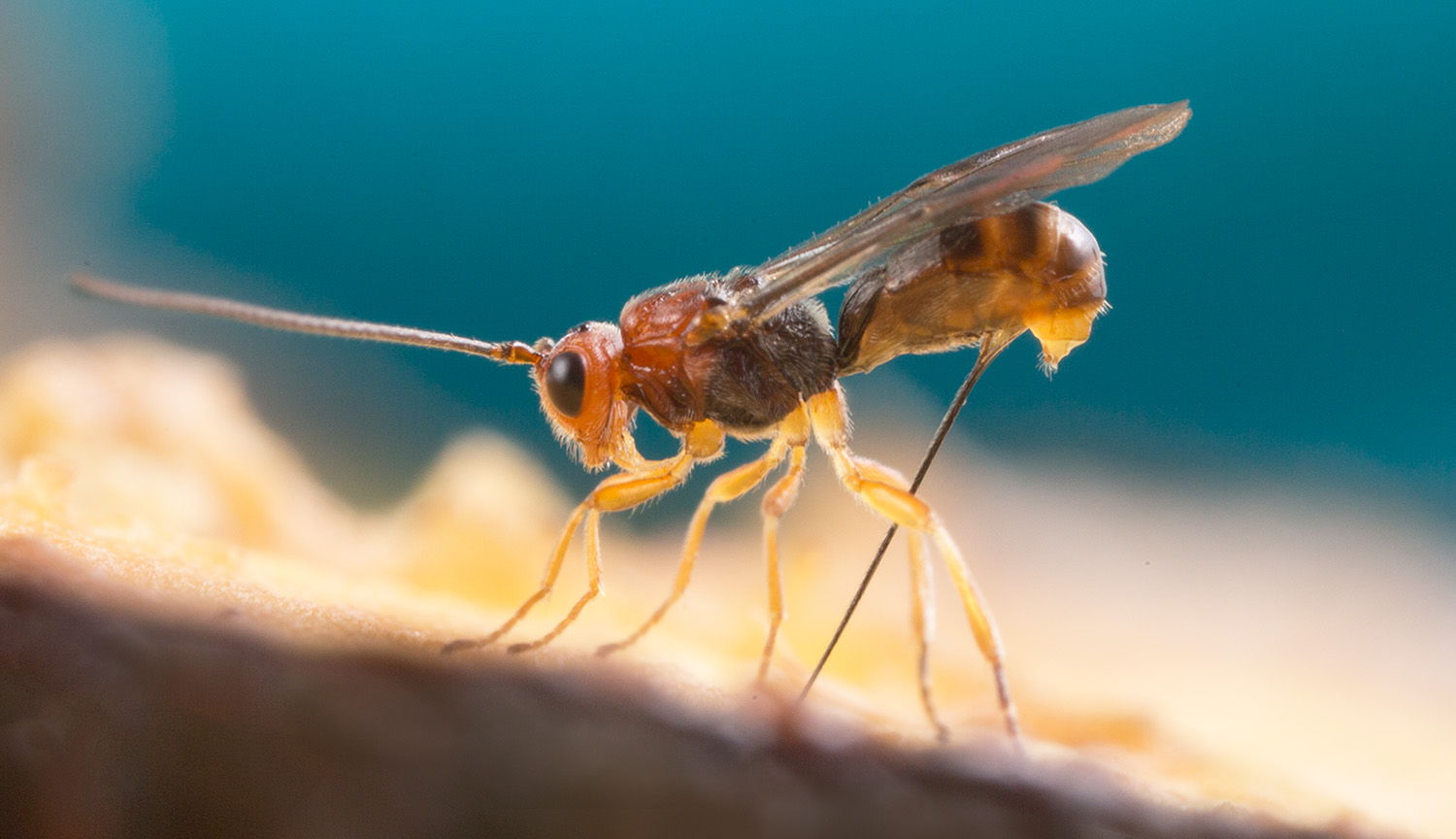
An invasive yellow-legged wasp has been decimating beehives in Europe — and bedeviling Georgia since last summer. Researchers are working nest by nest to limit the threat while developing better eradication methods.
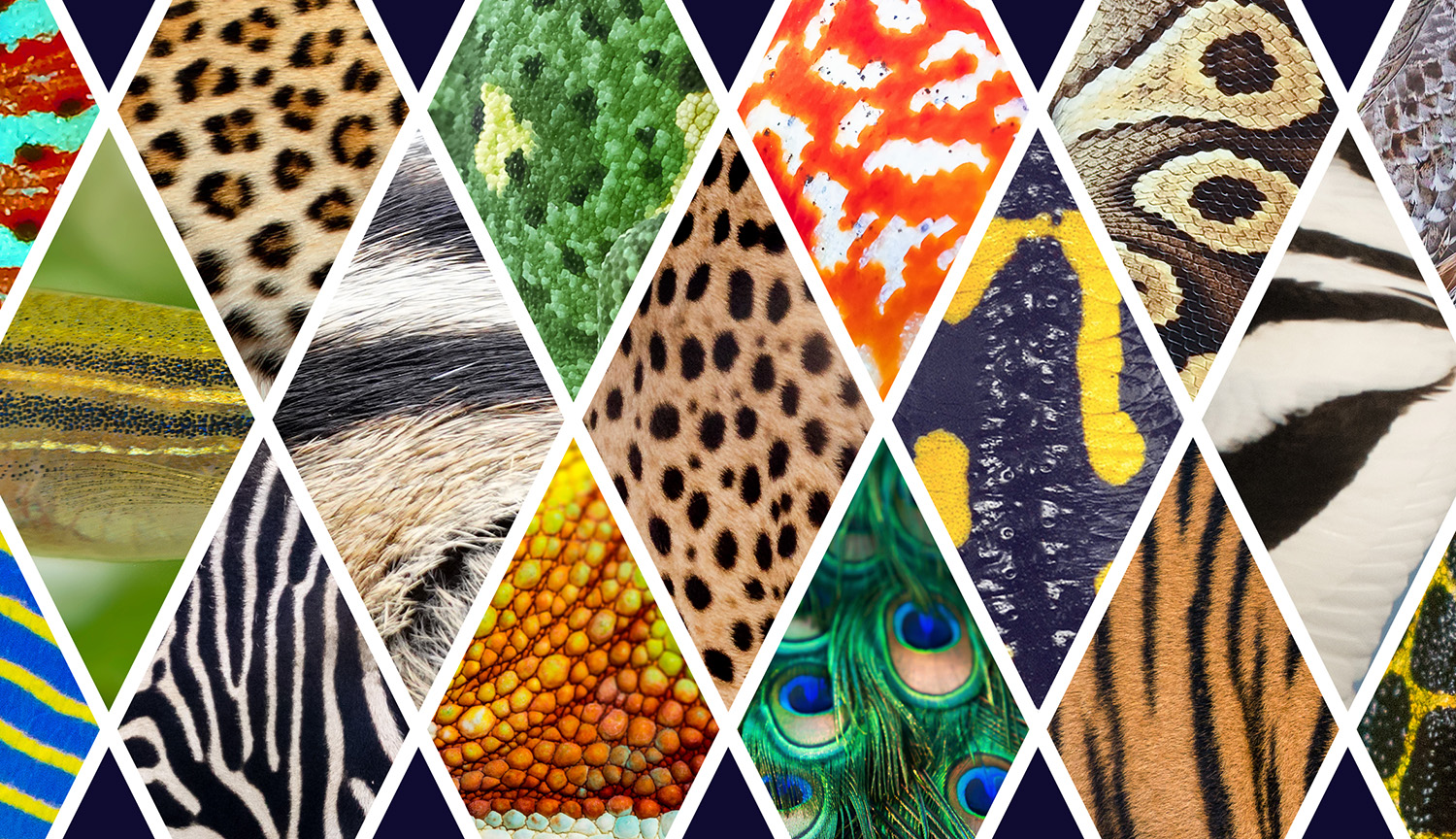
More than 70 years ago, mathematician Alan Turing proposed a mechanism that explained how patterns could emerge from bland uniformity. Scientists are still using his model — and adding new twists — to gain a deeper understanding of animal markings.
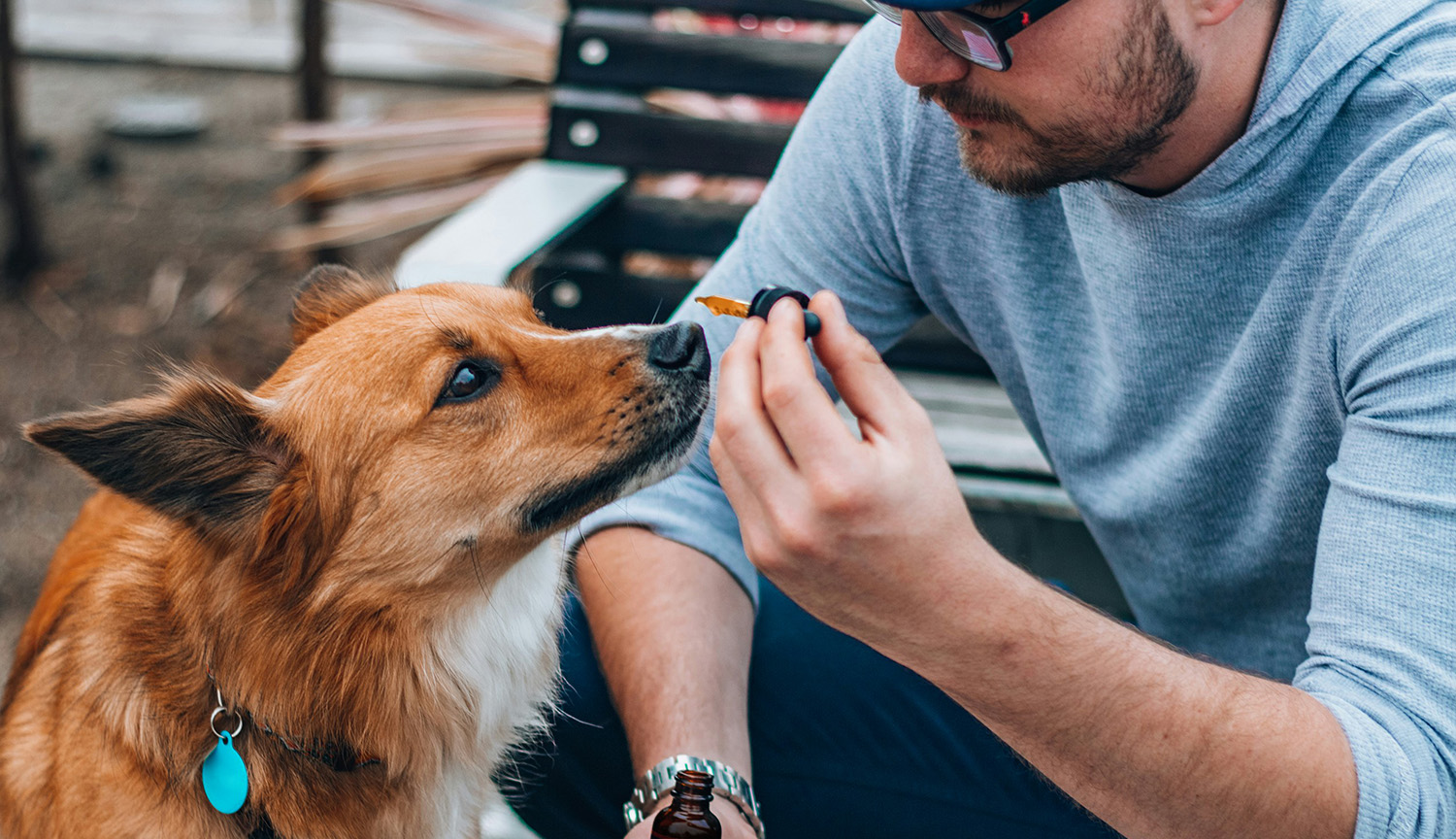
Though studies are still mixed, and products often inconsistent, many scientists have hope that cannabidiol can help canines and other furry patients suffering from arthritis, allergies and anxiety
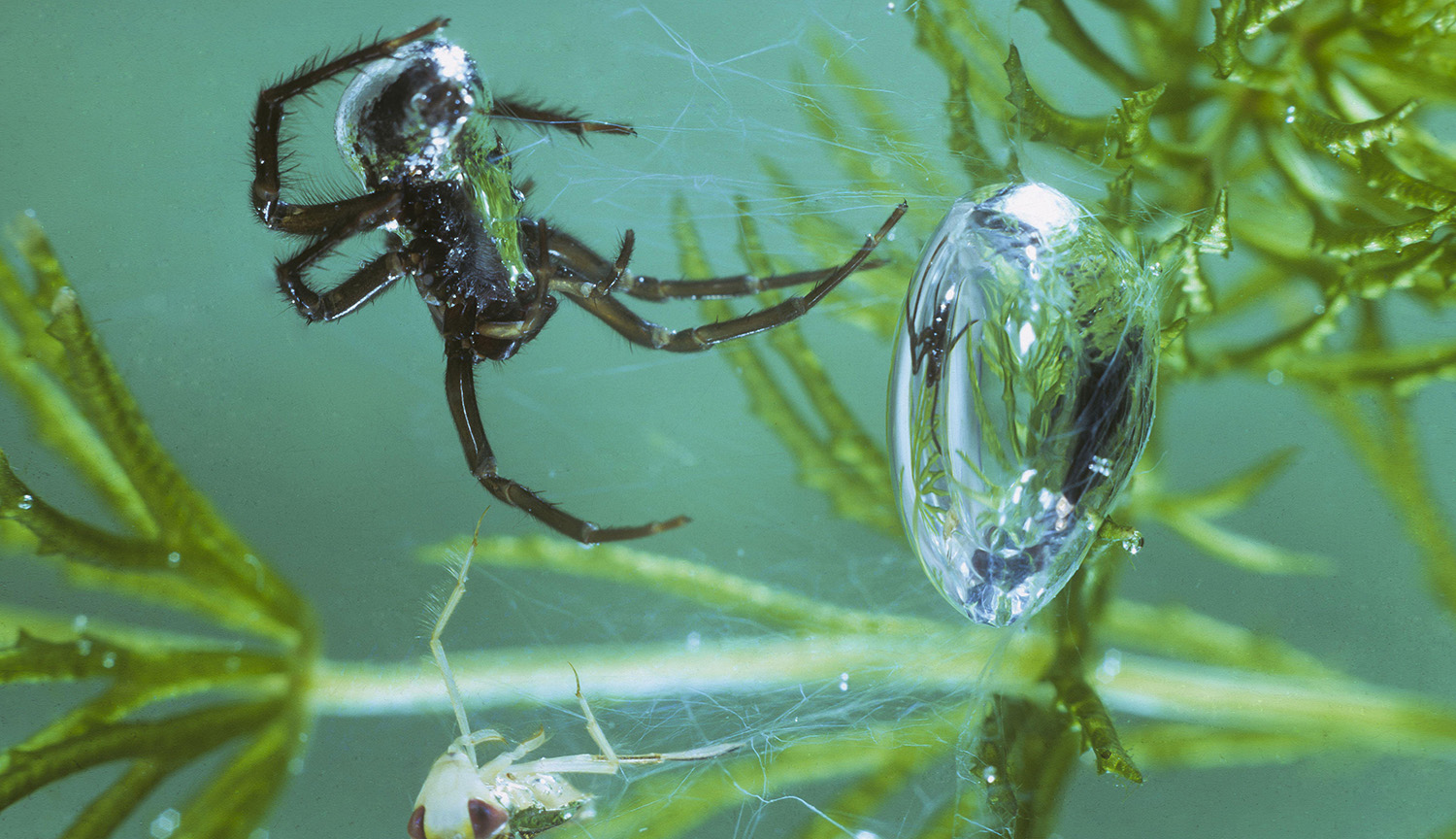
Some make nests inside seashells, others tote bubbles of air on their backs. The spiders that went back to water evolved lots of slick survival strategies.
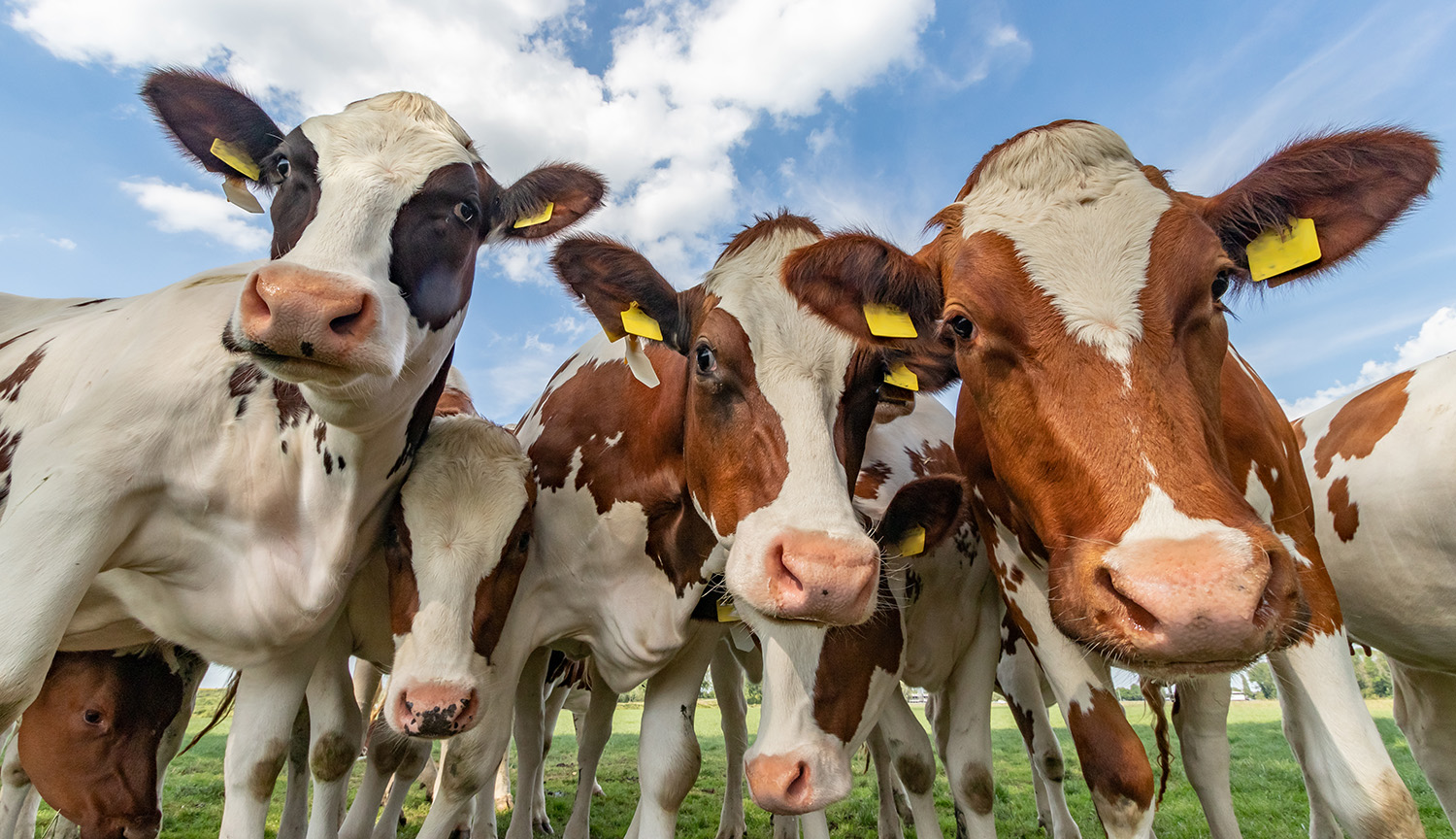
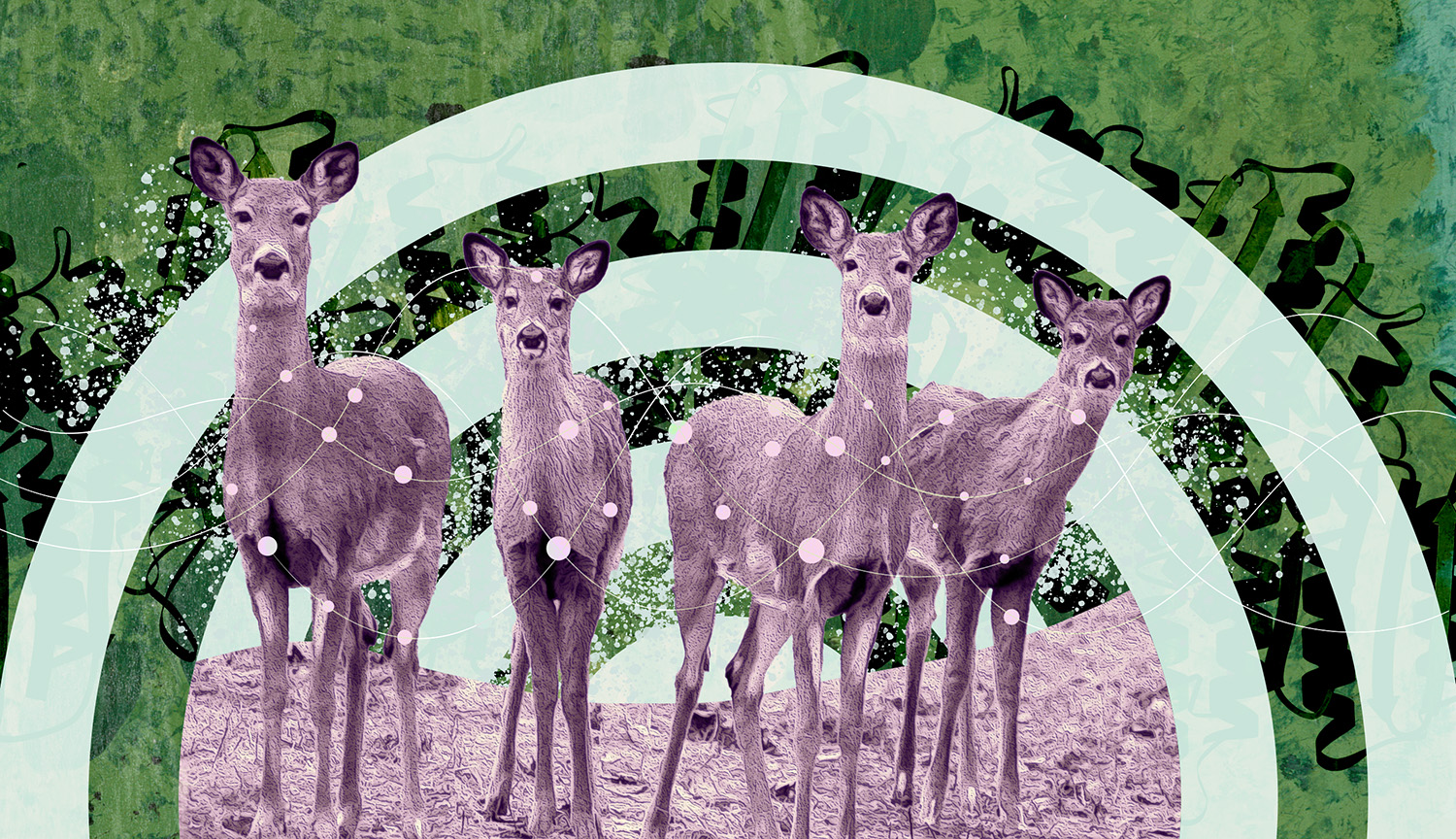
A prion sickness similar to mad cow is spreading rapidly through North America’s deer and elk populations. A veterinary microbiologist discusses the options for keeping it in check.
Close X
This is not a paywall.
Knowable Magazine is free to read. But just because our articles are free to read doesn’t mean they are free to produce. If you value our trustworthy science journalism, please support it with a donation.