cookies to track usage and preferences."
data-cookieaccepttext="I UNDERSTAND"
data-cookiedeclinetext="Disable Cookies"
data-cookiepolicytext="Privacy Policy">
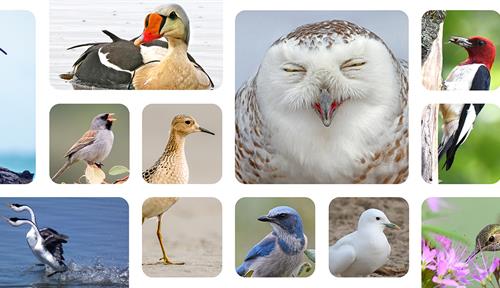
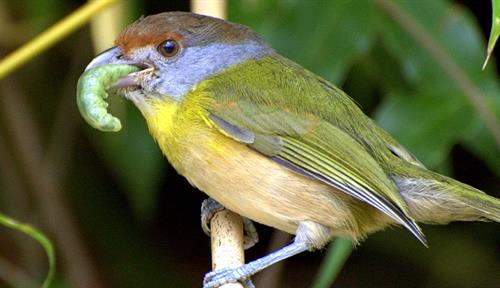
Rich data on the global state of our feathered friends presents plenty of bad news — but also some bright spots. Researchers know better than ever how to help endangered birds, and there are notable bird conservation successes.
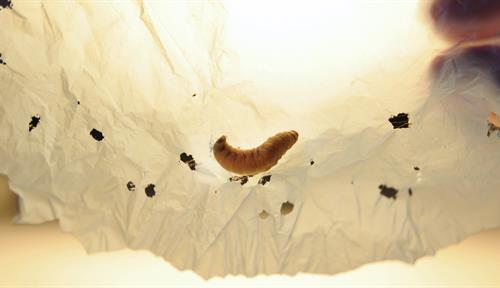
Scientists are scouring garbage sites around the world for bacteria, fungi and even insects that harbor enzymes that could be harnessed for breaking down various polymers. It’s early days, but if the efforts can be efficiently scaled-up, such biological recycling could put a dent in the plastic waste problem.
Lawsuits against emissions-spewing governments and fossil fuel companies have established themselves as a key tool in the battle against climate change, but they aren’t always successful
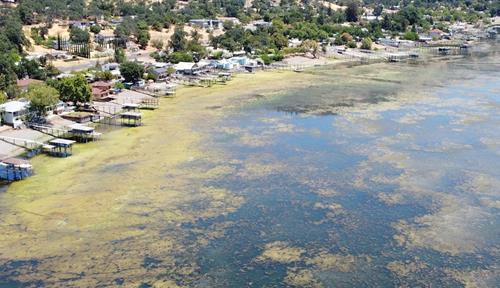
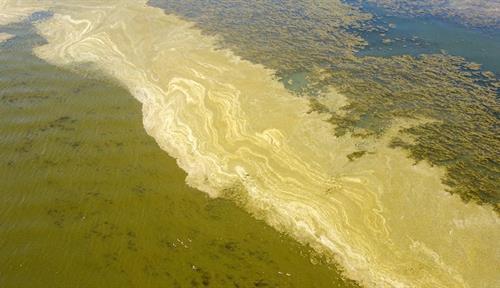
Clear Lake, the state’s largest freshwater body of water, is fouled each year by algal blooms, one of many assaults endured by the battered ecosystem. Can a multipronged plan help it recover?
Native peoples attuned to the natural world have long collected detailed environmental information. Now scientists are cataloging these observations and learning how they’re affecting Indigenous communities globally.
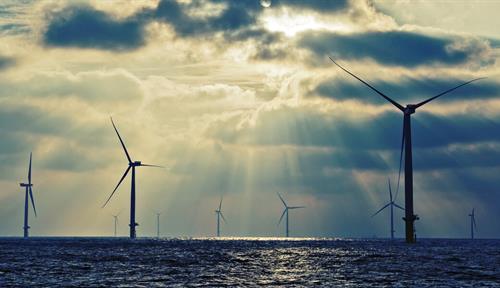
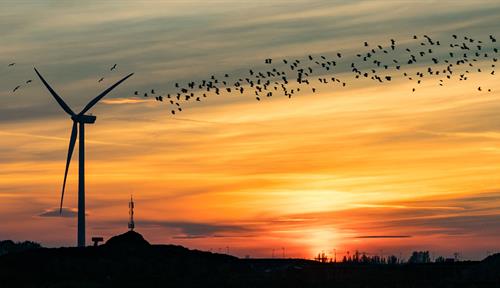
As wind power grows around the world, so does the threat the turbines pose to wildlife. From simple fixes to high-tech solutions, new approaches can help.
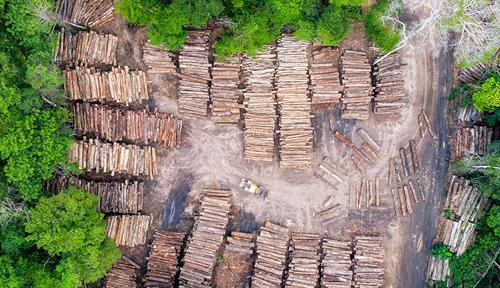
Evidence that the approach helps to save trees, preserve ecosystems and reduce carbon emissions is often hard to come by. But it can succeed if it’s done right, says an economist.
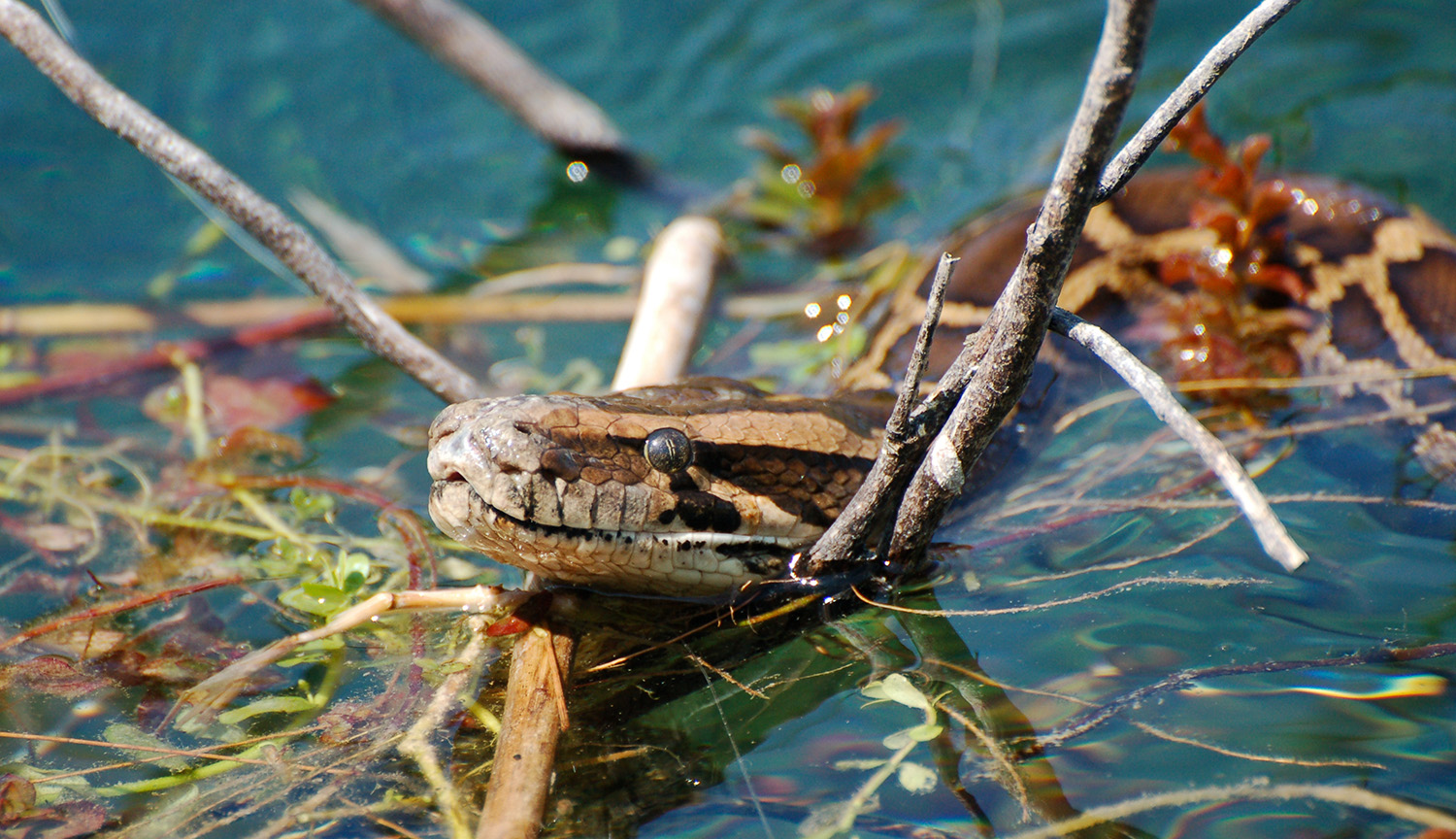
From Burmese pythons and Asian swamp eels to Old World climbing ferns, South Florida hosts hordes of non-native animals and plants. What can be done about the ecological havoc they are wreaking?
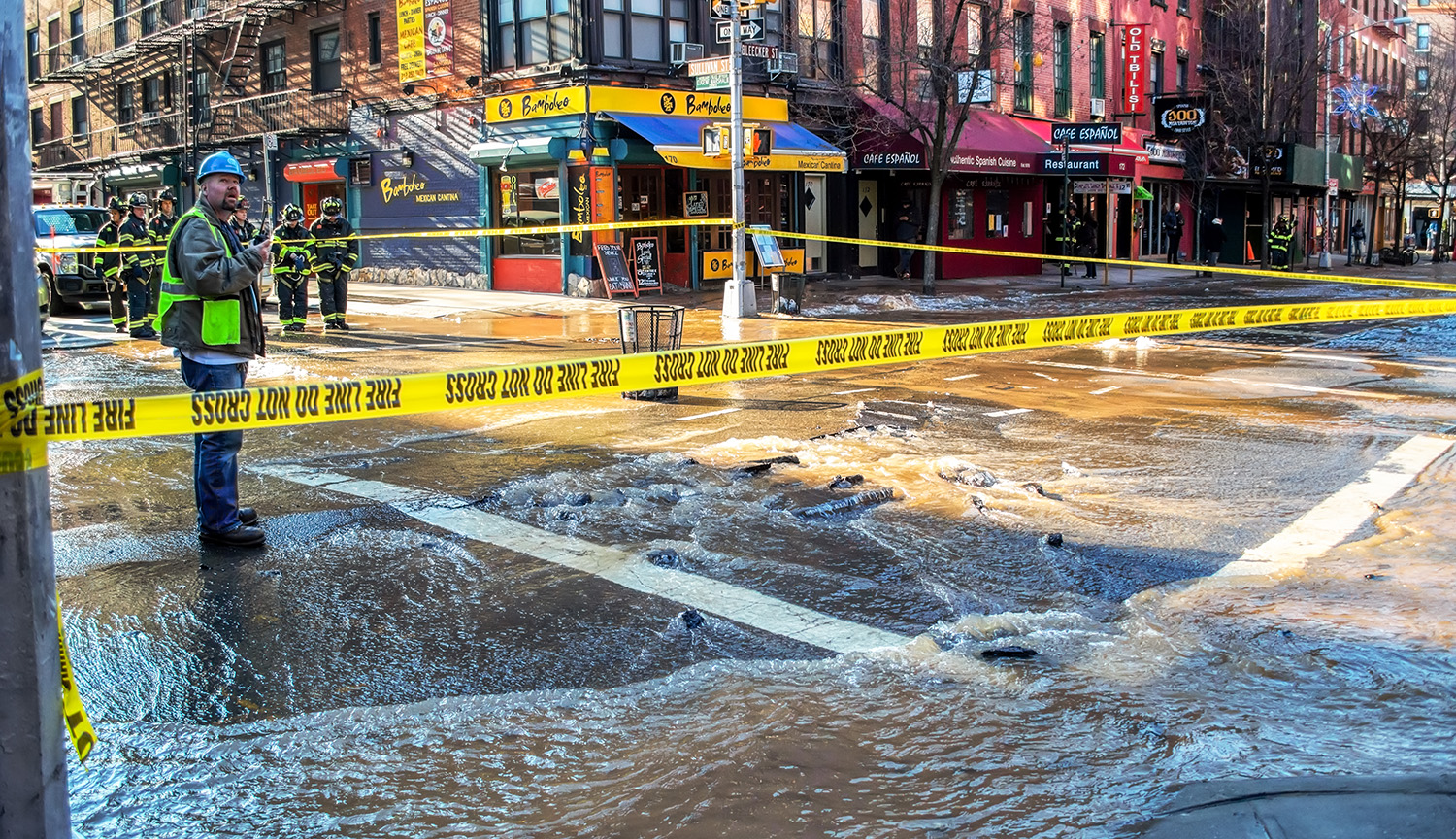
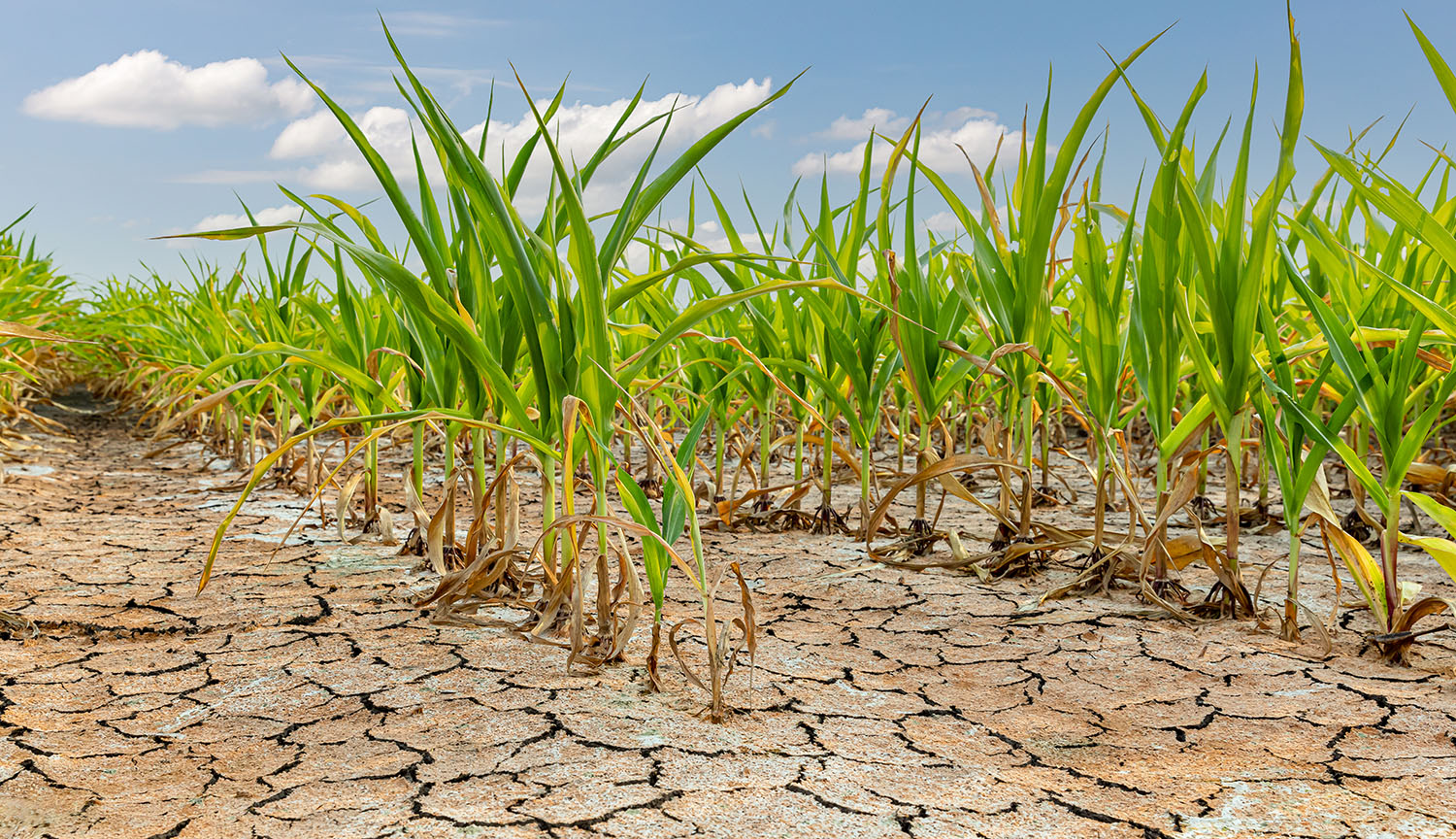
Miles away from the ocean, projects are afoot to clean up salty groundwater and use it to grow crops. Some say it’s a costly pipe dream, others say it’s part of the future.
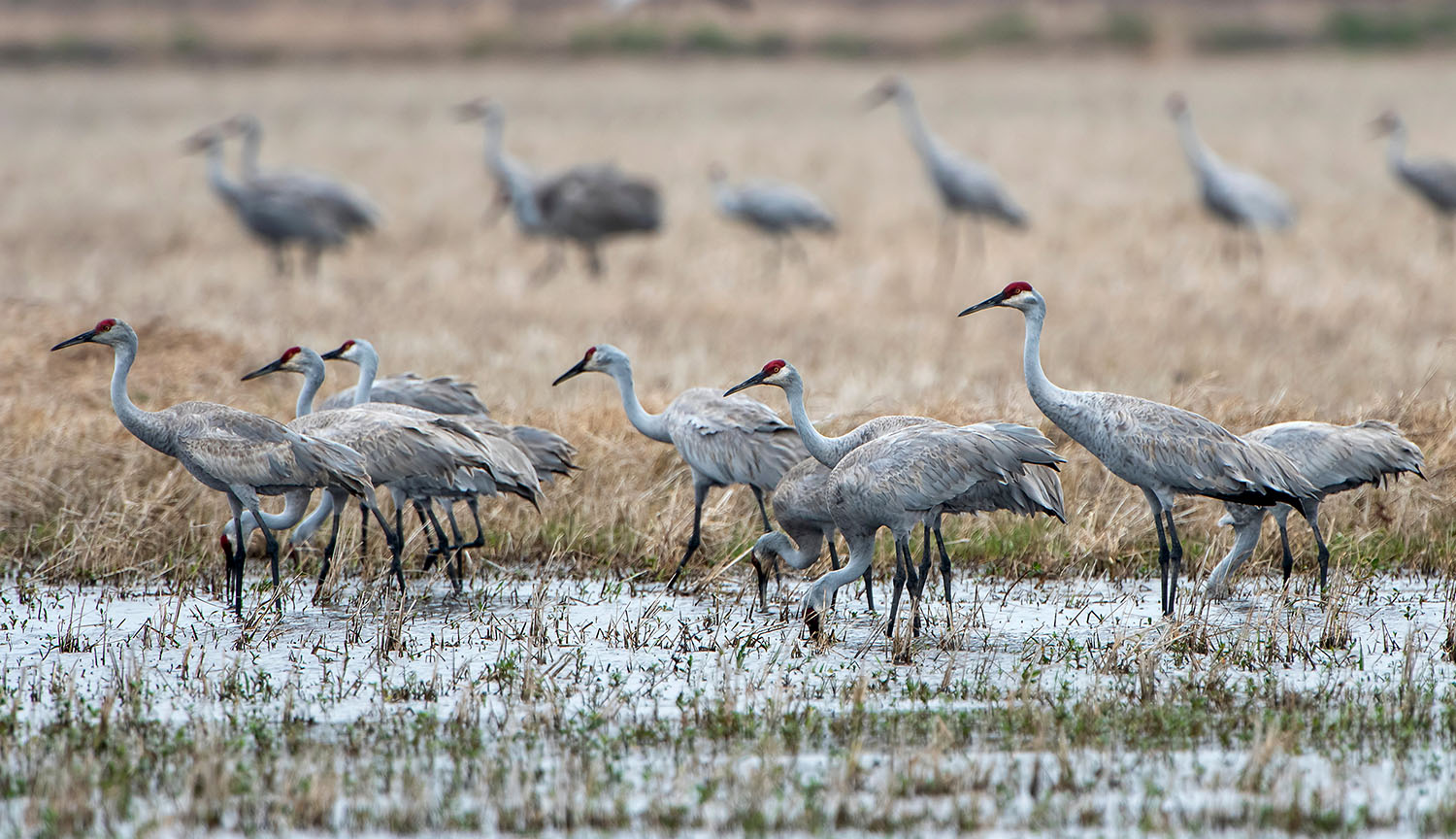
Cranes, sandpipers, ducks, geese and many other waterbirds have lost essential rest stops along their seasonal migration routes. Bird-friendly agriculture can assist in filling the gaps.
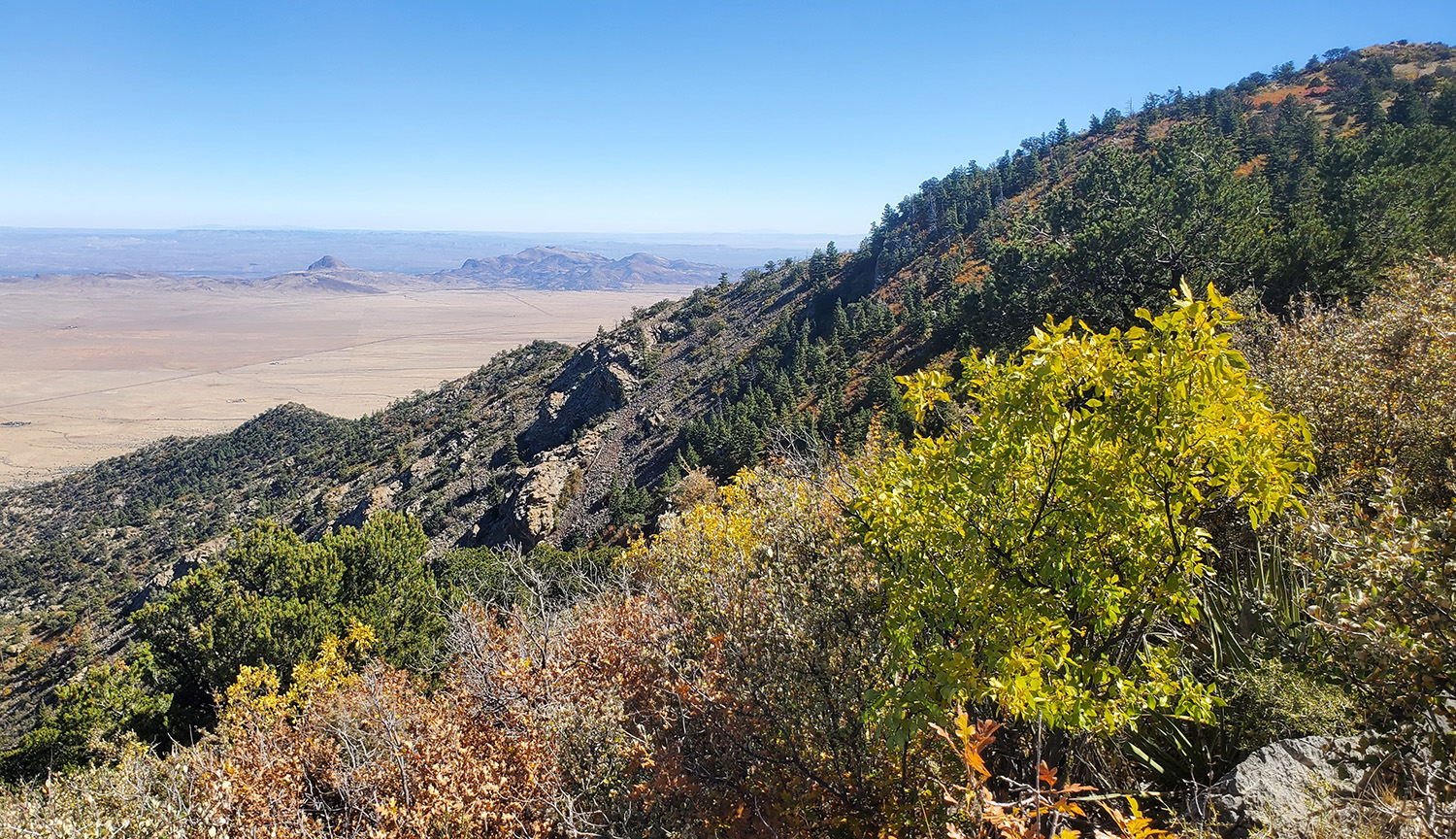
OPINION: Isolated mountaintops are hotbeds of evolutionary adaptation and great places to study how climate change affects ecosystems
Close X
This is not a paywall.
Knowable Magazine is free to read. But just because our articles are free to read doesn’t mean they are free to produce. If you value our trustworthy science journalism, please support it with a donation.