cookies to track usage and preferences."
data-cookieaccepttext="I UNDERSTAND"
data-cookiedeclinetext="Disable Cookies"
data-cookiepolicytext="Privacy Policy">
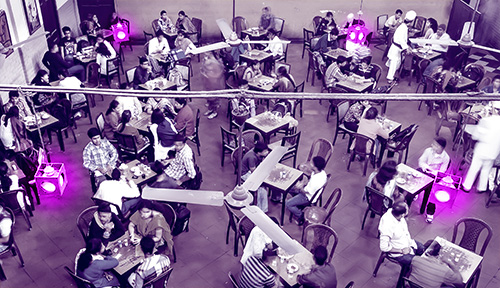
Some wavelengths of light in a range called far-UVC kill microbes in experiments and appear to be harmless to people. Could they be used to make indoor spaces safer against the coronavirus?
In Nevada and other US states, entrepreneurs are anticipating the coming boom in retired lithium-ion batteries from electric cars and hoping to create a market for recycled minerals
Marketed to meat lovers, plant-based burgers like Impossible and Beyond claim to taste like the real thing and to have far lighter environmental footprints. Here’s what the numbers have to say.
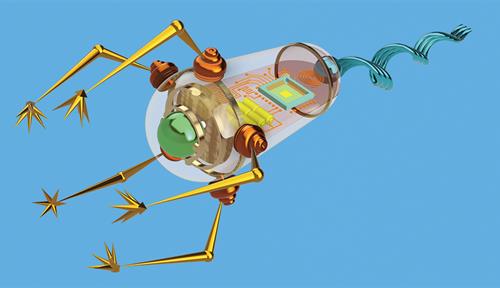
What would it take to create a truly intelligent microbot, one that can operate independently? A roboticist describes the fascinating minutiae and the medical jobs these tiny machines could do for us.
Specialized glass that keeps heat in during winter and lets it out during summer could make buildings much more efficient — if costs and complexities don’t get in the way
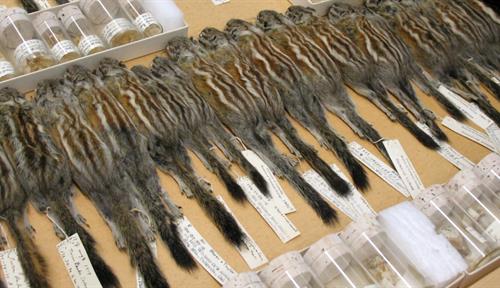
The world’s natural history collections hold billions of biological specimens, many of which still contain DNA. Scientists exploring these genetic repositories are gaining new, historical perspectives on how animals evolve.
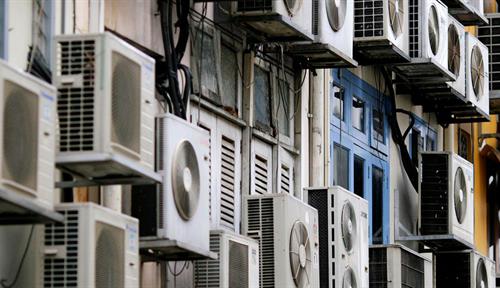
ACs and refrigerators help keep people safe — but they also further warm the planet. Scientists are working on eco-friendlier solutions as global demand for cooling grows.
PODCAST: They started out so small, one could fit on the palm of your hand, but to make groundbreaking discoveries, physicists had to think really big — as in, vast machines with the power and capacity to reveal the tiniest building blocks of our universe (Season 2/Episode 5)
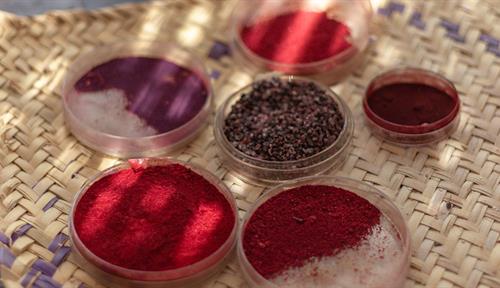
Carminic acid is a bright, natural coloring used in some cosmetics and foods. It’s traditionally sourced from ‘farming’ an insect on acres of prickly pears. Today, scientists are moving to engineer it in microbes.
Featuring ingots, shipwrecks, pharaohs and an international trade in colors, the material’s rich history is being traced using modern archaeology and materials science
Substances that persistently luminesce are already used in some bike lanes, and in the future could be applied to sidewalks, streets and buildings — saving energy and reducing urban heat
Close X
This is not a paywall.
Knowable Magazine is free to read. But just because our articles are free to read doesn’t mean they are free to produce. If you value our trustworthy science journalism, please support it with a donation.