cookies to track usage and preferences."
data-cookieaccepttext="I UNDERSTAND"
data-cookiedeclinetext="Disable Cookies"
data-cookiepolicytext="Privacy Policy">
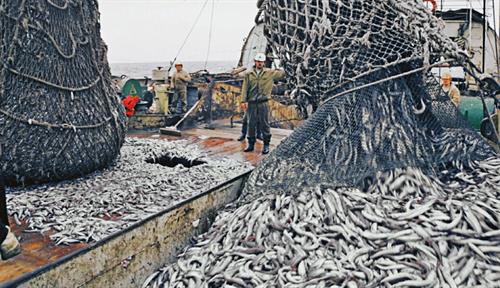
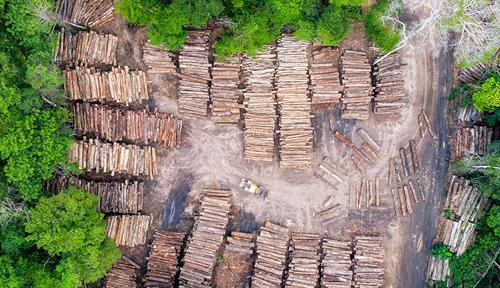
Evidence that the approach helps to save trees, preserve ecosystems and reduce carbon emissions is often hard to come by. But it can succeed if it’s done right, says an economist.
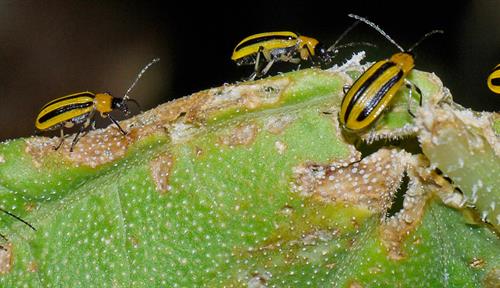
These stealthy survival tactics could teach us how to curb the widespread use of chemical pesticides in agriculture. But first, researchers must learn how seemingly helpless flora deploy this masterful strategy.
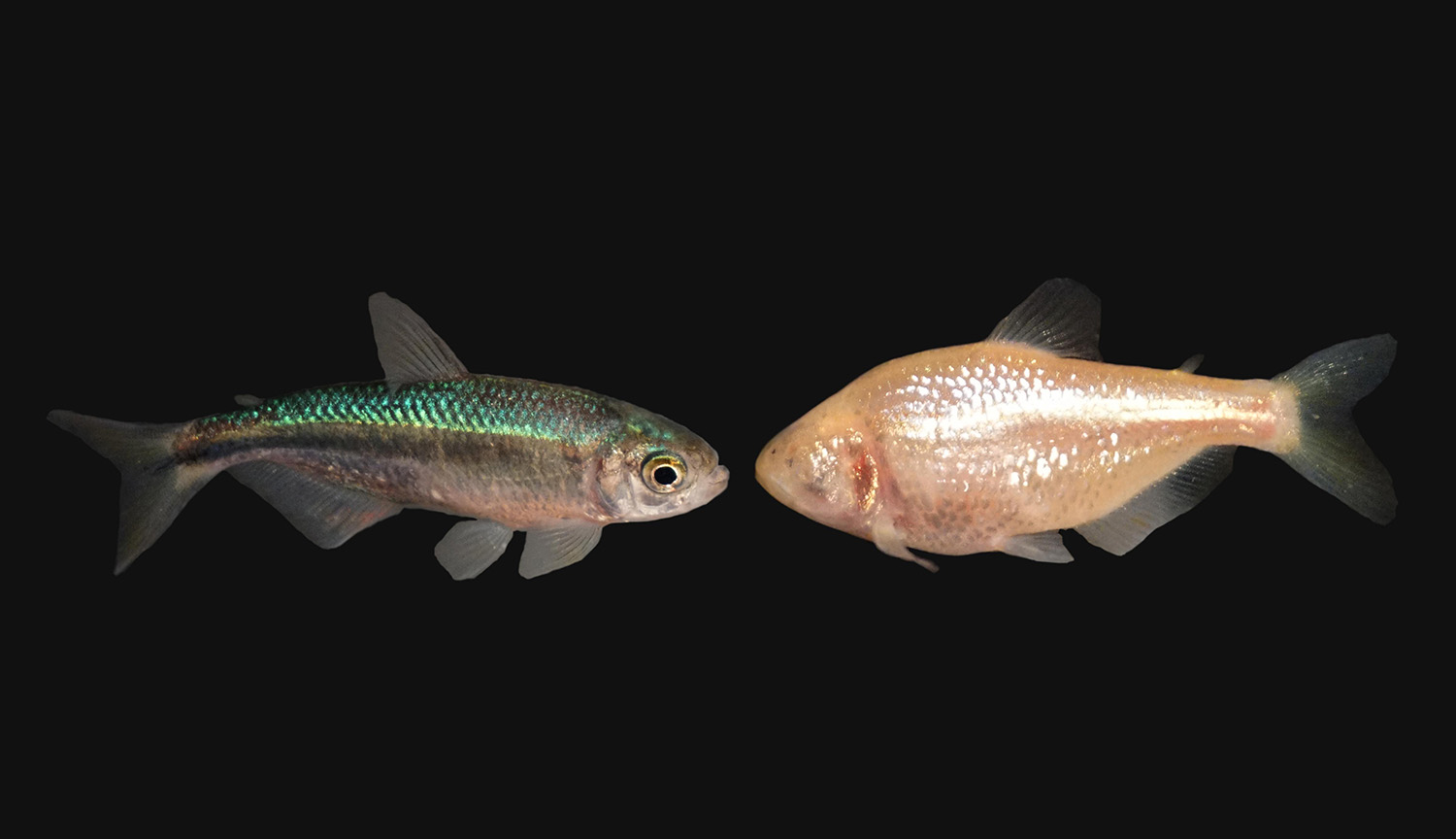
Mexican tetras that got swept into pitch-black caverns had no use for the energetically costly organs. They lost their eyes in multiple ways — and gained some nifty traits too.
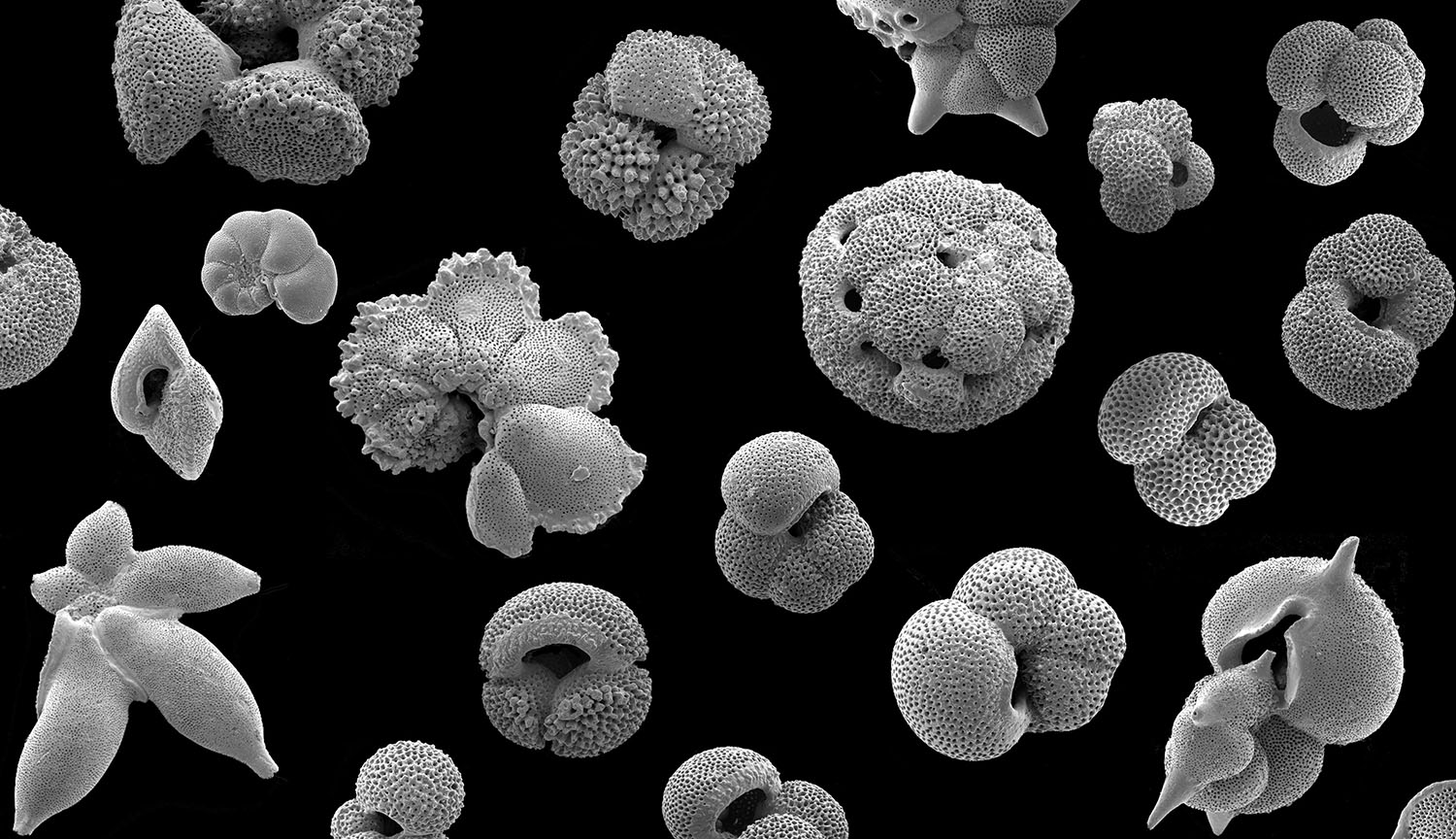
Bountiful remains of foraminifera reveal how organisms responded to climate disturbances of the past. They can help predict the future, too.
Close X
This is not a paywall.
Knowable Magazine is free to read. But just because our articles are free to read doesn’t mean they are free to produce. If you value our trustworthy science journalism, please support it with a donation.