cookies to track usage and preferences."
data-cookieaccepttext="I UNDERSTAND"
data-cookiedeclinetext="Disable Cookies"
data-cookiepolicytext="Privacy Policy">
VIDEO: Join a conversation about the teenage brain’s strengths and vulnerabilities, how adults can support teenagers with mental health issues, and how teens can help one another
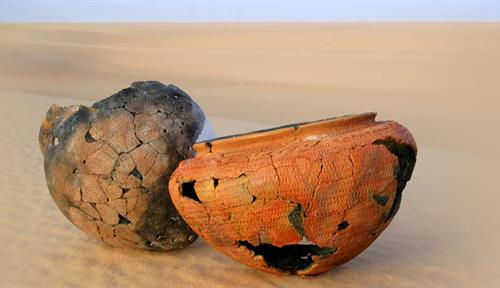
Remnants of molecules and microbes in shards of cooking pots help researchers reconstruct prehistoric cuisines. On the menu: stews, cheese and fermented drinks.
Researcher Arun Agrawal has lived three decades on either side of a watershed: the United Nations Framework Convention on Climate Change, signed 30 years ago this June. His 60 years are a window into how far we have come, and how far there is to go.
A mysterious kidney disease is just one of the many health risks faced by immigrant laborers. In a Q&A, occupational health expert Marc Schenker discusses the hazards and a few potential solutions.
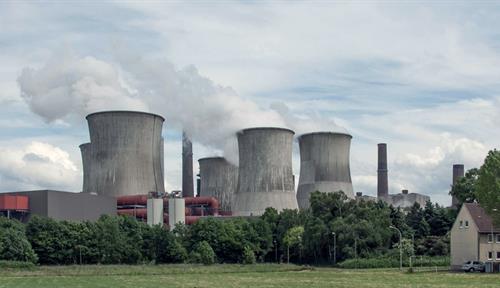
To slow or stop global warming, the world agrees it must cut carbon dioxide emissions. But monitoring each nation’s output of greenhouse gases is not always straightforward.
A few hours here, a few hours there. At home, or somewhere else. Alternative work can be a great deal or it can leave you unprotected, as management scholar Lindsey Cameron explains in a Q&A.
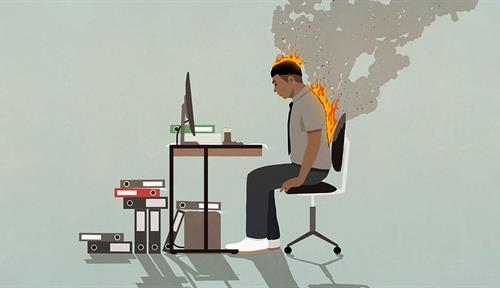
Trendy office layouts. Performance reviews that crush morale. There’s plenty of evidence on how to get the best out of workers, but businesses often ignore it.
Criminologist Charis Kubrin has spent more than a decade researching the effects of immigration on law and order. She’s finding that it takes more than data to make her case.
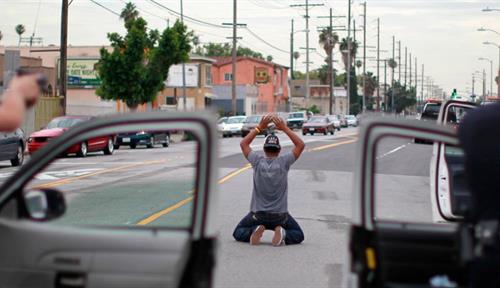
Start with real-world data. Team up scholars and law enforcers. Focus on behaviors and situations. A coalition’s anti-bias work sheds light on a way forward.
VIDEO: In the US today, prisons are an entrenched part of the criminal justice system, yet they are a relatively modern way of dealing with crime. How have society’s attitudes toward punishment shifted over time and why does it matter? Join us for a free online event on Wednesday, March 23.
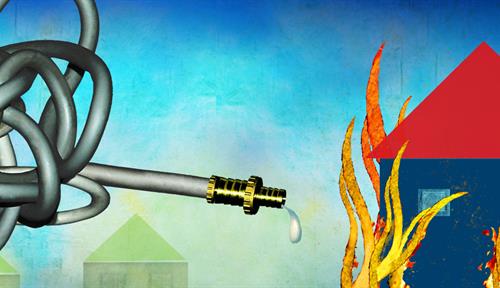
Economists tracking changes post-recession say safeguards should reduce the vast vulnerabilities seen 10 years ago. But putting out fires may be harder.
The only way for humanity to solve its environmental problems may be to abandon our quest for continual economic expansion. It’s time to study what a future of degrowth might look like, some researchers say.
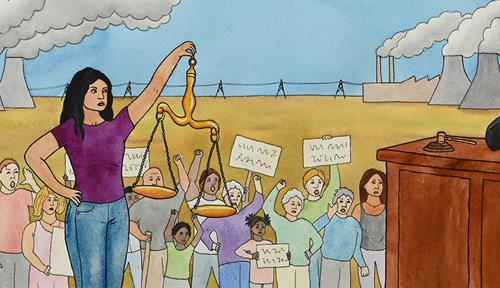
Lawsuits against emissions-spewing governments and fossil fuel companies have established themselves as a key tool in the battle against climate change, but they aren’t always successful
New technologies to predict spoilage time could slash the massive waste between farm and fork
Close X
This is not a paywall.
Knowable Magazine is free to read. But just because our articles are free to read doesn’t mean they are free to produce. If you value our trustworthy science journalism, please support it with a donation.