cookies to track usage and preferences."
data-cookieaccepttext="I UNDERSTAND"
data-cookiedeclinetext="Disable Cookies"
data-cookiepolicytext="Privacy Policy">
Differences between the immune systems of males and females — in particular, ones involving cells called microglia — might help explain why the risk for conditions such as autism and Alzheimer’s varies between the sexes
How we want to be perceived influences how we act, and that presents persuasion opportunities. But the social factors involved are not easy to unravel.
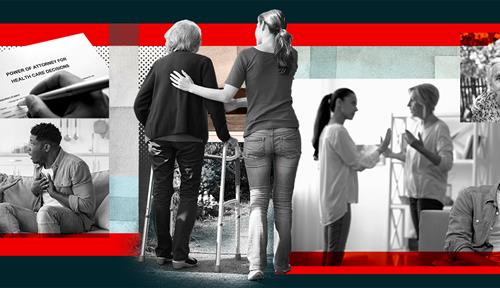
Collaboration is vital when caring for an aging parent. Yet there are many stumbling blocks to good teamwork, from unequal division of tasks and differing perceptions of a parent’s needs to old, lingering resentments.
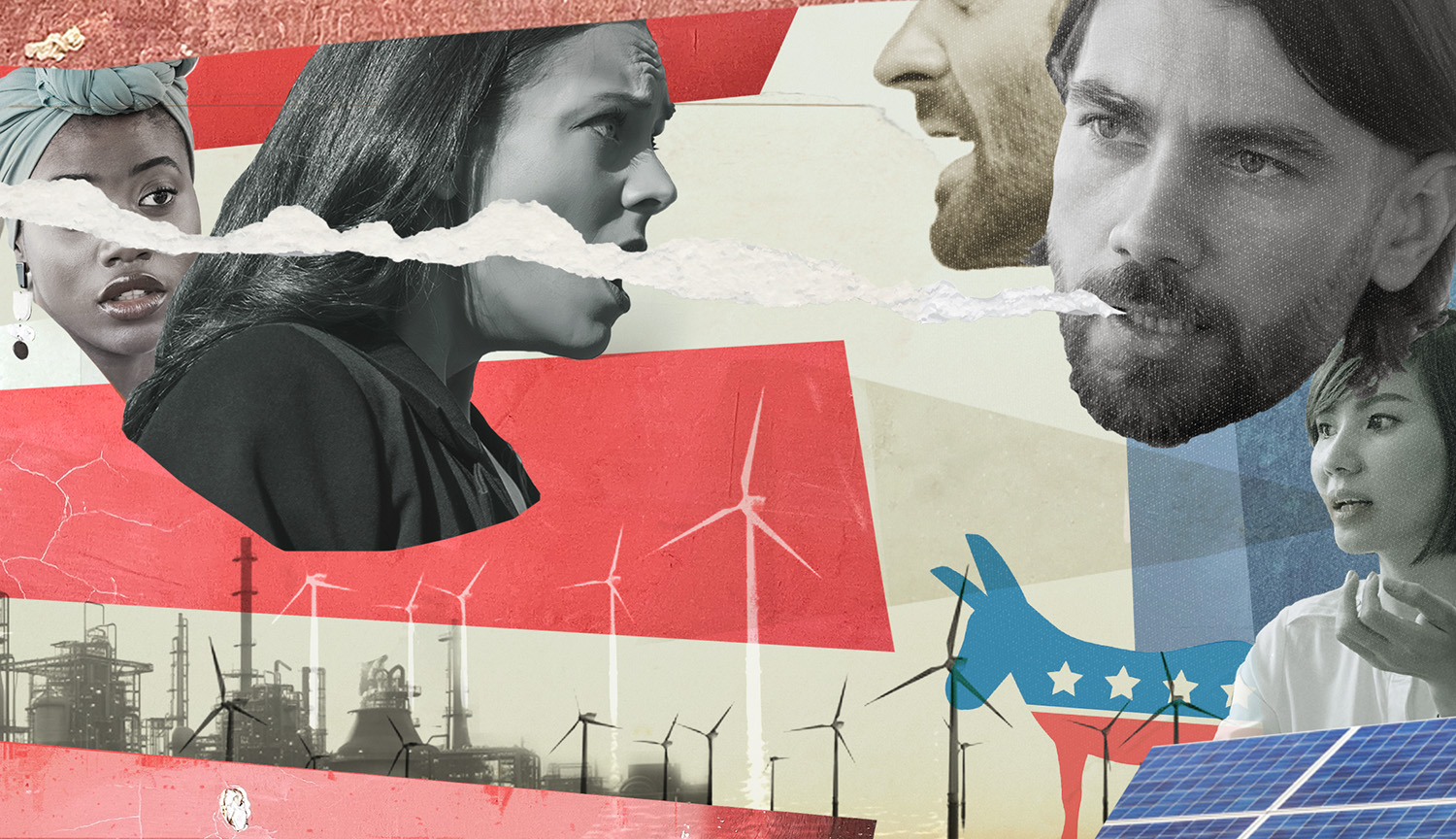
Empathy is a skill that can be learned and enhanced. But it has its limits, and can even promote conflict. Here’s what some experts say about how it works.
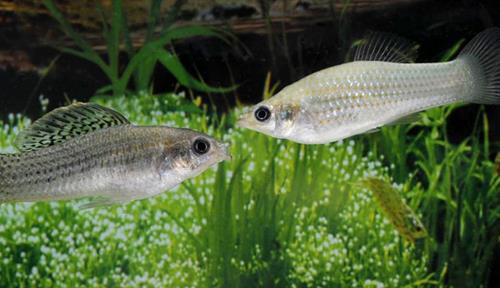
Individual behavior patterns may skew studies. A new approach called ‘STRANGE’ could help, by taking into account the habits, tendencies and life experiences of the creatures under scrutiny.
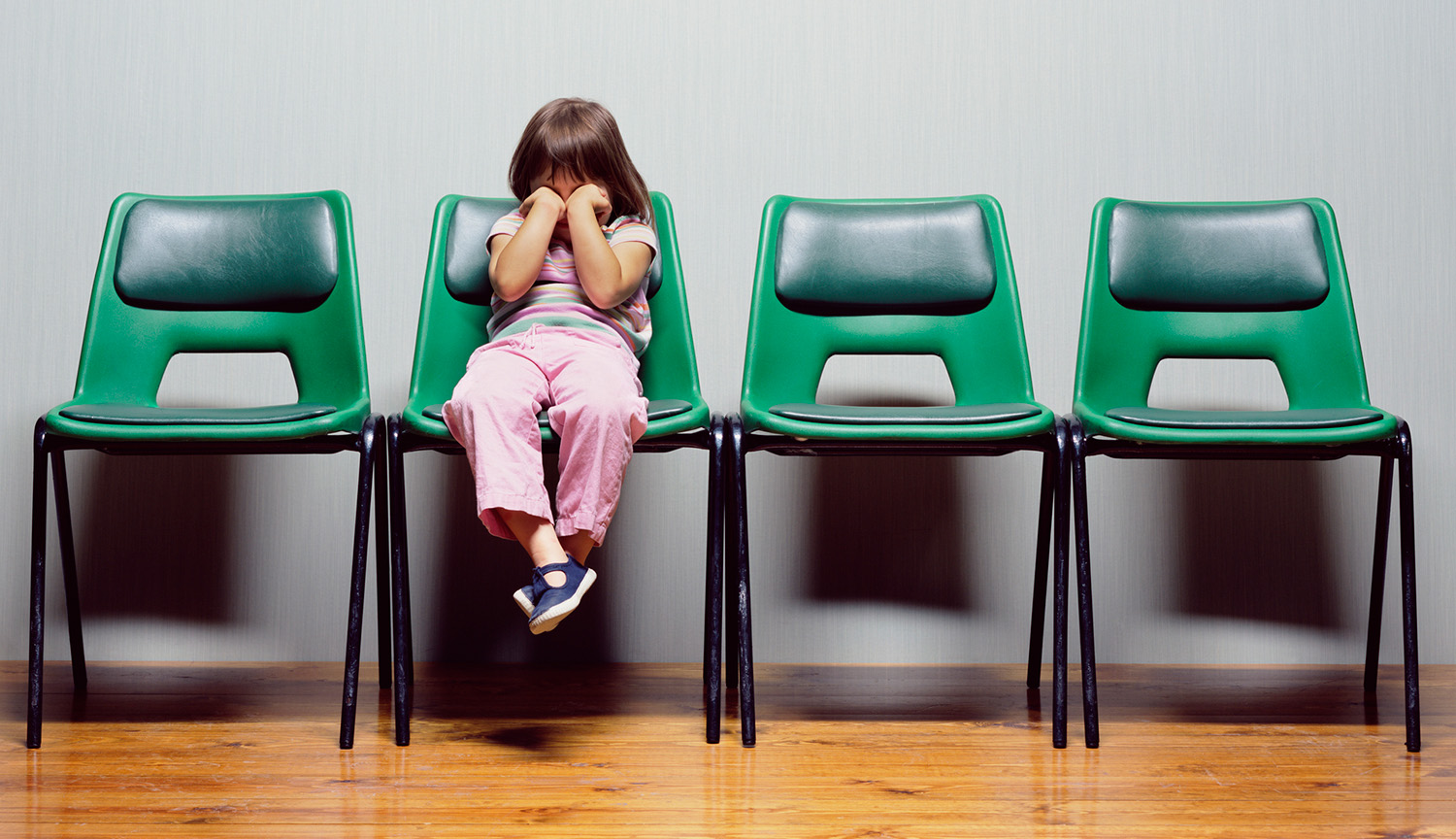
Kids with disruptive mood dysregulation disorder have explosive outbursts well past toddler age. Scientists are trying to work out the causes and what treatments help.
The strain of life — from everyday conflicts to major losses — can stretch our well-being to the breaking point. Here’s what scientists know, and still don’t know, about the stress-illness connection.
Trendy office layouts. Performance reviews that crush morale. There’s plenty of evidence on how to get the best out of workers, but businesses often ignore it.
Thinking of others enhances your well-being, while selfishness just adds to stress, studies show
Close X
This is not a paywall.
Knowable Magazine is free to read. But just because our articles are free to read doesn’t mean they are free to produce. If you value our trustworthy science journalism, please support it with a donation.