cookies to track usage and preferences."
data-cookieaccepttext="I UNDERSTAND"
data-cookiedeclinetext="Disable Cookies"
data-cookiepolicytext="Privacy Policy">
Substances that persistently luminesce are already used in some bike lanes, and in the future could be applied to sidewalks, streets and buildings — saving energy and reducing urban heat
Today’s astounding computing power offers great potential for reducing crime, but a criminologist says law enforcement has yet to find ways to fully tap it.
PODCAST: Replacing or assisting the human heart with a machine would save countless lives. But the quest to build an artificial heart has had many gruesome missteps and caused researchers to reimagine how to keep our blood flowing. (Season 1/Episode 2)
A few hours here, a few hours there. At home, or somewhere else. Alternative work can be a great deal or it can leave you unprotected, as management scholar Lindsey Cameron explains in a Q&A.
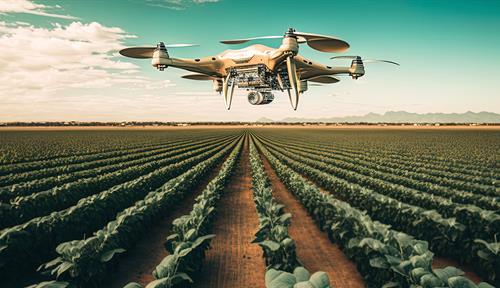
The technology could transform how growers protect their harvests, by detecting plant diseases very early on. But the challenge is to develop tools that are as affordable as they are effective.
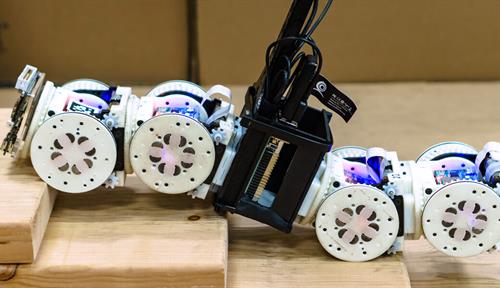
Robot researcher Mark Yim offers a look inside the promising field of modular reconfigurable robotics — bots that can shift form to tackle an array of tasks
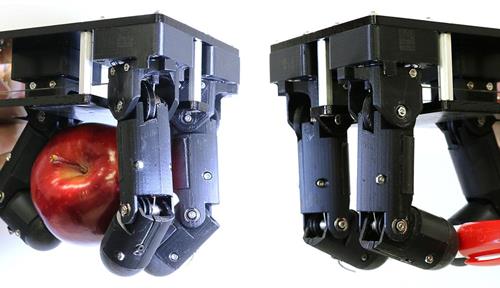
We can readily manipulate all kinds of objects; for them, versatility is a huge struggle. They need better mechanics — and a lot more of the intelligence that goes into handling things.
Genetic advances may make it possible to grow transplantable tissues in other species. That could solve immunity and availability issues, but raises ethical concerns.
Close X
This is not a paywall.
Knowable Magazine is free to read. But just because our articles are free to read doesn’t mean they are free to produce. If you value our trustworthy science journalism, please support it with a donation.