cookies to track usage and preferences."
data-cookieaccepttext="I UNDERSTAND"
data-cookiedeclinetext="Disable Cookies"
data-cookiepolicytext="Privacy Policy">
A few rare viruses can reach the fetus when pregnant women are infected, with tragic result. As explored in this Q&A, researchers are figuring out how the placenta acts as protector and how some pathogens slip through.
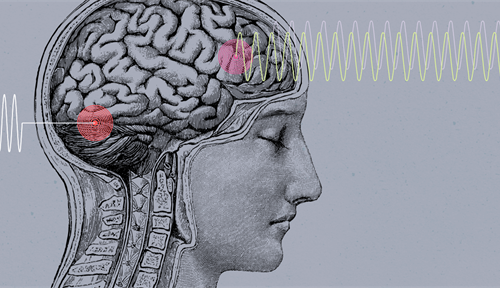
Ultrasound isn’t just for images. Sonogenetics and other promising technologies let researchers use focused sound waves to control genes and entire cells deep in the tissues of living animals, without surgery.
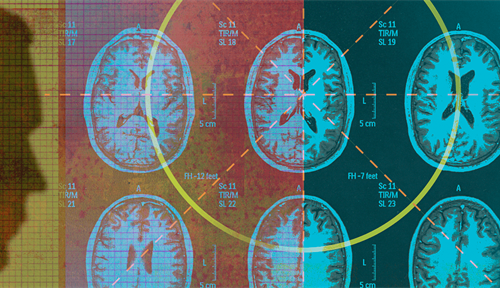
New blood assays and brain scans are among the biomarkers revolutionizing clinical trials and changing the way researchers think of the disease. They may soon change the way patients are treated as well.
The field has long been more mice than men. New technologies and systems-based approaches with human cells may soon fill gaps in our understanding of autoimmune disease and health, Mark Davis says in a Q&A.
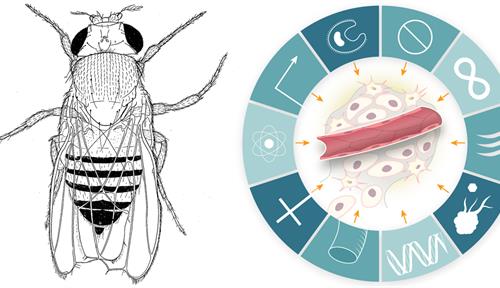
Researchers helped mice stay mighty with an experiment to counter the effects of microgravity. The gene treatment might also enhance muscle and bone health on Earth — and in humans.
Genetic advances may make it possible to grow transplantable tissues in other species. That could solve immunity and availability issues, but raises ethical concerns.
A gaggle of biotech start-ups are trying vastly different approaches to spin animal studies into the next big anti-aging therapy. It’s too early to know which, if any, will succeed.
As Covid-19 descended across the world, people sought refuge in gardens, parks and the woods. But it’s hard to measure how being in nature affects our well-being — and how we can best reap its rewards.
Close X
This is not a paywall.
Knowable Magazine is free to read. But just because our articles are free to read doesn’t mean they are free to produce. If you value our trustworthy science journalism, please support it with a donation.