Skip to content
cookies to track usage and preferences." data-cookieaccepttext="I UNDERSTAND" data-cookiedeclinetext="Disable Cookies" data-cookiepolicytext="Privacy Policy">
1932

Events

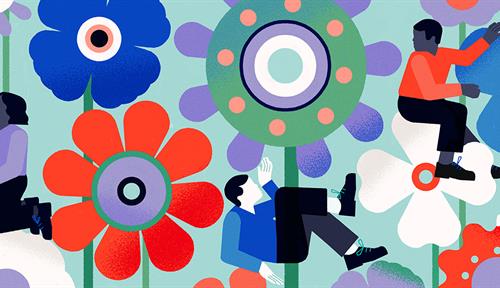
The secrets of cooperation

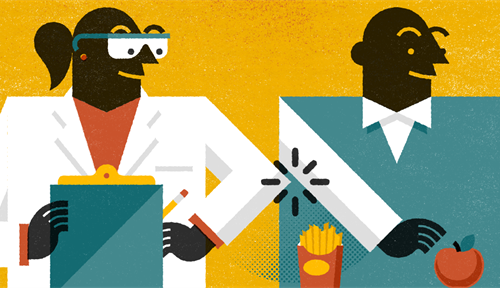
Most people care what others think of them. In many situations, that can be leveraged for the common good.

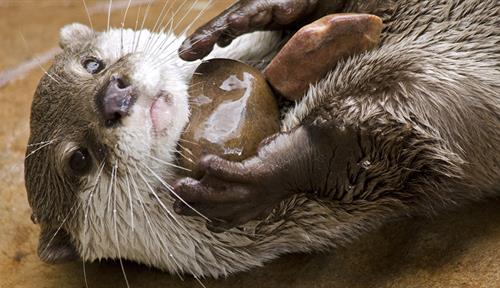
The puzzle of play

The purpose of play — for children, monkeys, rats or meerkats — has proved surprisingly hard to pin down. Scientists continue to toss around ideas.

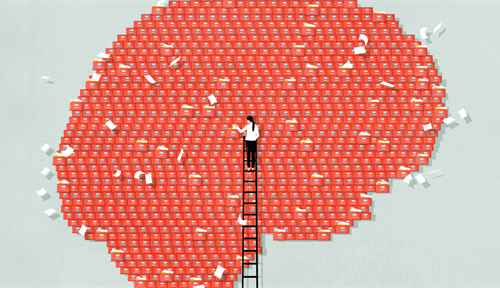
Why forgetting may make your mind more efficient

Evidence builds for ways that the brain actively erases memories

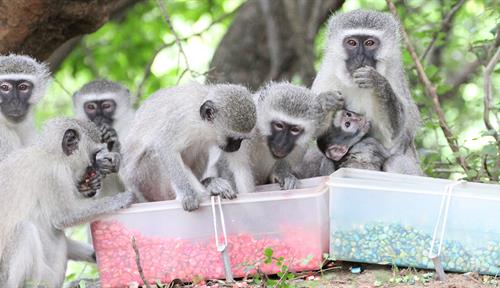
Cultural transmission makes animals flexible, but vulnerable

From monkeys washing potatoes to cockatoos raiding trash cans, socially spread behaviors allow creatures to adapt more rapidly to changing environments than conventional evolution would allow. But the traits are also more easily lost.

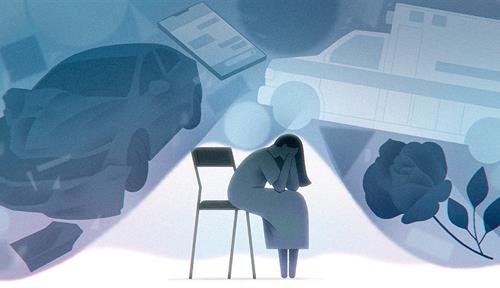
The lasting anguish of moral injury

Psychologists are finding that moral code violations can leave an enduring mark — and may require new types of therapy

The power of brands, conscious and unconscious

Economists explore the complex forces that shape what ends up in your shopping cart and how that might change in the online marketplace 

Living with chronic illness: Why some cope and others don’t

What helps some people diagnosed with cancer, heart disease or diabetes stay relatively happy and healthy, while others are devastated? Psychologist Vicki Helgeson explains the traits and mindsets that can make the difference.

Barista’s burden

The dark side of “service with a smile”

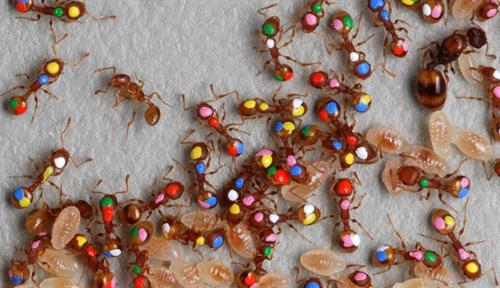
The mind of an anthill

Can we use the tools of psychology to understand how colonies of social insects make decisions?

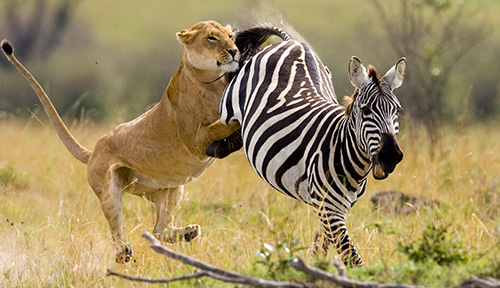
Do wild animals get PTSD? Scientists probe its evolutionary roots

Many creatures show lasting changes in behavior and physiology after a traumatic experience

Treating the growing trauma of family separation

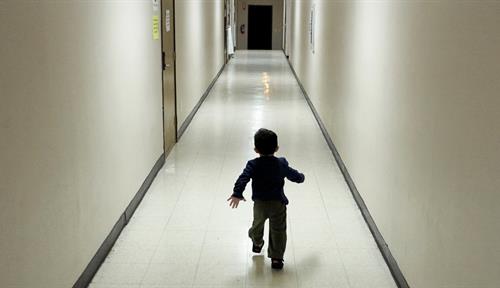
War, disasters, trafficking and immigration are tearing millions of children from their parents all around the world. A psychologist explores how to help them recover.

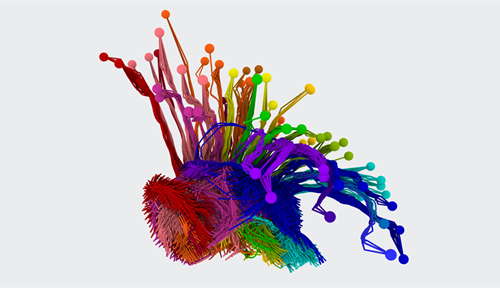
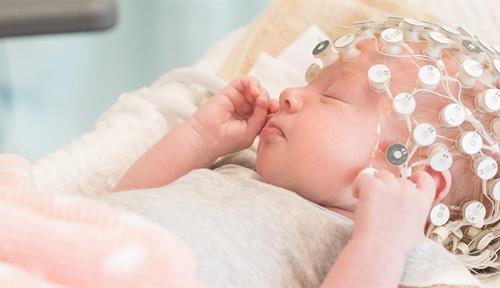
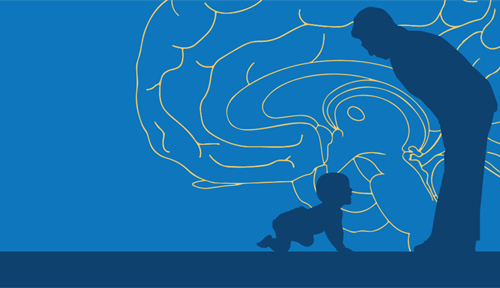
Zooming in on the brains of babies

New tools are helping neuroscientists investigate why early life is such a crucial time for neural development

Bad bosses: Dealing with abusive supervisors

From the boardroom to the basketball court, some managers rely on berating and bullying employees. Researchers have learned one thing: It doesn’t work.

The neurons that make us feel hangry

Neuroscientists think a cluster of cells in the brain that stimulate appetite could be a target for eating disorder therapies

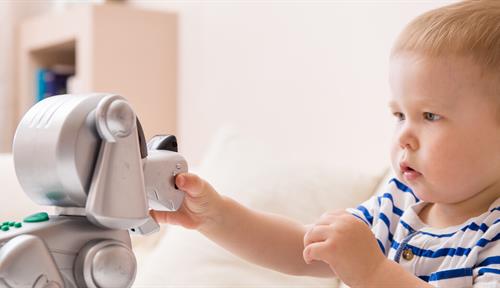
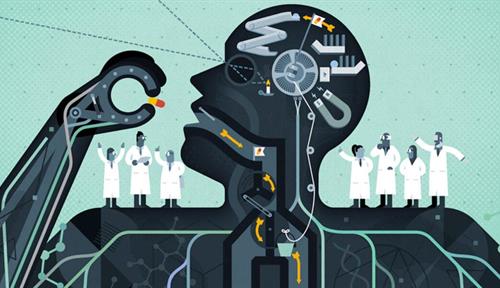
A robotic window on the human mind

Engineers aim to build machines that put people at ease. The effort reveals truths about ourselves.

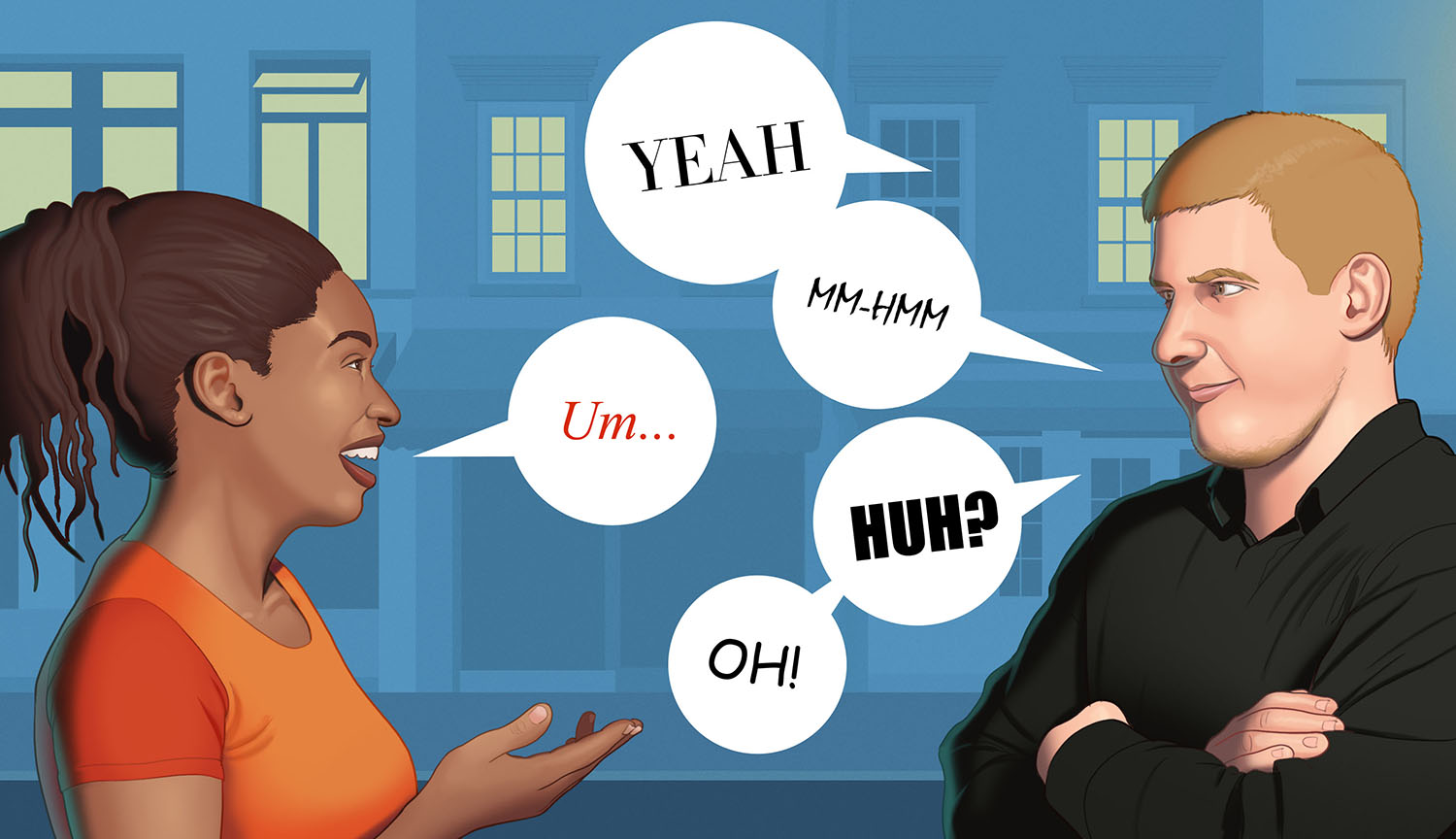
Huh? The valuable role of interjections

Utterances like um, wow and mm-hmm aren’t garbage — they keep conversations flowing

Reaching out to touch virtual reality

New technologies mean we won’t just see and hear digital information. We’ll also feel it.

A long-overlooked brain region may be key to complex thought

The thalamus has traditionally been viewed just as the brain’s sensory relay station. But it may also play an important role in higher-level cognition, MIT’s Michael Halassa explains in a Q&A.
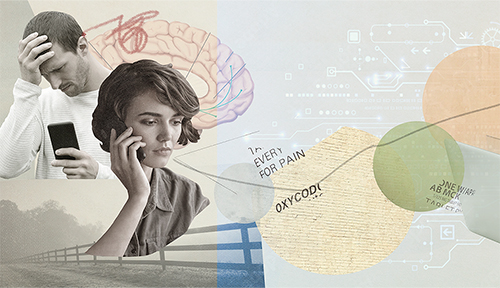
Does online opioid treatment work?

The Covid-19 pandemic brought a sudden shift to virtual health care. That has increased access — and possibly outcomes, too — for patients with opioid use disorder.

How learning happens in the brains of sleeping babes

Neuroscientists have long known that shut-eye helps consolidate memories in adults. Napping may play an equally crucial role in infants and young children.

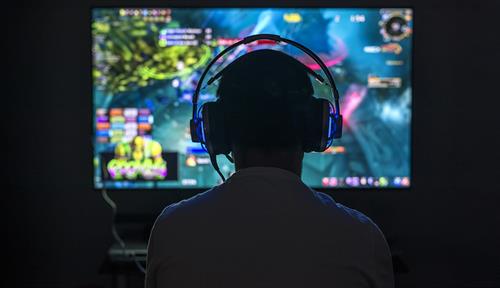
Can playing video games make you smarter?

OPINION: Research highlights six key principles for better learning

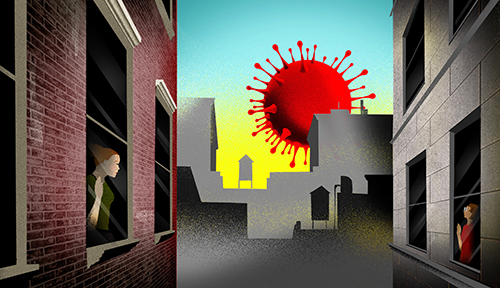
Pandemic psychology: Nothing new under the Sun

OPINION: Our behavior during Covid-19 echoes that of individuals, societies and governments during past plagues. We can and should do better.

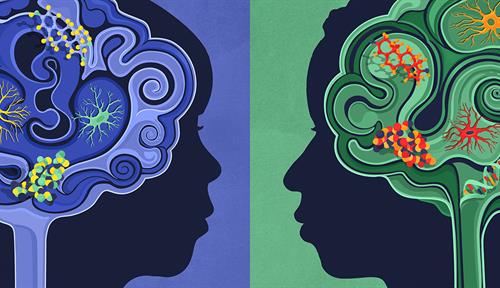
Sex, immunity and the brain

Differences between the immune systems of males and females — in particular, ones involving cells called microglia — might help explain why the risk for conditions such as autism and Alzheimer’s varies between the sexes

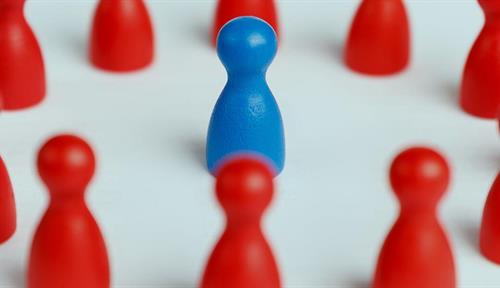
Feeling the pressure

How we want to be perceived influences how we act, and that presents persuasion opportunities. But the social factors involved are not easy to unravel.

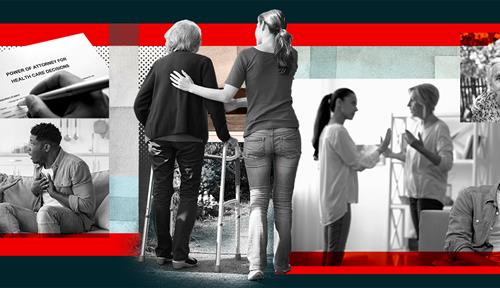
When siblings become caregivers

Collaboration is vital when caring for an aging parent. Yet there are many stumbling blocks to good teamwork, from unequal division of tasks and differing perceptions of a parent’s needs to old, lingering resentments.

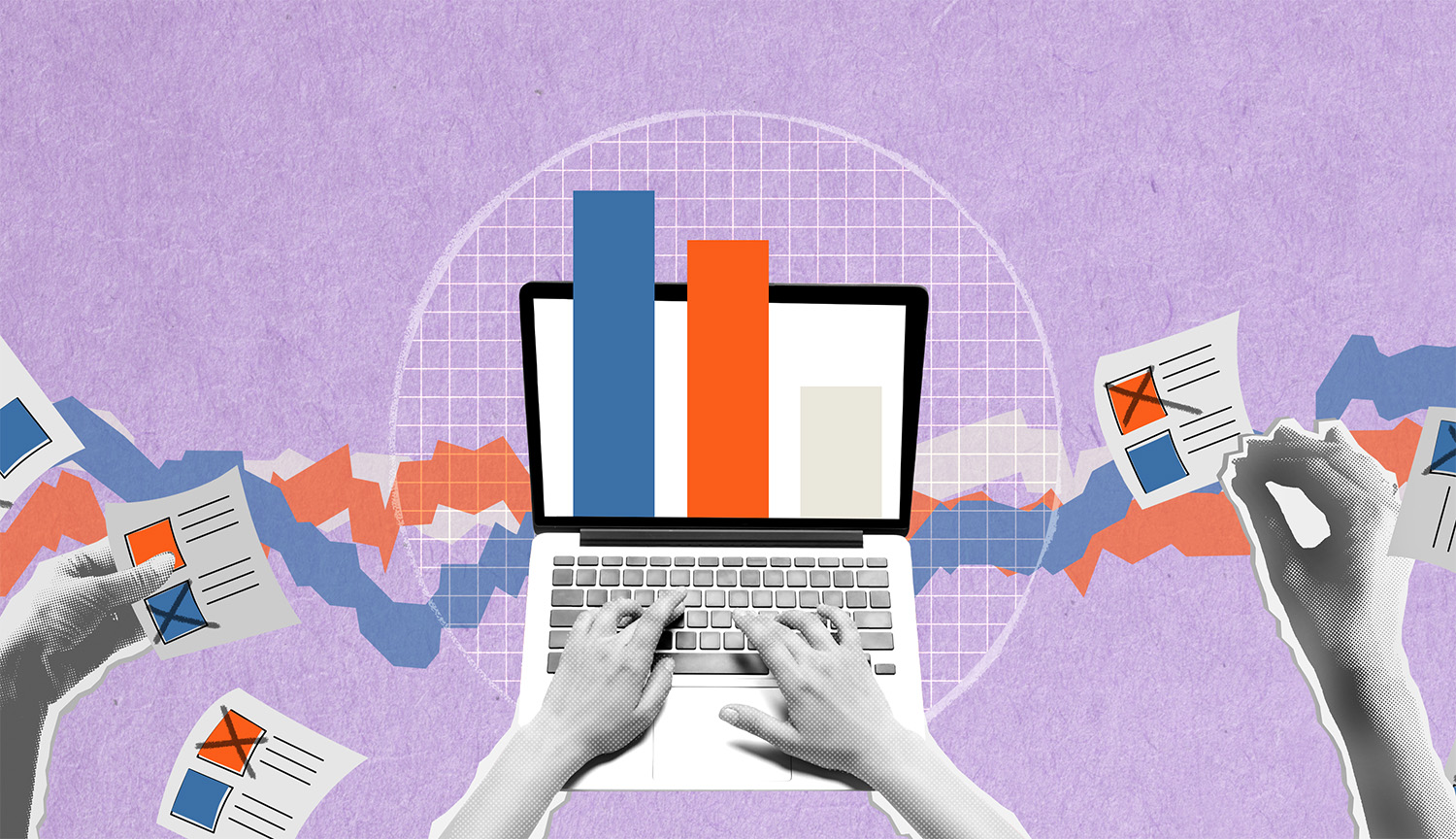
Can you believe the polls? It depends

A veteran of survey research explains why high-quality polling matters — and warns of the proliferation of shoddy gimmicks

5 things worth knowing about empathy

Empathy is a skill that can be learned and enhanced. But it has its limits, and can even promote conflict. Here’s what some experts say about how it works.

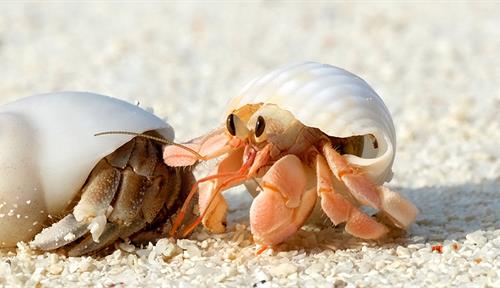
Animal personalities can trip up science, but there’s a solution

Individual behavior patterns may skew studies. A new approach called ‘STRANGE’ could help, by taking into account the habits, tendencies and life experiences of the creatures under scrutiny.

Revenge is bittersweet at best

Research is starting to reveal how the urge for vengeance may have evolved, when it can be useful and what could prevent the violence it can provoke

Rebranding placebos

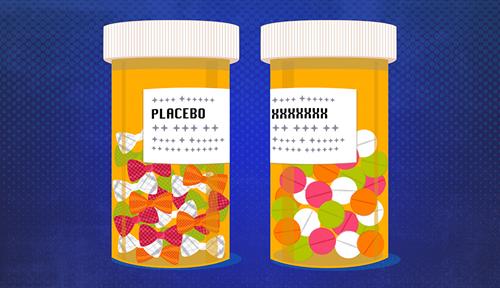
Harnessing the power of sham therapies for real healing might require a new lexicon

Quiet couples: Alone time together

The right kind of silence can be golden, revitalizing and strengthening a relationship

Nature, nurture and randomness

OPINION: More than genes and upbringing determine animal personalities: There’s a good dose of chance in the mix, too.

Severe irritability in children and teens: A new understanding

Kids with disruptive mood dysregulation disorder have explosive outbursts well past toddler age. Scientists are trying to work out the causes and what treatments help.

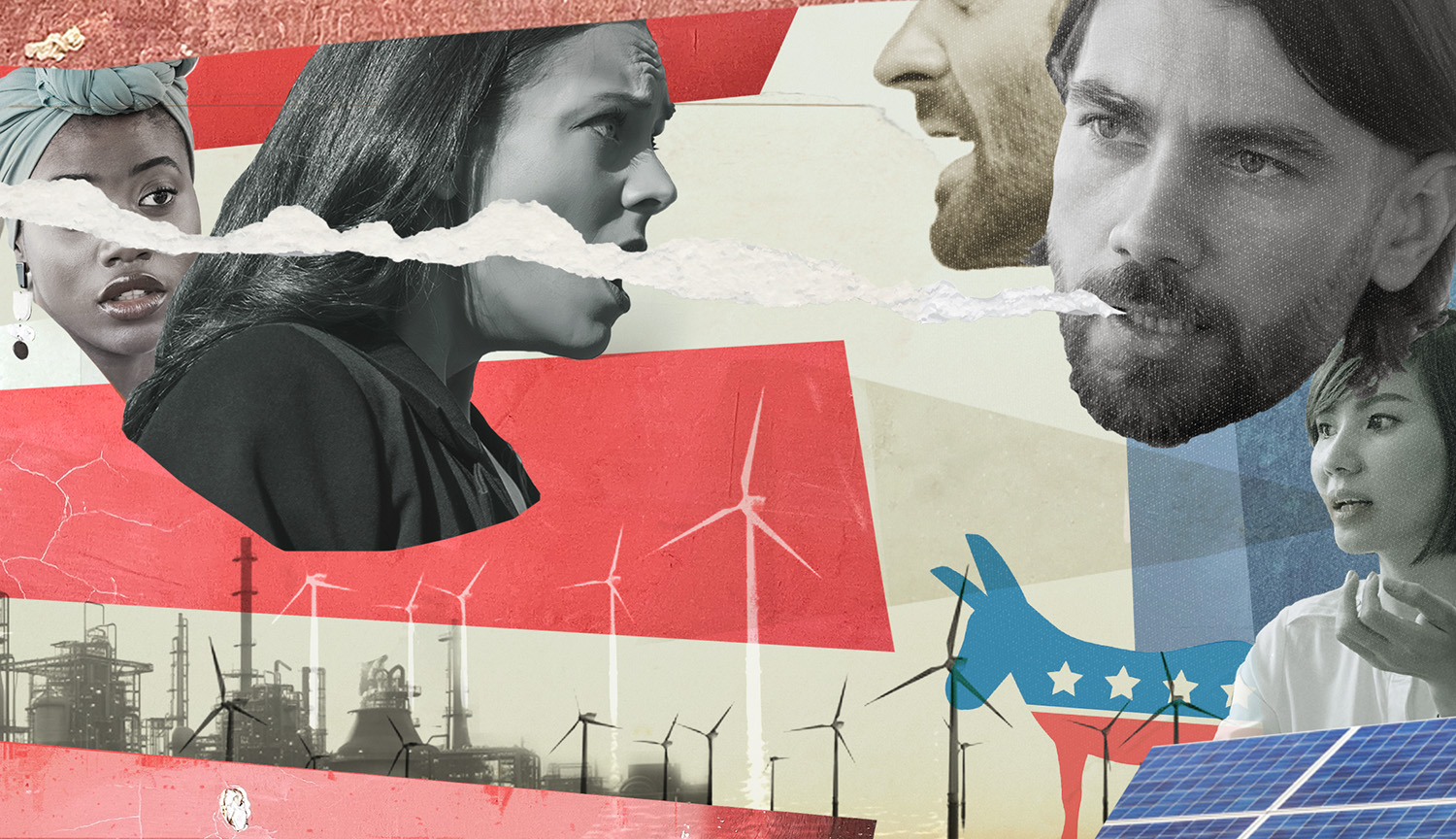
How to overcome political polarization on climate change

Conversations — in real life — can help bridge the partisan divide, but the trick is to have some structure to the discussion, says a human ecologist

Top 10 secrets about stress and health

The strain of life — from everyday conflicts to major losses — can stretch our well-being to the breaking point. Here’s what scientists know, and still don’t know, about the stress-illness connection.
The music moves us — but how?

The author of This Is Your Brain on Music talks about the very human ways the mind and body keep the beat.
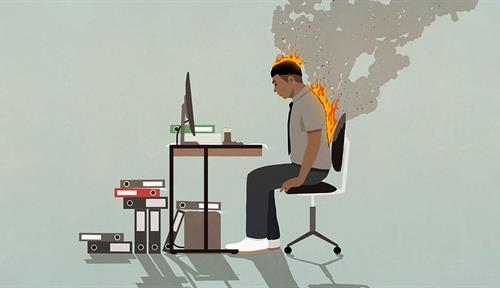
How to deal with work stress — and actually recover from burnout

Mindfulness, detachment, selecting off-time activities with care: Here are evidence-based strategies to achieve healthy work-life balance

Peering into the meditating mind

Some people swear by it, but studies of mindfulness have a long way to go

Is it time to bring data to managing?

Trendy office layouts. Performance reviews that crush morale. There’s plenty of evidence on how to get the best out of workers, but businesses often ignore it.

Do yourself a favor

Thinking of others enhances your well-being, while selfishness just adds to stress, studies show

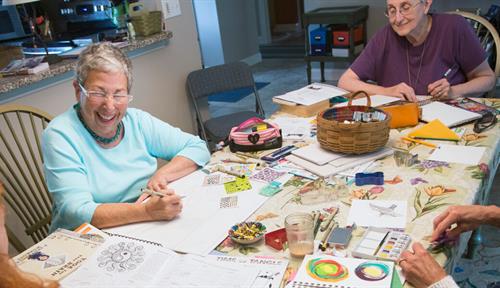
The mature mind: Aging resiliently

VIDEO: Connect with brain health experts about the best ways to cultivate resilience as we age, and how to support loved ones with memory loss and dementia

Nudging grows up (and now has a government job)

Ten years after an influential book proposed ways to work with — not against — the irrationalities of human decision-making, practitioners have refined and broadened this gentle tool of persuasion

How the placebo effect went mainstream

PODCAST: Sloppy by today’s standards, and maybe even back when it was published in 1955, Henry Beecher’s paper paved the way for sounder drug trials and pushed scientists to better understand how we process pain (Season 3, Episode 3)

Better therapy for Asian Americans

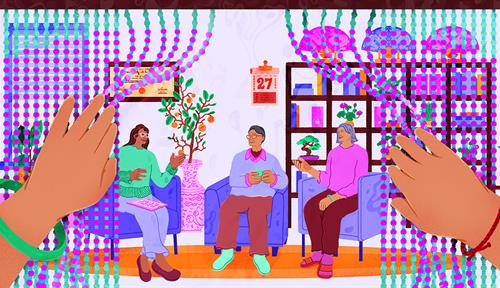
Most of today’s psychotherapies are grounded in Western values. Researchers hope that tailoring treatments to patients’ cultural backgrounds will improve mental health outcomes.

Emotions get better with age

As people grow older, they gain greater control of their feelings. How do they do that — and can they teach young whippersnappers a thing or two?

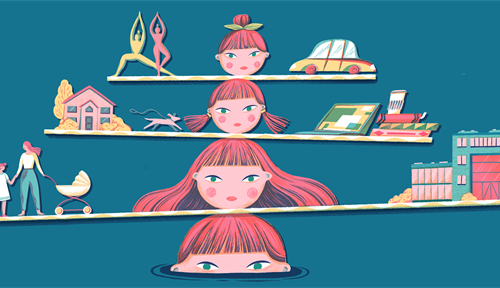
What will it take to fix work-life balance?

It’s time to toss out the idea that dedicated professionals must always be on the clock or that retail shops will founder if they standardize employee hours, legal scholar Joan Williams says in a Q&A. The data tell a different tale.

The science of a wandering mind

More than just a distraction, mind-wandering (and its cousin, daydreaming) may help us prepare for the future

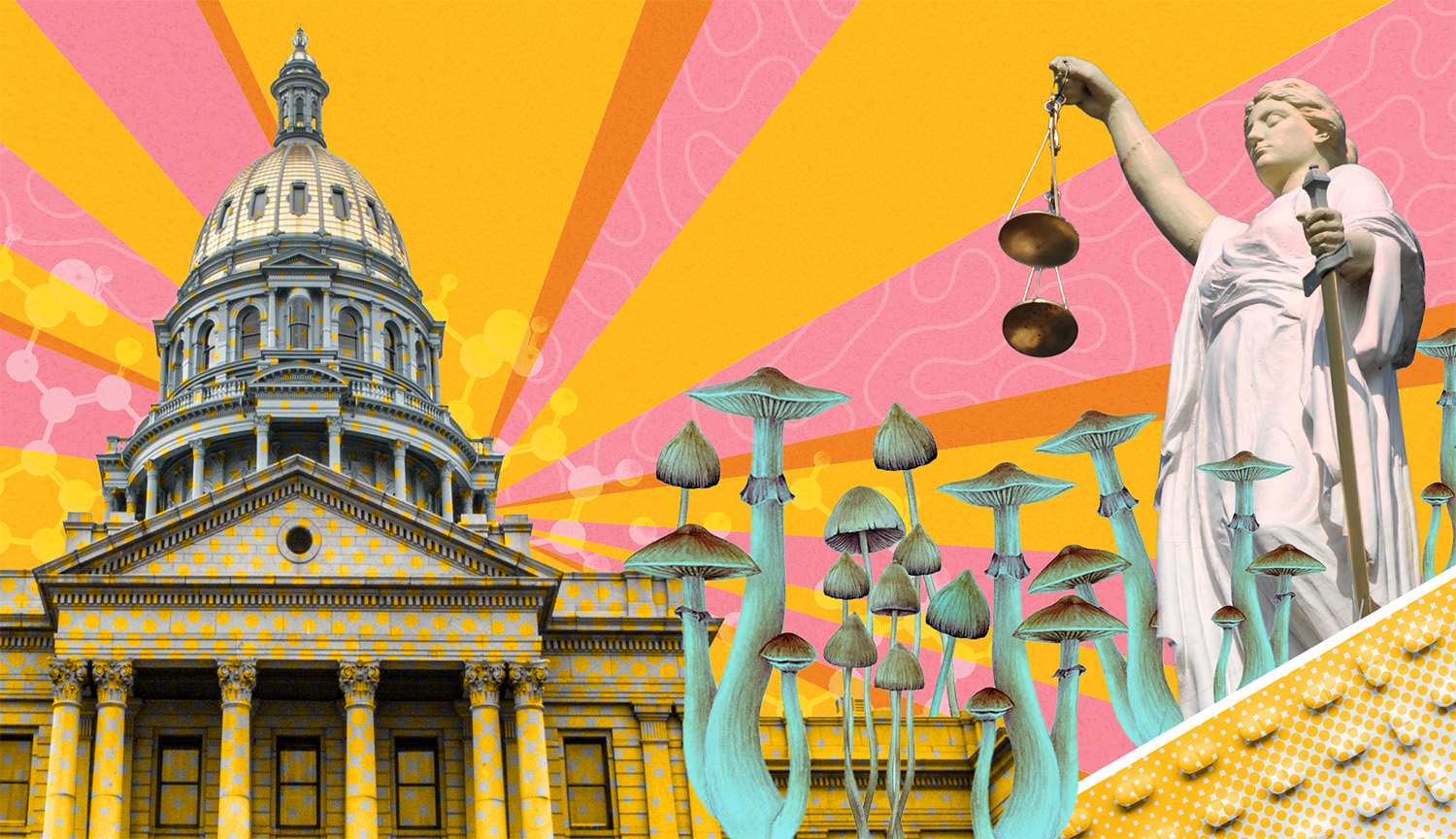
Psychedelic drugs and the law: What’s next?

The push to legalize magic mushrooms, MDMA, LSD and other hallucinogens is likely to heighten tensions between state and federal law, drug law expert Robert Mikos says

How antidepressants changed ideas about depression

PODCAST: Serendipitous discoveries led to drugs like Prozac and to new insights into the physical basis of this debilitating disorder. But scientists continue to search for deeper understandings and therapies that will bring relief to those who still struggle. (Season 2, Episode 6)

Speech interjections aren’t throwaway lines

PODCAST: Turns out, the best listener isn't quiet, as our host learns in a chat with two linguists. All those ums, ohs and mm-hmms have unexpected value.

This is a required field
Please enter a valid email address
Approval was a Success
Invalid data
An Error Occurred
Approval was partially successful, following selected items could not be processed due to error