cookies to track usage and preferences."
data-cookieaccepttext="I UNDERSTAND"
data-cookiedeclinetext="Disable Cookies"
data-cookiepolicytext="Privacy Policy">
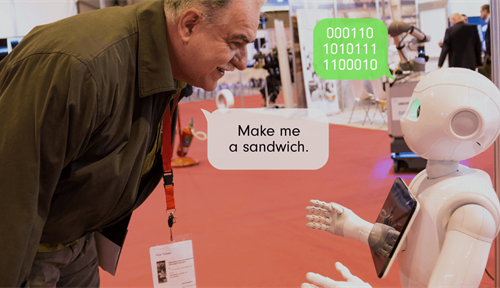
Machines might better understand our commands if they experienced our physical worlds, researchers say. That enhanced perception could sharpen their listening skills and improve performance.
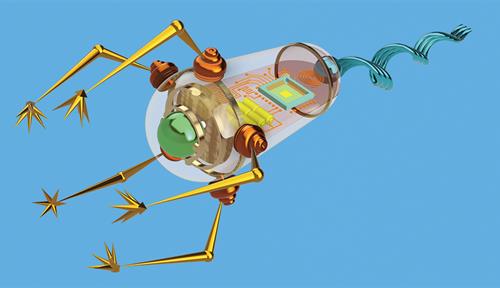
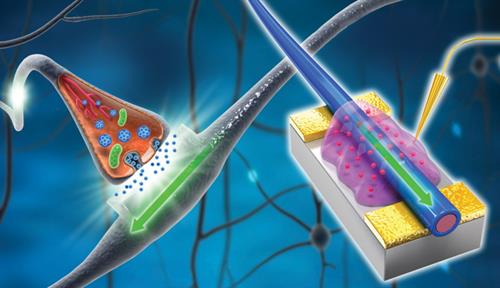
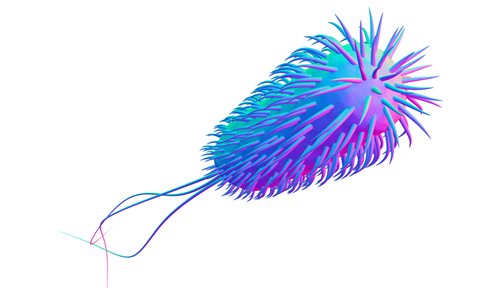
What would it take to create a truly intelligent microbot, one that can operate independently? A roboticist describes the fascinating minutiae and the medical jobs these tiny machines could do for us.
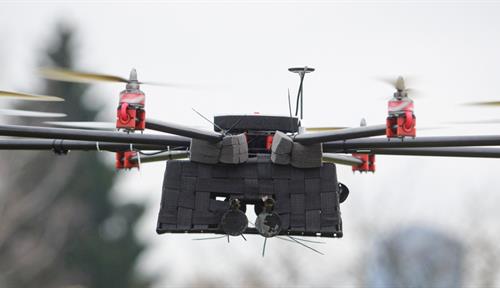
Airborne autonomous vehicles could soon be dropping off your Amazon packages, delivering your food and even ensuring that the infrastructure around you is safe and sound
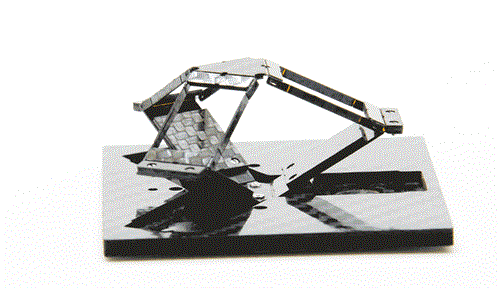
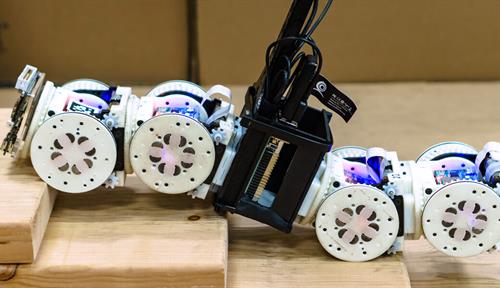
Robot researcher Mark Yim offers a look inside the promising field of modular reconfigurable robotics — bots that can shift form to tackle an array of tasks
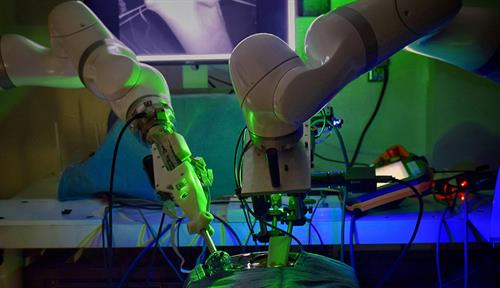
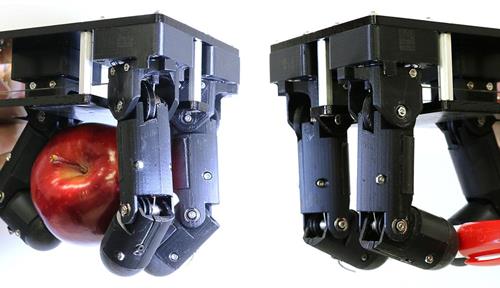
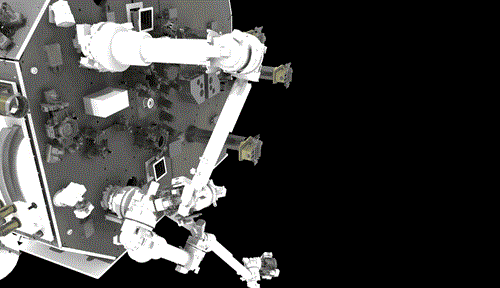
We can readily manipulate all kinds of objects; for them, versatility is a huge struggle. They need better mechanics — and a lot more of the intelligence that goes into handling things.
Machine learning has found uses in fields as diverse as particle physics and radiology, and its influence is growing. But so is the understanding of its limits.
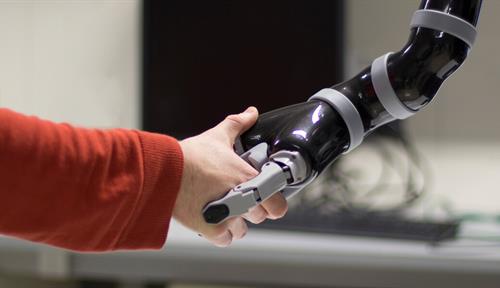
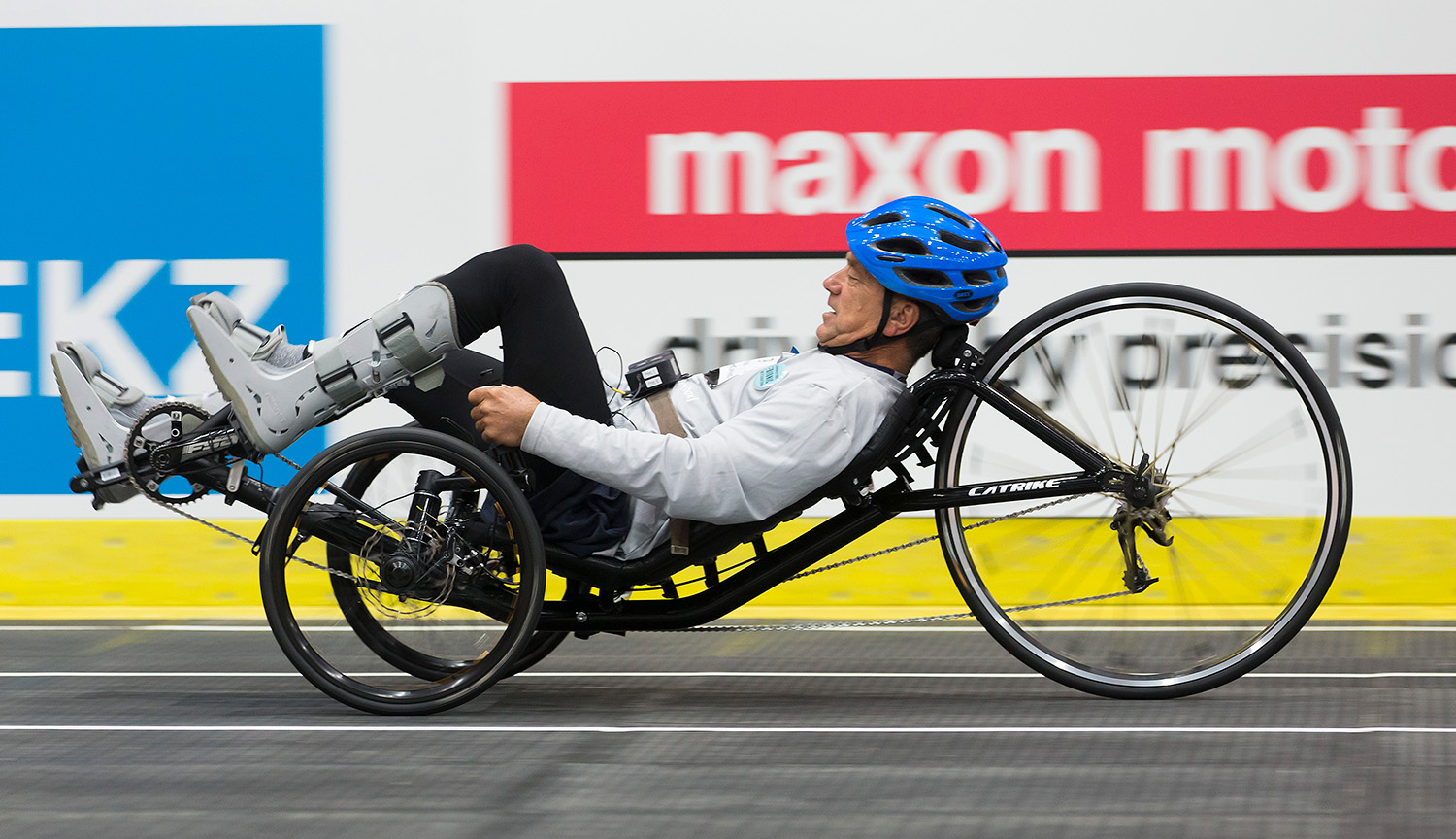
In the international competition, people with physical disabilities put state-of-the-art devices to the test as they race to complete the tasks of everyday life
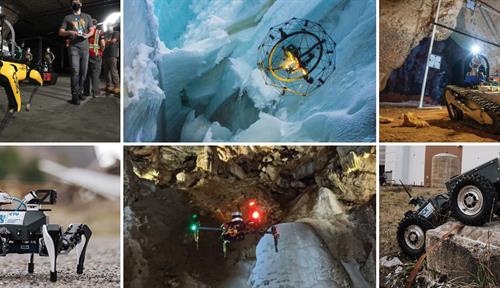
Deploying a motley crew of robots that can roll, walk and fly is a smart strategy for search-and-rescue operations — and so is trusting the machines to make decisions on the ground
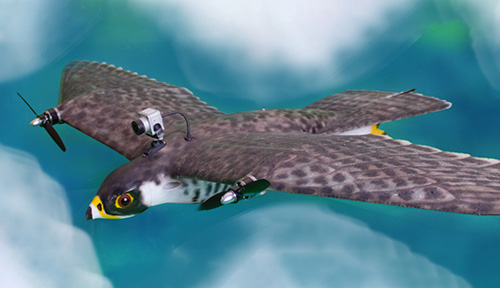
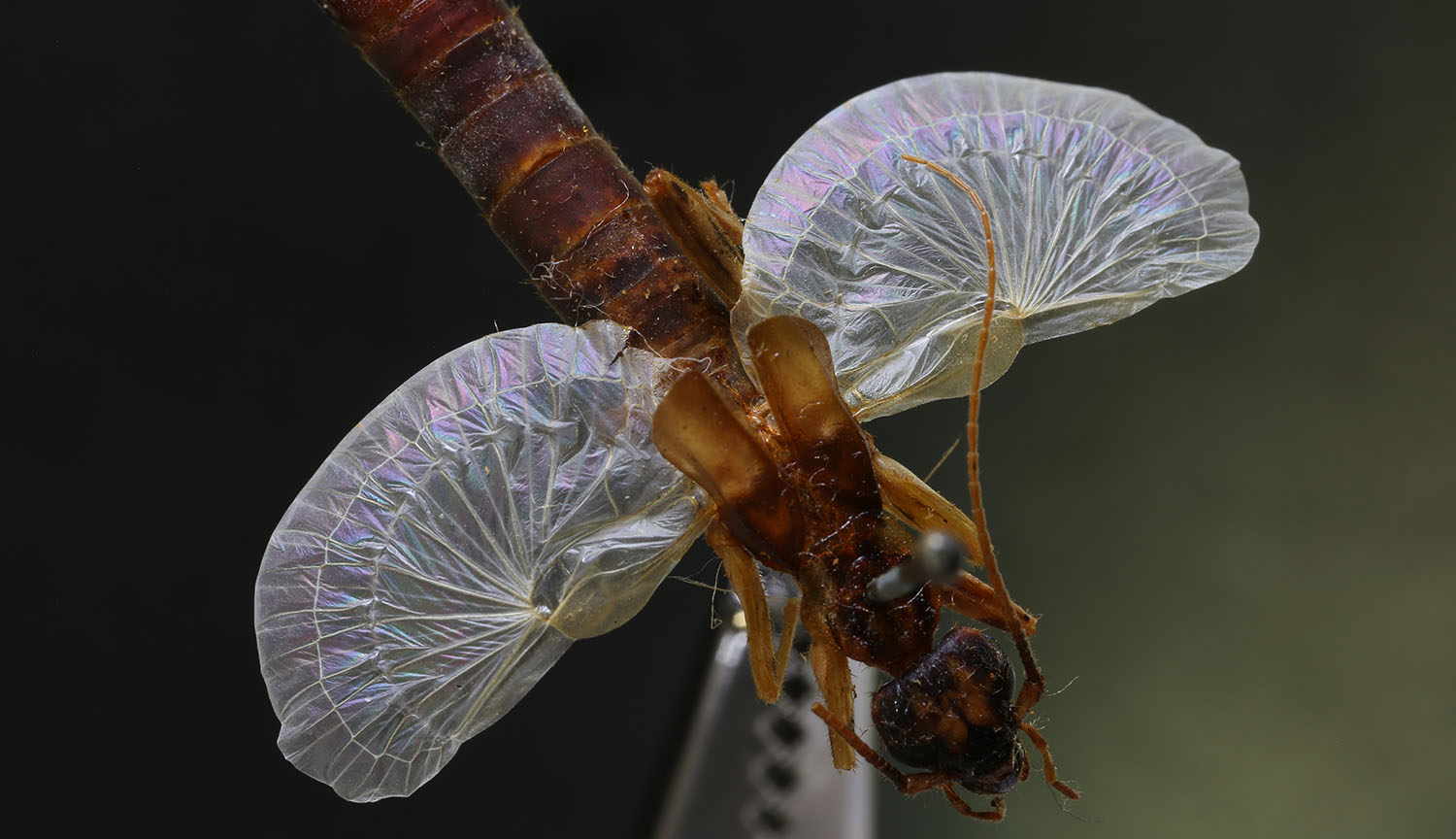
Insects that tuck away wings; a protist with an accordion-like neck — studying these clever creases may inspire foldable structures for drones
Close X
This is not a paywall.
Knowable Magazine is free to read. But just because our articles are free to read doesn’t mean they are free to produce. If you value our trustworthy science journalism, please support it with a donation.