cookies to track usage and preferences."
data-cookieaccepttext="I UNDERSTAND"
data-cookiedeclinetext="Disable Cookies"
data-cookiepolicytext="Privacy Policy">
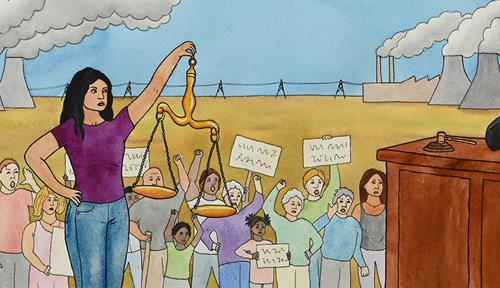
Lawsuits against emissions-spewing governments and fossil fuel companies have established themselves as a key tool in the battle against climate change, but they aren’t always successful
Native peoples attuned to the natural world have long collected detailed environmental information. Now scientists are cataloging these observations and learning how they’re affecting Indigenous communities globally.
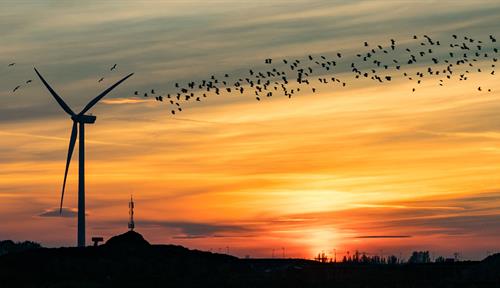
As wind power grows around the world, so does the threat the turbines pose to wildlife. From simple fixes to high-tech solutions, new approaches can help.
Evidence that the approach helps to save trees, preserve ecosystems and reduce carbon emissions is often hard to come by. But it can succeed if it’s done right, says an economist.
Miles away from the ocean, projects are afoot to clean up salty groundwater and use it to grow crops. Some say it’s a costly pipe dream, others say it’s part of the future.
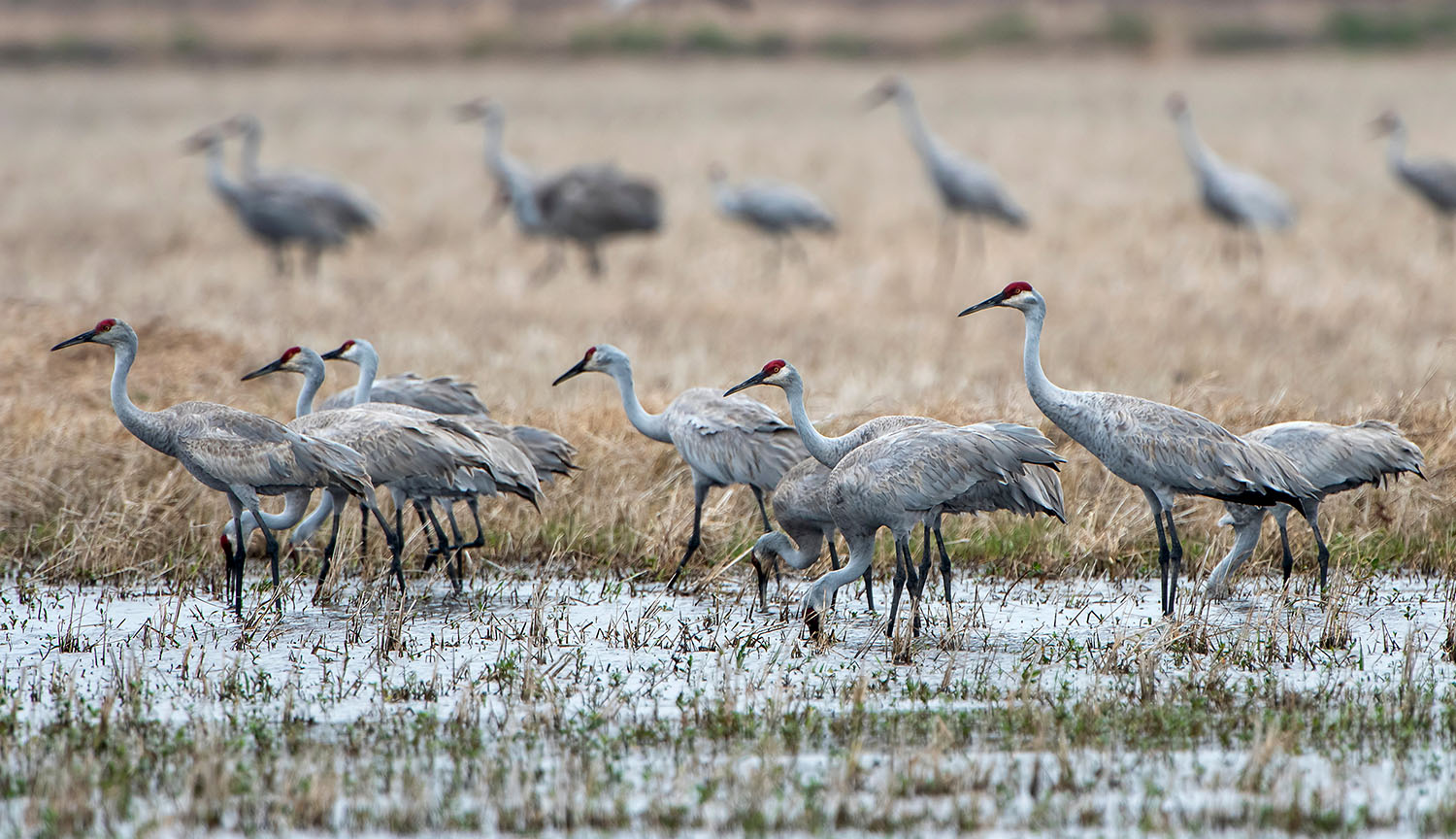
Cranes, sandpipers, ducks, geese and many other waterbirds have lost essential rest stops along their seasonal migration routes. Bird-friendly agriculture can assist in filling the gaps.
OPINION: International commerce and travel bring ecological destruction to the world’s most cherished natural places. We need to do more to stop the assault.
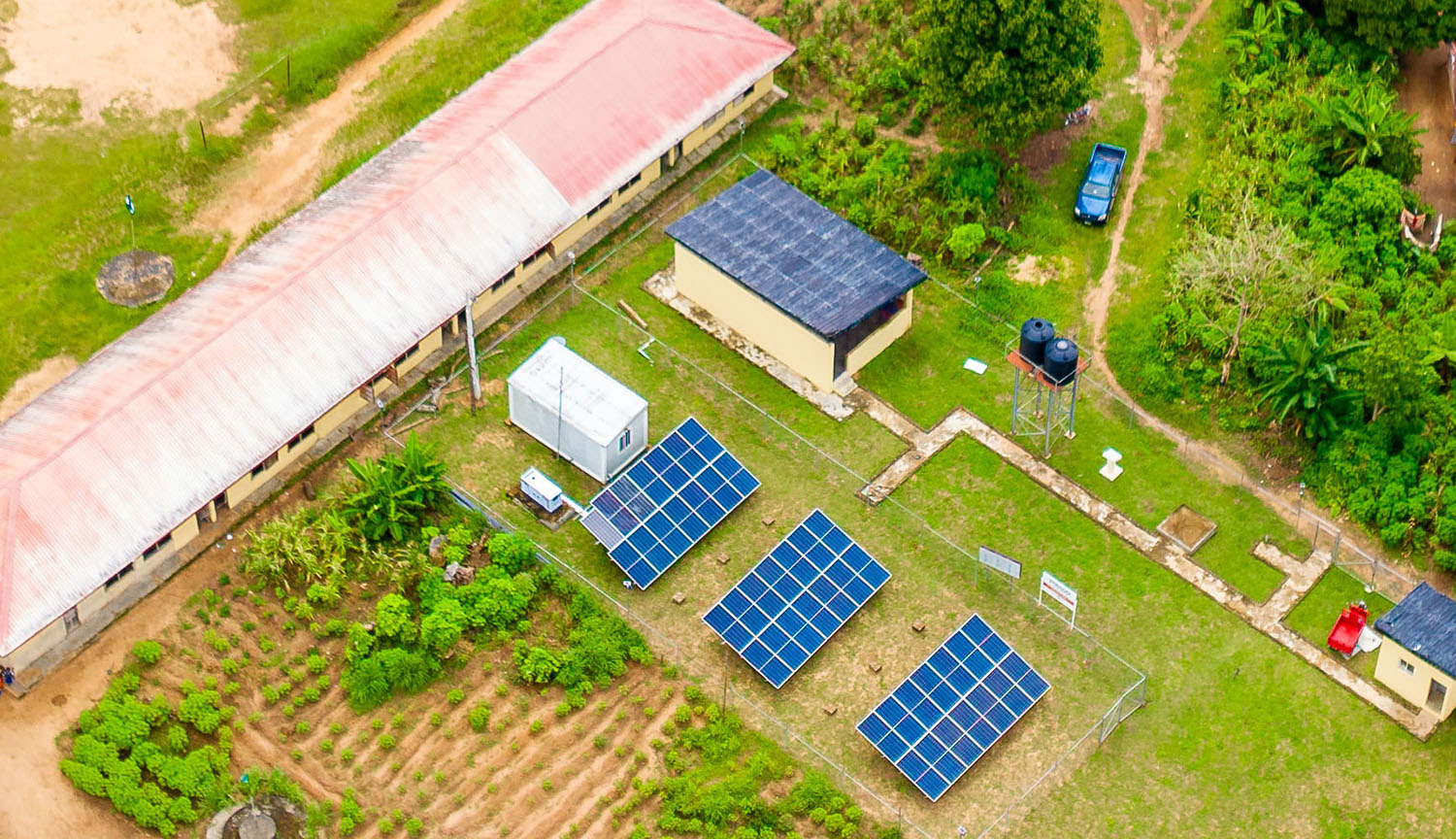
Nigeria is pioneering the development of small, off-grid solar panel installations to bring reliable electricity to remote communities — setting a model for other African countries
Peoples who live close to nature have a rich lore of plants, animals and landscapes embedded in their mother tongues — which may hold vital clues to protecting biodiversity
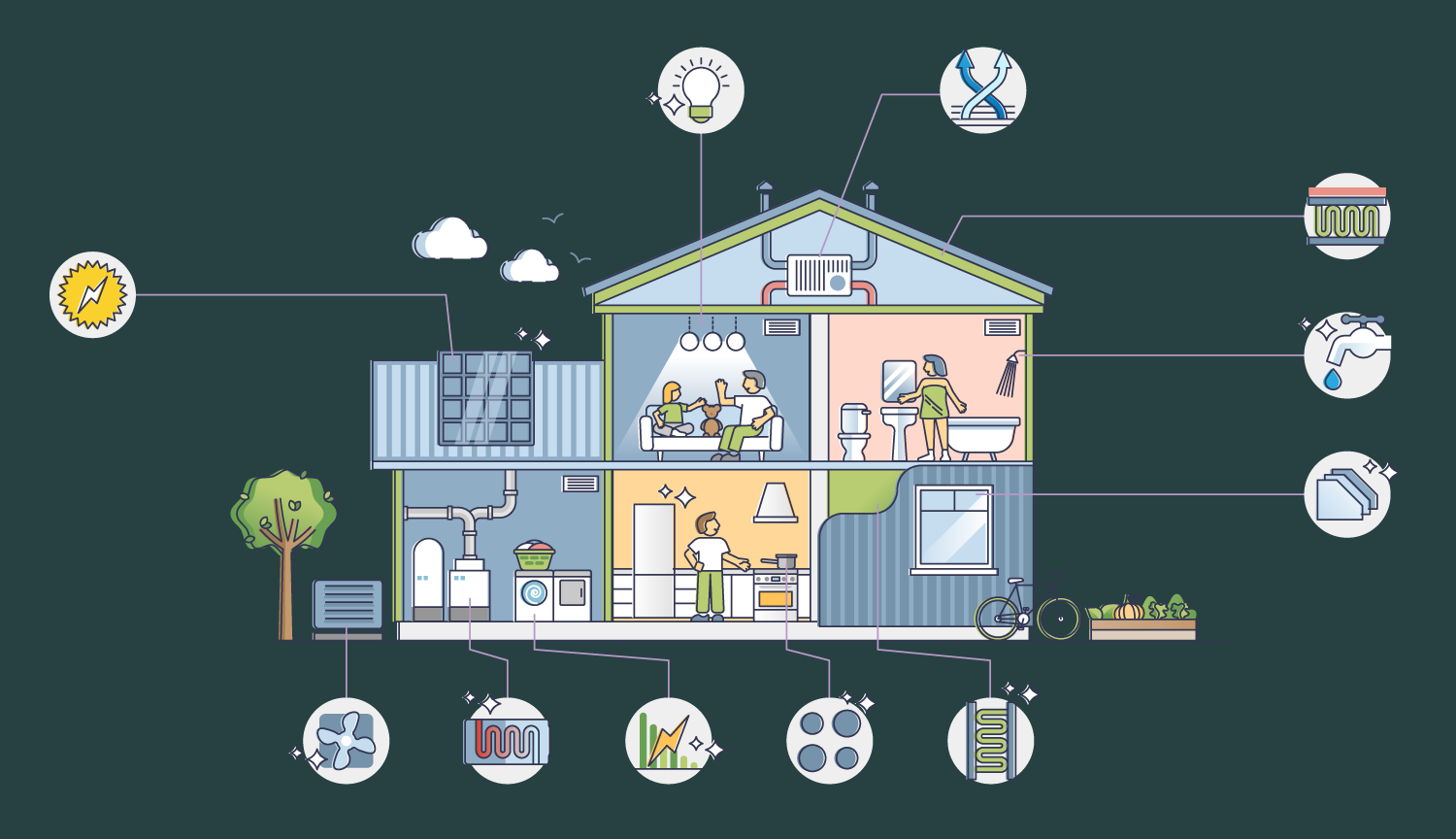
Getting our homes and workplaces to be energy efficient has major benefits — but not when it is done one window at a time. Here’s why deep retrofits and biomaterials are key to more sustainable living.
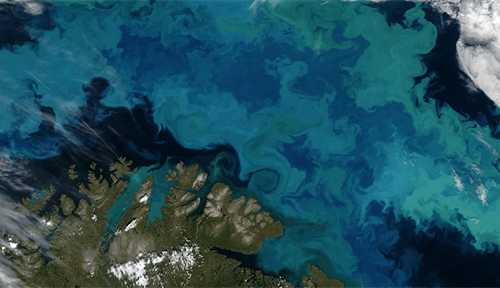
OPINION: Ocean warming, acidification and deoxygenation due to climate change — as well as pollution and development — threaten our global waters, but disaster is far from inevitable
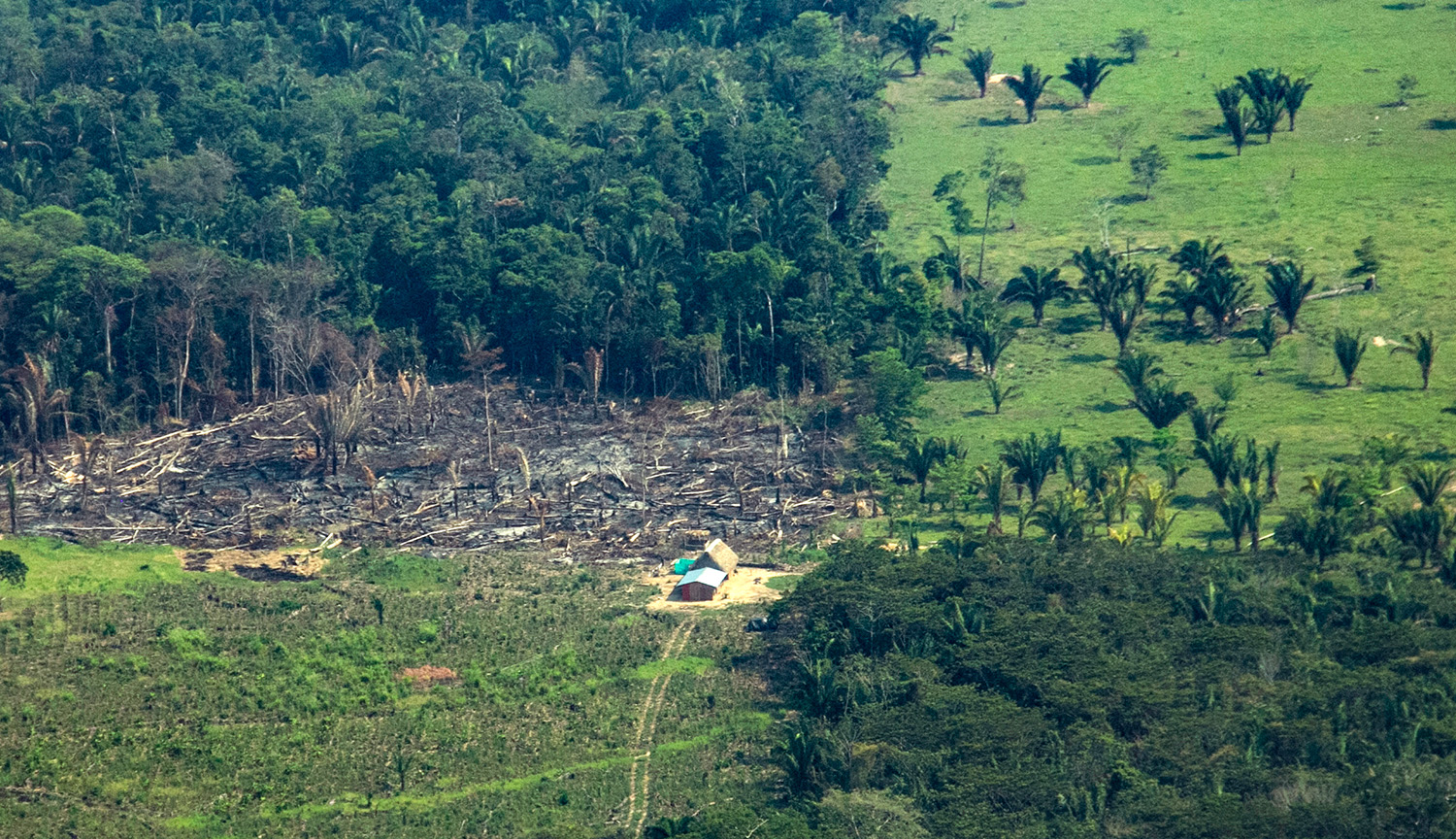
The South American country, where the biodiversity of the Andes meets that of the Amazon, is losing the great natural wealth of some 1,500 square kilometers of forest each year, mainly in areas formerly under guerrilla control
The bloc aims to become the first carbon-neutral continent. A new policy called CBAM will assist its ambitions — and may persuade other countries to follow in its footsteps.
Carshares, bikeshares and the like are a positive for the environment, though access to them isn’t equal. What can be done to give everyone more transportation options?
Close X
This is not a paywall.
Knowable Magazine is free to read. But just because our articles are free to read doesn’t mean they are free to produce. If you value our trustworthy science journalism, please support it with a donation.