cookies to track usage and preferences."
data-cookieaccepttext="I UNDERSTAND"
data-cookiedeclinetext="Disable Cookies"
data-cookiepolicytext="Privacy Policy">
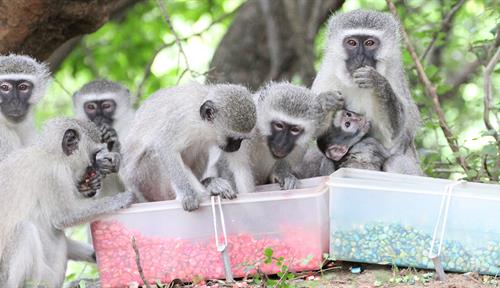
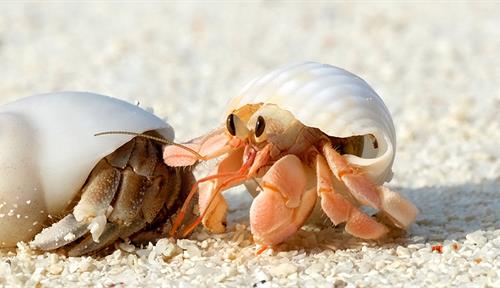
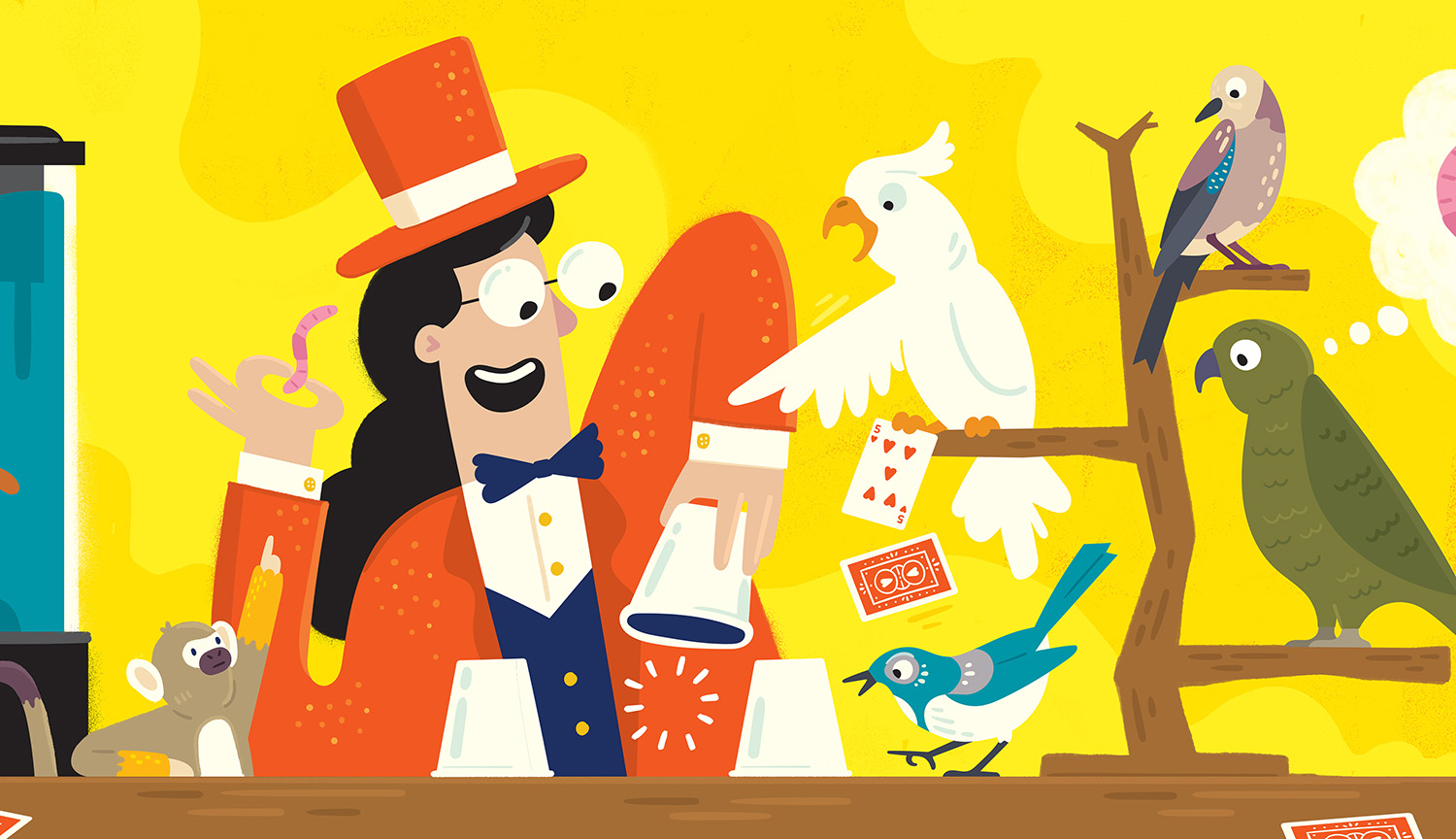
From monkeys washing potatoes to cockatoos raiding trash cans, socially spread behaviors allow creatures to adapt more rapidly to changing environments than conventional evolution would allow. But the traits are also more easily lost.
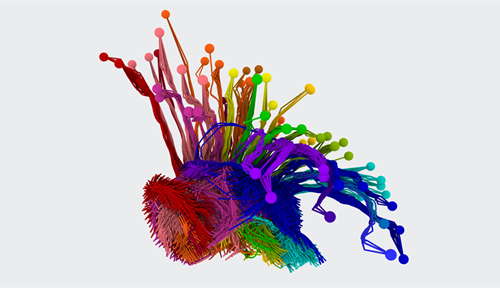
The thalamus has traditionally been viewed just as the brain’s sensory relay station. But it may also play an important role in higher-level cognition, MIT’s Michael Halassa explains in a Q&A.
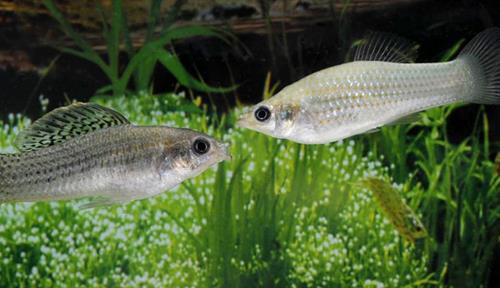
Individual behavior patterns may skew studies. A new approach called ‘STRANGE’ could help, by taking into account the habits, tendencies and life experiences of the creatures under scrutiny.
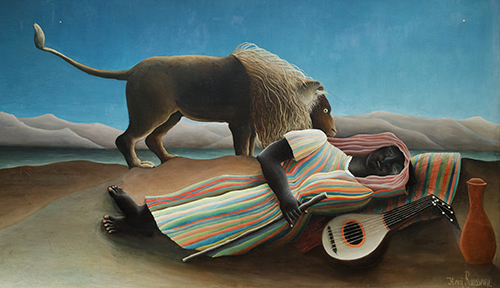
PODCAST: We have thoughts, visions and feelings while we sleep, experiencing a virtual reality of sorts. But how and why does dreaming happen? Researchers bring us closer to understanding the work our brains do while our bodies rest. (Season 2/Episode 1)
Peoples who live close to nature have a rich lore of plants, animals and landscapes embedded in their mother tongues — which may hold vital clues to protecting biodiversity
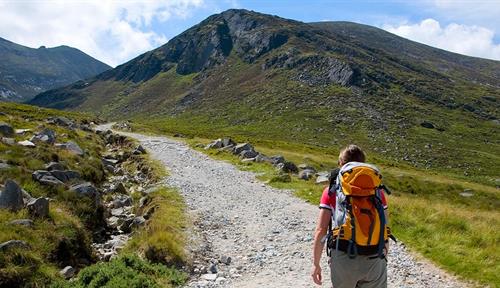
As Covid-19 descended across the world, people sought refuge in gardens, parks and the woods. But it’s hard to measure how being in nature affects our well-being — and how we can best reap its rewards.
VIDEO: Watch a scientific exploration of why old age is often associated with high levels of emotional well-being, even as physiological and cognitive capacity declines
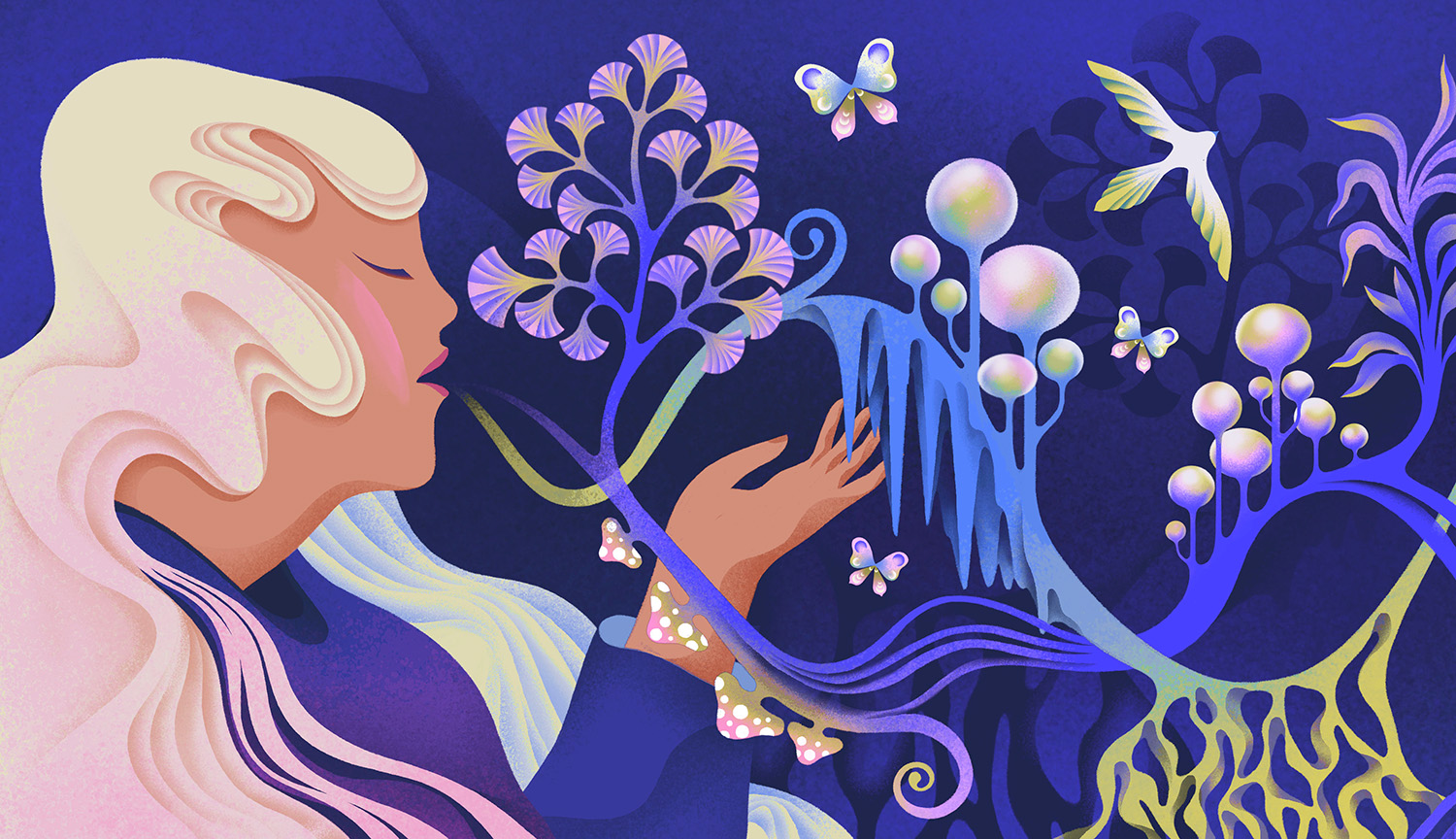
Some neuroscientists think psychedelic drugs and the hallucinations they induce could help reveal how the brain generates our perceptions of the world around us — and of ourselves
PODCAST: Just in the past half-century, our understanding of how exactly our brains remember has taken huge leaps. Amazingly, this is just the beginning. (Season 1/Episode 4)
Close X
This is not a paywall.
Knowable Magazine is free to read. But just because our articles are free to read doesn’t mean they are free to produce. If you value our trustworthy science journalism, please support it with a donation.