cookies to track usage and preferences."
data-cookieaccepttext="I UNDERSTAND"
data-cookiedeclinetext="Disable Cookies"
data-cookiepolicytext="Privacy Policy">
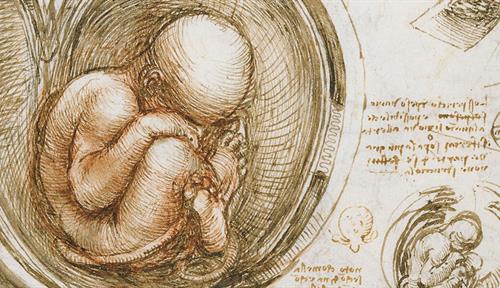
A few rare viruses can reach the fetus when pregnant women are infected, with tragic result. As explored in this Q&A, researchers are figuring out how the placenta acts as protector and how some pathogens slip through.
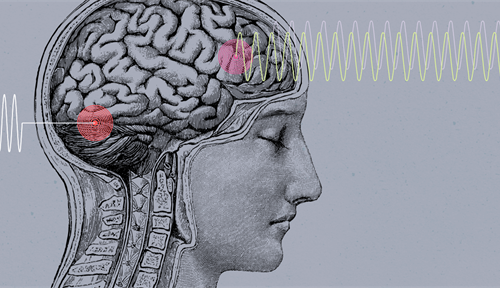
Ultrasound isn’t just for images. Sonogenetics and other promising technologies let researchers use focused sound waves to control genes and entire cells deep in the tissues of living animals, without surgery.
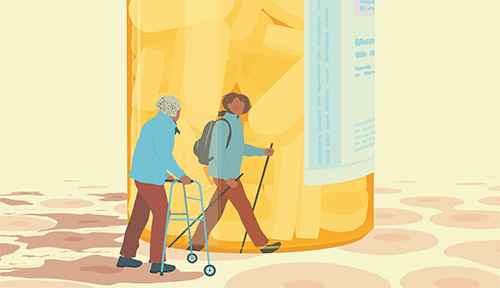
Researchers are investigating medicines that selectively kill decrepit cells to promote healthy aging — but more work is needed before declaring them a fountain of youth
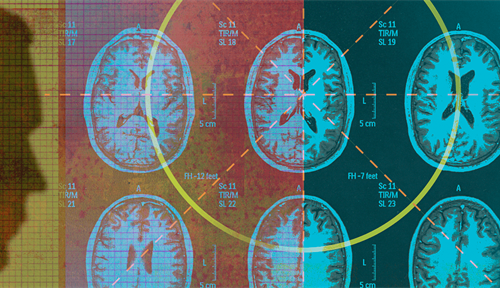
New blood assays and brain scans are among the biomarkers revolutionizing clinical trials and changing the way researchers think of the disease. They may soon change the way patients are treated as well.
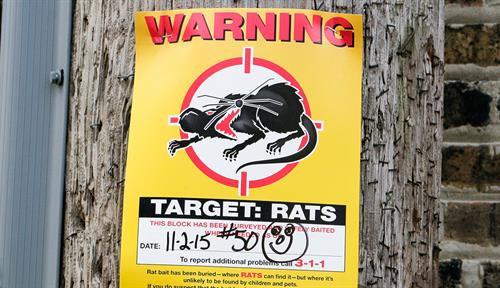
OPINION: A study in Chicago found that rodents surviving poisoning are more likely to carry disease. Good pest control needs to take such things into account.
The field has long been more mice than men. New technologies and systems-based approaches with human cells may soon fill gaps in our understanding of autoimmune disease and health, Mark Davis says in a Q&A.
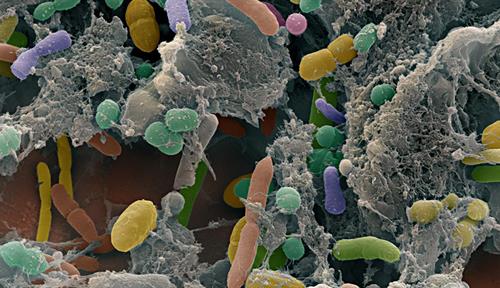
Researchers are finally getting the tools to understand just how the microbial communities in and on our bodies affect health. But there are many mysteries left to solve — and many technological challenges.
Because of their height, giraffes require scarily high blood pressures — yet they escape the massive health problems that plague people with hypertension. Can clinicians learn from these animals?
Sure they cause disease, but the microbes can be a help as well. Witness long-lasting pepper seeds, drought-resistant crop plants and even our own placentas.
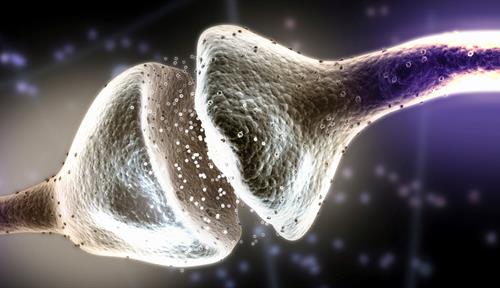
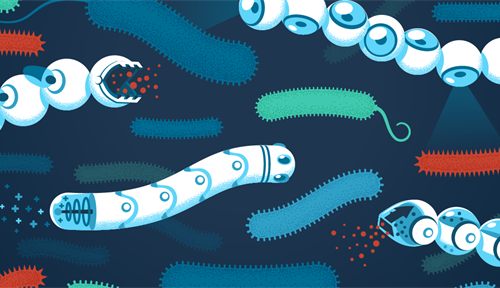
Genetically engineered gut bacteria hold promise for safe, targeted therapies
Close X
This is not a paywall.
Knowable Magazine is free to read. But just because our articles are free to read doesn’t mean they are free to produce. If you value our trustworthy science journalism, please support it with a donation.