cookies to track usage and preferences."
data-cookieaccepttext="I UNDERSTAND"
data-cookiedeclinetext="Disable Cookies"
data-cookiepolicytext="Privacy Policy">
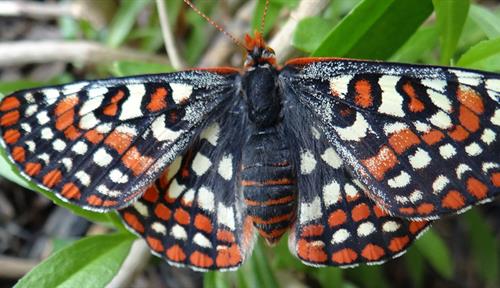
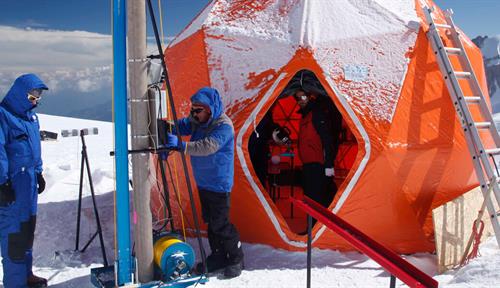
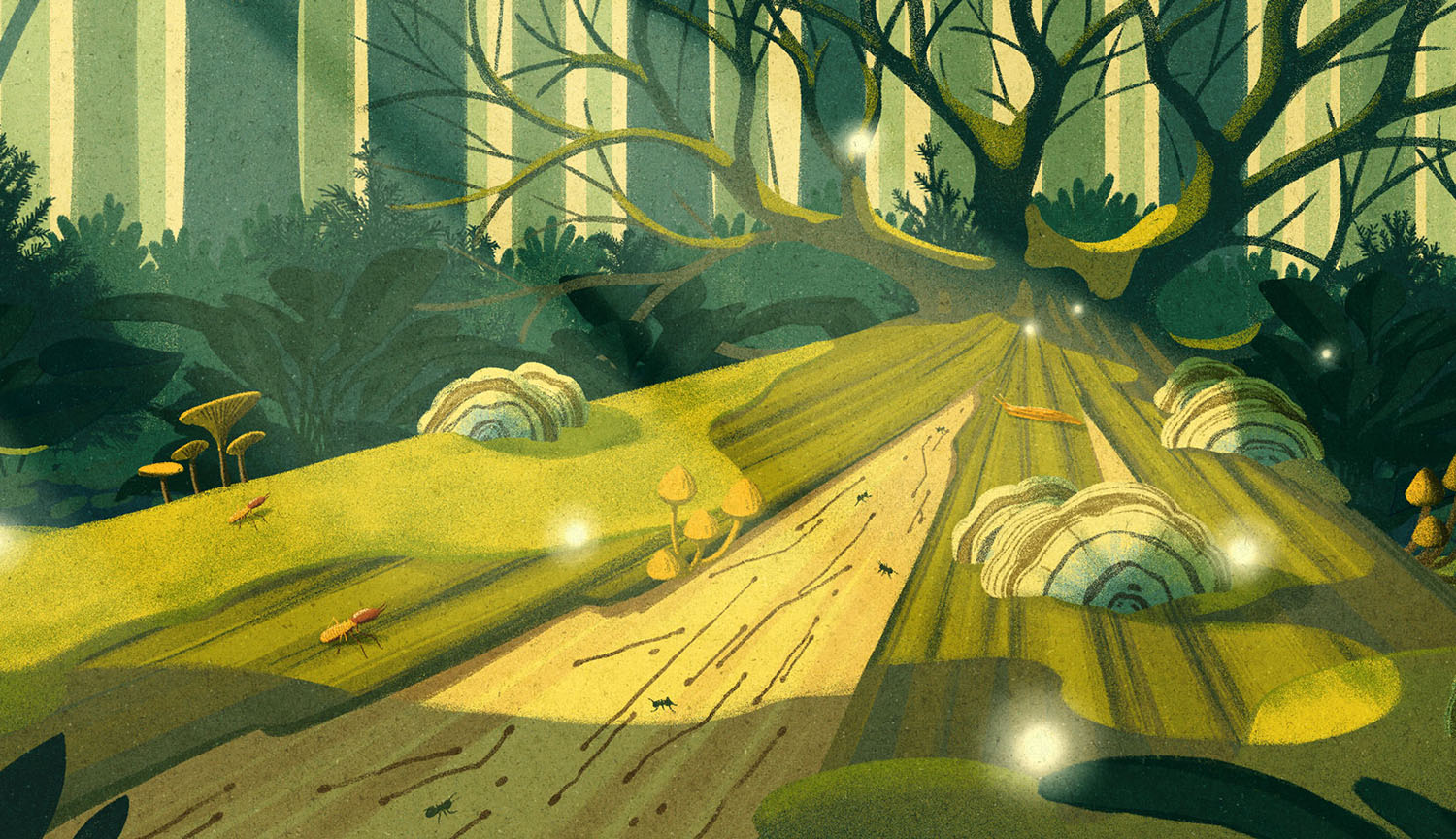
How do animal populations respond to climate change? After studying the same butterfly and its habitats for decades, two biologists explain that it’s complicated — but endlessly intriguing.
Researcher Arun Agrawal has lived three decades on either side of a watershed: the United Nations Framework Convention on Climate Change, signed 30 years ago this June. His 60 years are a window into how far we have come, and how far there is to go.
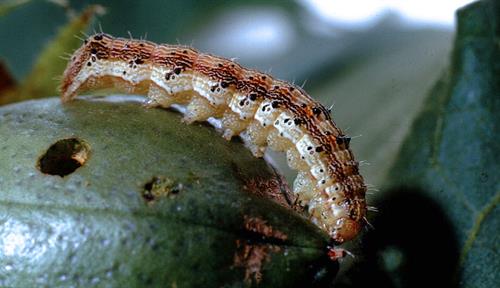
Bt crops keep many agricultural pests at bay and have drastically reduced the use of pesticides. But scientists warn that these valuable tools are in jeopardy due to overuse and abuse.
Cheese is not just a tasty snack — it’s an ecosystem. And the fungi and bacteria within that ecosystem play a big part in shaping the flavor and texture of the final product.
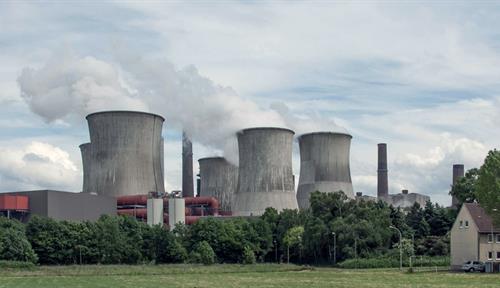
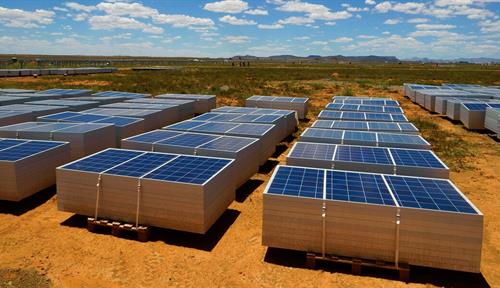
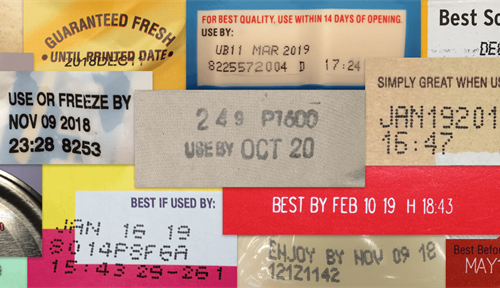
To slow or stop global warming, the world agrees it must cut carbon dioxide emissions. But monitoring each nation’s output of greenhouse gases is not always straightforward.
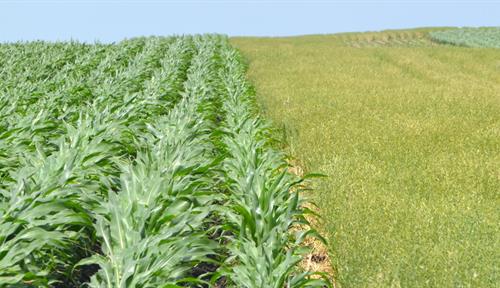
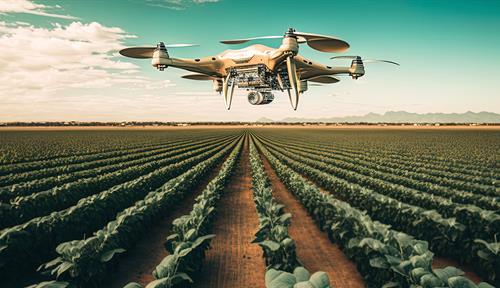
The technology could transform how growers protect their harvests, by detecting plant diseases very early on. But the challenge is to develop tools that are as affordable as they are effective.
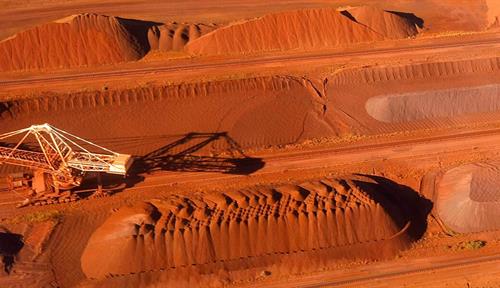
The only way for humanity to solve its environmental problems may be to abandon our quest for continual economic expansion. It’s time to study what a future of degrowth might look like, some researchers say.
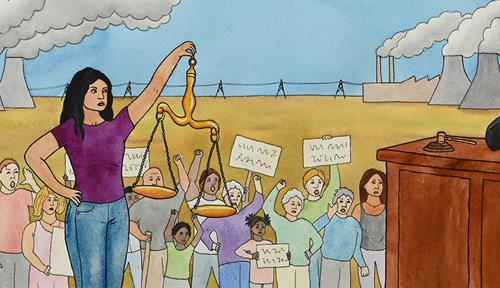
Lawsuits against emissions-spewing governments and fossil fuel companies have established themselves as a key tool in the battle against climate change, but they aren’t always successful
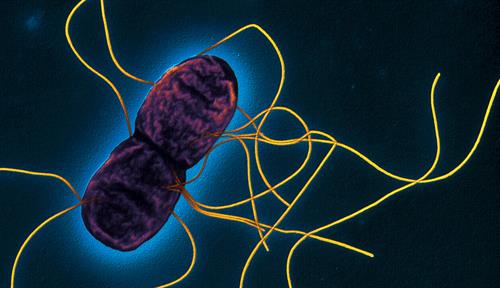
Eliminating this food-poisoning bacterium from poultry is tricky — not least because rapid, precise tests are still unavailable. Researchers are looking at vaccines, probiotics, prebiotics and even essential oils as ways to reduce contamination on the farm.
Complex mathematical tools are aiding the battle to identify invasive species before they get a foothold in the environment. But bureaucracy can blunt the techniques.
Are we supposed to take care of the planet or should it take care of us? Willis Jenkins explains how religion shapes the conflicting views over climate change and other environmental issues.
Close X
This is not a paywall.
Knowable Magazine is free to read. But just because our articles are free to read doesn’t mean they are free to produce. If you value our trustworthy science journalism, please support it with a donation.