cookies to track usage and preferences."
data-cookieaccepttext="I UNDERSTAND"
data-cookiedeclinetext="Disable Cookies"
data-cookiepolicytext="Privacy Policy">
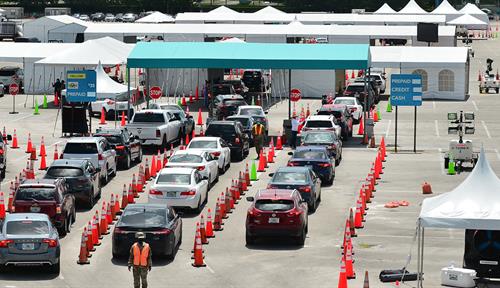
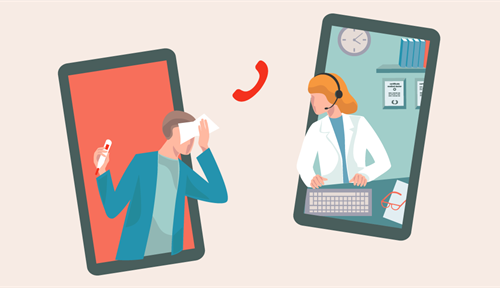
Scientists are working at breakneck speed to develop inexpensive tools that take only minutes to tell if someone is infected — a feat that could pave the way for a safer return to normalcy
Researchers around the globe are working with unprecedented speed to find the vaccines we need to find our way through the pandemic. What’s the bar for safety and effectiveness?
Public health messages should be loud and clear, so that everyone listens and stays safe. But that’s easier said than done — especially with a case as complex as Covid-19.
Antibodies should indicate if someone has had an infection in the past. But the promise of “immunity testing” is plagued by uncertainty about how the immune system responds to the coronavirus, as well as concerns about the tests’ accuracy.
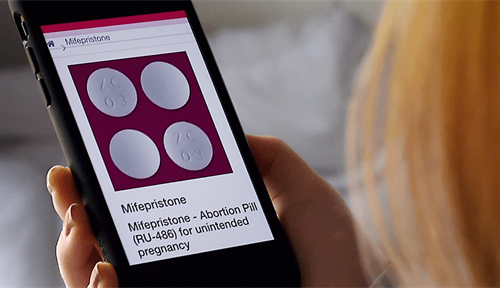
OPINION: The pandemic has taught us how we can deliver better care to patients who seek to terminate pregnancies. Now if only science could triumph over politics.
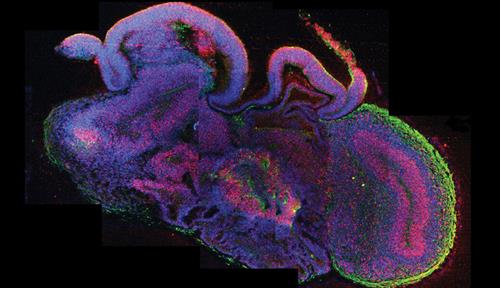
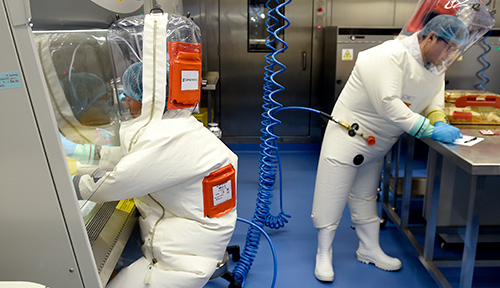
While studies in mice and people can be slow, researchers are making fast progress testing medications in miniature airways and guts made of human cells
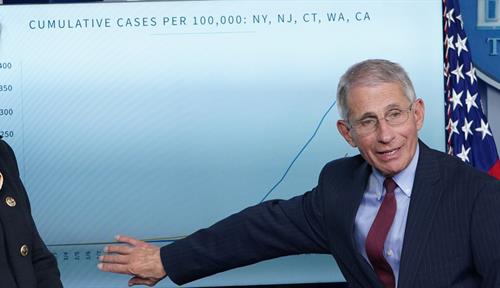
Covid-19 has exposed the weak spots of the US public health system — and that presents an opportunity, says an epidemiologist, for the nation to recognize the problems and act to fix them
Pathogens can make us sick. Just how sick depends on genetic variations, including ones that sabotage immune molecules called interferons. A better understanding could lead to new treatments for Covid-19 and other scourges.
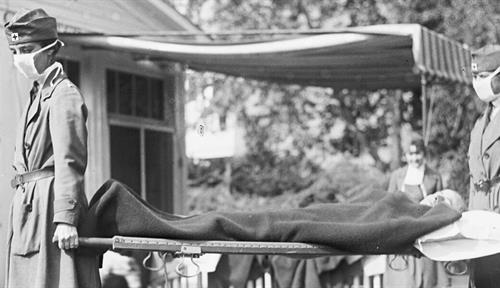
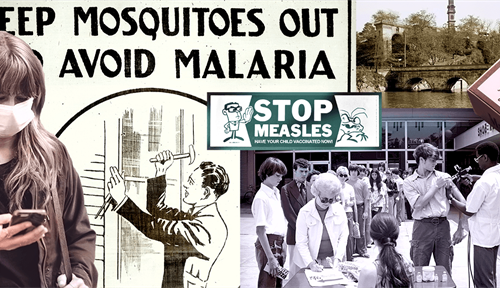
TIMELINE: From colonial efforts to control smallpox outbreaks to antimalarial campaigns targeting mosquitoes, the American effort grew for centuries. But cutbacks have weakened it in the past decades.
OPINION: Many Americans say they won’t take a vaccine. I am not one of <br xmlns="http://pub2web.metastore.ingenta.com/ns/"/>them — and I have the shots to prove it.
As Covid-19 descended across the world, people sought refuge in gardens, parks and the woods. But it’s hard to measure how being in nature affects our well-being — and how we can best reap its rewards.
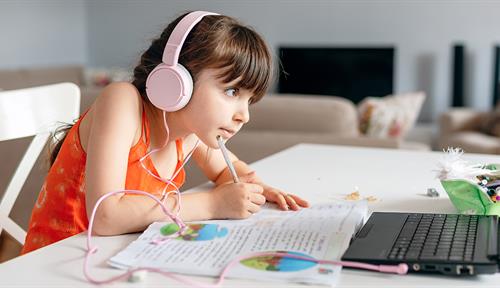
OPINION: A neuroscientist says that he’s particularly worried about kids, who may have spent much of last year learning online. Some easy hacks can help.
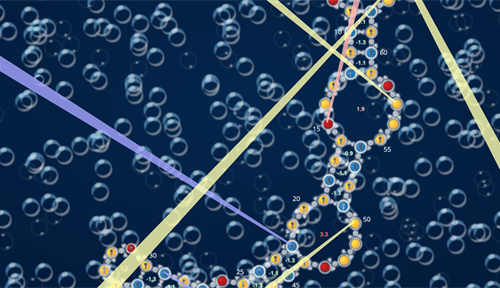
OPINION: People beat artificial intelligence hands-down at puzzling out new ways to fold molecules for a potential SARS-Cov-2 immunization. Thousands more players are needed.
Close X
This is not a paywall.
Knowable Magazine is free to read. But just because our articles are free to read doesn’t mean they are free to produce. If you value our trustworthy science journalism, please support it with a donation.