cookies to track usage and preferences."
data-cookieaccepttext="I UNDERSTAND"
data-cookiedeclinetext="Disable Cookies"
data-cookiepolicytext="Privacy Policy">
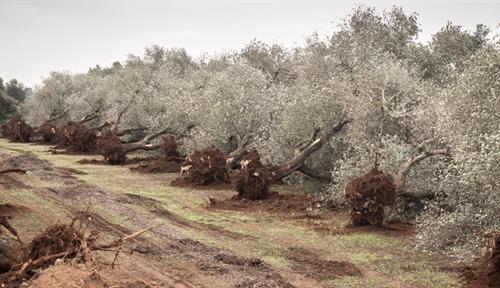
Epidemics of forest-felling diseases are on the rise thanks to globetrotting pathogens that slip through even the best defenses. To prevent further losses, scientists are turning to high-tech surveillance and detection, even canine noses.
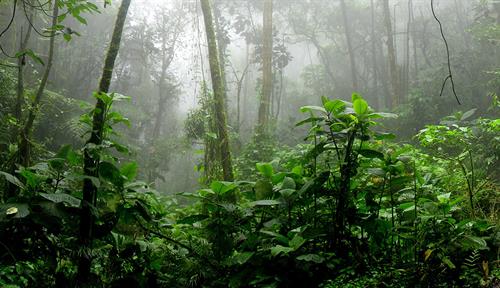
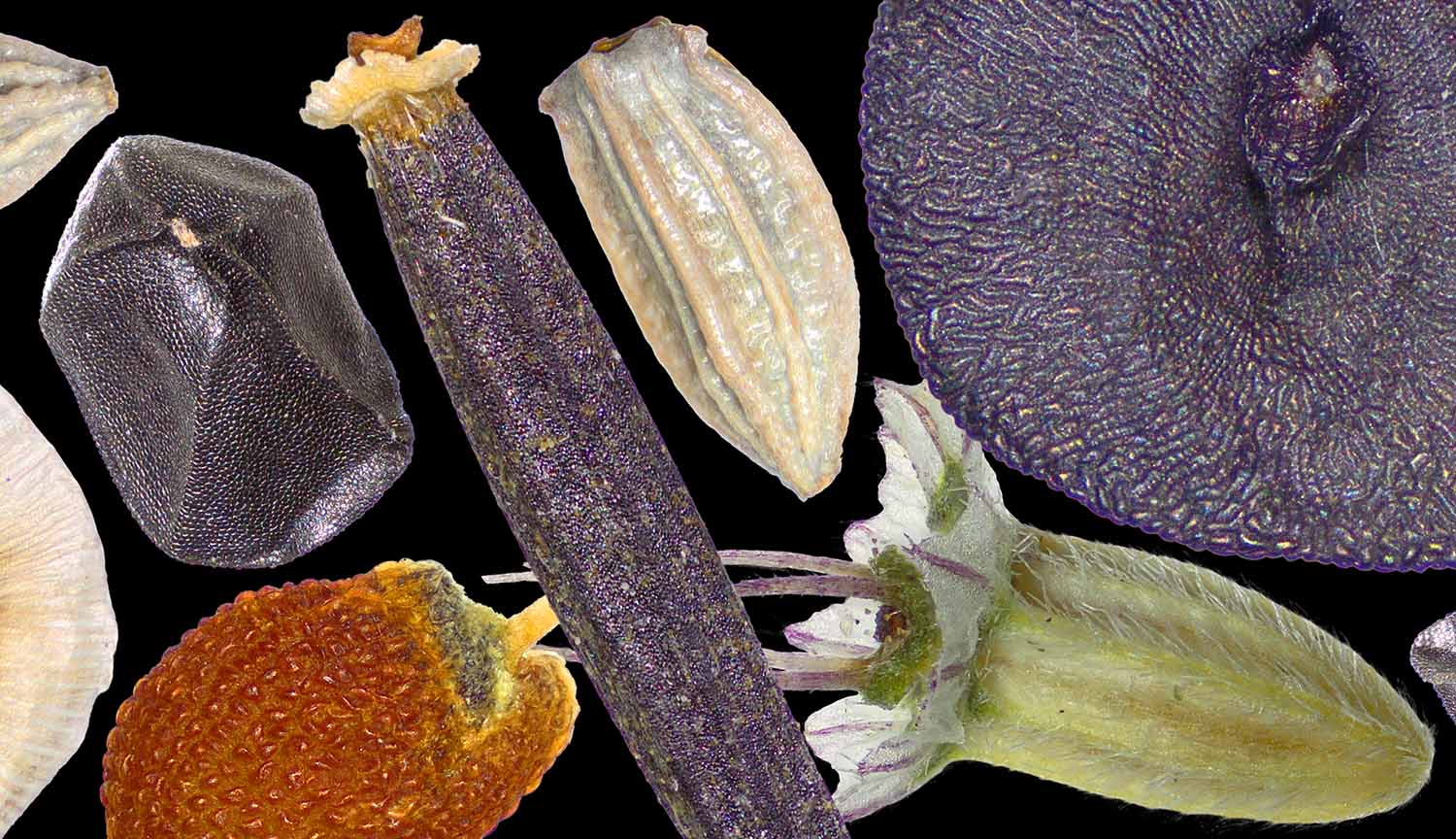
Fossilized leaves and pollen are revealing the evolutionary past of New World tropical forests. The findings are helping to reshape predictions of what might happen to these ecosystems as the climate changes.
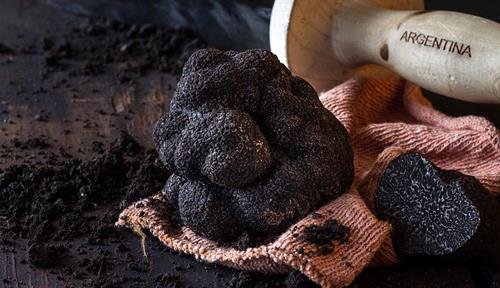
For centuries, the wild delicacy grew only in Europe. But improved cultivation techniques have enabled the pricey, odorous fungus to be farmed in new landscapes.
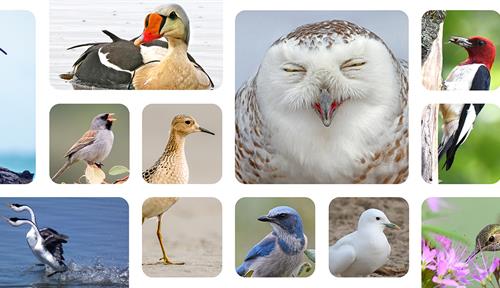
Rich data on the global state of our feathered friends presents plenty of bad news — but also some bright spots. Researchers know better than ever how to help endangered birds, and there are notable bird conservation successes.
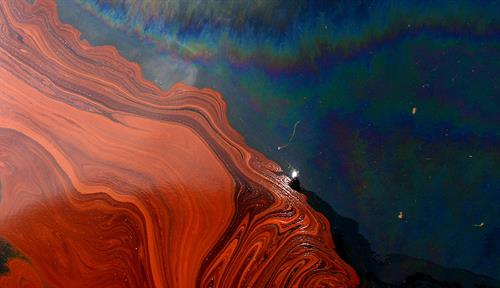
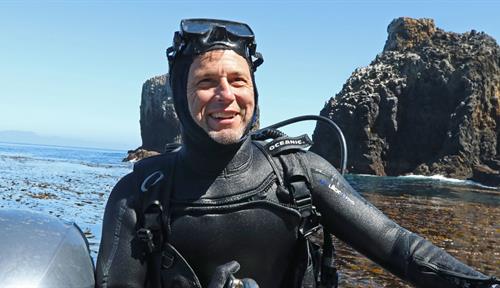
Decades of exploring the seafloor have helped oceanographer Samantha Joye tackle marine issues — from the underwater movement of oil from Deepwater Horizon to the biology of remote microbial communities
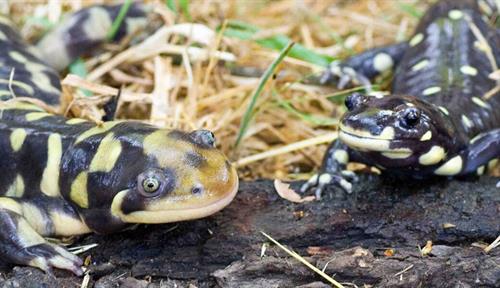
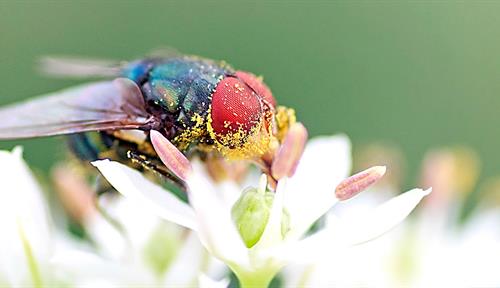
They worm into snails and infect the brains of fish. They’ve also found their way into Kevin Lafferty’s heart. He sees them as beautiful examples of sophisticated evolution, and as keys to ecosystem balance.
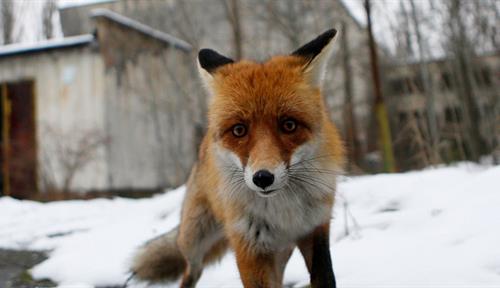
Is Chernobyl a radioactive wasteland reeling from chronic radiation, or a post-nuclear paradise with thriving populations of animals and other life forms? Studies don’t always agree about levels of mutations and other ill effects.
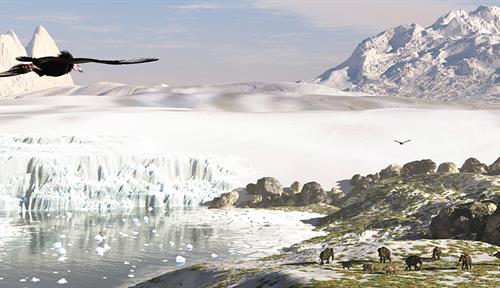
PODCAST: Digging — quite literally — into our planet’s past to study its paleoclimate has shed light on bygone ice ages and hints at trouble ahead for our now-warming world (Season 2/Episode 4)
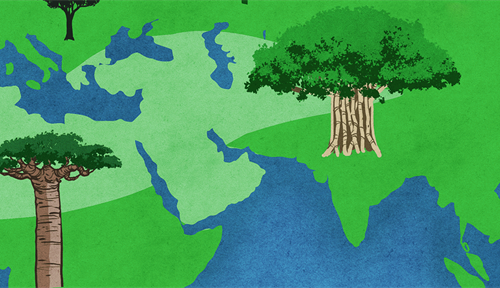
COMIC: Do forests warm or cool the Earth? What’s their effect on global climate change? A comic narrated by polymath Benjamin Franklin describes the evolution of thought on this issue and what we still don’t know.
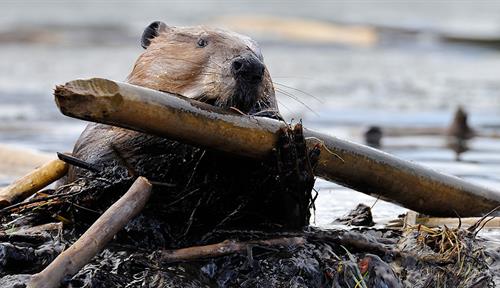
Scientists are just beginning to study the impacts of beaver dams on the tundra
Close X
This is not a paywall.
Knowable Magazine is free to read. But just because our articles are free to read doesn’t mean they are free to produce. If you value our trustworthy science journalism, please support it with a donation.