cookies to track usage and preferences."
data-cookieaccepttext="I UNDERSTAND"
data-cookiedeclinetext="Disable Cookies"
data-cookiepolicytext="Privacy Policy">
The bloc aims to become the first carbon-neutral continent. A new policy called CBAM will assist its ambitions — and may persuade other countries to follow in its footsteps.
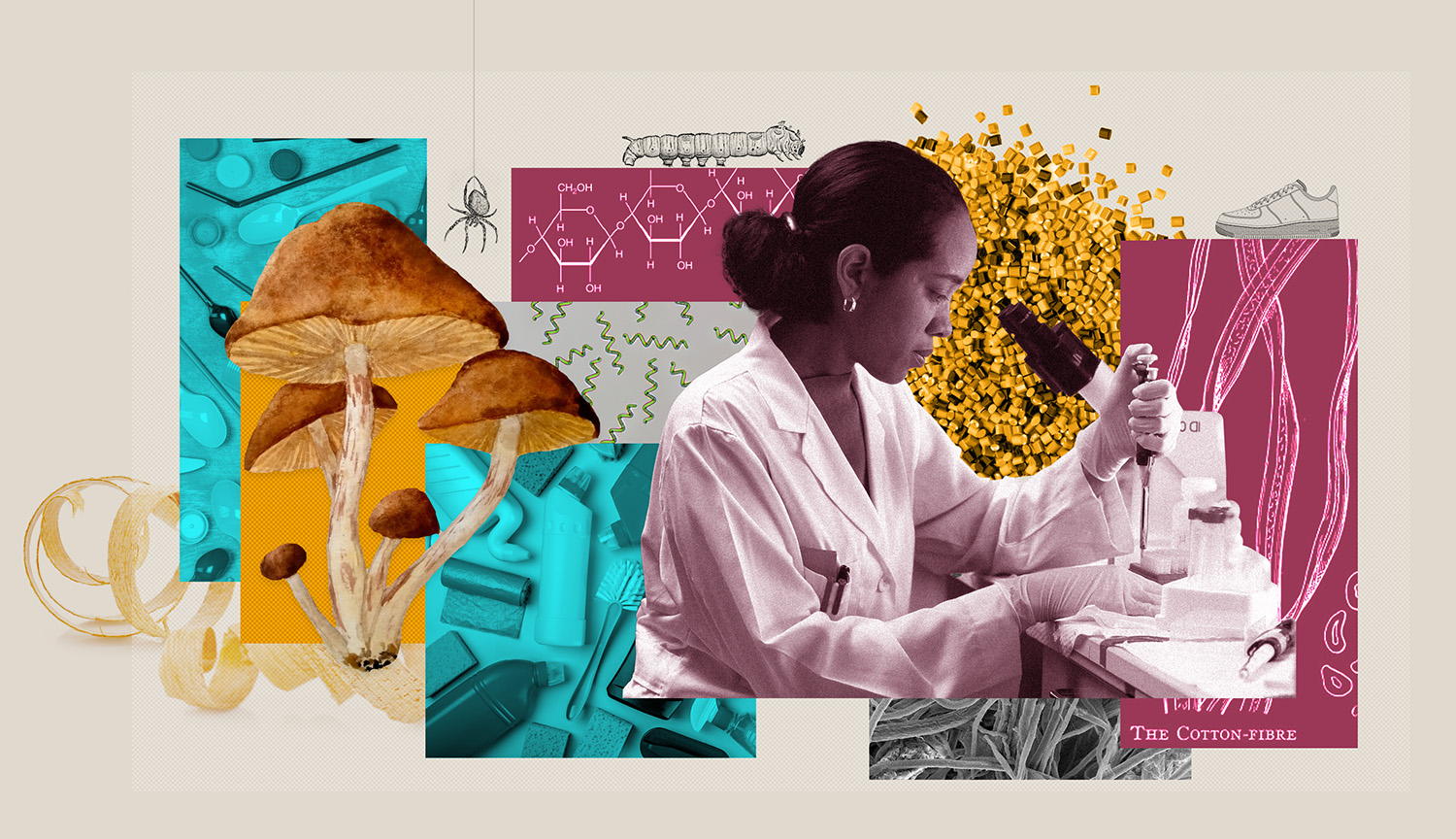
Materials scientists are cooking up environmentally friendly polymers from natural sources like silk, plant fibers and whole algae. Economics and acceptance remain hurdles.
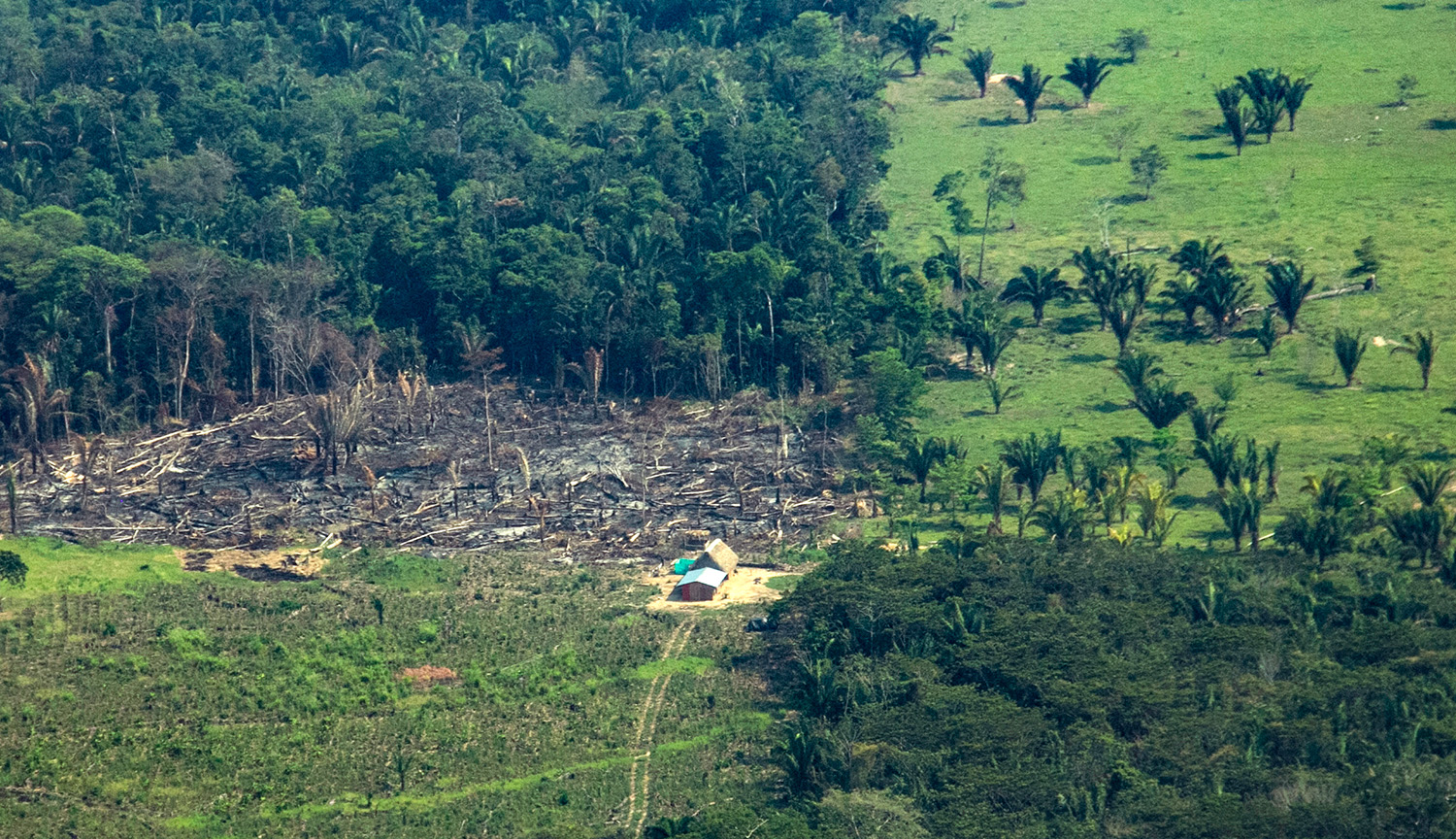
The South American country, where the biodiversity of the Andes meets that of the Amazon, is losing the great natural wealth of some 1,500 square kilometers of forest each year, mainly in areas formerly under guerrilla control
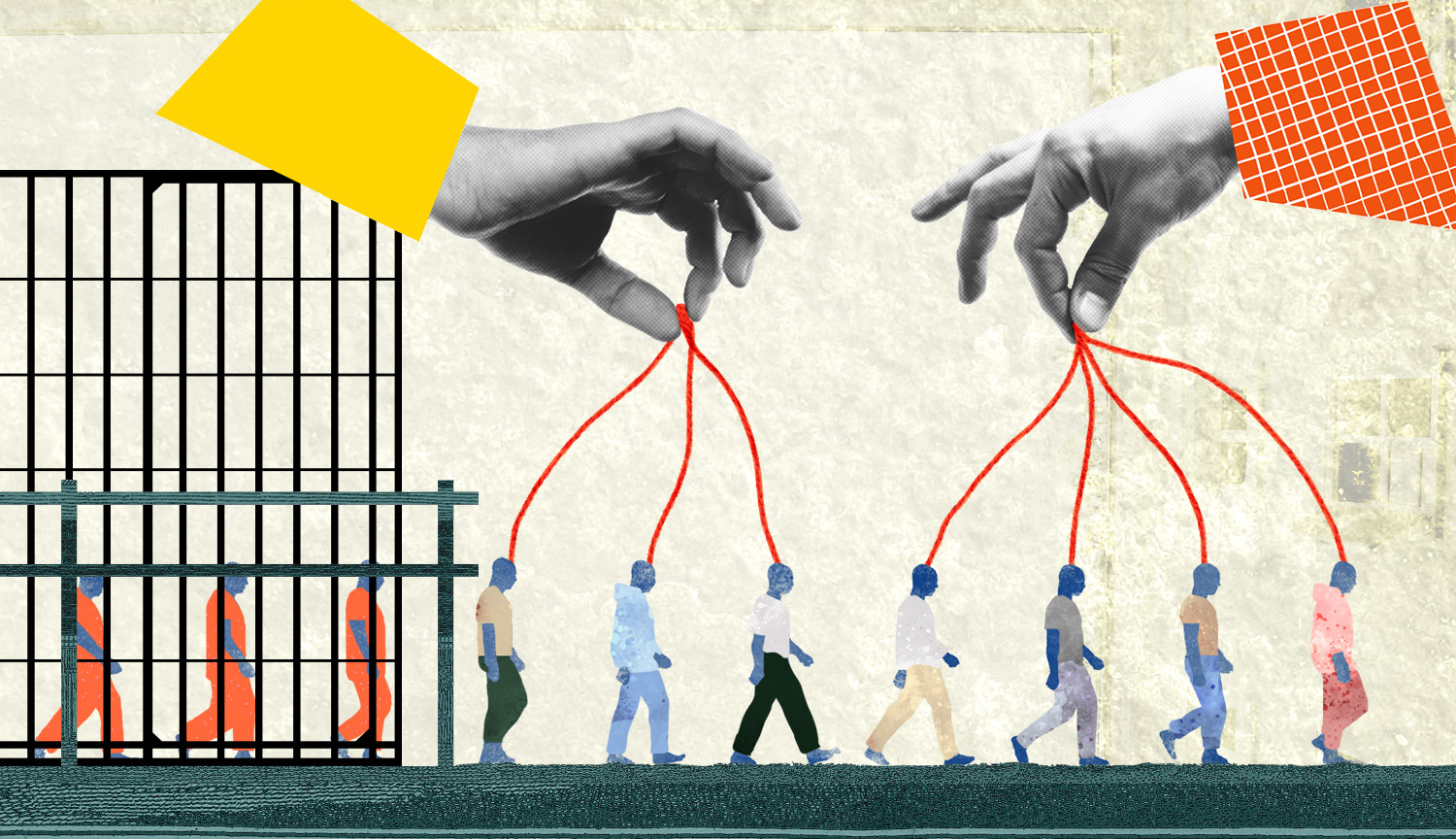
The current system of supervised release in lieu of imprisonment may do more harm than good, some experts say. How can society do a better job of rehabilitating law-breakers while keeping them from re-offending?
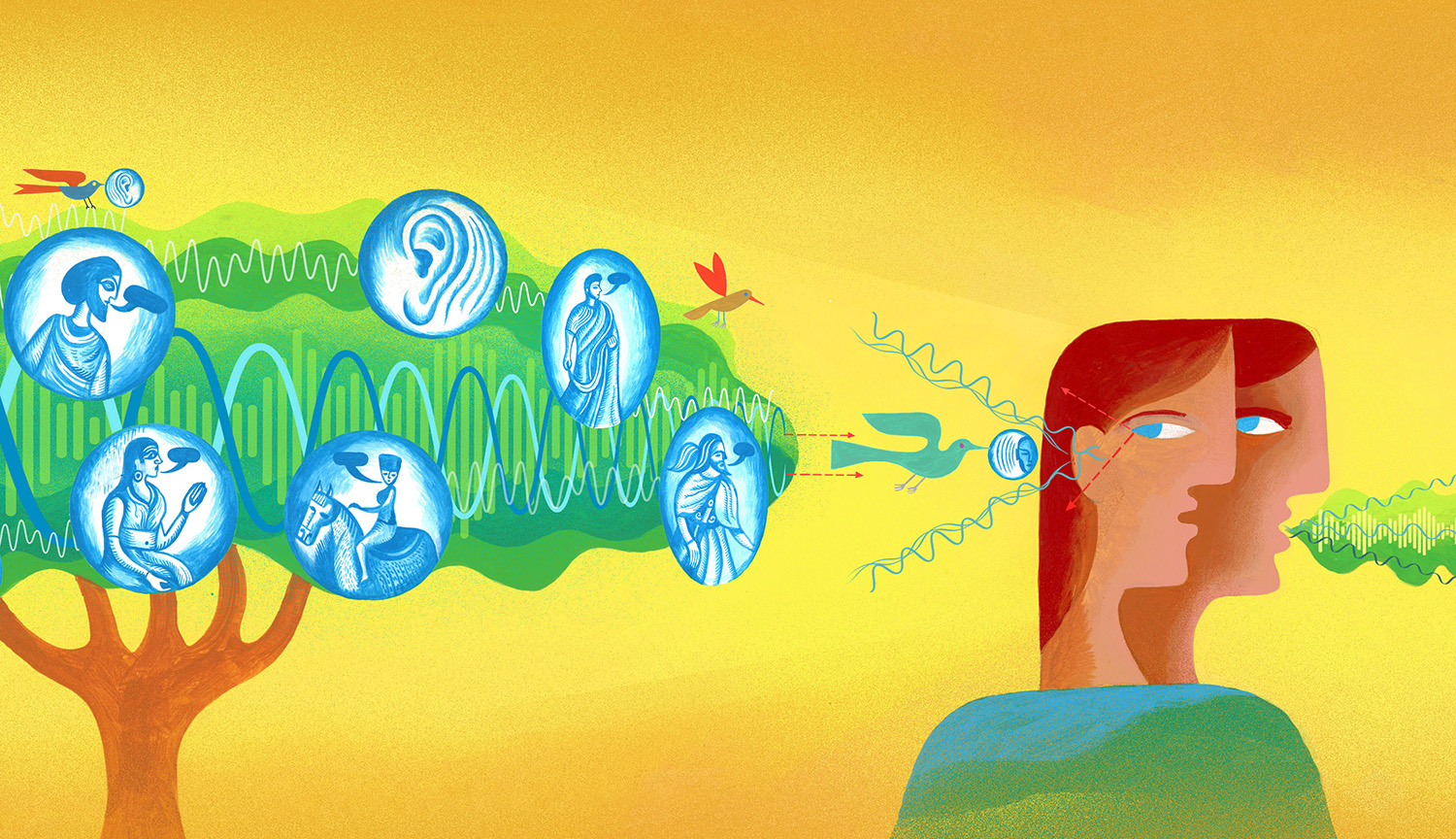
Linguists and archaeologists have argued for decades about where, and when, the first Indo-European languages were spoken, and what kind of lives those first speakers led. A controversial new analytic technique offers a fresh answer.
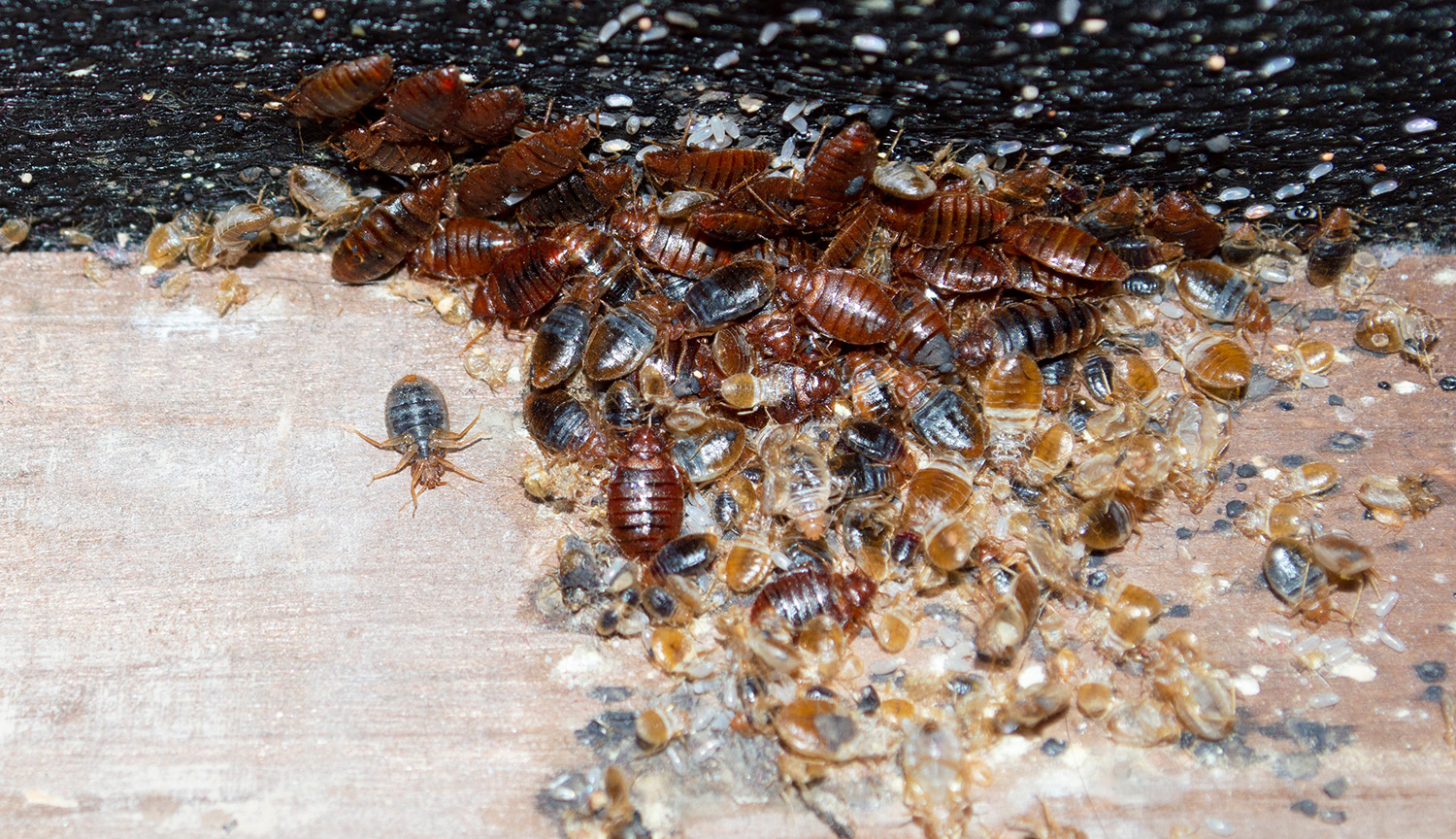
The blood-sucking insects now show up in two varieties and are resistant to many pesticides. New eradication strategies include fungal spores and nasty human odors.
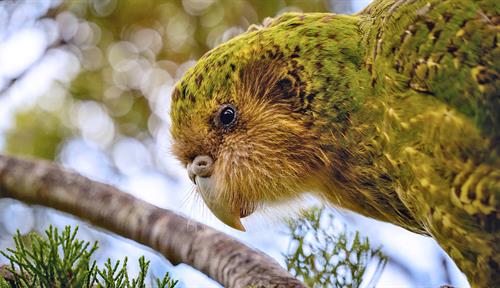
Peoples who live close to nature have a rich lore of plants, animals and landscapes embedded in their mother tongues — which may hold vital clues to protecting biodiversity
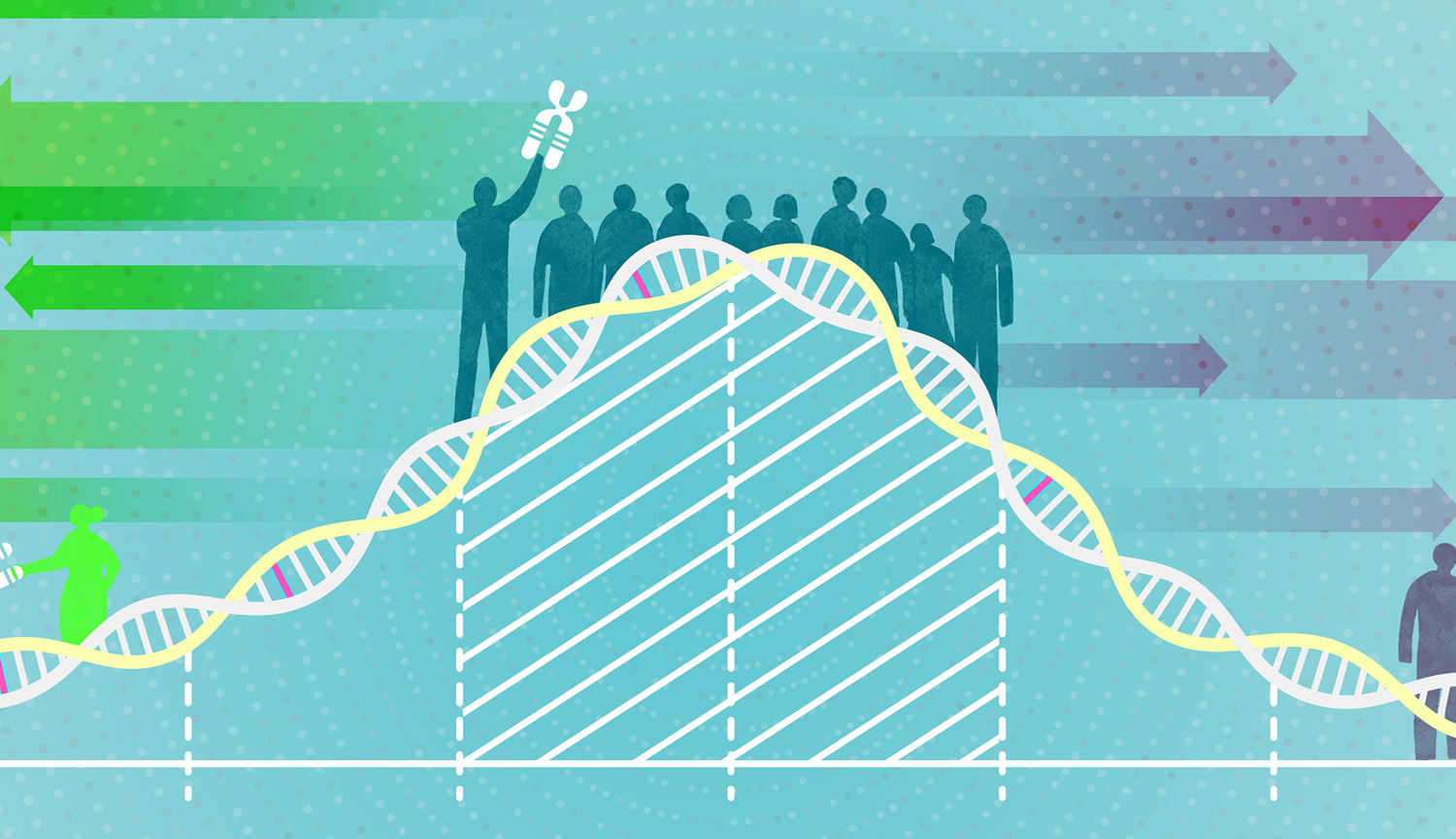
Polygenic risk scores — a patient’s chance, based on tiny DNA variants, of developing cardiovascular disease, breast cancer and more — are coming to clinics. But there are kinks to iron out and accuracy remains an issue.
OPINION: A massive bias in medical studies toward men of European origin means that genetic variants in understudied populations don’t get the focus they deserve
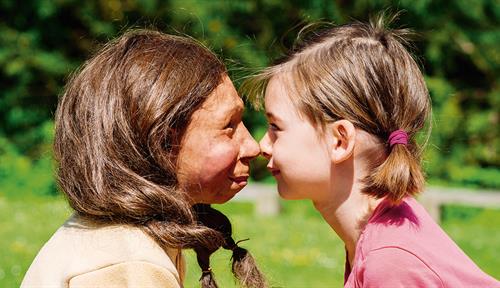
They have held our fascination ever since we first identified their remains. Today, thanks to new artifacts and technologies, findings about our closest relatives are coming thick and fast.
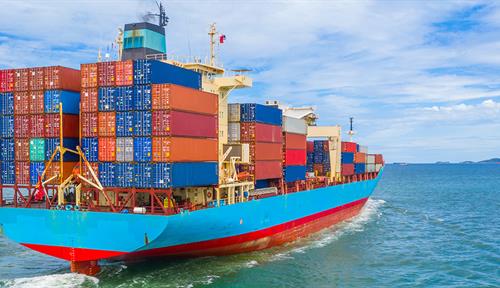
An international treaty aims to bring the shipping industry to net-zero emissions by around 2050. Can novel fuels, wind power and coordination on a global scale get it there?
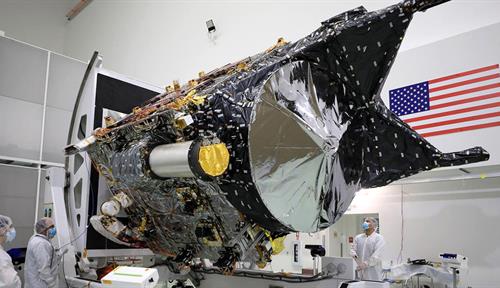
Scientists have been chasing the dream of harnessing the reactions that power the Sun since the dawn of the atomic era. Interest, and investment, in the carbon-free energy source is heating up.
Native peoples attuned to the natural world have long collected detailed environmental information. Now scientists are cataloging these observations and learning how they’re affecting Indigenous communities globally.
Close X
This is not a paywall.
Knowable Magazine is free to read. But just because our articles are free to read doesn’t mean they are free to produce. If you value our trustworthy science journalism, please support it with a donation.